
Taiwan Dos and Don’ts: Etiquette Tips for First-Time Travellers
Read about Taiwan’s customs, etiquettes and taboos before you go!

Read up on Taiwan’s customs, etiquette and everyday cultural habits before you go, so you can avoid awkward moments and travel more respectfully.
Taiwan is warm, welcoming and easy to explore, but like anywhere else, it has its own social norms. Its culture is layered, shaped by traditional Chinese customs, Indigenous heritage, Hokkien and Hakka influences, Japanese-era history and contemporary city life.
For first-time travellers, a little cultural awareness goes a long way. From greeting someone politely to knowing what not to do with chopsticks, here are the Taiwan etiquette tips worth keeping in mind.
Greetings
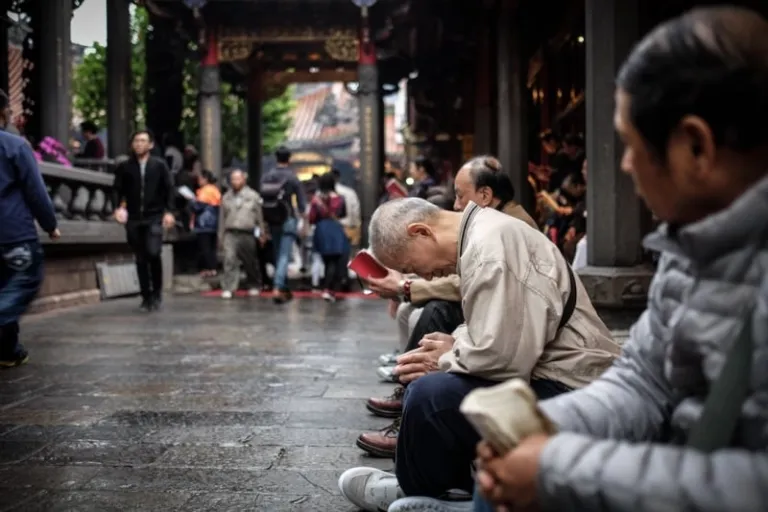
Handshakes are common when meeting someone for the first time, especially in more formal or international settings. For casual encounters, a smile, a small nod, a wave or a friendly “hi” is usually enough.
Hugging is not usually the default greeting unless you already know the person well. When in doubt, follow the other person’s lead.
Food is a big part of everyday life in Taiwan, and you may hear people say “chī bǎo le ma?”, which means “Have you eaten?” It is a warm, familiar greeting rather than a literal invitation to eat.
A few Mandarin phrases that may come in handy:
Nǐ hǎo: Hello
Nǐ hǎo ma?: How are you?
Hǎo jiǔ bù jiàn: Long time no see
Chī bǎo le ma?: Have you eaten?
Xièxiè: Thank you
Also read: 15 Basic Mandarin Words & Phrases To Know For Your Visits to Taiwan
Gift giving
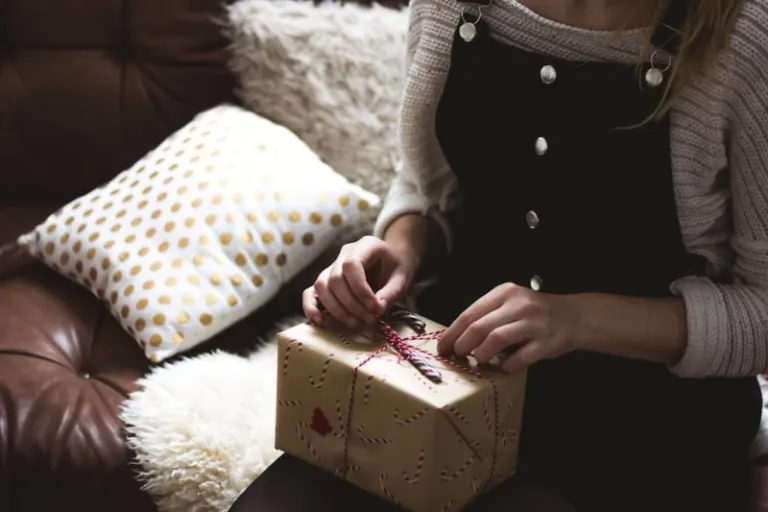
Gift-giving in Taiwan is often thoughtful and symbolic, especially if you are visiting someone’s home, meeting a host or attending a special occasion.
When giving or receiving a gift, use both hands. It is also usually more polite to open the gift later rather than in front of the giver. Recipients may politely decline at first, so do not be surprised if someone hesitates before accepting.
If you are bringing a gift from overseas, choose something thoughtful from your home country or region, such as snacks, tea, sweets or a small speciality item. Avoid making the gift too extravagant, especially in a casual setting.
Some traditional gift taboos are still worth knowing, even if not everyone follows them strictly. Clocks can be associated with funerals, handkerchiefs with sadness, umbrellas with separation, and shoes for elders with sending someone away. These associations come from wordplay or older beliefs, so it is safer to avoid them unless you know the recipient well.
Dining
Unless we’ve known you forever, Taiwanese people don’t usually invite others home for meals. Instead, we prefer going to restaurants. That said, here’s a lowdown on Taiwan etiquette when it comes to dining!
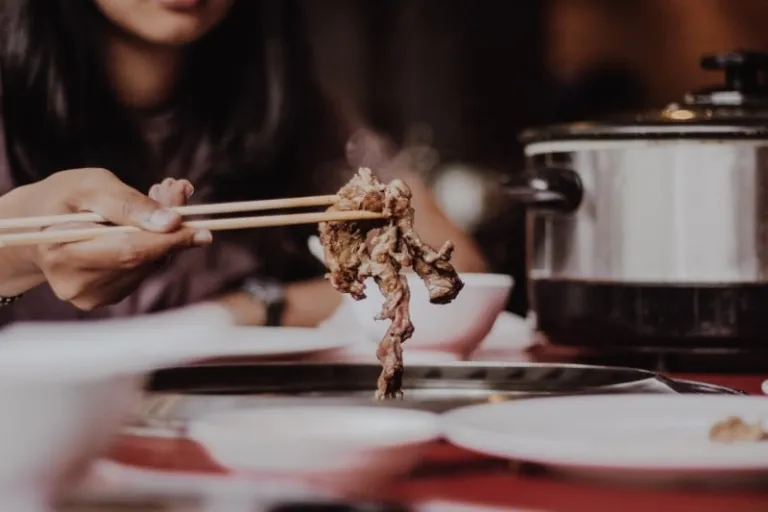
Never stick your chopsticks vertically into a bowl of rice. This resembles incense offerings for the dead and is considered disrespectful. When you are not using your chopsticks, place them together on the table, across the top of your bowl or on a chopstick rest.
Use serving utensils or shared chopsticks when taking food from communal plates. This is especially appreciated when dining in a group.
If a host places food on your plate, accept it graciously. In more traditional dining settings, the host may serve guests as a gesture of hospitality. You do not need to overthink it, just say thank you and enjoy the meal.
Rice bowls may be lifted closer to the mouth, while larger plates usually stay on the table. This is common in Taiwanese dining and helps make eating with chopsticks easier.
Other dos and don’ts
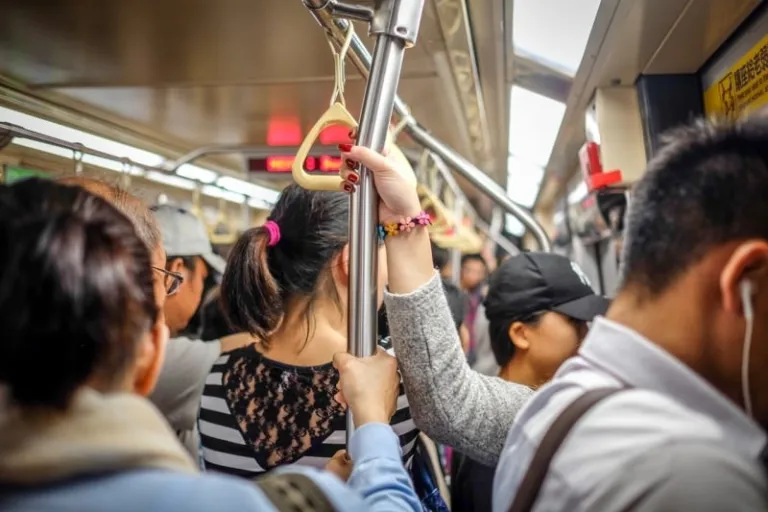
Do offer your seat to the elderly, kids, and pregnant women, whether on the bus, MRT, or train. You might get stared at or even scolded if you let a grandma remain standing in front of you!
Always stand on the right side of the escalator, as the left side is used for walking.
Do remove your shoes when entering someone’s house, even if they say it’s okay to keep them on.
Taiwan is politically complex, and identity can be personal. Avoid making casual assumptions about Taiwan, China or cross-strait politics, especially with people you have just met. If the topic comes up naturally, listen respectfully and avoid turning the conversation into a debate. A good traveller does not need to have the strongest opinion in the room.
Don’t tip, whether it’s in restaurants, hotels or taxis. We consider it an offence. However, you’re welcome to tip in bars.
Don’t step on the extra step (the higher stage that separates the inside and outside of the temple) while entering/leaving a temple.
Also read: 7 Unique Gestures From Asian Countries That Represent Hospitality and Respect
Taiwan is easy to love because it is friendly, convenient and full of small everyday kindnesses. The best etiquette is simple: be considerate, observe what locals do, speak politely, queue properly, clean up after yourself and show respect in homes, temples and shared spaces.
With these basics in mind, you will be better prepared to enjoy Taiwan not just as a destination, but as a place with its own rhythm, warmth and way of doing things.

About Author

一个23岁天马行空的旅行上瘾者,来自美丽的岛屿台湾。从十个月大就开始和家人在地球上绕啊绕,把世界当成家。目前去过25个国家,流浪计划还在持续进行呢!