
A Guide to the Best Shopping Spots in Hong Kong
Hong Kong is truly a shoppers’ paradise! Find out where to shop, depending on what you’re looking for – electronics, fashion accessories, souvenirs, handicrafts or even flowers!

Hong Kong has long been known as a shopping paradise, but its retail scene offers far more than gleaming malls filled with international labels.
Across the city, shoppers can browse everything from luxury fashion and independent design to electronics, antiques, sneakers and affordable street-market finds. Each neighbourhood has its own speciality, making it worth choosing where to shop based on what you hope to bring home.
From Mong Kok’s lively markets to Central’s designer boutiques, here are six of the best shopping areas in Hong Kong.
1. Mong Kok
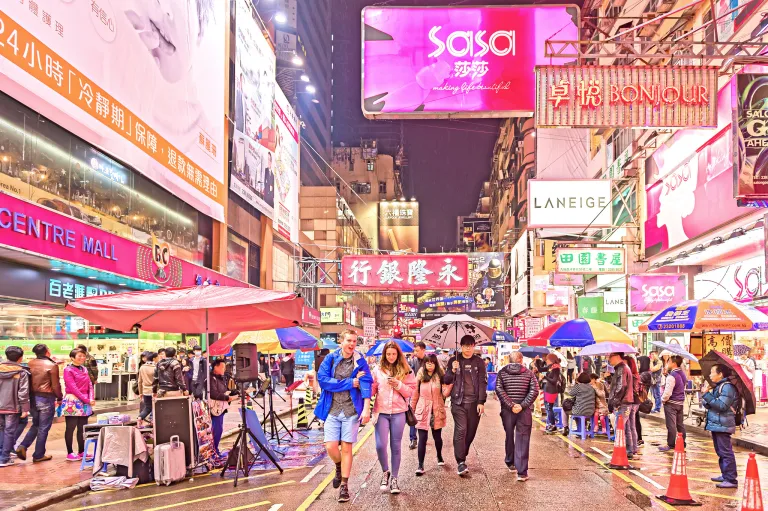
Image credit: johnlsl
For an all-in-one shopping experience, few neighbourhoods can compete with Mong Kok.
The densely packed streets are lined with malls, independent boutiques and themed markets selling fashion, beauty products, sportswear, souvenirs and everyday goods. The area becomes especially energetic in the evening, when neon signs light up and crowds begin filling the pedestrian streets.
One of its most famous attractions is the Ladies’ Market, which stretches along Tung Choi Street. Despite its name, the market sells far more than women’s clothing. Visitors can browse accessories, bags, souvenirs, toys, household items and inexpensive fashion.
Prices may be negotiable at some stalls, but bargain respectfully and check the quality of an item before paying.
Nearby, Sneaker Street along Fa Yuen Street is packed with sportswear stores carrying international brands, limited-edition releases and athletic equipment. Serious sneaker collectors should compare prices between shops and purchase only from reputable retailers.
Mong Kok is also home to the Goldfish Market, where aquariums and bags filled with fish line parts of Tung Choi Street. The surrounding shops may also sell aquatic plants, tanks and other pet supplies. Visitors should approach the area as a functioning local market rather than simply a photography attraction.
For flowers and plants, continue north towards Flower Market Road near Prince Edward. The shops here carry fresh blooms, potted plants, gardening accessories and seasonal decorations.
Those who prefer shopping indoors can head to Langham Place, a 15-storey mall connected to Mong Kok MTR station. It contains more than 200 shops alongside restaurants, cafés and entertainment venues.
Temple Street Night Market is located farther south in Yau Ma Tei rather than Mong Kok itself. It can still be combined with a visit to the neighbourhood, but allow around 15 to 20 minutes to reach it by MTR or on foot from southern Mong Kok.
How to get there: Take the Tsuen Wan or Kwun Tong line to Mong Kok Station. Prince Edward Station is more convenient for the Flower Market.
Also read: Hong Kong: Why Visit Mong Kok on a Saturday Night
2. Tsim Sha Tsui
Huge shopping malls and high-end shopping are what you can expect at Tsim Sha Tsui.
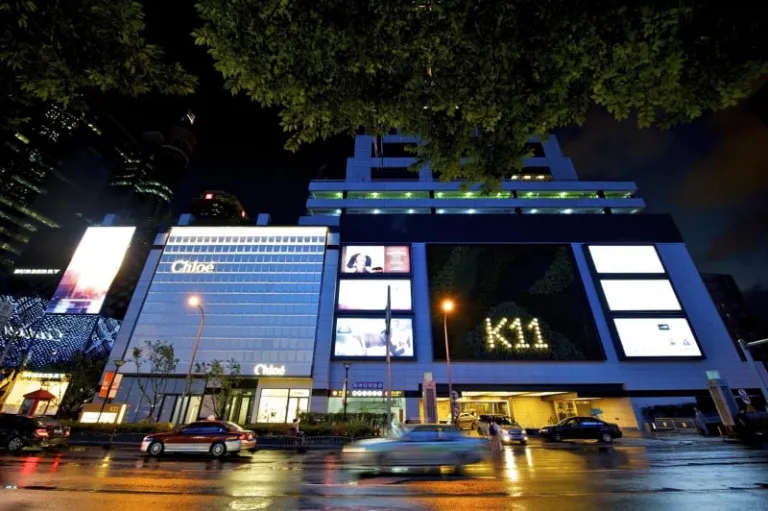
Image credit: Simon D
Tsim Sha Tsui combines luxury shopping, waterfront views and some of Hong Kong’s most prominent retail complexes.
Along Canton Road, international fashion houses stand beside enormous malls and department stores. The area is particularly convenient for travellers staying in Kowloon, with hotels, museums and the Victoria Harbour promenade all within walking distance.
Harbour City is one of Hong Kong’s largest shopping destinations. The complex stretches along the waterfront and brings together hundreds of shops, restaurants and entertainment venues across several connected sections.
Its retail mix ranges from luxury fashion and jewellery to beauty, sportswear, toys and lifestyle products. The Ocean Terminal Deck also provides wide views across Victoria Harbour, offering a scenic break between shops.
Nearby, K11 MUSEA combines retail with art, architecture and cultural experiences. Located within Victoria Dockside, the mall is filled with sculptural interiors, public artworks, designer boutiques, beauty brands and restaurants.
It has largely replaced the original K11 Art Mall as Tsim Sha Tsui’s most prominent art-and-retail destination, although the older K11 Art Mall continues to operate on Hanoi Road.
Another distinctive landmark is 1881 Heritage, a restored colonial-era complex that once housed the Marine Police Headquarters. The site contains luxury boutiques, restaurants and heritage features arranged around an open courtyard.
Travellers looking for more accessible fashion can explore Nathan Road, iSQUARE, The ONE and Mira Place. These malls provide a broader mixture of local, regional and international brands.
After shopping, walk towards the Tsim Sha Tsui waterfront for views of Hong Kong Island or take a break inside Kowloon Park.
How to get there: Take the Tsuen Wan line to Tsim Sha Tsui Station or the Tuen Ma line to East Tsim Sha Tsui Station.
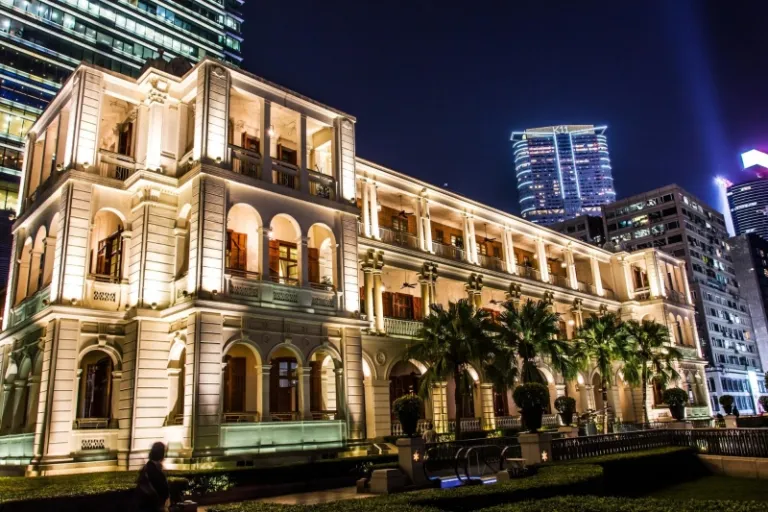
Image credit: Daniel Lee
3. Central
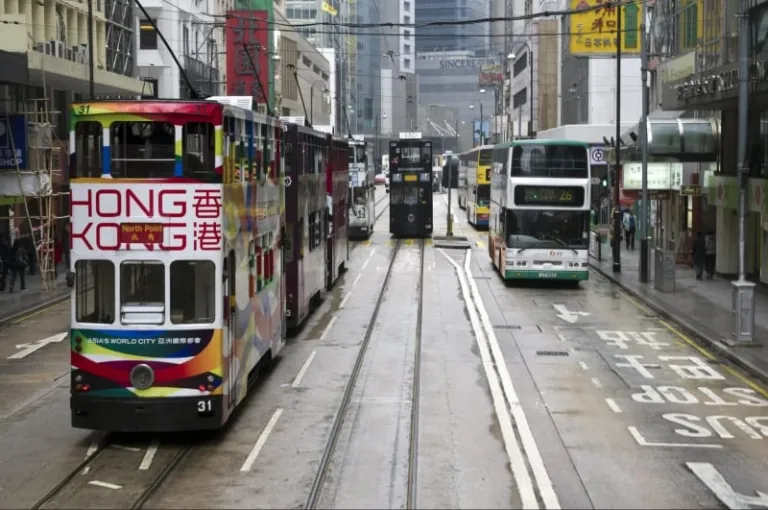
Image credit: John Marx
Central is Hong Kong’s main destination for luxury boutiques, business-district shopping and polished lifestyle malls.
The original article’s reference to The Galleria is outdated. Today, the neighbourhood’s most prominent luxury complex is LANDMARK, a collection of connected buildings containing designer fashion, jewellery, beauty brands and acclaimed restaurants.
The wider complex includes LANDMARK ATRIUM, LANDMARK PRINCE’S, LANDMARK ALEXANDRA and LANDMARK CHATER. Its location beside major offices and hotels makes it one of the city’s most refined shopping environments.
A short walk away, ifc mall sits above Hong Kong Station beside Victoria Harbour. The mall combines luxury labels with fashion, technology, beauty, restaurants and a large supermarket.
Its rooftop public spaces provide a place to rest with views of the harbour and surrounding skyscrapers, although access and seating arrangements may vary.
Queen’s Road Central remains lined with international retailers, department stores and shopping arcades. However, individual brands change frequently, so avoid planning a visit around shops listed in older guides.
For something more local, explore the restored Central Market. The heritage building now contains small shops, eateries, lifestyle brands and public spaces that showcase a more contemporary side of Hong Kong retail.
The streets around SoHo, Gough Street, Peel Street and Tai Ping Shan are also home to independent fashion labels, vintage shops, galleries and cafés.
Central is best explored on foot, but its steep streets can be tiring. The Central–Mid-Levels Escalator provides an easier way to move uphill through parts of the district.
How to get there: Take the Island or Tsuen Wan line to Central Station, or the Airport Express and Tung Chung line to Hong Kong Station.
4. Causeway Bay
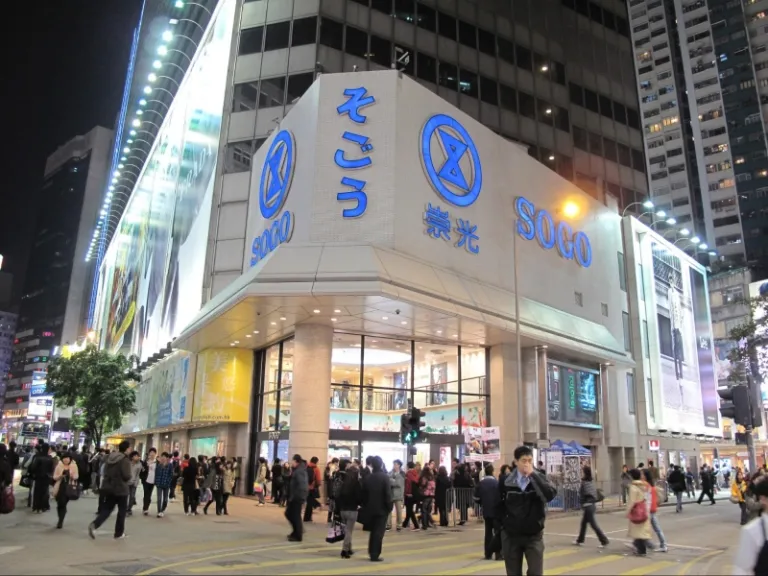
Image credit: Martin Ng
Causeway Bay offers one of Hong Kong’s most concentrated shopping experiences.
Within a relatively compact area, visitors can move between department stores, multi-storey malls, fashion boutiques and bargain-filled street stalls. It is an ideal neighbourhood for travellers with limited time who want several types of shopping in one place.
Times Square remains one of the district’s best-known malls. Its shops cover fashion, beauty, lifestyle products and dining, while the open plaza outside regularly hosts seasonal displays and public installations.
Another major destination is Hysan Place, which contains fashion and beauty stores alongside restaurants and Eslite Spectrum, a multi-level bookstore and lifestyle retailer.
The wider Lee Gardens area includes several interconnected buildings with international brands, family-oriented stores and dining options.
SOGO Causeway Bay remains a prominent Japanese-style department store. Its multiple floors carry fashion, cosmetics, household products, food and seasonal promotions. The store can become particularly crowded during major sale periods.
For a more traditional street-shopping experience, visit Jardine’s Crescent. The narrow market sells affordable clothing, accessories and household items from tightly packed stalls.
Parallel Jardine’s Bazaar adds more small shops, pharmacies and local eateries.
Causeway Bay’s retail landscape changes quickly, so use the neighbourhood itself as the destination rather than relying on one specific shop remaining in place.
How to get there: Take the Island line to Causeway Bay Station. Tin Hau Station provides access to the eastern side of the district.
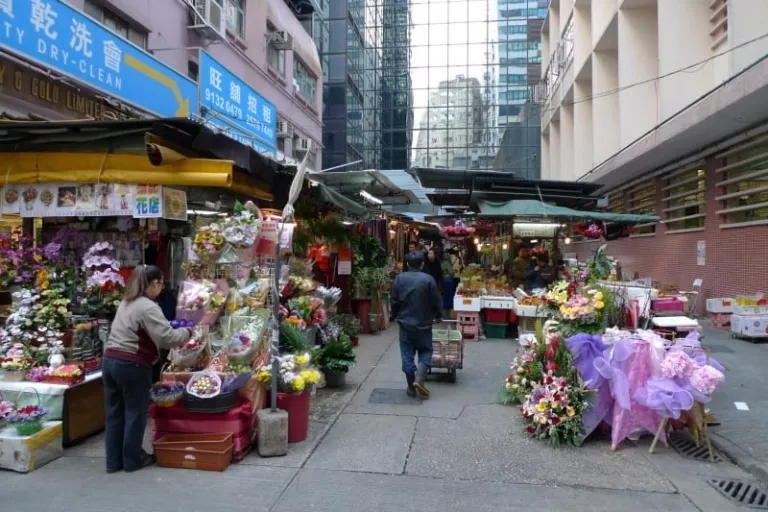 Image credit: bricoleurbanism
5. Sham Shui Po
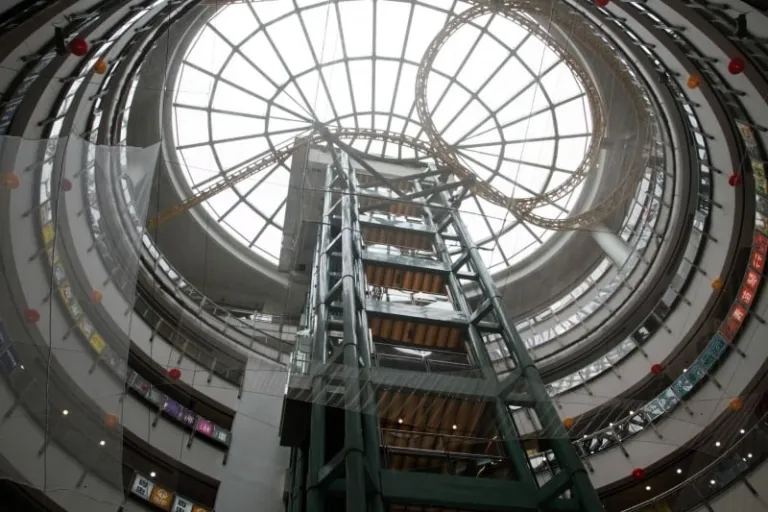
Image credit: Ronald Woan
Sham Shui Po is one of Hong Kong’s best areas for electronics, fabrics, craft materials and affordable local shopping.
Unlike the polished malls of Central or Tsim Sha Tsui, this working-class neighbourhood is built around specialised streets where shops selling similar products gather together.
Apliu Street is the best-known destination for electronics. Its shops and stalls carry cables, adapters, audio equipment, phone accessories, tools and second-hand components.
The market can be fascinating to browse, but electronics sold without warranties may not meet the standards travellers expect. Test products where possible and clarify return arrangements before buying.
Golden Computer Arcade and Golden Computer Centre are nearby destinations for computer hardware, gaming equipment and accessories. Product selections change quickly, and prices should be compared between retailers.
For fabrics, ribbons, beads and sewing supplies, explore Ki Lung Street, Nam Cheong Street and Yu Chau Street. These roads attract designers, students and craft enthusiasts searching for materials at wholesale or semi-wholesale prices.
Cheung Sha Wan Road is associated with fashion wholesalers, although many shops cater primarily to trade buyers and may not sell individual pieces.
Dragon Centre remains the area’s largest conventional mall. It contains shops, restaurants, entertainment facilities and an indoor ice-skating rink, providing a cool place to rest after exploring the surrounding streets.
Sham Shui Po is also known for independent cafés, traditional bakeries and inexpensive local food, so leave time to eat between shopping stops.
How to get there: Take the Tsuen Wan line to Sham Shui Po Station.
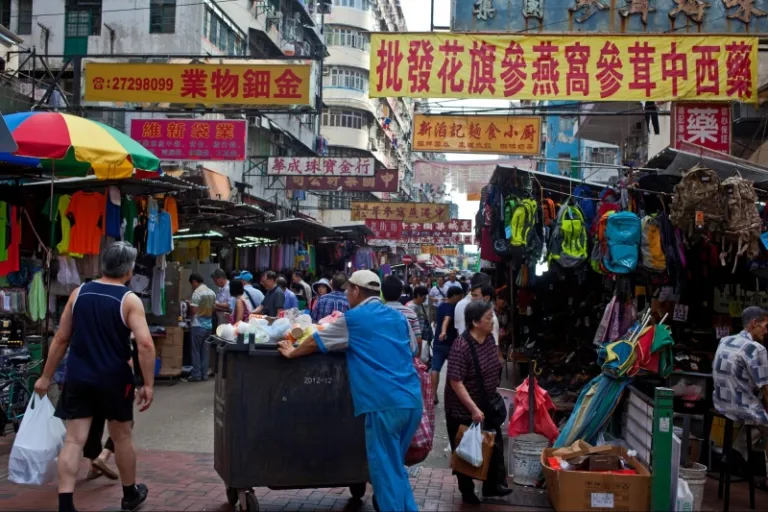 Image credit: Chris Brown
6. Hollywood Road and Upper Lascar Road
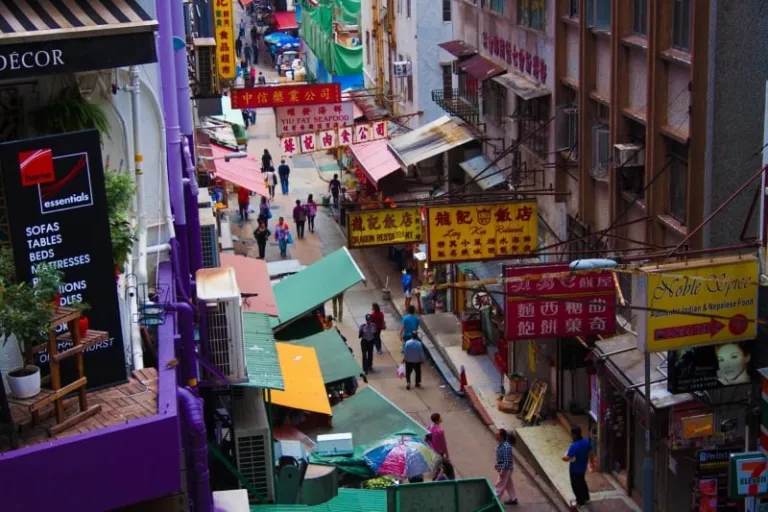
Image credit: Bertrand DUPERRIN
For antiques, art and locally designed gifts, explore Hollywood Road and Upper Lascar Row on Hong Kong Island.
Hollywood Road has long been associated with antique dealers, galleries and shops selling Chinese art, furniture, ceramics and collectibles. Today, the street also contains contemporary galleries, cafés, bars and lifestyle boutiques.
Not every object sold as an antique will necessarily be old or valuable. Serious collectors should purchase from reputable dealers and request documentation for expensive items.
One of the area’s main attractions is PMQ, a former police residential complex transformed into a creative hub. Its studios and shops showcase products by Hong Kong designers, including fashion, jewellery, homeware, stationery and accessories.
PMQ also hosts exhibitions, workshops and pop-up events throughout the year. Individual studios maintain their own operating hours, so not every shop will be open throughout the day.
Farther along, Upper Lascar Row, commonly known as Cat Street, is lined with stalls and small shops selling curios, ornaments, vintage objects, posters, jade, carvings and souvenirs.
The compact market is better approached as a place to browse for unusual decorative pieces than as a source of guaranteed museum-quality antiques.
The wider neighbourhood also includes Man Mo Temple, Tai Kwun, SoHo and the independent shops around Tai Ping Shan Street, making it easy to spend several hours exploring beyond the main shopping streets.
How to get there: Take the Island line to Sheung Wan or Central Station, then walk uphill towards Hollywood Road. The Central–Mid-Levels Escalator provides another convenient approach.
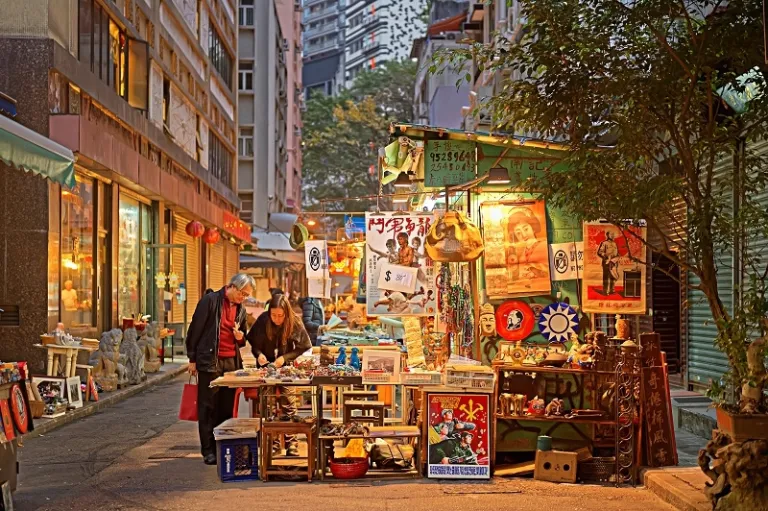
Image credit: johnlsl
Shop your way across Hong Kong
Hong Kong’s shopping scene is defined by contrast.
You can browse luxury boutiques in Central in the morning, search for craft materials in Sham Shui Po after lunch and end the evening among Mong Kok’s street markets. Tsim Sha Tsui and Causeway Bay offer almost every type of retail in compact, easy-to-navigate districts, while Hollywood Road provides a slower experience centred on art, design and antiques.
Opening hours vary considerably between markets, malls and independent shops. Street vendors may also close because of rain, public holidays or changing enforcement arrangements.
Check current details before travelling, carry a mixture of payment options and le

About Author