
Cities in Asia That Are Perfect for a Car-Free Holiday
A car-free holiday is a carefree holiday!

A great city break does not need a steering wheel. Across Asia, some of the most rewarding urban experiences unfold best on foot, by bike, or via efficient public transport. Choosing a car-free holiday means fewer logistics, lower cost, and a deeper connection with local life. From compact heritage centres to metro systems that run like clockwork, these Asian cities make it easy and enjoyable to leave the car behind.
Also read: Life-Changing Holidays to Gift Yourself or Your Loved Ones
Car-free cities for your next trip
Take the trains in Tokyo, Japan
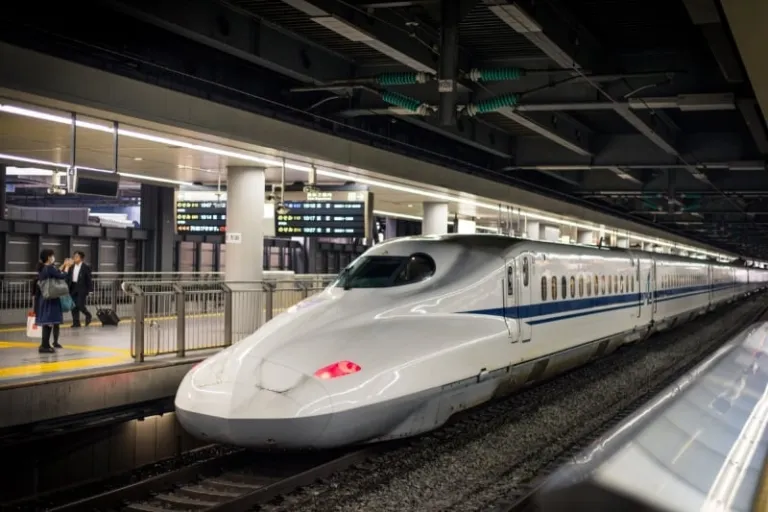
Image credit: Oneinchpunch via Canva Pro
Tokyo may be vast, but it is also one of the easiest cities in the world to navigate without a car. Its rail and metro networks are famously punctual, clearly signposted, and extensive enough to reach almost every neighbourhood of interest. With a single transport card, travellers can hop between districts, from the neon buzz of Shinjuku to the quieter streets of Yanaka.
Beyond the trains, Tokyo rewards walking. Many areas are designed around compact blocks, with hidden shrines, local eateries, and independent shops tucked into side streets. Exploring on foot reveals a more intimate side of the city, far removed from its high-tech reputation.
Steer clear of driving in Singapore
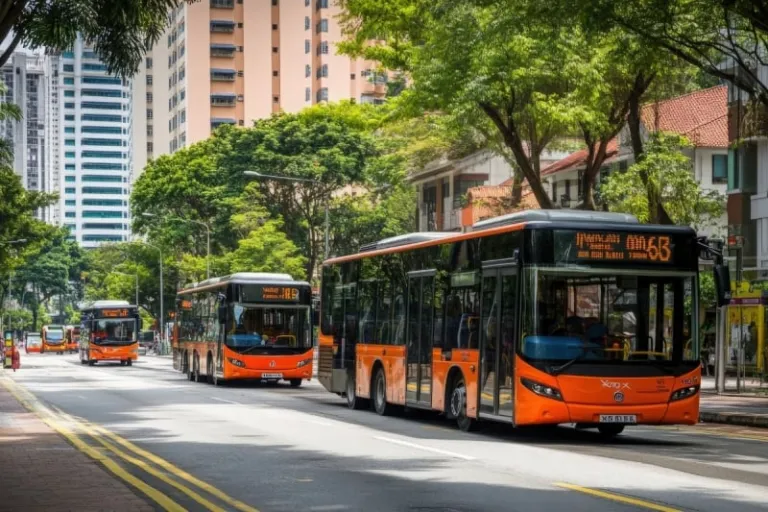
Image credit: Magenta via Canva Pro
Few cities plan for pedestrians as meticulously as Singapore. Covered walkways, clear signage, and well-maintained pavements make walking practical even in the tropical heat. The MRT system is clean, fast, and connects major attractions, neighbourhoods, and nature reserves with ease.
What makes Singapore especially appealing for a car-free holiday is its variety. One day might involve strolling through heritage districts such as Kampong Glam or Little India; the next could be spent cycling along the Park Connector Network or hiking in MacRitchie Treetop Walk. Everything feels connected, without the need for private transport.
Hop on ferries in Hong Kong
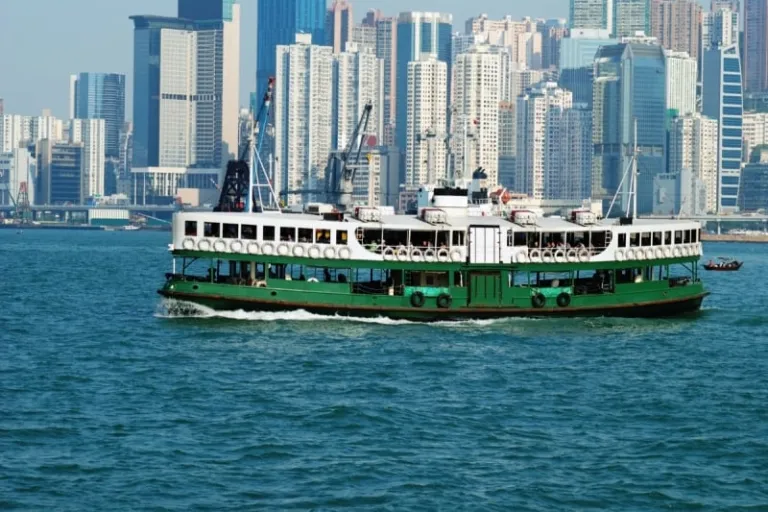
Image credit: samxmeg via Canva Pro
Hong Kong’s dense urban layout works in favour of car-free travellers. The MTR reaches deep into the city and beyond, while ferries criss-cross Victoria Harbour, doubling as scenic transport. Trams on Hong Kong Island add a slower, nostalgic way to move between neighbourhoods.
Walking is equally rewarding. Escalators and moving walkways help tackle the city’s steep terrain, especially around Central. From street markets to coastal promenades and surprisingly accessible hiking trails, Hong Kong offers constant variety without requiring a car.
Travel via public transport in Taipei, Taiwan
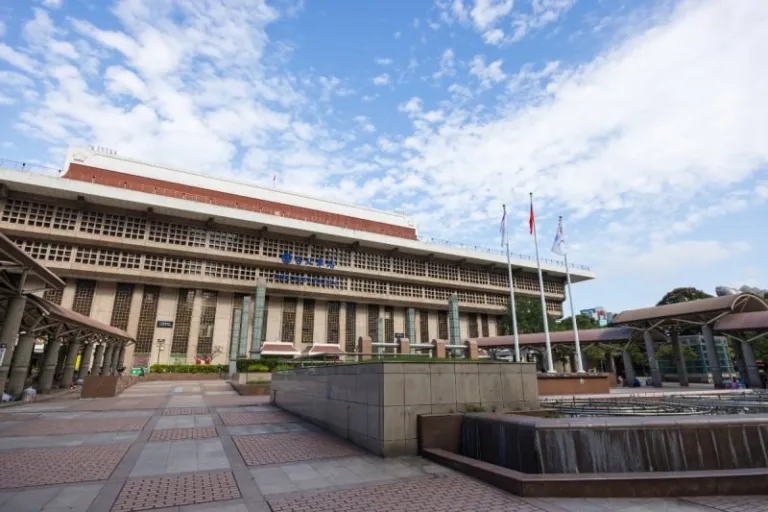
Image credit: Leung Cho Pan via Canva Pro
Taipei strikes a rare balance between big-city convenience and relaxed pace. Its metro system is affordable, intuitive, and connects seamlessly with buses and bike-sharing schemes. Many districts are flat and compact, making walking a pleasure rather than a challenge.
The city also embraces cycling. Dedicated paths run along rivers and through parks, allowing travellers to explore green spaces between sightseeing stops. Night markets, cultural landmarks, and neighbourhood cafés are all easily reached without ever needing to drive.
Scenic routes await in Seoul, South Korea

Image credit: dschreiber29 via Canva Pro
Seoul’s public transport network is both extensive and efficient, with a metro system that covers the city and its surrounding areas. Stations are well marked in English, and transfers are straightforward, even for first-time visitors.
Neighbourhoods such as Insadong, Bukchon, and Hongdae are particularly pedestrian-friendly, encouraging slow exploration. Seoul also invests heavily in public spaces, including restored streams and riverside paths, which are ideal for walking and cycling. The result is a city that feels energetic yet accessible without a car.
Go green with George Town in Penang, Malaysia
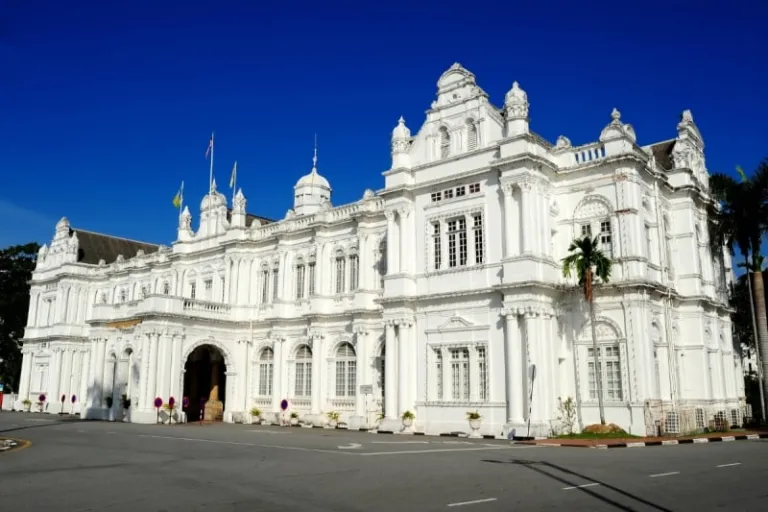
Image credit: Ravindran John Smith via Canva Pro
George Town in Penang is compact, colourful, and rich in character, making it ideal for a car-free stay. Much of the historic centre is best explored on foot, where colonial architecture, temples, and street art sit side by side.
Public buses cover longer distances, but many travellers find they rarely need them. Cafés, museums, and hawker centres cluster closely together, turning daily exploration into a series of relaxed walks rather than planned journeys.
Skip the traffic in Bangkok, Thailand
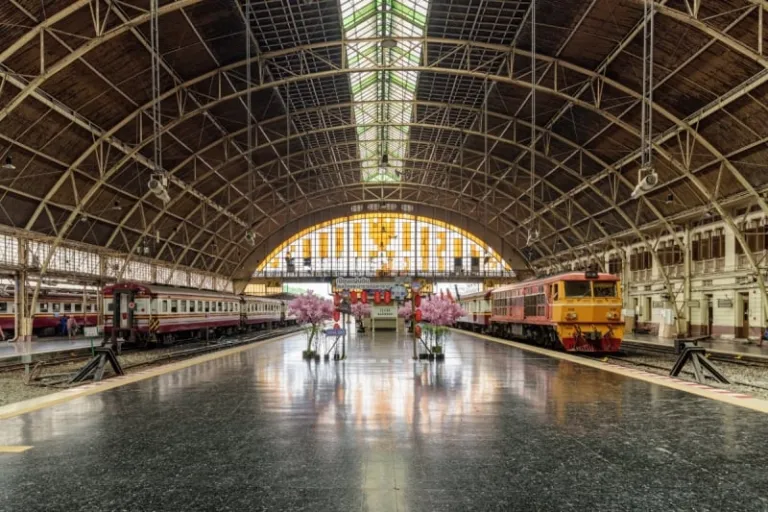
Image credit: efired via Canva Pro
At first glance, Bangkok may not seem ideal for a car-free holiday, but its transport options tell a different story. The BTS Skytrain and MRT link key areas, while river ferries provide both practical transport and a unique perspective on the city.
Once in a neighbourhood, walking becomes the best way to experience Bangkok’s street life. Markets, temples, and food stalls are woven into everyday streets, rewarding those who explore at ground level rather than behind a windscreen.
Make the most of the lanes at Macau, China
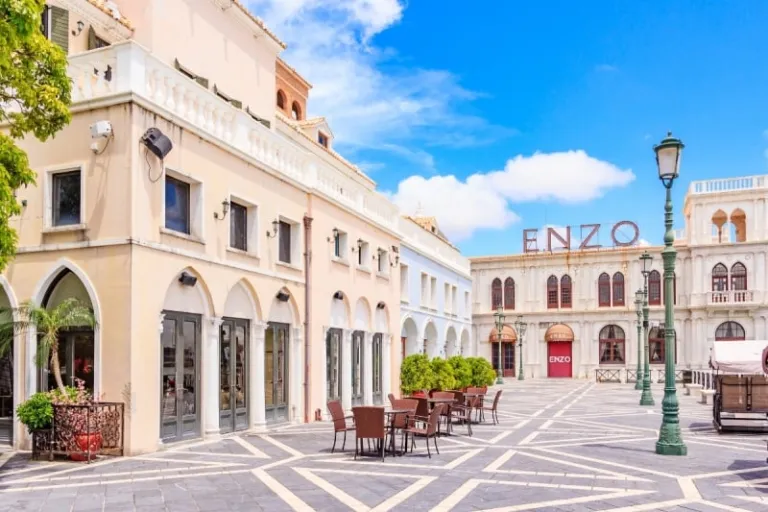
Image credit: Gabriel Albu via Canva Pro
Compact and richly layered, Macau is ideal for travellers who prefer to explore without a car. Much of the historic centre is walkable, with cobbled streets linking pastel-coloured churches, Chinese temples, and shaded public squares. Distances between major sights are short, encouraging unhurried wandering rather than structured itineraries.
Public buses are inexpensive and frequent, connecting the old town with the Cotai Strip and outlying neighbourhoods. Walking remains the highlight, however, especially in areas such as Senado Square and Taipa Village, where local eateries and heritage buildings sit close together. Macau’s blend of cultures feels most vivid when experienced at street level, one step at a time.
Why go car-free?
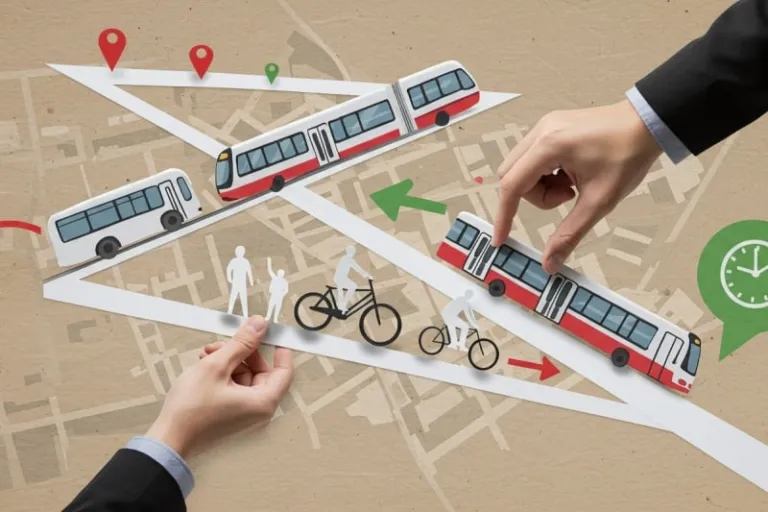
Image credit: Stock dignity via Canva Pro
Choosing cities that support walking, cycling, and public transport changes how travel feels. Journeys become part of the experience rather than a hurdle. You notice details, interact more with local life, and reduce your environmental footprint along the way.
Asia offers no shortage of destinations where this style of travel is not only possible but preferable. For travellers seeking ease, authenticity, and a slower rhythm, these car-free cities prove that sometimes the best way forward is to walk.
Also read: Top 5 Most Interesting MRT Stations in Singapore
The road less taken
Going car-free is less about what you give up and more about what you gain. When cities are designed for people rather than vehicles, travel slows to a more human pace. Streets become places to linger, public transport turns into a window on daily life, and short walks reveal details that would otherwise blur past. In many Asian cities, moving without a car feels natural rather than restrictive.
Leaving the keys behind also brings unexpected freedom. There is no parking to worry about, no traffic to battle, and no rigid route to follow. Instead, each day unfolds through train stops, footpaths, and spontaneous detours. These cities prove that the best journeys are often made not by driving further, but by walking deeper into the places you visit.

About Author

Fluent in three languages, Sudhiksha is always on a quest to learn more about the world around her. She enjoys collecting sunsets, street food, and stories from the nooks and crannies of different places. To her, every journey unearths a new way of seeing home.