Dex Quek
The 2026 Henley passport rankings are out. Singapore keeps the top spot for the third year in a row, even after losing visa-free access to three countries. Here’s what the rankings show and how they have changed over time.
Also read: Singapore Wins the Gelato World Cup 2026: Here’s How!
Singapore still has the world’s most powerful passport
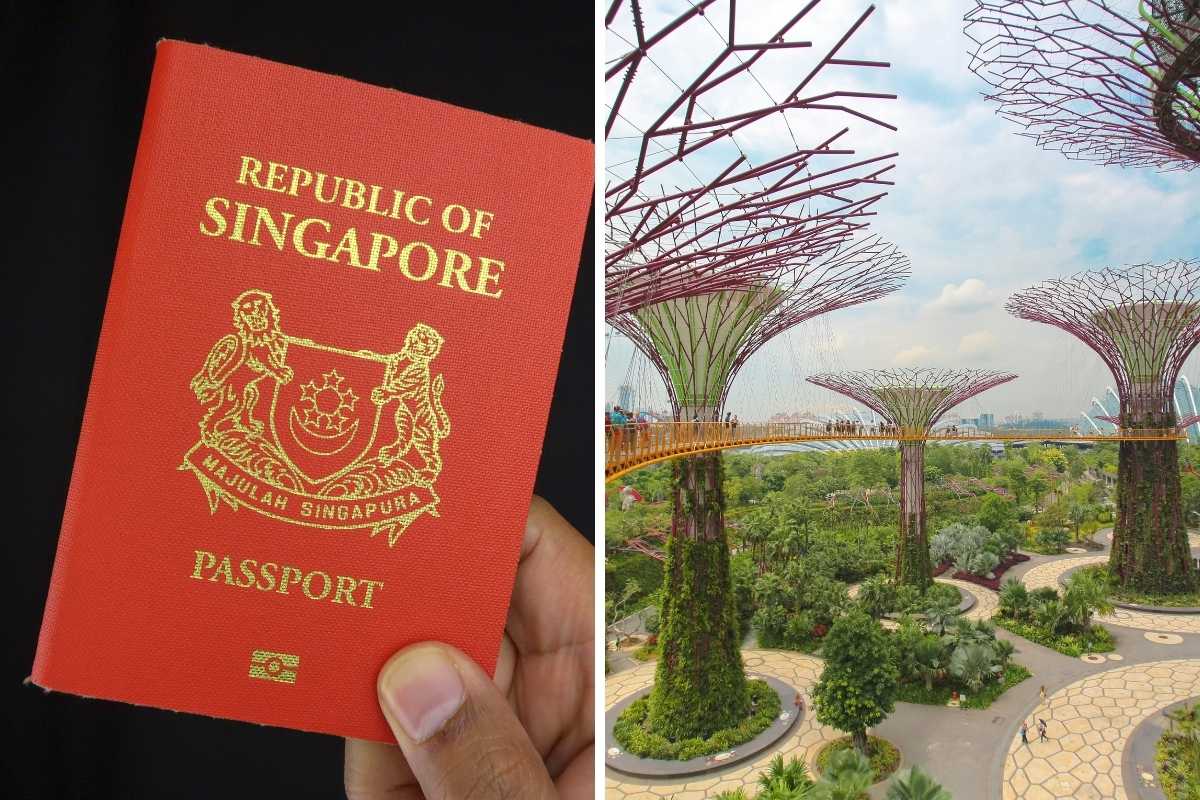
Image credit: Sufian Supari via Canva Pro (left), vitalina (right)
For the third consecutive year, Singapore ranks first in the 2026 passport rankings, with visa-free access to 192 destinations worldwide. Singapore lost visa-free or visa-on-arrival access to Pakistan, Mauritania, and Somalia.
Back in 2006, it was in eighth place before climbing to first place in 2019.
The Top 10
| 2026 Rank | Countries | Access |
|---|---|---|
| 1 | Singapore | 192 |
| 2 | Japan, South Korea | 187 |
| 3 | Sweden, United Arab Emirates | 186 |
| 4 | Belgium, Denmark, Finland, France, Germany, Ireland, Italy, Luxembourg, Netherlands, Norway, Spain, Switzerland | 185 |
| 5 | Austria, Greece, Malta, Portugal | 184 |
| 6 | Hungary, Malaysia, New Zealand, Poland, Slovakia, Slovenia | 183 |
| 7 | Australia, Croatia, Czechia, Estonia, Latvia, United Kingdom | 182 |
| 8 | Canada, Liechtenstein, Lithuania | 181 |
| 9 | Iceland | 180 |
| 10 | United States | 179 |
The 2026 passport ranking highlights Asian strength in global mobility. Japan and South Korea share second place, each with access to 187 destinations. These 3 Asian passports have dominated the index for almost a decade.
European countries fill most of the remaining top 10. Denmark, Sweden and the United Arab Emirates are in third place with 186 destinations. 12 European countries — Belgium, Finland, France, Germany, Ireland, Italy, Luxembourg, Netherlands, Norway, Spain and Switzerland — share fourth place with 185 destinations.
Austria, Greece, Malta and Portugal take fifth place with access to 184 destinations. Malaysia is sixth with 183 destinations, alongside Hungary, New Zealand, Poland, Slovakia and Slovenia. This makes Malaysia the second Southeast Asian country in the top 10.
Australia and the United Kingdom are in seventh place with 182 destinations. Canada ranks eighth with 181 destinations. The United States has slipped to 10th place with 179 destinations, far from 1st place it ranked in 2014.
On The Other End
| Rank | Country | Destinations with access |
|---|---|---|
| 92 | Eritrea | 38 |
| 93 | Bangladesh | 37 |
| 94 | North Korea | 36 |
| 95 | Nepal | 35 |
| 96 | Somalia | 33 |
| 97 | Pakistan | 32 |
| 98 | Yemen | 31 |
| 99 | Iraq | 29 |
| 100 | Syria | 26 |
| 101 | Afghanistan | 24 |
At the other end of the ranking, mobility remains very limited. Afghanistan is in 101st place with visa-free access to just 24 destinations. Syria is 100th with 26 destinations, while Iraq is 99th with 29.
Yemen, Pakistan, and Somalia also face heavy restrictions. Nepal, North Korea, Bangladesh and Eritrea round out the bottom 10, each with access to fewer than 40 destinations. These are often the result of geopolitical conflict, political instability and weaker diplomatic ties.
How the Rankings Were Decided
Image credit: mtcurado via Canva Pro
The Henley Passport Index relies on exclusive data from the International Air Transport Association (IATA), which runs one of the world’s largest travel information databases. Consequently, the index has become a widely used benchmark for global mobility.
The ranking evaluates 199 different passports against 227 travel destinations. It counts destinations where passport holders do not need a visa in advance, as well as those offering visas on arrival, electronic travel authorisation or a visitor permit at the border.
The ranking is updated monthly. Changes in global events, policies and diplomacy can quickly affect scores, so the index is a useful tool for travellers planning trips.
Singapore’s Rise over Time
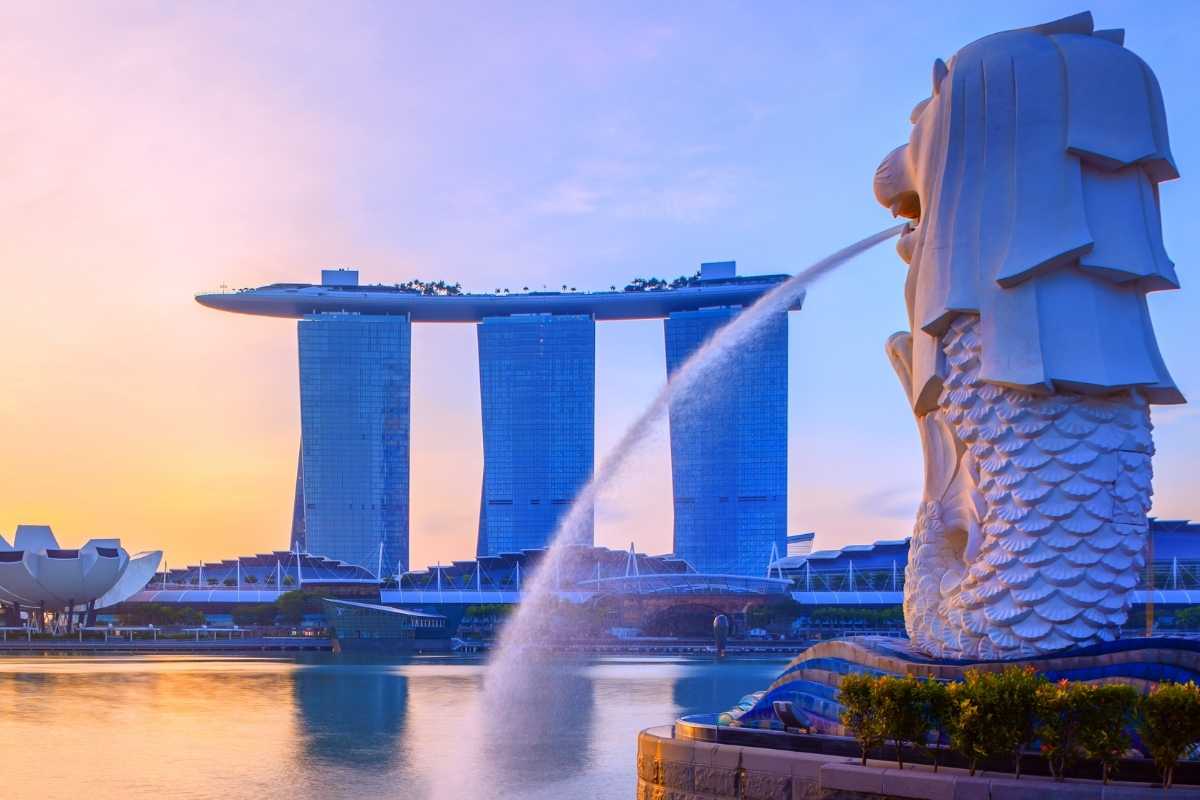
Image credit: Netfalls via Canva Pro
Singapore spent years hovering between fifth and eighth place before breaking into the top 3 in 2017. Then, in 2019, Singapore claimed the number one spot for the first time, a position it has held since (with the exception of 2023).
This rise mirrors Singapore’s diplomatic reach, political stability and strong economy. For Singaporeans, it translates into easier travel for business, holidays and studies.
What This Means for Travellers
Image credit: sasirin pamai via Canva Pro
Beyond Singapore and Malaysia’s impressive performance, the 2026 passport ranking also shows a range of mobility across Southeast Asia. Besides them, Brunei takes 19th place with access to 163 destinations. Thailand is 58th with 78 destinations, Indonesia is 62nd with 72, and the Philippines is 68th with 65.
Also read: 10 Things to do in Seoul At Night Other Than Endless Shopping and Eating
These gaps show how diplomacy, economic growth and stability shape travel freedom. As ASEAN cooperation deepens and more bilateral agreements are signed, Southeast Asian travellers may see their mobility improve. For now, Singaporeans can enjoy having the world’s most powerful passport when planning their next trip.