
5 Historical Places You Should Visit In Taipei
Dive into Taipei’s past through these fascinating historical monuments!

Taipei may be best known for soaring landmarks like Taipei 101, bustling night markets and lively shopping districts, but the city’s history is never far beneath the surface. Centuries-old temples, Japanese-era architecture and memorial spaces reveal the many political and cultural forces that have shaped modern Taiwan.
If you enjoy learning about a destination through the places that witnessed its past, add these five historical sites to your Taipei itinerary.
1. LungShan Temple
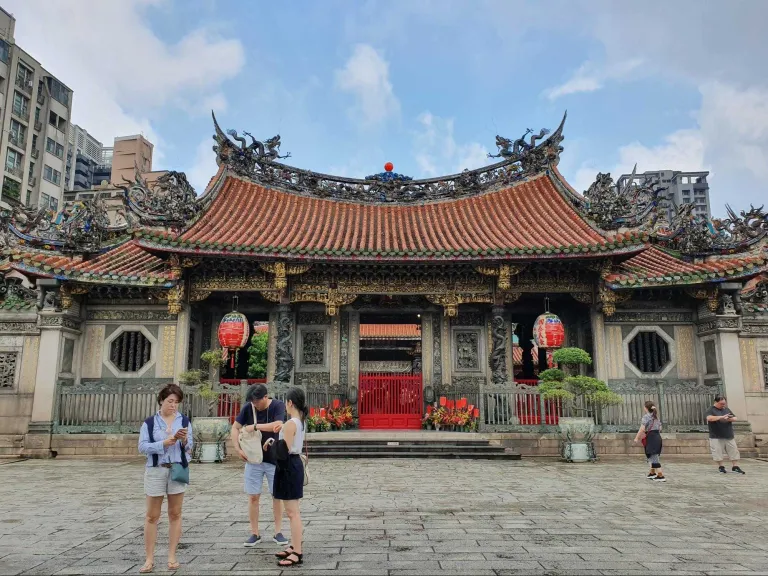
Image Credits: Alicia Chong
Built in 1738, Lungshan Temple is one of Taipei’s best-known religious landmarks. Although it has been damaged and rebuilt several times over the centuries, the temple remains an important place of worship and a striking example of traditional Taiwanese architecture.
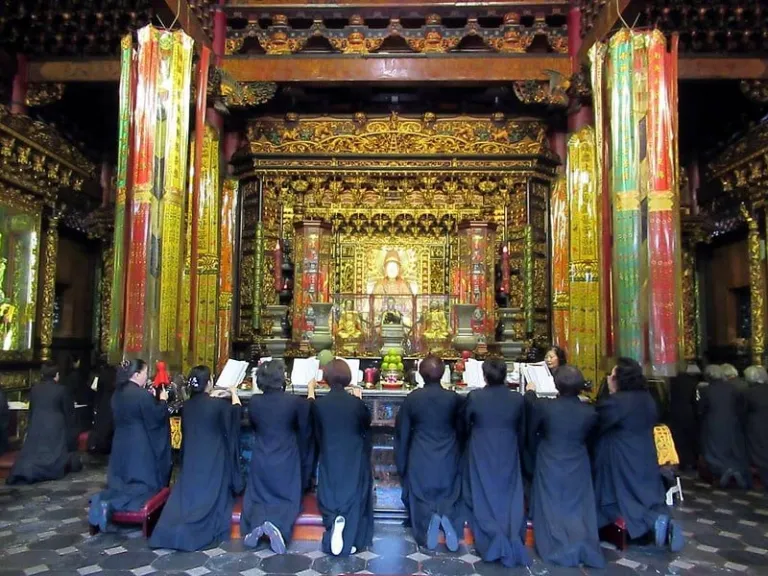
Image Credits: David Stanley
Its main deity is Guanyin, the Buddhist bodhisattva of compassion, but the temple also houses Taoist and Chinese folk deities. Among them is Yue Lao, the deity associated with love and marriage. Worshippers seeking romantic guidance often pray here and may receive a red thread after following the temple’s customary ritual.
Visitors are welcome to observe, but remember that Lungshan Temple remains an active place of worship. Keep your voice low and avoid obstructing devotees during prayers.
Address: No. 211, Guangzhou Street, Wanhua District, Taipei City
Nearest MRT: Longshan Temple Station
2. Red House in Ximending
Constructed in 1908 during the Japanese colonial period, The Red House was designed by Japanese architect Kondo Juro and originally served as a public market. Its distinctive complex comprises an octagonal hall and a cross-shaped building.
The heritage building has since been transformed into a creative and cultural venue featuring exhibitions, performances and shops showcasing work by Taiwanese designers. The surrounding Red House plaza is also closely associated with Taipei’s LGBTQ+ community and becomes especially lively in the evening.
Address: No. 10, Chengdu Road, Wanhua District, Taipei City
Nearest MRT: Ximen Station
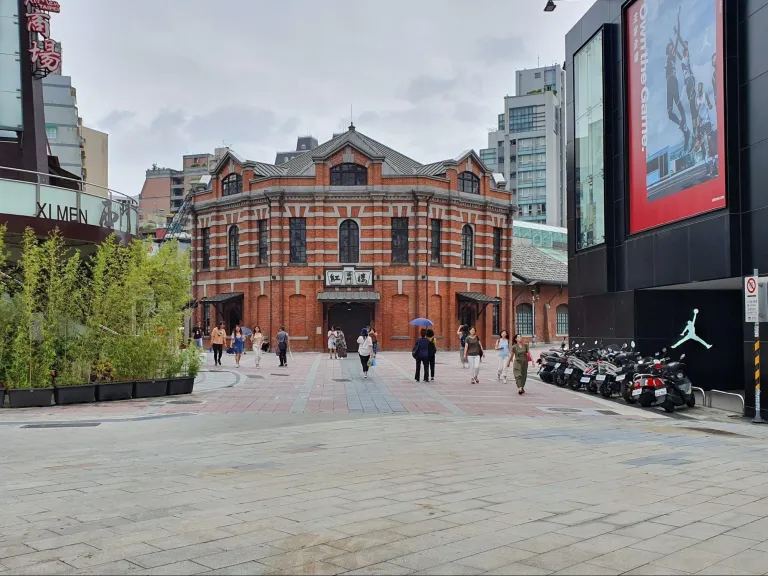
Image Credits: Alicia Chong
3. 228 Memorial Site
The 228 Peace Memorial Park commemorates the victims of the 28 February Incident, which began in 1947 and was followed by a violent government crackdown across Taiwan. The event and the subsequent White Terror period had a profound effect on Taiwanese society and its eventual transition towards democracy.
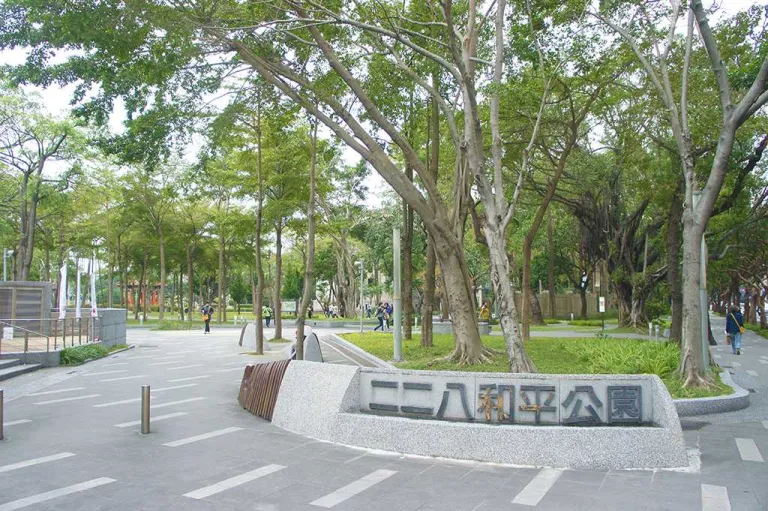
Image Credits: Taiwan Tourism Bureau
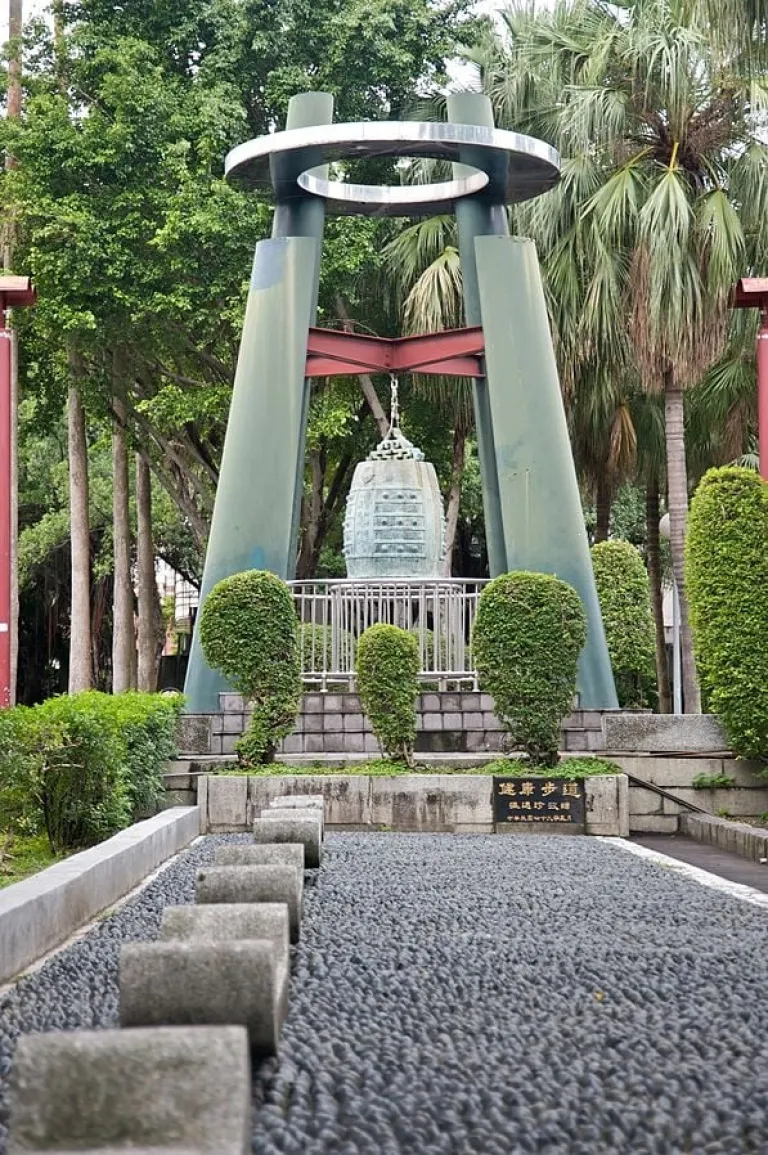
Image Credits: Wikimedia Commons
The park contains the February 28 Memorial Monument and the Taipei 228 Memorial Museum, where visitors can learn more about the incident and the people affected by it. The National Taiwan Museum, Taiwan’s oldest museum, also stands within the park.
Rather than treating this simply as another sightseeing stop, allow time to explore the exhibits and understand why the site remains so significant to Taiwan’s historical memory.
Location: Between Ketagalan Boulevard and Xiangyang Road, Zhongzheng District, Taipei City
Nearest MRT: NTU Hospital Station
4. Bopiliao Heritage Site
Bopiliao Historic Block preserves a collection of traditional shophouses and streets that reflect architectural influences from the Qing dynasty, Japanese colonial period and Taiwan’s post-war years.
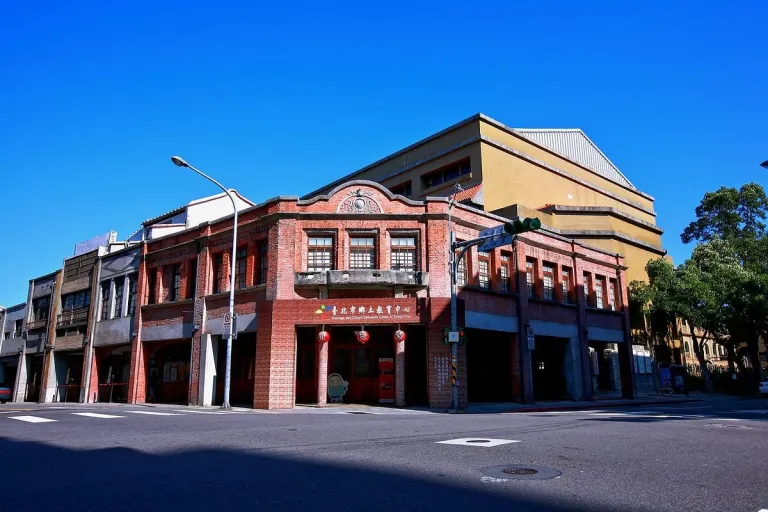
Image Credits: Wikimedia Commons
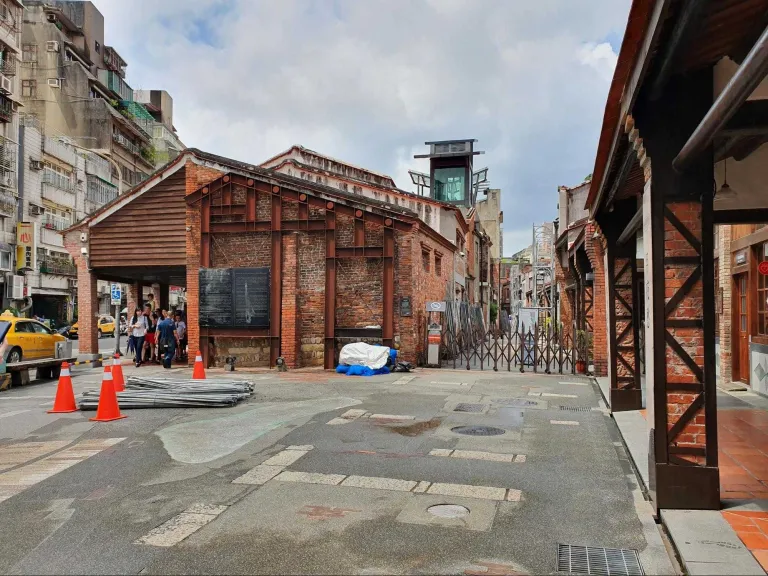
Image Credits: Alicia Chong
Its red-brick walls, arcades and narrow lanes have made it a popular filming and photography location, while exhibitions inside the restored buildings explore the history of the surrounding Wanhua district.
Entry is free, although the indoor exhibition areas are generally closed on Mondays.
Address: Lane 173, Kangding Road, Wanhua District, Taipei City
Nearest MRT: Longshan Temple Station
5. Chiang Kai-Shek Memorial Building
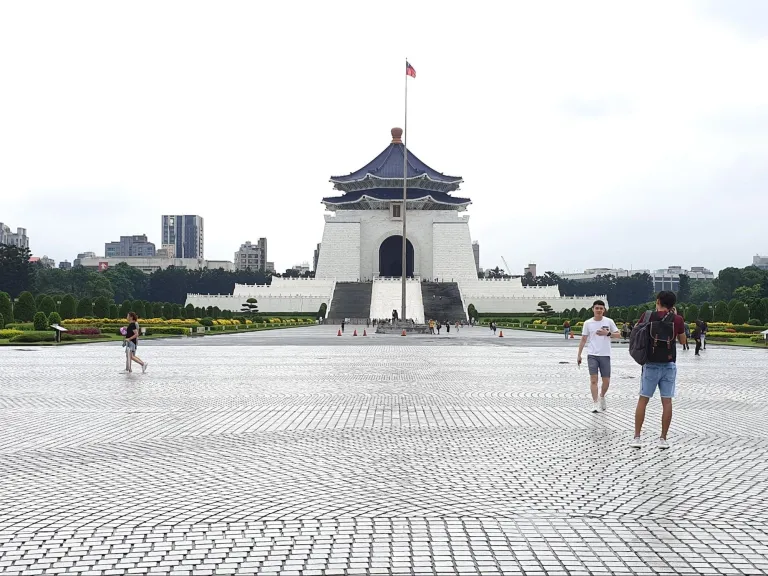
Image Credits: Alicia Chong
Completed in 1980, the National Chiang Kai-shek Memorial Hall was built in memory of former Republic of China president Chiang Kai-shek. The imposing blue-and-white structure stands at the end of Democracy Boulevard, overlooking the expansive Liberty Square.
Climb the 89 steps, representing Chiang’s age when he died, to reach the hall containing his large bronze statue. Exhibitions on the lower floors examine Chiang’s life, the Republic of China and Taiwan’s journey from authoritarian rule to democracy, offering a broader and more critical perspective on this period of history.
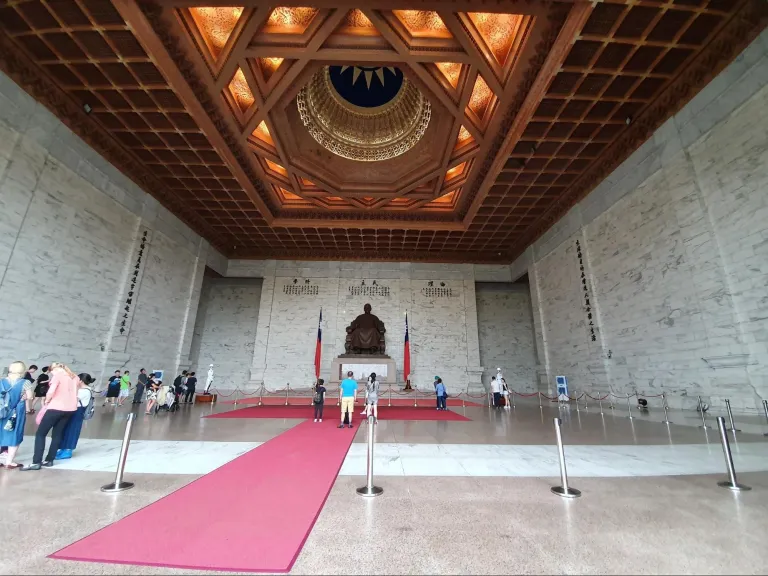
Image Credits: Alicia Chong
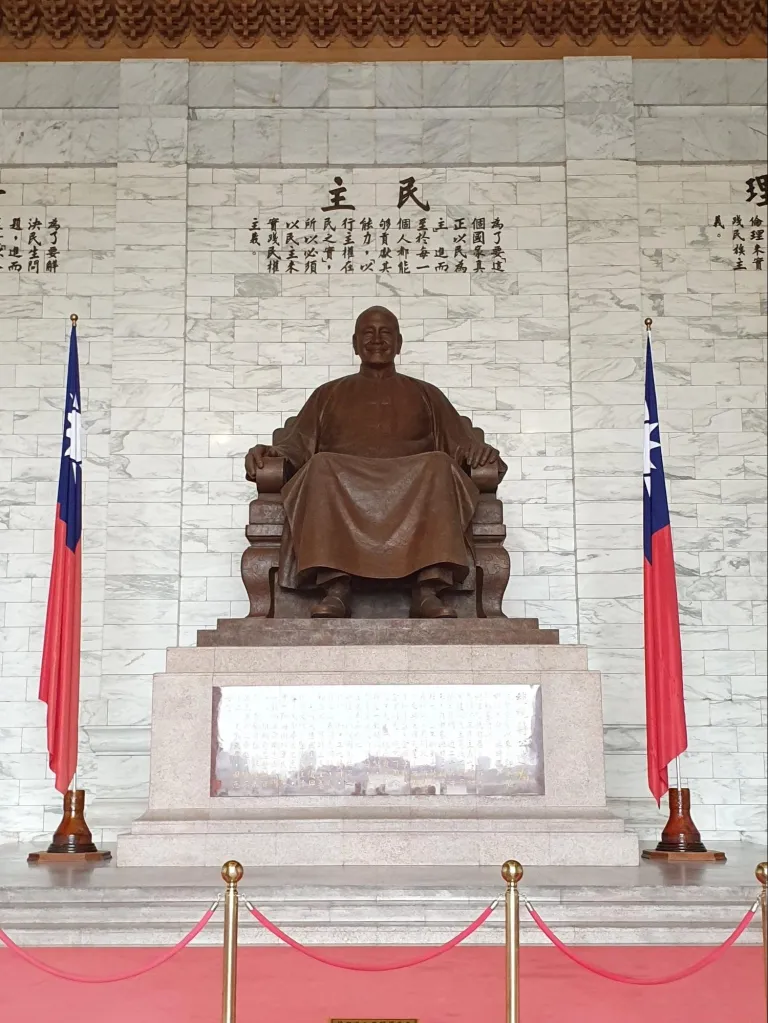
Image Credits: Alicia Chong
The military honour guard no longer stands inside the statue hall. Ceremonial patrols and drills are instead held hourly from 9am to 5pm on Democracy Boulevard in front of the hall, weather permitting.
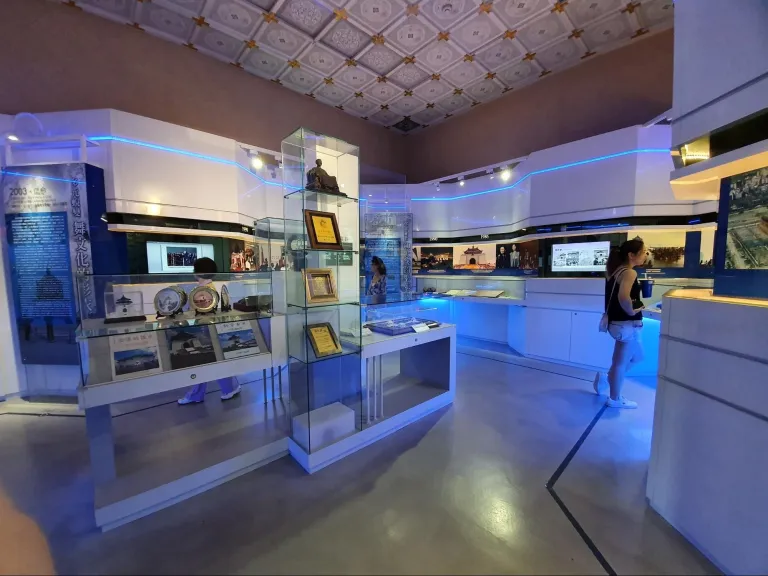
Image Credits: Alicia Chong
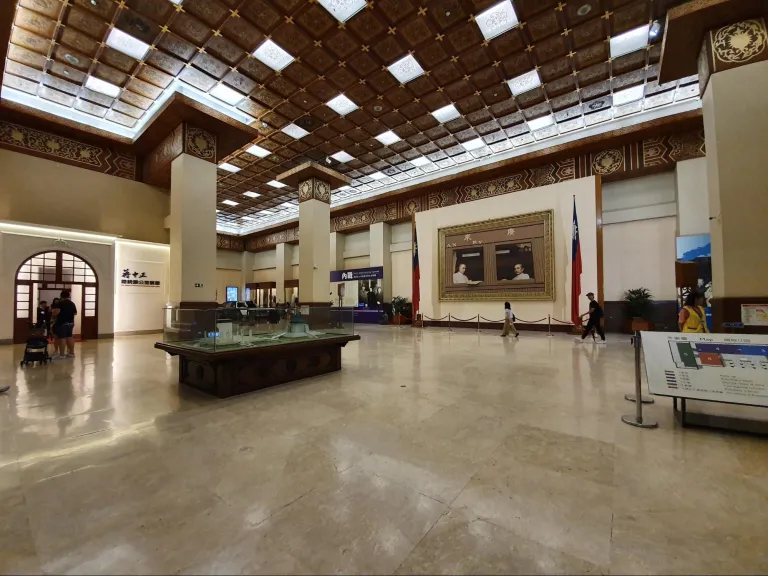
Image Credits: Alicia Chong
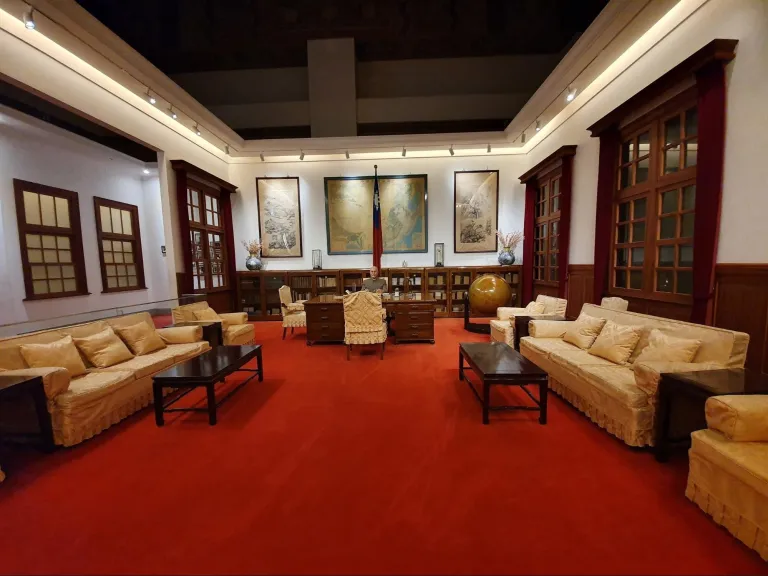
Image Credits: Alicia Chong
Also Read: The Best Bubble Tea Spots in Taipei
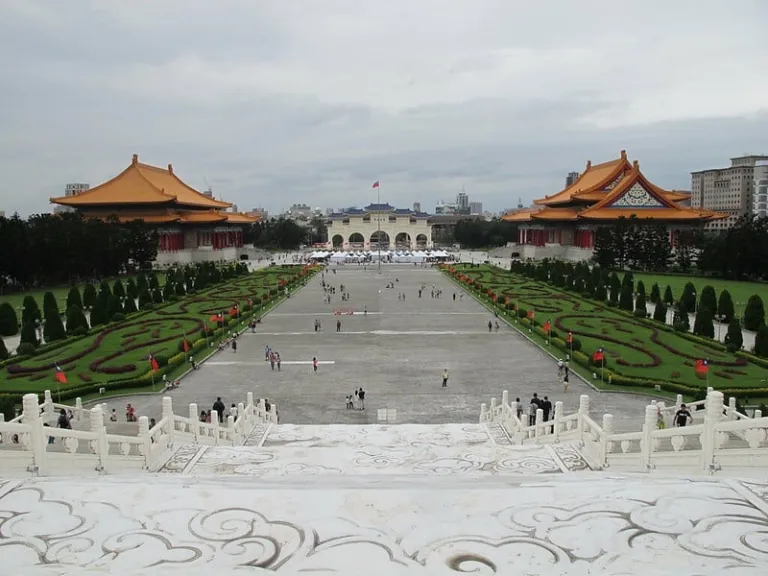
Image Credit: Gavin Anderson
A branch of Taiwanese teahouse Chun Shui Tang can also be found inside the National Concert Hall beside the square — a convenient place to stop for bubble tea after your visit.
Address: No. 21, Zhongshan South Road, Zhongzheng District, Taipei City
Nearest MRT: Chiang Kai-shek Memorial Hall Station
The next time you are in Taipei, look beyond its bubble tea shops, night markets and modern skyline. These historical sites offer a deeper understanding of the beliefs, communities and political events that helped shape the city — and Taiwan as a whole.

About Author

Besides dreaming of far-fetched locations, Alicia enjoys training herself and others on ice in figure skating.