Sudhiksha
Peak season once felt unavoidable. School holidays set the calendar. Annual leave followed fixed patterns. In 2026, travellers are rethinking that logic. They are choosing shoulder season instead. Shoulder season refers to the period between peak and low travel times, when demand softens, but destinations remain fully open and appealing.

The reasons are practical and persuasive. Prices drop noticeably, and crowds ease across major hotspots. The weather often feels more forgiving. Across Asia, shoulder-season travel delivers better value and a calmer pace, while still offering memorable experiences and cultural depth.
Also read: How to Travel Smarter in 2026: The 6–6–6 Rule Explained
The benefits of shoulder-season travel in Asia
Save money without sacrificing quality
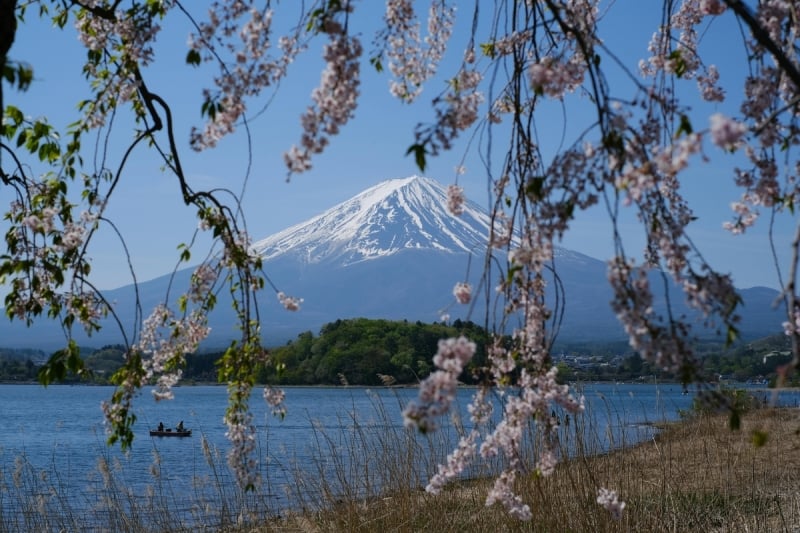
Image credit: Pexels via Canva Pro
Shoulder season brings meaningful savings. Airfares soften once demand dips and hotels adjust rates to stay competitive. In 2026, budget awareness is shaping travel decisions more than ever.
Japan illustrates this shift clearly. Late May and October avoid the premium prices of the cherry blossom and foliage seasons. Trains run smoothly, and cities feel accessible. In Bali, April and November typically offer lower villa rates and spa specials. Restaurants and beach clubs remain fully operational. Travellers spend less without feeling short-changed.
Avoid crowds while keeping the buzz

Image credit: Pexels via Canva Pro
Crowds affect how destinations feel. Long queues drain energy. Packed streets limit spontaneity. In 2026, travellers are choosing calmer moments to visit popular places.
For instance, Angkor in Cambodia feels more contemplative in June or September. Paths open up, and sunrise views feel less rushed. In Thailand, late May or early November reduces congestion in Chiang Mai and Phuket. Markets still bustle with life. You experience the rhythm without the pressure.
Enjoy more pleasant weather conditions
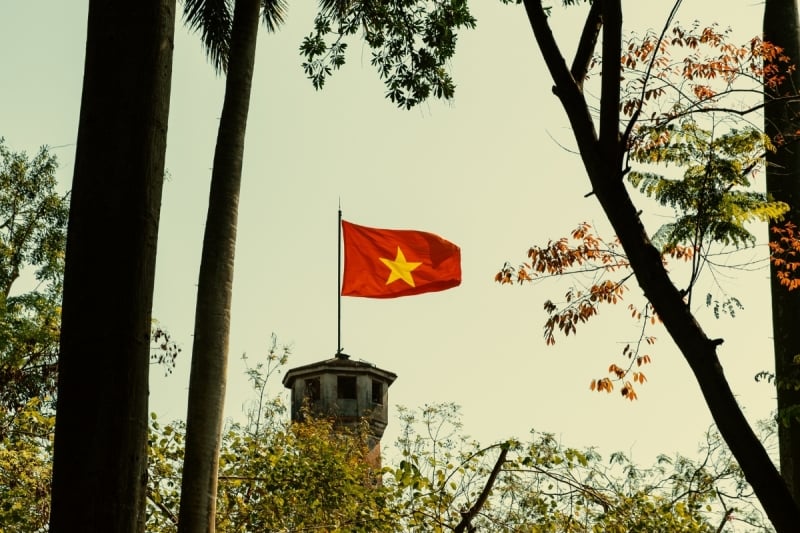
Image credit: Pexels via Canva Pro
The weather is playing an increasingly significant role in trip planning. Shoulder season often brings balance. Heat feels less oppressive. Rain usually arrives in short bursts.
An example is that Vietnam benefits from these transitional months. April and September suit central regions like Hoi An and Da Nang. Days stay warm, and skies remain bright. Sri Lanka also rewards careful timing. May and September suit different coasts, depending on monsoon patterns. In 2026, travellers are researching regional climates instead of relying on generalisations.
Experience cities at a slower pace
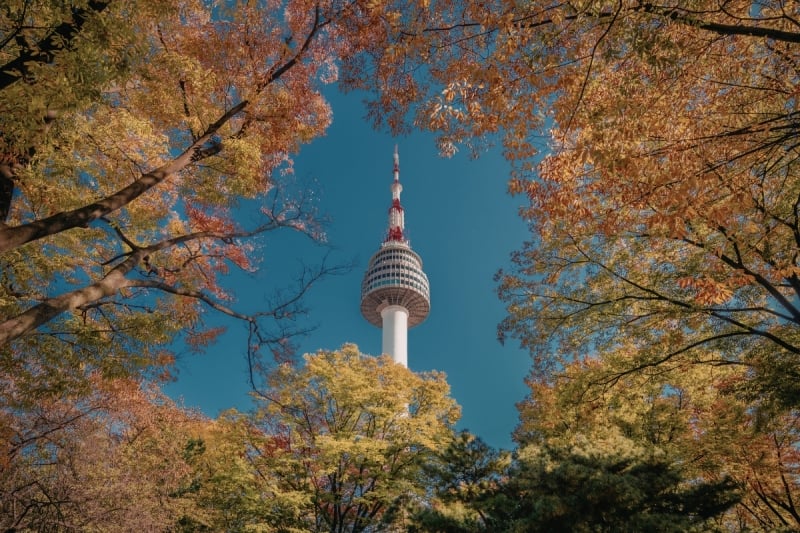
Image credit: Tunaru Dorin’s Images via Canva Pro
Cities reveal their character outside peak months. Streets feel easier to navigate. Locals seem more relaxed. Experiences feel less transactional.
Take Seoul in late spring and early autumn, with its mild air and vibrant colour. Neighbourhood cafés stay busy without feeling crowded. In Singapore, travel between February and April avoids festive congestion and heavier rainfall. Attractions feel accessible and walkable. Dining reservations become less competitive.
Discover nature without the rush
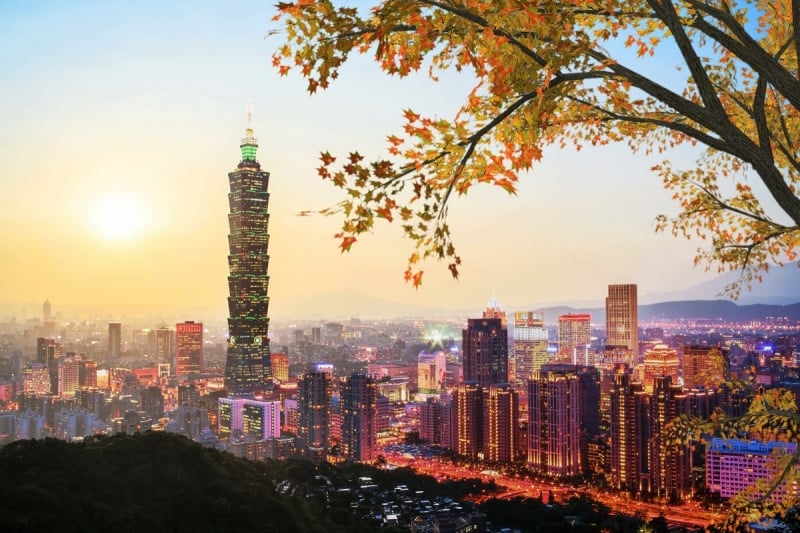
Image credit: Getty images Pro via Canva Pro
Natural attractions benefit greatly from shoulder-season travel. Trails feel quieter. Viewing platforms feel more open. Time feels less restricted.
In Taiwan, spring and autumn shoulder months suit a day trip to Taipei or taking a hike. Visibility improves, and temperatures remain comfortable. In Indonesia, visiting Komodo National Park outside peak months means calmer waters and fewer boats. Wildlife encounters feel more intimate. Nature becomes easier to appreciate.
Support local economies more evenly
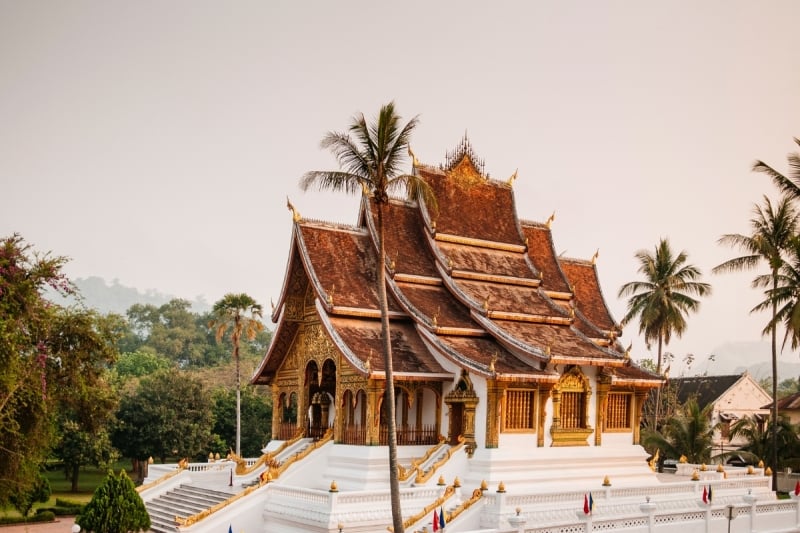
Image credit: Getty images via Canva Pro
Overtourism remains a challenge across Asia. Shoulder-season travel helps spread demand. In 2026, many travellers see this as a responsibility.
Smaller destinations gain the most. Luang Prabang sees most of its visitors during a few short peak periods. Travelling just outside these windows helps local guides, cafés, and guesthouses maintain steady business year-round. Experiences feel more personal, and service comes across as thoughtful and unhurried.
Travel with greater freedom and flexibility
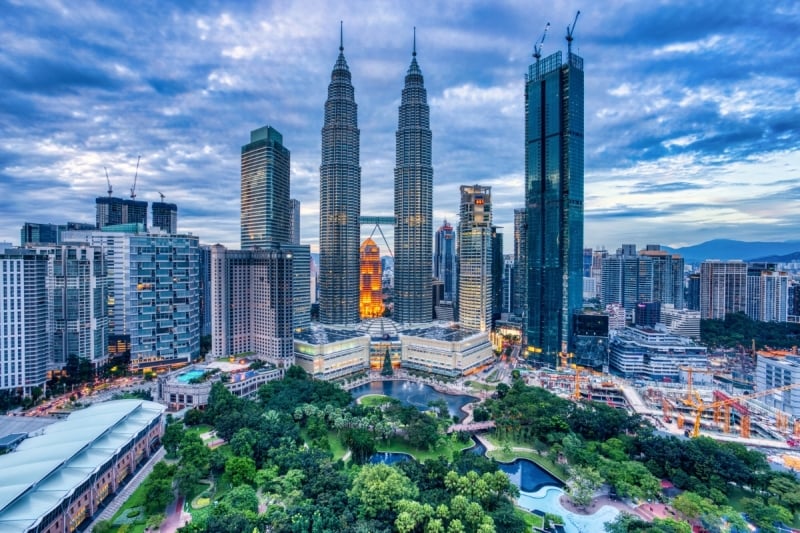
Image credit: Getty images via Canva Pro
Flexibility now defines modern travel. Remote work has reshaped schedules. Shorter, frequent trips feel more realistic. Shoulder season fits this mindset naturally.
Availability improves across transport and accommodation. Travellers can adjust plans easily. Extensions and upgrades become possible. In Malaysia, visiting Kuala Lumpur outside school holidays simplifies movement. Travel then feels fluid rather than rigid.
Also read: 13 Travel Packing Hacks Every Traveller Should Know
Change when you travel, not where
Asia has not lost its appeal. If anything, it feels more desirable than ever. What has changed is how people choose to experience it. Travel habits have evolved in response to rising costs, crowd fatigue and a desire for slower journeys. Shoulder-season travel in 2026 reflects smarter planning rather than compromise. Lower prices, fewer crowds and gentler weather increasingly align in ways that feel intentional and rewarding.
For travellers willing to rethink timing, Asia delivers generously. Landmarks feel more accessible. Cultural encounters feel less hurried. Flavourfull meals stretch longer without reservation pressure. The traditions remain deeply rooted. There is simply more space, more time and more clarity to enjoy every moment.