
How to Travel Smarter in 2026: The 6–6–6 Rule Explained
Here’s a new and smarter way to travel in this new year!

In 2026, smart travel is all about quality over quantity, and the 6-6-6 Rule is emerging as a simple, practical guide. The concept is easy to remember: choose destinations under six hours’ flight, stay for six nights, and centre your trip around six anchor experiences.
This approach keeps journeys manageable, reduces travel fatigue, and encourages a deeper connection with each destination. By focusing on a handful of carefully chosen experiences rather than racing from one sight to the next, the 6–6–6 Rule helps travellers make the most of their time, energy, and curiosity, creating trips that are both memorable and genuinely enjoyable.
Also read: Where to Spend Chinese New Year 2026 Without the Crowds
Why flying under six hours makes sense

Image credit: Sean Pavone via Canva Pro
Flights of under six hours strike a sweet spot. They are long enough to take you somewhere that feels genuinely different, yet short enough to avoid the fatigue that eats into precious holiday time. With less jet lag and fewer airport marathons, travellers arrive feeling ready to explore rather than recover.
From many global hubs, particularly in Europe and Asia, a six-hour radius opens up an impressive range of destinations. Think Istanbul from London, Kyoto from Seoul, or Tasmania from Melbourne. These journeys are also easier to repeat, making them ideal for travellers who prefer multiple shorter trips across the year rather than one long-haul escape.
There is a sustainability angle too. Shorter flights generally mean lower emissions, especially when travellers choose direct routes. In 2026, as airlines expand regional connections and travellers become more carbon-aware, the under-six-hours rule feels timely rather than restrictive.
Six nights is the Goldilocks stay, just right
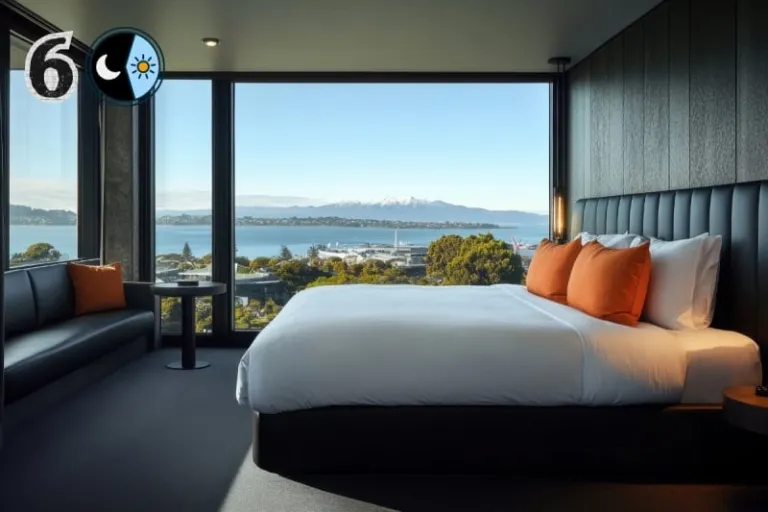
Image credit: any_tka via Canva Pro
Six nights may not sound radical, but it challenges two common habits: rushing through destinations or staying so long that novelty wears thin. A six-night stay offers enough time to settle into a rhythm without the pressure to see everything at once.
This length allows travellers to explore beyond headline attractions. You can spend a day wandering neighbourhood markets, another taking a slow train to a nearby town, and still have time for rest. Accommodation-wise, six nights often unlock better rates on boutique hotels or serviced apartments, making the stay both comfortable and cost-effective.
Crucially, six nights support a more mindful pace. In 2026, with burnout firmly part of the global conversation, holidays are expected to restore energy rather than drain it. Six nights encourage balance: exploration, downtime, and spontaneity can comfortably coexist.
The power of six anchor experiences
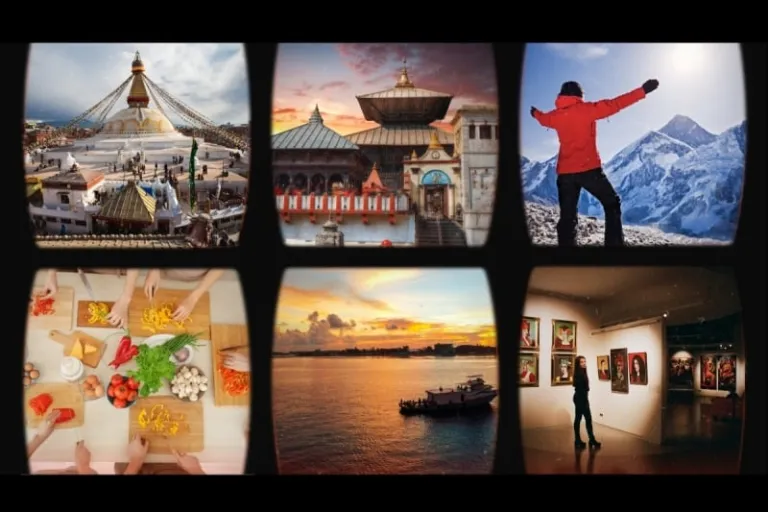
Image credit: Getty images via Canva Pro
The heart of the 6–6–6 Rule lies in the idea of anchor experiences. These are not exhaustive to-do lists but six meaningful moments that define the trip. They give shape to the journey while leaving room for the unexpected.
Anchor experiences vary by traveller. For one person, it might be a hands-on cooking class; for another, a sunrise hike or a contemporary art exhibition. The key is intention. By choosing six experiences in advance, travellers prioritise what truly matters to them rather than reacting to guidebook pressure.
This approach also helps with planning fatigue. Instead of juggling dozens of attractions, you build a trip around a clear framework. Everything else becomes optional: cafés stumbled upon, conversations with locals, afternoons with no plans at all.
Example: applying the 6-6-6 rule to a trip to Nepal from Singapore

Image credit: Getty images via Canva Pro
Here’s an example of how the 6-6-6 rule would work in 2026. Check out the itinerary below for a trip from Singapore to Nepal.
Fly under six hours
Direct flights from Singapore to Kathmandu take about 4.5 hours, keeping well within the 6–6–6 travel framework and making this an excellent choice for a deeply satisfying yet time‑efficient escape.
Spend six nights in one base
Stay six nights in central Kathmandu at The Dwarika’s Hotel, a highly regarded heritage property known for its authentic Nepalese architecture, tranquil courtyards, and attentive service. The setting feels peaceful yet is close to key cultural sites like the Durbar Squares and local markets, making it an ideal base for relaxed exploration.
Plan six anchor experiences
- Stroll through Kathmandu Durbar Square at leisure
Wander the ancient palaces and temples of this UNESCO World Heritage site, soaking in the history and artistry that define Nepal’s capital. - Pay respects at Swayambhunath, the Monkey Temple, at sunrise
A short early‑morning climb rewards you with sweeping valley vistas and a serene atmosphere before the crowds arrive. - Take a guided day trip to Bhaktapur
Explore this beautifully preserved medieval city with its brick courtyards, artisan workshops, and pottery square, a stark contrast to the bustle of central Kathmandu. - Hike to Nagarkot for Himalayan views
Just over an hour from Kathmandu, Nagarkot offers one of the best vantage points for sunrise or sunset over the Himalayan range, perfect for a scenic half‑day excursion. - Enjoy a cooking class or tea experience
Join a local chef for a hands‑on class to make momo dumplings or enjoy an intimate Nepalese tea tasting, connecting you to the culture through flavour. - Spend an evening in Thamel
Unwind by wandering Thamel’s lively streets, sampling momo stalls and cosy cafés that invite lingering conversation and people‑watching.
A framework, not a formula

Image credit: Getty images via Canva Pro
The appeal of the 6–6–6 Rule lies in its flexibility. It is a guideline, not a rigid checklist. Some trips may call for five nights, others for seven. The spirit of the rule is what matters: thoughtful distances, intentional pacing, and curated experiences.
For families, it offers structure without over-scheduling. For solo travellers, it provides focus while allowing freedom. For frequent flyers, it helps prioritise quality over quantity in an increasingly crowded travel calendar.
Also read: Travel Resolutions To Set for a Great Travel Year in 2026
2026 is the moment for 6–6–6 travel

Image credit: Chatchaithep via Canva Pro
As travel in 2026 continues to evolve, travellers are redefining what a successful trip looks like. Fewer people are impressed by how far someone has flown; more are interested in how deeply they have engaged. The 6-6-6 rule reflects this shift.
It aligns with broader trends towards slow travel, sustainable choices, and experience-led itineraries. Most importantly, it respects travellers’ time and energy, recognising that the best holidays are not measured in miles but in moments.
In a world that often pushes us to do more, the 6-6-6 rule offers a gentle counterpoint: travel slightly less far, stay just long enough, and choose experiences that truly anchor you to a place. For 2026, travel smart and use this as one of the smartest ways to see the world.

About Author

Fluent in three languages, Sudhiksha is always on a quest to learn more about the world around her. She enjoys collecting sunsets, street food, and stories from the nooks and crannies of different places. To her, every journey unearths a new way of seeing home.
Recommended Reads
Most Popular Destinations for Singaporeans in 2026
Editor's Pick
Mandarin Oriental Desaru Coast is Just 90 Minutes From Singapore
Johor Bahru (JB)