Sudhiksha
Sustainability in travel has moved well beyond token gestures. Today’s eco-resorts are being designed, built, and operated with long-term environmental and social impact in mind. From renewable energy systems to habitat restoration and community partnerships, these stays prove that responsible travel can still feel indulgent.
Also read: 7 Top Resorts in Bintan That Singaporeans Must Experience
Each of these resorts represents the current wave of eco-conscious hospitality, either through recent openings, major sustainability upgrades, or continued leadership in regenerative tourism.
Eco resorts worth checking out
Restoring marine ecosystems at Song Saa Private Island, Cambodia
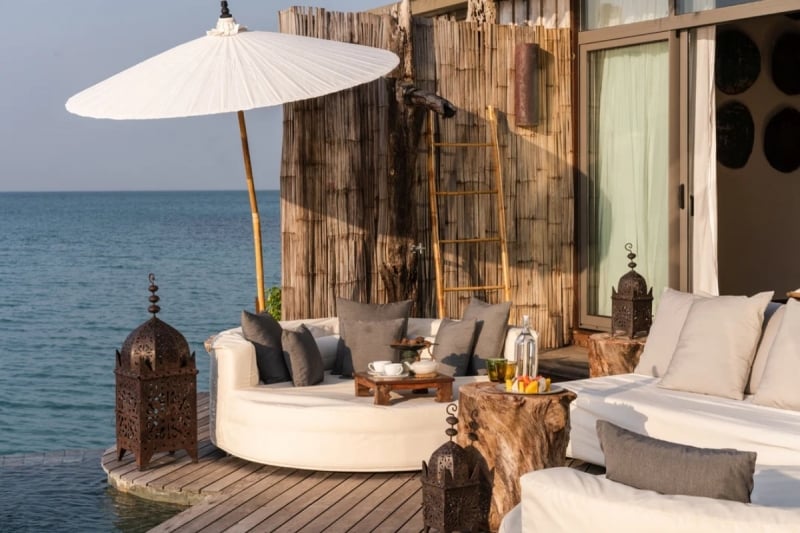
Image credit: Song Saa Private Island
Song Saa Private Island sits within a protected marine reserve in the Koh Rong archipelago. The resort was built using sustainable materials and operates with a strong emphasis on energy efficiency, water conservation, and waste management.
What sets Song Saa apart is its in-house marine conservation programme. Guests are invited to learn about coral reef restoration, seagrass protection, and marine life monitoring, making the stay as educational as it is luxurious.
Rewilding wetlands at Jetwing Vil Uyana, Sri Lanka
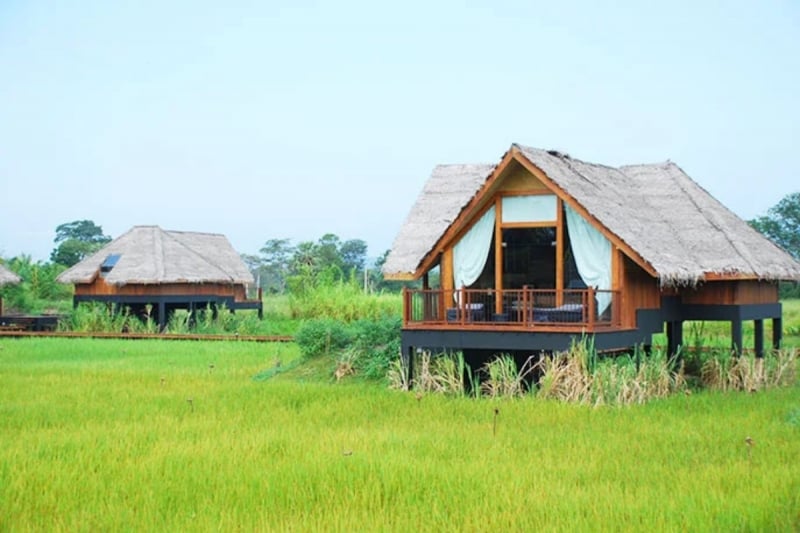
Image credit: Jetwing Vil Uyana
Jetwing Vil Uyana transformed degraded farmland near Sigiriya into a thriving wetland ecosystem. The resort integrates natural habitats such as reed beds and paddy fields directly into its design, allowing wildlife to return and flourish.
Beyond architecture, the property focuses on local employment and skills training. Its sustainability efforts continue to evolve, keeping it firmly relevant in today’s eco-travel landscape.
Empowering Indigenous communities at Chalalán Ecolodge, Bolivia
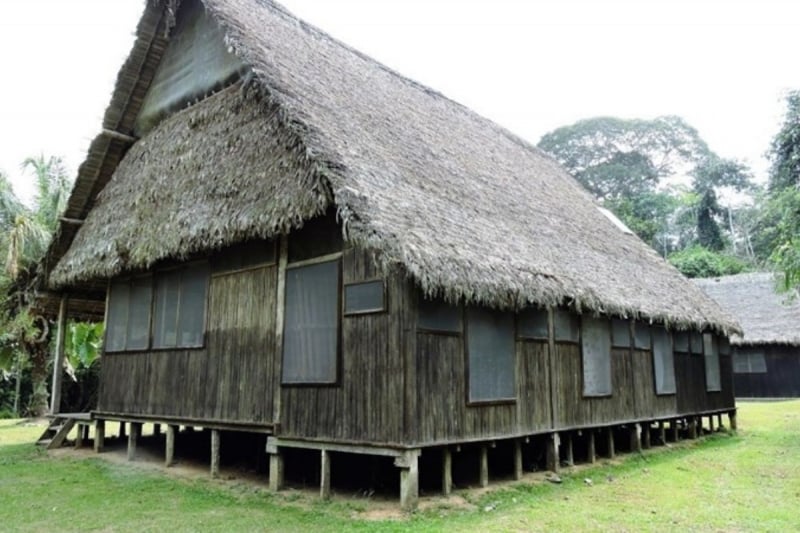
Image credit: Lost World Adventures
Located deep within Madidi National Park, Chalalán Ecolodge is entirely owned and operated by the Indigenous community of San José de Uchupiamonas. Traditional construction methods and solar energy help minimise environmental impact.
Tourism revenue directly supports education, healthcare, and conservation initiatives. For travellers, this translates into an immersive rainforest experience rooted in cultural exchange and stewardship.
Redefining barefoot luxury at Soneva, Maldives
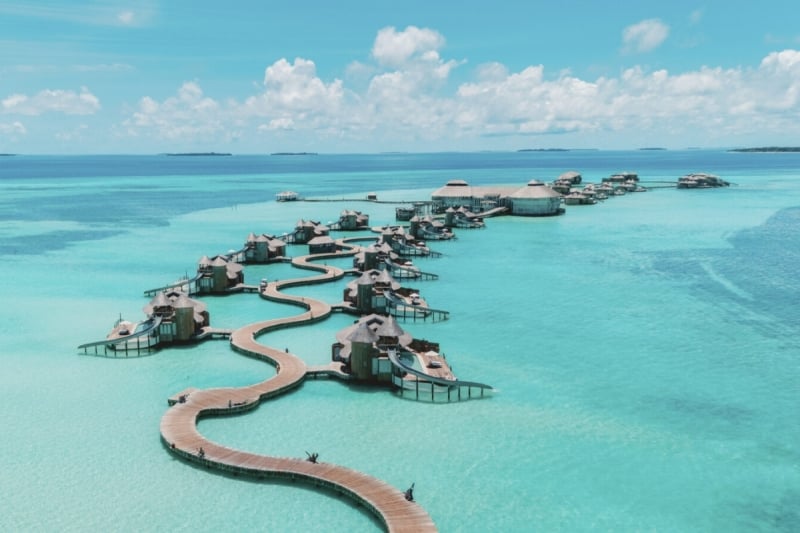
Image credit: Soneva Islands
Soneva’s Maldivian resorts have long been leaders in sustainable luxury. Their waste-to-resource centres recycle glass, plastic, and organic waste on site, while solar power supports daily operations.
The brand continues to push boundaries through coral regeneration, carbon offsetting, and education programmes. These ongoing innovations place Soneva firmly within the current eco-resort movement rather than the past.
Running entirely on clean energy at Islas Secas, Panama
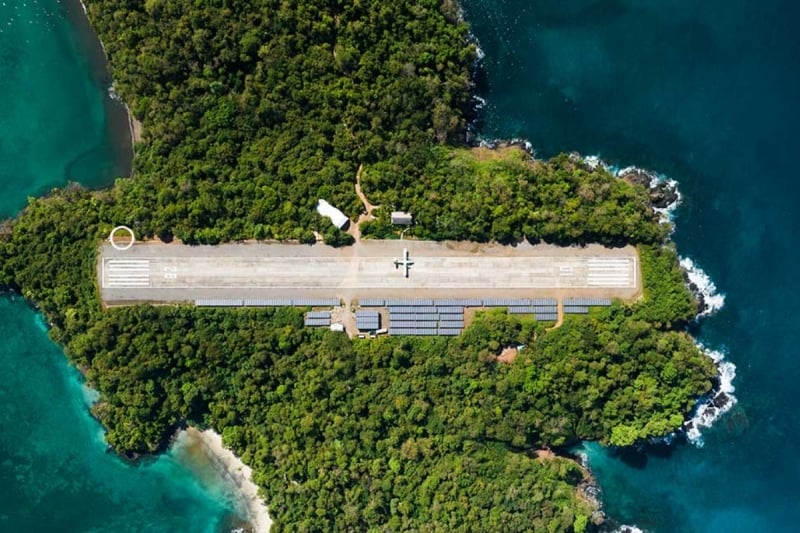
Image credit: Islas Secas
Islas Secas is a private island retreat powered almost entirely by solar energy. Water is desalinated on site, and strict development controls protect the surrounding rainforest and marine habitats.
Its proximity to Coiba National Park allows the resort to support scientific research and biodiversity protection. Guests experience exclusivity while contributing indirectly to large-scale conservation.
Protecting rainforest coastlines at Playa Cativo, Costa Rica
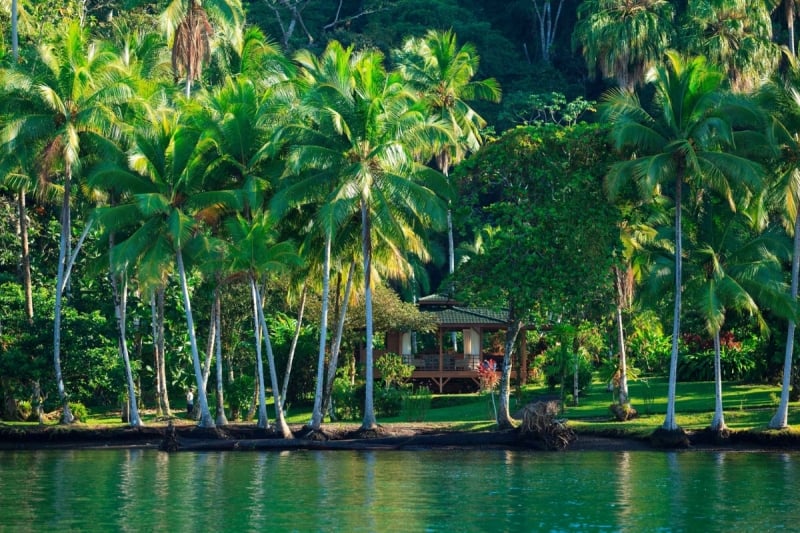
Image credit: Costa Rican trails
Accessible only by boat, Playa Cativo operates in one of Costa Rica’s most biodiverse regions. The resort uses hydroelectric and solar power and places tight limits on guest numbers to reduce environmental strain.
Organic farming, reforestation, and wildlife protection are part of daily operations. This approach aligns closely with Costa Rica’s national commitment to sustainability and conservation.
Achieving carbon neutrality at Bucuti and Tara Beach Resort, Aruba
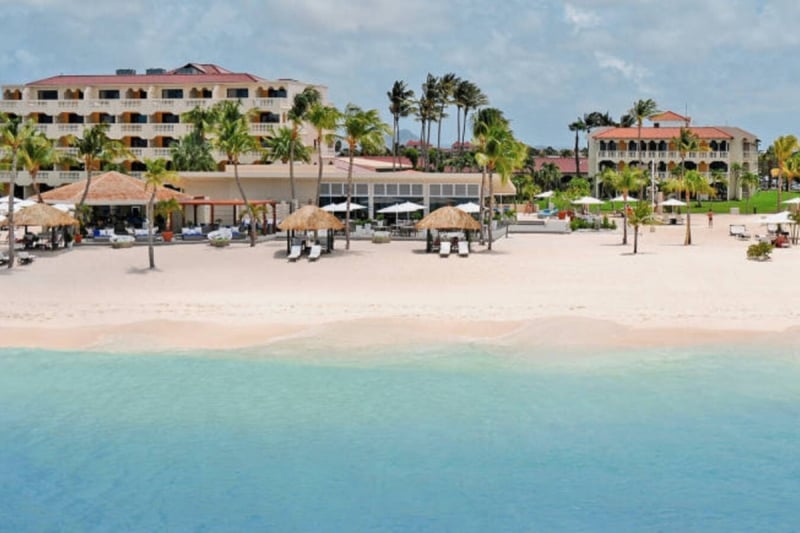
Image credit: The Hotel Guru
Bucuti and Tara Beach Resort has become a benchmark for sustainable hospitality in the Caribbean. It was the region’s first resort to achieve carbon-neutral certification through renewable energy and rigorous efficiency standards.
The resort also plays an active role in local environmental initiatives, including beach preservation and sea turtle protection. Sustainability here is treated as a long-term responsibility rather than a marketing feature.
Educating travellers at Jean-Michel Cousteau Resort, Fiji
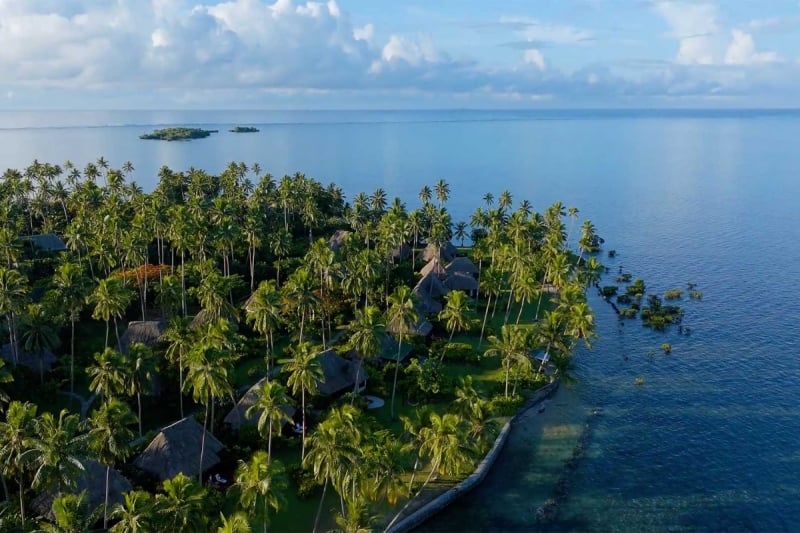
Image credit: fijiresort.com
This Fijian resort places environmental education at the heart of the guest experience. Marine biologists lead reef walks and conservation talks, helping visitors understand local ecosystems at Jean-Michel Cousteau Resort.
Built with traditional materials and staffed largely by residents, the resort balances cultural preservation with environmental responsibility. It remains a strong example of how eco-tourism can inspire awareness as well as relaxation.
Why this new wave matters
What defines this new wave of eco-resorts is not novelty alone but intention. These properties prioritise long-term environmental health, local livelihoods, and guest education alongside comfort and design.
For travellers, choosing resorts like these means supporting destinations that protect what makes them special. In an era of increasing climate awareness, eco-resorts are no longer niche. They are shaping the future of travel itself.
Also read:5 Island Getaways Near to Singapore That Will Blow Your Mind
Stay green, travel well
Choosing an eco-resort is more than a holiday decision; it is a way to leave a positive mark on the world while exploring it. Each of these destinations proves that sustainable practices and luxury experiences can go hand in hand.
From rainforest retreats to island hideaways, travellers now have the chance to relax responsibly, support local communities, and witness conservation in action. Staying green does not mean giving up comfort — it means travelling smarter, kinder, and with lasting impact.