


A magnitude 7.6 earthquake struck north-east Japan on 8 December 2025. The epicentre was located off the coast of Aomori Prefecture at a depth of roughly 50 kilometres. The Japan Meteorological Agency reported that parts of the region recorded an intensity strong enough to make standing difficult and cause heavy furniture to topple.
Residents described intense shaking, and images showed damage to buildings, including fallen objects, cracked walls, and broken glass. The quake reminded many locals of the country’s vulnerability as one of the world’s most seismically active nations.
A wave of evacuations with the Tsunami warning
Image credit: EPA
Authorities issued tsunami warnings for coastal areas in Hokkaido, Aomori, and Iwate. Forecasts initially suggested waves as high as 3 metres. This triggered large-scale evacuations, affecting tens of thousands of residents.
Small tsunami waves, mostly below one metre, were later recorded at several ports. No major inundation was reported, and warnings were eventually lifted. Officials urged residents not to return immediately, reminding them that secondary waves were possible.
Injuries and infrastructure disruption
Early reports indicated that at least 23 people were injured, including one severe case. Most incidents involved falling debris or collapsed structures.
Transport networks were disrupted. Bullet train services were suspended between Fukushima and Aomori, while power outages affected parts of Hokkaido and Tohoku. Engineers began assessing damage to infrastructure, but full restoration could take time in affected communities.
Government agencies set up emergency response centres to coordinate rescue efforts and damage assessments. Public messaging prioritised safety, urging residents and travellers to follow official instructions and avoid unnecessary movement.
What travellers need to know
Image credit: indahlestar29 via Canva Pro
Visitors travelling to northern Japan, particularly coastal areas, should monitor ongoing advisories. Although tsunami warnings have been lifted, authorities have warned that strong aftershocks are possible over the coming days.
Transport delays are likely, especially on the bullet train network. Travellers may experience cancelled or reduced services, and connections could take longer than usual. Accommodation in affected areas may also face temporary disruptions to utilities.
Practical travel tips for upcoming trips
Travellers planning upcoming trips can still visit Japan, but should exercise extra caution, especially if heading to regions near the epicentre. It is sensible to check official advisories for transport updates and weather information, and to expect possible delays or cancellations for trains and flights.
Building additional time into itineraries for transfers can help minimise stress, while confirming that accommodation in affected areas is operational ensures a smoother journey. Travellers should also verify that their insurance covers natural disasters and, if flexibility allows, consider temporarily rerouting to unaffected cities. Those already in Japan should avoid coastal areas until authorities confirm safety, and follow evacuation orders immediately if issued.
Japan’s resilience and preparedness
Japan sits along the Pacific Ring of Fire, a zone known for frequent seismic activity. The country has advanced building standards and robust emergency systems, which help to reduce casualties and support rapid responses.
For travellers, this means a visit to Japan remains generally safe, even in challenging times. However, awareness and preparedness are key. Accepting flexibility as part of the experience can make travel smoother and less stressful.
Should you travel to Japan now?
Japan remains open to international visitors, and the most popular destinations, including Tokyo, Osaka, Kyoto, and Nagoya, are operating normally. Travel to northern regions is still possible, but travellers should stay informed about rail operations and local conditions.
However, those with itineraries centred on Aomori, Iwate, or Hokkaido may want to reassess schedules until infrastructure stabilises. Travel agents and tour operators may be able to offer alternatives or refunds.
Final thoughts for travellers
Japan is one of the best-prepared countries in the world when it comes to natural disasters. The recent quake highlights both the power of nature and the efficiency of Japan’s response systems. For travellers, a mix of caution and curiosity can coexist.
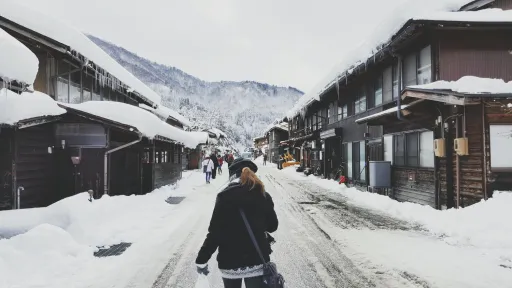
If you are planning a holiday soon, it is still possible to enjoy Japan’s winter landscapes, hot springs, and cultural highlights. Just travel informed, give yourself room to adapt, and prioritise safety over rigid plans.