
Authentic Experiences in the Philippines Travellers Won’t Ever Forget
Don't miss these experiences in the Philippines!

Mention the Philippines, and often people think of white sandy beaches, turquoise waters, and picturesque tropical scenery. While the Philippines has these in abundance, they represent only a small part of what makes the country a truly memorable destination.
Those who have frequently visited the Philippines will affirm that the most meaningful travel experiences aren’t often found in carefully curated tours or popular attractions. Instead, they are unearthed through the unassuming moments of everyday life: shared routines, genuine human connections, and little moments that leave lasting impressions.
From urban neighbourhoods to island communities in Coron and Boracay, the Philippines reveals itself most honestly when travellers slow down and observe life as it unfolds. Here are some authentic experiences that will draw you closer to the true charm of the Philippines.
Start your day with an authentic Filipino breakfast
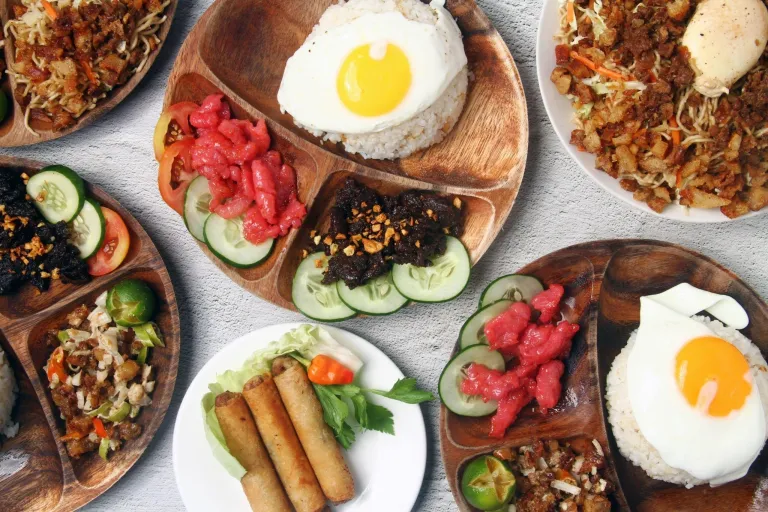 Image credit: shutterstock
Ask any well-travelled adventurer, and they’ll tell you that the key to understanding one’s culture starts with food. Not the fancy dishes served in restaurants, but the rustic street food found in tucked-away corners in the city. In Manila, instead of heading straight to a café or hotel buffet, explore neighbourhoods like Binondo, Maginhawa, and Poblacion for a Filipino-style breakfast crawl.
Start your day with taho, a warm street snack made from silken tofu, sweet syrup, and tapioca pearls, sold by vendors walking through residential streets. Follow it with pandesal. These soft, fluffy rolls are best enjoyed with a generous smear of butter, kesong puti (native cheese), or your favourite palaman filling, whether sweet or savoury.
For a heartier start, head to a nearby carinderia or small eatery and order a SiLog plate. Popular choices include tapsilog (tapa, sinangag, and itlog), longsilog (longganisa, sinangag, and itlog), chosilog (chorizo, sinangag, and itlog), bangsilog (bangus, sinangag, and itlog), and many other tasty variations like hotsilog or cornsilog.
This slow, casual breakfast routine introduces travellers to how locals actually start their day and offers a gentler, more intimate entry point into the city than rushing between landmarks.
Navigate Cebu’s oldest market to experience the daily life of Filipinos
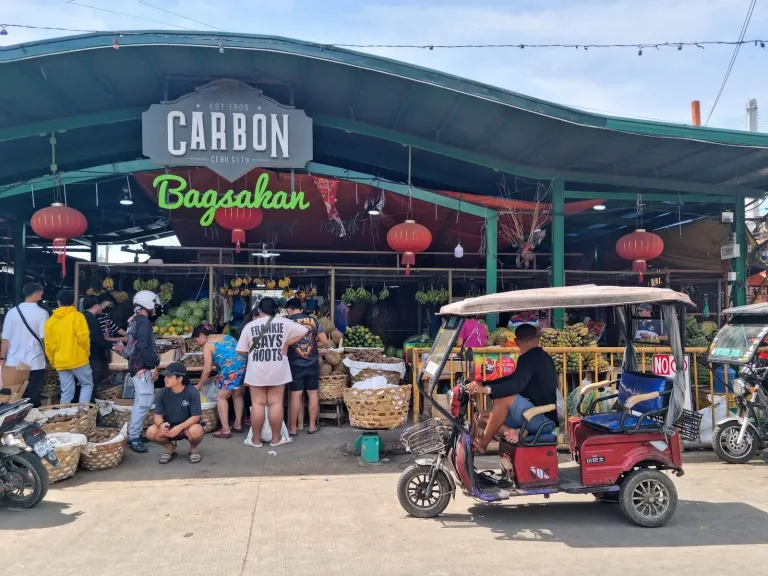 Image credit: Forever Vacation
If you want to understand how a destination really works, spend time at its local markets. In the Philippines, markets are not simply tourist attractions; they are essential daily spaces where locals buy groceries, eat quick meals, and catch up on neighbourhood news.
In cities like Cebu, markets such as Carbon Market, the city’s oldest and busiest public market, offer a lively introduction to local life. Walking through rows of silver-scaled fish, tropical fruits like sweet Cebu mangoes, marang or chico, and piles of “hanging rice” (pusô), travellers can engage directly with vendors and observe how locals go about their daily lives.
You can try buying a piece of fruit you don’t recognise and asking the vendor how locals eat it. Or, order a cooked meal from a small food stall and eat standing beside regular customers. Markets are also great places to pick up local snacks to bring along on day trips, making them both immersive and practical stops on your itinerary.
Discover traditional craft and culture in the cool mountain city of Baguio
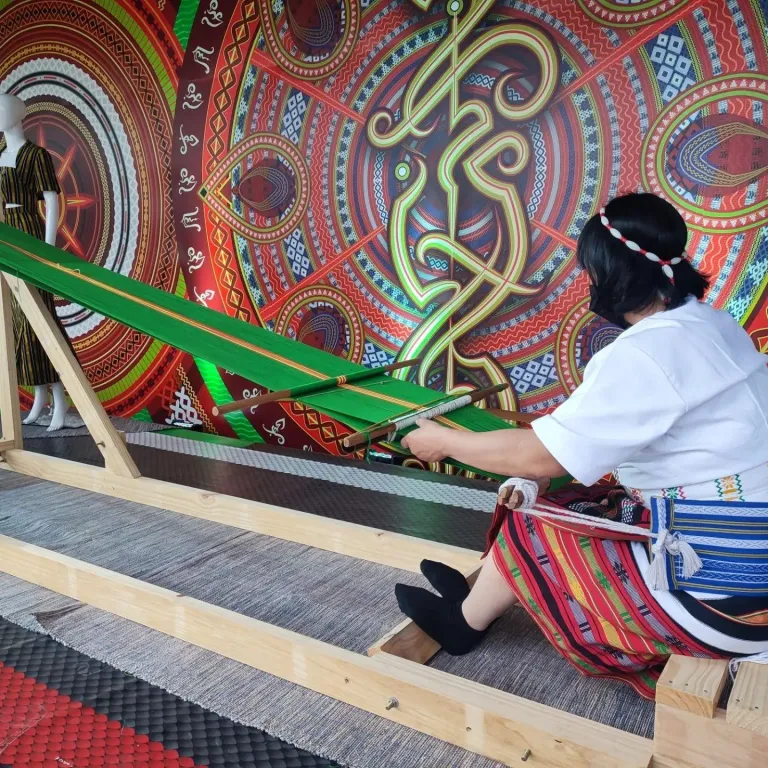 Image credit: Easter Weaving,Inc | Official Facebook Page
Travelling north to Baguio feels like stepping into a different side of the Philippines altogether. With its cooler climate and mountain setting, Baguio is a refreshing break from coastal destinations and a stronghold of indigenous Cordillera culture.
Beyond strolling through the city centre, travellers can visit markets and small workshops selling handwoven textiles, wood carvings, and silver jewellery made by local artisans.
You could also visit the Easter Weaving Room or the artist colonies in Tam-awan Village, which allows travellers to witness the rhythmic clacking of wooden looms that have survived centuries of change. These textiles are not mere souvenirs; they are woven narratives of indigenous identity, with every pattern and colour representing the flora, fauna, and folklore of the highlands.
Experience Coron beyond the famous lagoons
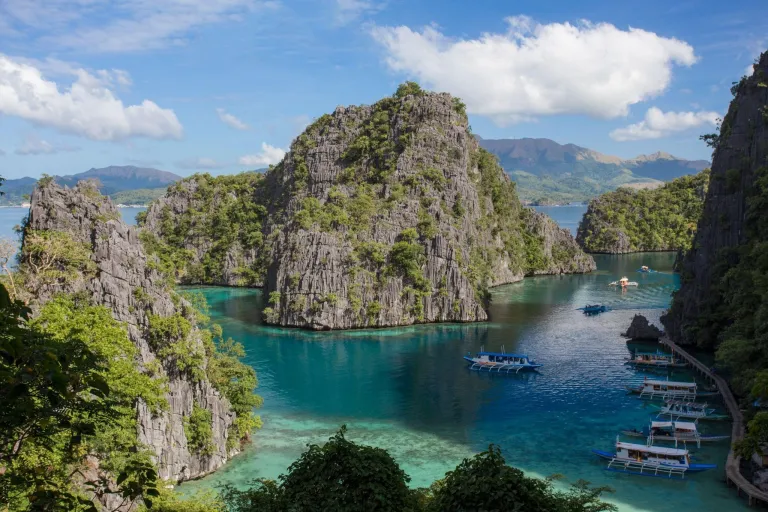 Image credit: Tourism Promotions Board Philippines
While Coron is celebrated for its emerald lagoons and dramatic limestone cliffs, there is another side to the destination that many travellers discover beneath the surface. Beyond the tranquil waters lies a lesser-known chapter of history, one that dates back to World War II.
Coron is home to several sunken warships from the 1940s, remnants of a Japanese fleet that now rest on the seabed. Joining a guided snorkelling trip allows travellers to learn about these historic sites while exploring nearby waters, as guides explain how the wrecks have gradually transformed into artificial reefs.
This experience is uniquely Coron. It combines natural beauty, history, and marine life in a way few destinations can replicate, offering more depth than standard island-hopping routes.
For a quieter, more grounded experience in Coron, spend a morning near the town’s shoreline rather than heading straight to a boat tour. Early in the day, fishermen prepare nets, repair boats, and sort their catch. Travellers can observe this routine, chat with locals, or visit the nearby public market where seafood is sold just hours after being caught.
Explore Boracay’s inland villages by Kitesurfing
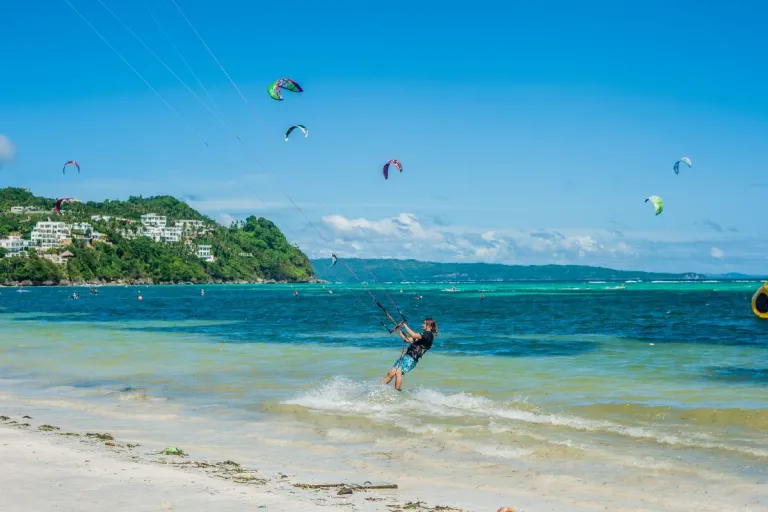 Image credit: galitskaya via Canva Pro
Most visitors experience Boracay on foot along White Beach. To see a different side of the island, hire an electric tricycle (e-trike) and head inland.
Ask the driver to take you through residential barangays, local schools, and neighbourhood markets. Stop at small eateries serving Filipino comfort food or watch locals go about their daily routines away from the beachfront.
This short ride reveals how Boracay shines as a community, not just a resort island, and helps travellers appreciate the contrast between tourist zones and everyday life. You can also make a detour to Bulabog Beach, renowned as one of Asia’s top kiteboarding destinations, where colourful kites fill the sky and add a dynamic contrast to Boracay’s calmer shores.
Try island hopping with a local touch in Palawan
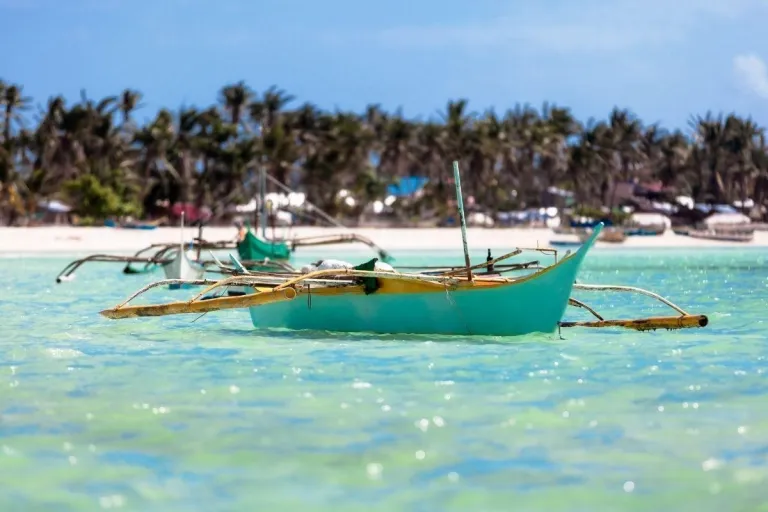 Image credit: Marc_Osborne via Canva Pro
To experience the true soul of northern Palawan, opt for smaller, locally operated island-hopping trips rather than large group tours. These journeys often visit quieter beaches and allow for more flexibility depending on sea conditions. Real authenticity is found by heading toward the quieter reaches of Linapacan or the outskirts of Taytay, where the best way to see the islands is to hire a local fisherman and his traditional bangka.
Instead of checking out overcrowded lagoons, you head out with a local fisherman who plans the route based on his knowledge of the area. In Taytay, this might lead you to the majestic Elephant Island, a striking limestone monolith rising from the sea, or the pristine shores of Isla Blanca, a dazzling white sandbar that feels like a private mirage in the middle of the ocean. You can even anchor at the historic Fort Santa Isabel, where the 17th-century coral-stone walls tell the story of a town built to withstand pirate raids.
You might spend a morning learning the patience required for hand-line fishing or an afternoon sharing a meal of grilled sea bream on a nameless stretch of white sand. In these moments, the silence of the ocean is only broken by the stories of the fishermen.
Slow down with a rural stay or homestay experience
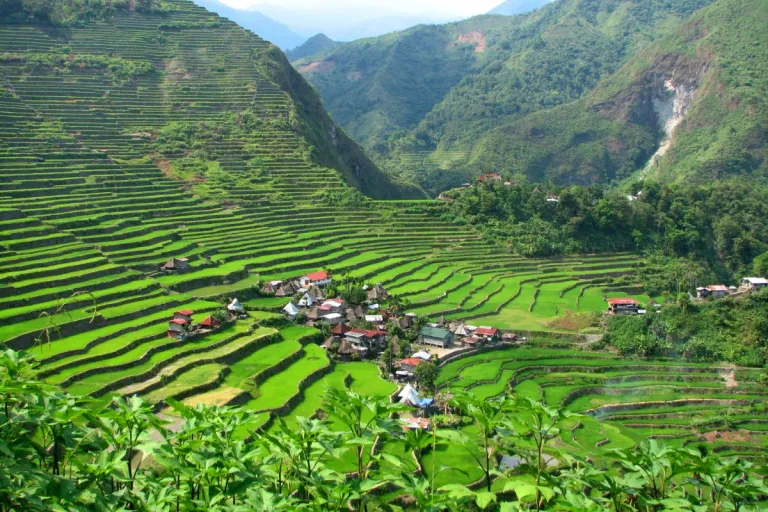 Image credit: jonaldm via Canva Pro
To understand the Philippines beyond its cities and beaches, spending time in a rural community offers a perspective that no day tour can replicate. In places like the rice-growing regions of Ifugao in northern Luzon, staying overnight in villages near Banaue or Batad introduces travellers to a way of life shaped by farming cycles and shared routines rather than schedules.
A rustic escape here is simple but immersive. Mornings begin early, often with hosts preparing meals or heading out to tend the rice terraces. Travellers may accompany them on short walks through the fields, learning how irrigation systems that date back centuries still support daily life today. Evenings are quiet, spent sharing home-cooked meals and conversation rather than entertainment. These experiences are not curated performances. They are a part of everyday life, and that is precisely what makes them memorable.
Understand Filipino culture through home-cooked meals
 Image credit: Sri Widyowati via Canva Pro
While Filipino food is easy to find in restaurants, its meaning becomes clearer in a home kitchen. In many parts of the country, especially in provincial towns and rural areas, meals are still prepared communally, with family members contributing in small ways.
Joining a home-style cooking session allows travellers to see how dishes are built from simple ingredients and adjusted by taste rather than recipe. A dish like adobo, often considered the national favourite, varies from household to household depending on how much vinegar, soy sauce, or garlic is used.
Meals are then served family-style, with everyone sharing from the same spread and guests encouraged to eat more than they intended. This is Filipino hospitality at its most natural, and for many travellers, it becomes one of the most emotionally grounding parts of the trip.
Time your trip with local festivals and celebrations
 Image credit: Tourism Promotions Board Philippines
Festivals in the Philippines are a gateway into the country’s culture and heritage, offering a front-row view of what matters most to each community. Rooted in religious devotion, harvest traditions, and local history, these celebrations bring streets to life with colour, music, and ritual. Travelling during a festival reveals the Philippines at its most vibrant, turning a trip into a deeper cultural encounter shaped by shared pride and tradition.
In January, cities like Cebu come alive during the Sinulog Festival, where the streets fill with rhythmic dancing, processions, and crowds celebrating the Santo Niño. While the main parade draws visitors, some of the most memorable moments happen in smaller neighbourhoods, where families open their homes to guests and food is shared freely.
In February, Baguio’s Panagbenga Festival brings colour to the mountain city with floral displays and street performances, complementing its craft markets and cool-weather atmosphere.
Encountering a fiesta like this places travellers inside a living tradition rather than in front of a staged show. Even brief participation offers insight into Filipino values of faith, generosity, and community pride.
Why these experiences make the Philippines so easy to love
What makes these journeys truly remarkable is how they serve as a gateway into an entirely different world. Travelling through the Philippines isn’t just about a change in geography; it is an invitation to step into a realm of unique and magical experiences that stay with you long after you leave.
From the vibrant pulse of local markets and the heritage of mountain crafts to the simple, rhythmic beauty of everyday life in Coron and Boracay, the Philippines invites you to step beyond the lens of a tourist and into the heart of a living culture.
These experiences do more than just fill an itinerary; they become the stories you tell for a lifetime, weaving the magic of the islands into your own. Start planning your journey today and let the Philippines surprise you!
Brought to you by Tourism Promotions Board Philippines

About Author

Darren enjoys travelling, photography and good food. He loves cultural experiences and exciting adventures and is no stranger to travelling alone. When he's not putting his travel experiences into words, he's probably sitting behind his laptop, planning his upcoming adventure.
Recommended Reads
10 Best Cafés in Cebu for Your Next Coffee Crawl
Philippines
Important Things To Keep In Mind When Travelling to The Philippines
Sustainable Travel