
Why You Should Book Japan Now: Three Compelling Reasons to Visit in 2026
China-Japan tensions have marked a notable decrease in Chinese tourist arrivals in Japan. It's a rare opportunity to visit with fewer crowds.

Just came back from Japan and looking to go back soon? How can you be blamed when it's safe, the locals are friendly and polite, and it's clean (bonus points for fans of Japanese culture). Here are three reasons why 2026 is shaping up to be the best time to book your trip to Japan.
Also read: 10 Must-Visit Prefectures in Japan That Are Waiting to Be Explored
Context Of This Unique Opportunity Window
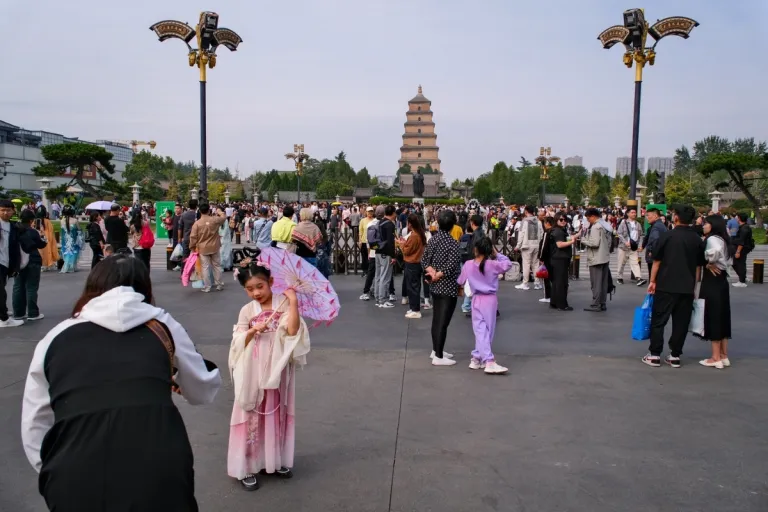 Image credit: Francisco Anzola
Japan's tourism landscape has shifted dramatically in recent months, and savvy Singaporean travellers stand to benefit. Following Prime Minister Sanae Takaichi's November 2025 comments about potential military deployment if China invaded Taiwan, Beijing responded with escalating travel advisories. Consequently, Chinese tourist arrivals plummeted 61% in January 2026, leaving just 385,300 Chinese visitors that month. This diplomatic fallout has triggered Japan's first overall visitor decline in four years: down 4.9% to 3.597 million in January. As a result, it has created an unexpected opportunity for Southeast Asian visitors to the country. Here are three good reasons to visit Japan in the first half of 2026 in the wake of Takaichi's announcement.
Reason One: Fewer Crowds
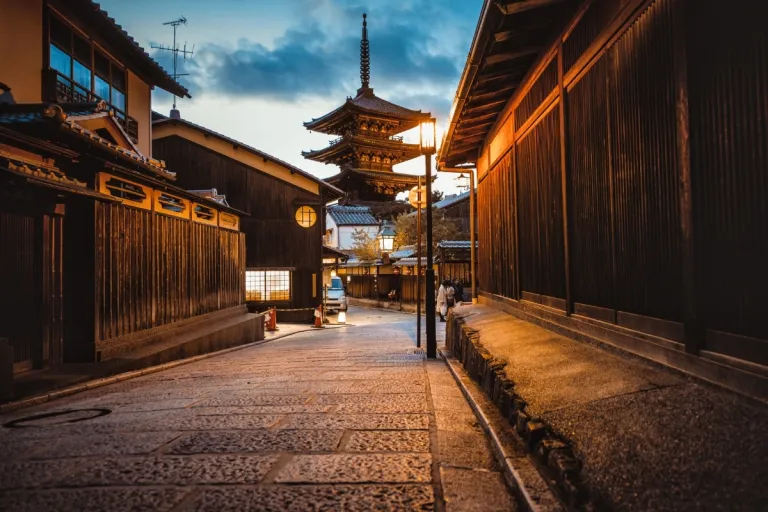 Image credit: Oneinchpunch via Canva Pro
For years, Singaporean travellers like you and I have had to navigate shoulder-to-shoulder through crowds at Kyoto's temples, Tokyo's shopping districts, and Osaka's street food alleys. However, the current situation has changed the game entirely. With Chinese arrivals down significantly and over 50% of Chinese hotel bookings cancelled, Japan's most popular destinations finally have breathing room.
Chinese tourists previously accounted for roughly 21% of Japan's total inbound tourism revenue. Therefore, their sudden absence has noticeably thinned crowds across the country. Additionally, Chinese airlines have cancelled dozens of routes from major cities, with flight cuts extending through at least March 2026. This means popular spots like Shibuya Crossing, Fushimi Inari Shrine, and Universal Studios Japan are significantly less congested than they've been in years.
Furthermore, duty-free department stores that were once packed now offer a more leisurely shopping experience. You'll actually be able to browse cosmetics at Don Quijote or examine electronics in Akihabara without being swept along by crowds.
Reason Two: Better Value for Money
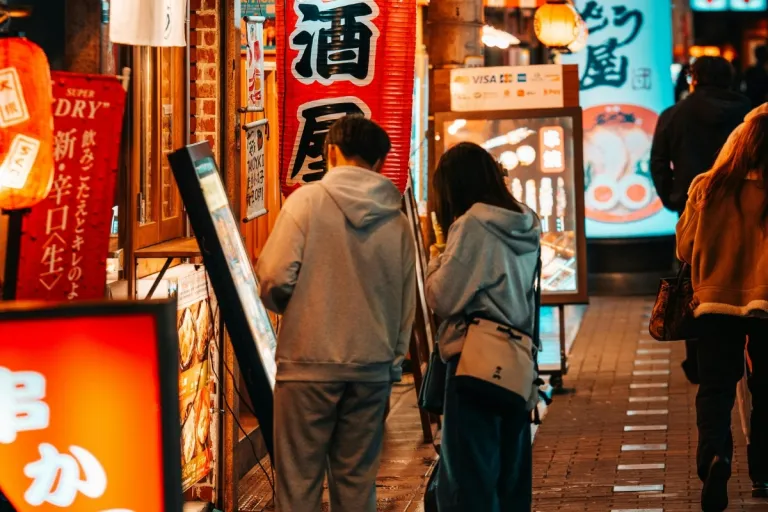 Image credit: Sarmat Batagov
The reduced demand has triggered competitive pricing across accommodation and services. Hotels that previously saw 50% of their Chinese bookings cancelled are now offering attractive rates to fill rooms. Moreover, duty-free department store sales have fallen sharply, prompting retailers to launch promotions targeting remaining tourist markets.
Flight prices from Singapore have also become more competitive. While Chinese airlines have slashed Japan routes, Southeast Asian carriers are maintaining strong connections. Meanwhile, Japan's largest travel agency JTB has revised its full-year 2026 forecast down to 41.4 million visitors—a 3% drop from 2025's record 42.7 million. This softer demand environment translates into better deals for flexible travellers.
Additionally, restaurant reservations at sought-after establishments are easier to secure. Those omakase spots and ramen joints that were impossible to book? They're suddenly available again.
Reason Three: Japan Wants Southeast Asian Visitors
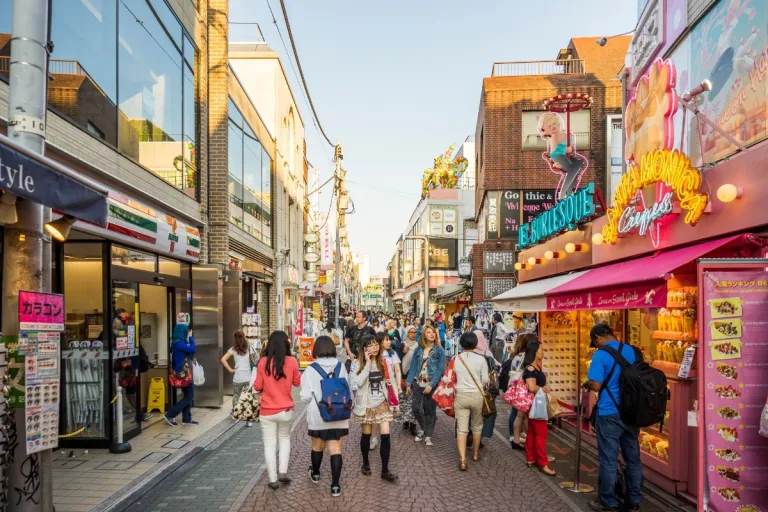 Image credit: visualspace via Canva Pro
Japan is actively courting Southeast Asian markets to offset Chinese tourist declines. Indeed, the numbers show this strategy is already working—visitors from Taiwan grew 17%, the US increased 14%, and Southeast Asian countries showed strong growth in January 2026. South Korean arrivals even hit a record 1.18 million, up 22%.
This pivot means Japanese tourism authorities are increasingly focused on making Southeast Asian visitors feel welcome. Consequently, expect more promotional campaigns, improved English and multilingual signage, and tailored experiences for regional travellers. Singapore's strong passport and established travel relationship with Japan position us perfectly to capitalise on this shift.
Furthermore, analysts estimate Japan could lose up to US$9 billion in visitor spending if cancellations persist through 2026. The tourism industry knows it needs to compensate, and that means rolling out the red carpet for markets like Singapore.
Also read: Top 10 Places to Visit in Fukuoka, Japan You Need to Add to Your Itinerary
The TLDR
With diplomatic tensions showing no signs of resolution and senior economists warning recovery could take over a decade, these conditions will likely persist throughout 2026's first half. For Singaporeans seeking authentic Japanese experiences without the overwhelming crowds and premium prices, now is genuinely the moment to go. This Chinese boycott creates a perfect storm of opportunity, promising thinner crowds, better value, and increased focus on Southeast Asian visitors. So don't wait: go ahead and book that Japan trip for your next long weekend!

About Author

Her motto is "experience everything at least once". An adrenaline junkie at heart, she is always down for spontaneous adventure, especially to exotic destinations. She finds the most meaningful aspect of travel is cultural immersion, and talking to locals is an underrated travel hack.
Recommended Reads
8 Must-Visit Temples in Kyoto
Culture & Heritage
Geisha Hunting in Kyoto: How to Spot a Real One
Culture & Heritage