
Winter Weather Wreaks Havoc in Europe, Disrupting Travel
Here’s what you need to know before making travel plans to Europe

An intense spell of winter weather has swept across central and eastern Europe. The freezing rain and ice led to widespread transport disruption during the peak winter travel season. For travellers across Asia planning winter holidays in Europe, the situation is a stark reminder of how volatile cold-season weather can upend itineraries.
Also read: Six Travel Trends That Will Make 2026 Your Most Memorable Year Yet
The latest updates on the weather crisis in Europe
How the freeze began and its escalation
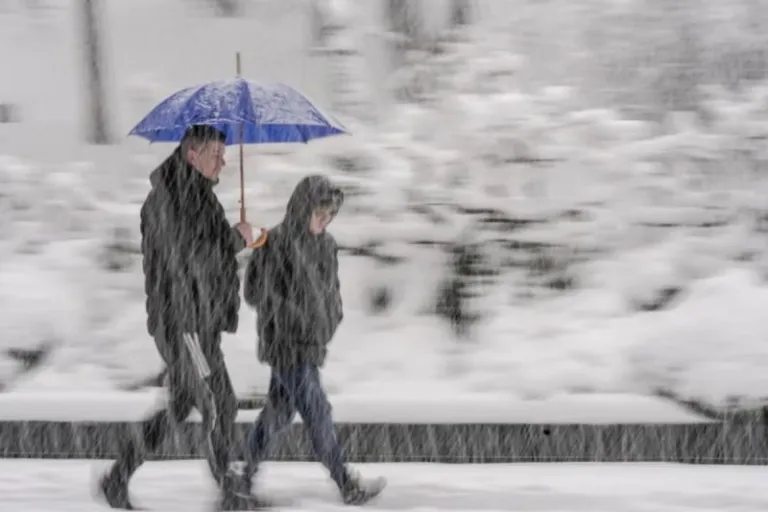
Image credit: Anadolu via Getty Images
The disruption began on Monday, 13 January, when freezing rain moved into parts of central Europe. Cold air sat close to the ground while warmer, moisture-filled air flowed above it. This contrast caused rain to freeze on contact, creating black ice on roads, pavements, and airport runways. Early on, authorities reported scattered delays and slower traffic, but conditions already showed signs of worsening.
By Tuesday, 14 January, the situation escalated rapidly. The icy system lingered longer than expected and spread eastwards. Repeated waves of freezing rain strained de-icing operations, while overnight temperatures dropped further below zero. Ice thickened across transport infrastructure, forcing airports, rail operators, and road authorities to suspend or limit services. What began as a manageable disruption quickly turned into widespread travel chaos across central and eastern Europe.
Airports, trains, and roads feel the strain
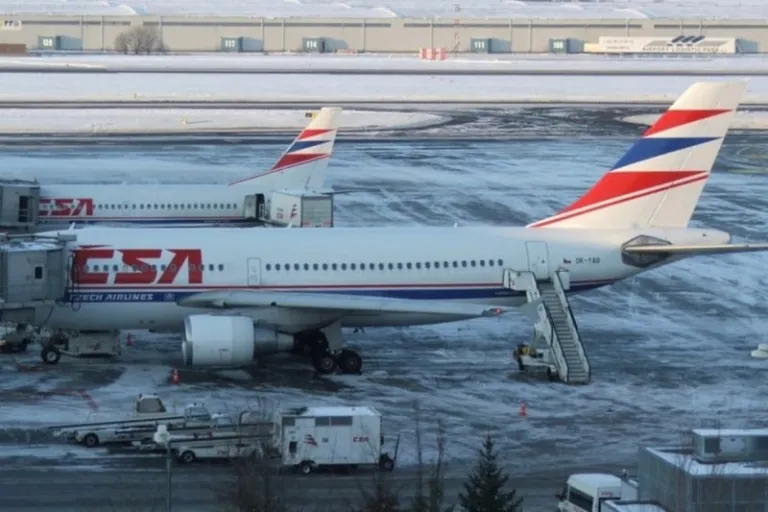
Image credit: Hynek Moravec via WikiCommons
Across Austria, the Czech Republic, Slovakia, Hungary, and beyond, airports have been hit hard by a wave of freezing rain that glazed runways in black ice. This forced them to close temporarily. Flights were instead diverted to Munich and Frankfurt.
Vienna International, Budapest Ferenc Liszt, and Bratislava airports all saw operations suspended or severely delayed. In addition, Prague’s Vaclav Havel Airport limited arrivals and departures as ground crews battled icy conditions. Even long-haul travellers felt the effects, as delays in European cities rippled across international flight networks.
In parts of eastern Germany and neighbouring countries, roads turned treacherous with ice and snow, leading to highway closures and accident risks. Tram services in Budapest were disrupted by accumulating ice.
Rail travel also suffered. Ice interfered with tracks, switches, and power lines, slowing or halting services. Road conditions deteriorated just as quickly. Police warned of dangerous driving conditions, while officials urged people to avoid non-essential journeys. In some areas, schools shifted to online learning as travel became unsafe.
What is the current situation for travellers in Europe?
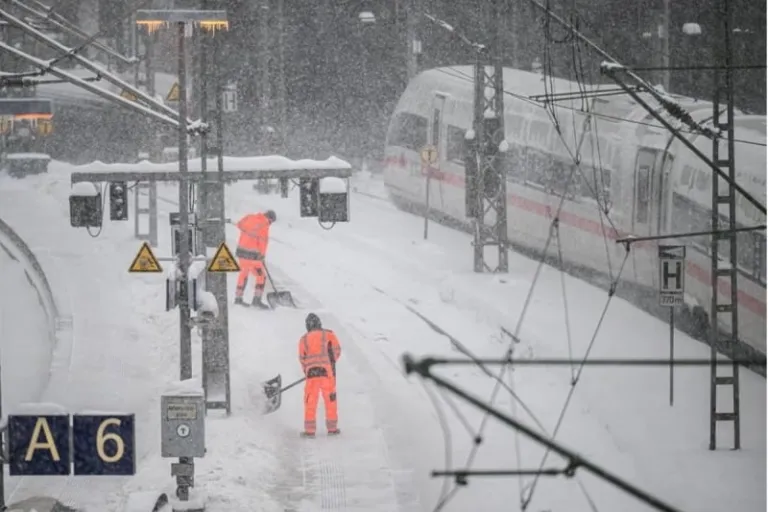
Image credit: Daniel Reinhardt via Getty Images
Travellers across parts of central and eastern Europe remain affected, even as conditions slowly improve. Airports have reopened, but delays and cancellations persist as airlines clear backlogs and reposition aircraft. Many passengers face longer waits, rebooked flights, and rerouted connections, especially through major European hubs. Authorities continue to advise travellers to check flight and rail updates before setting out.
Surface transport also remains unreliable in some areas. Trains and buses still run behind schedule as crews work to clear ice from tracks and roads. Officials urge travellers to postpone non-essential journeys where conditions stay hazardous. While the worst of the freezing rain has passed in some locations, recovery takes time. For travellers already in Europe, patience and flexibility remain essential as transport networks return to normal.
Meteorologists link these events not only to typical winter cold fronts but also to larger atmospheric dynamics. The Arctic air masses plunge southwards and meet moist systems feeding snow and ice across broad swaths of Europe. Such interactions can produce intense freezing rain episodes that challenge even well-prepared transport infrastructure.
Why this matters for travellers from Asia
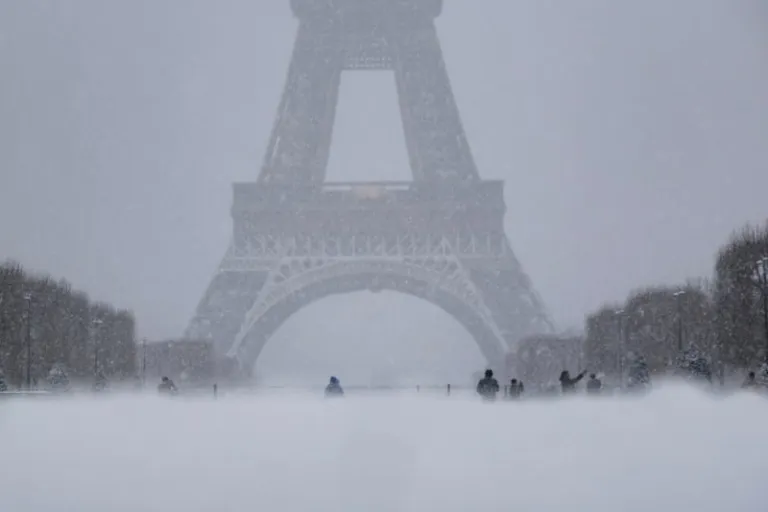
Image credit: Ludovic Marin via Getty Images
Although the disruption is unfolding far from Asia, its impact reaches global travel networks. For instance, many travellers from Singapore transit through European hubs on the way to other destinations. Delays in one city can easily cascade across multiple connections.
For those planning winter holidays in Europe, flexibility becomes essential. Tight itineraries leave little room for weather-related delays. Extra transit time can make the difference between a smooth journey and a missed connection. Monitoring airline alerts and airport updates also helps travellers respond quickly as conditions change.
Preparation remains key for winter travel. Travellers should pack footwear with proper grip, as freezing rain makes walking hazardous even in major cities. Travel insurance that covers weather-related disruption can help offset unexpected accommodation or transport costs.
More broadly, the disruption reflects increasingly volatile winter patterns across Europe. Sudden cold snaps and freezing rain events now affect wider regions and last longer than expected. Europe’s winter charm remains strong, from snow-dusted cities to festive markets. But as this episode shows, smart planning and realistic expectations turn winter travel from a gamble into a manageable adventure.
Also read: How to Travel Smarter in 2026: The 6–6–6 Rule Explained
Stay informed and safe on your European trip
Europe’s winter charm remains, from snow-dusted cities to festive markets, but extreme weather can quickly disrupt even the best-laid plans. Travellers from Asia should stay informed, monitor alerts, and allow extra time for connections.
Packing the right gear, keeping travel insurance up to date, and embracing flexibility can turn potential chaos into part of the adventure. With preparation and patience, winter travel in Europe can still be memorable and magical.

About Author

Fluent in three languages, Sudhiksha is always on a quest to learn more about the world around her. She enjoys collecting sunsets, street food, and stories from the nooks and crannies of different places. To her, every journey unearths a new way of seeing home.
Recommended Reads
6 Epic Train Journeys Starting from Singapore: To Bangkok, Korea & Even Europe
Cruises & Land Journeys