
Six Travel Trends That Will Make 2026 Your Most Memorable Year Yet
It’s time to chart your course for 2026 with these 6 trends!

Travel in 2026 is set to be more personal, immersive, and flexible than ever before. Gone are the days when a vacation was just about visiting famous landmarks or ticking off cities on a map. Today’s travellers are seeking experiences that reflect who they are, their lifestyle, and their passions. They want trips that feel meaningful, memorable, and uniquely theirs.
This shift is changing the way we plan, book, and enjoy travel. From the way we choose flights and hotels to how we explore cities, every step of the journey is becoming more tailored to the individual. Some travellers now bring their pets along, while others chase the latest pop culture phenomena or explore cutting-edge technology in global innovation hubs.
Also read: The Best Places to Visit in Taiwan for a Family Holiday
From furry companions to pop culture pilgrimages, here are six trends that are shaping the way we travel this year:
The six travel trends shaping the year ahead
1. Bring your dog along on vacation

Image credit: TrueCreatives via Canva Pro
Pets are part of the family, and travellers do not want to leave them behind. Traveling with a dog is no longer a hassle. Airlines, hotels, and travel services now make pet-friendly trips simple and comfortable. Some hotels offer dedicated check-ins for pets, special room setups, and loyalty rewards for four-legged guests.
For example, Kimpton Hotels in the United States welcomes pets with treats, beds, and even a pet-friendly room service menu. Comfort and inclusivity matter as much as convenience. Pet owners can enjoy their trips without compromise. In 2026, a vacation with your dog is easier than ever.
2. Travel planning becomes a creative adventure

Image credit: Horea Ionescu via Canva Pro
One-click bookings are out. Travellers now mix AI tools, social media, and online reviews to create trips that feel unique. Tools like Expedia’s Trip Matching let users turn Instagram reels or TikTok videos into full itineraries. This approach sparks creativity and lets travellers feel in control.
For instance, a traveller in Singapore can browse Instagram reels of Bali beaches and food spots and instantly create a complete itinerary with Trip Matching. Travel planning is no longer just about flights and hotels. It is about crafting a journey that reflects your personality and interests.
3. Non-stop flights put new cities on the map
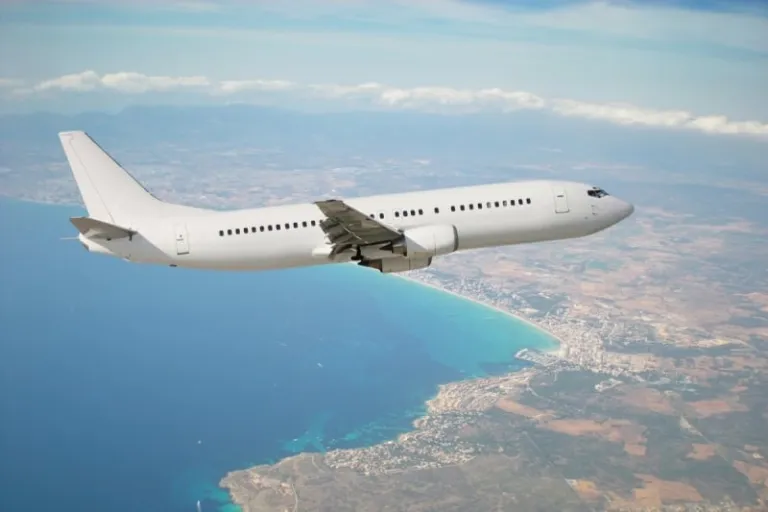
Image credit: Getty images via Canva Pro
Direct flights are changing global travel. Long-haul jets now connect cities that were once hard to reach. This saves time and reduces stress. Budget airlines and premium carriers are testing new nonstop routes. Smaller cities are becoming easier to explore and more appealing for spontaneous trips.
Qantas, for example, now flies nonstop from Sydney to London and New York through Project Sunrise. This cuts travel time by several hours. With more accessible destinations, travellers can explore cities off the beaten path. In 2026, smaller cities are set to become the next travel hotspots.
4. Pop Culture is the new travel guide
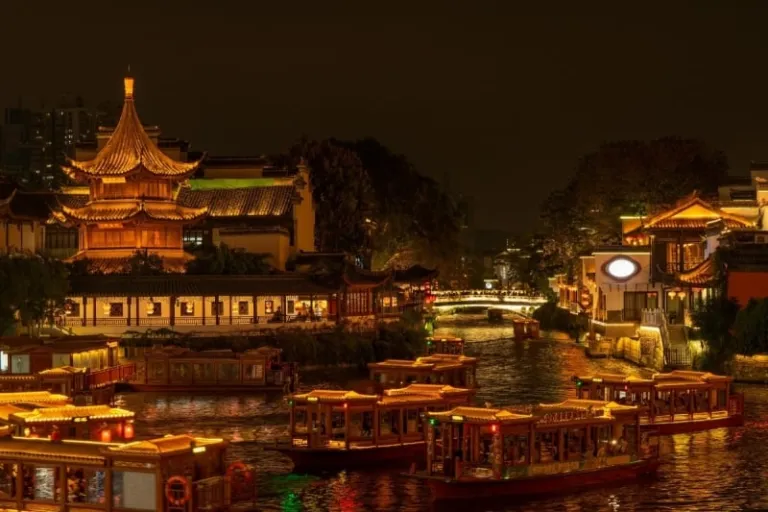
Image credit: Diaconescu Vlad’s Images via Canva Pro
Movies, TV, and music now inspire travel. Fans do not just visit filming locations; they step into the worlds they love. Cities offer immersive experiences such as themed tours, workshops, and food events tied to popular shows or films.
Seoul shows this trend in action. The city celebrates the Netflix film KPop Demon Hunters with sing-along bus tours, themed menus, and fan events. Travelling for pop culture makes sightseeing interactive. It turns every trip into a multi-sensory adventure.
5. Hotel rooms designed just for you

Image credit: Love Holidays
Hotels now focus on personalisation. Standard rooms are becoming a thing of the past. Guests can customise every detail, from blackout blinds and Pilates equipment to workspace setups or room location preferences.
For example, Meliá Hotels’ Pick ‘n’ Stay system allows guests to choose yoga mats, adjustable lighting, and even the floor level. Personalisation is no longer a luxury; it is expected. In 2026, travellers will want rooms that fit their lifestyle and feel like home.
6. Travel to experience innovation
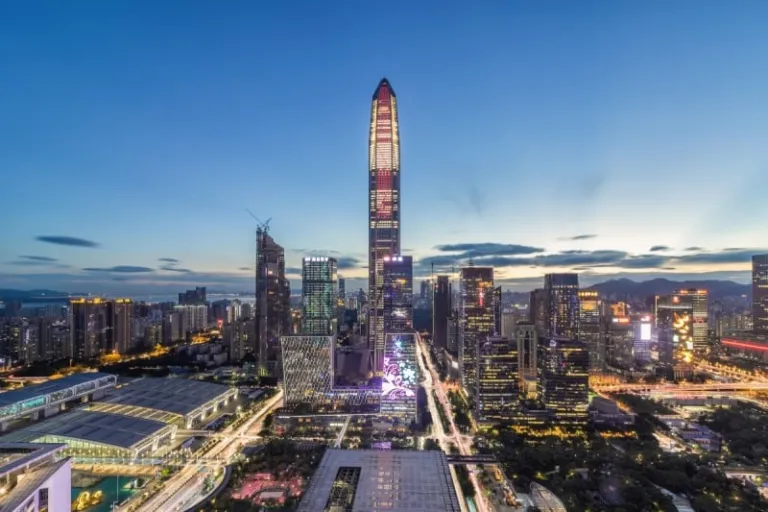
Image credit: Getty Images Pro via Canva Pro
Some travellers want curiosity over relaxation. Innovation hubs are becoming destinations themselves. Visitors can explore autonomous vehicles, AI applications, and biometric services. They do not just read about technology—they interact with it.
Shenzhen is a prime instance. Its innovation zones let visitors test self-driving cars, explore smart services, and try futuristic shopping experiences. This trend turns travel into purposeful exploration. In 2026, travellers can experience the future first-hand.
Also read: How to Travel Smarter in 2026: The 6–6–6 Rule Explained
Pack your bags, the world awaits
Travel in 2026 is no longer just about destinations. It is about experiences, personalisation, and immersion. From pet-friendly trips to pop culture adventures, nonstop flights, and custom hotel stays, every journey can be unique. Each trip can feel unique and meaningful, designed to leave lasting memories.
Whether you want to take your dog on a seaside escape, discover hidden gems in off-the-beaten-path cities, or witness futuristic technology first-hand, 2026 has something for every type of traveller.

About Author

Fluent in three languages, Sudhiksha is always on a quest to learn more about the world around her. She enjoys collecting sunsets, street food, and stories from the nooks and crannies of different places. To her, every journey unearths a new way of seeing home.