
Changi Airport’s Expansion: What It Means for Budget and Regional Travel
Jet setting made easier!

Changi Airport is entering a new phase of growth. Its long-planned expansion, anchored by the upcoming Terminal 5, signals a shift in how people will travel around Asia in the coming decades.
This is not just an infrastructure story. For budget travellers and regional flyers, the Changi Airport expansion affects airfares, route choices, and even how easy it is to plan a short getaway. Here is what it means in practical terms.
Also read: Most Popular Destinations for Singaporeans in 2026
Changi Airport expansion: Its latest upgrades to watch

Image credit: Pia Ong via Canva Pro
1. Expanding capacity to serve more flyers
Terminal 5 is expected to add capacity for about 50 million passengers a year in its first phase. Once operational, Changi’s total handling capacity could rise from around 90 million to about 140 million passengers annually.
That scale matters. When airports run close to full, airlines struggle to add flights, and prices tend to rise. Extra capacity gives airlines room to grow, especially during peak travel periods such as school holidays and festive seasons.
2. Opening routes to more destinations
Changi currently connects Singapore to about 170 cities worldwide. With the expansion, planners expect this number to exceed 200 destinations over the next decade.
This creates opportunities for new regional routes. Secondary cities in Indonesia, Thailand, Viet Nam, and India become more viable when airlines can secure slots more easily. For travellers, this means more direct flights and fewer forced connections through larger hubs.
3. Supporting budget airlines’ expansion
Low-cost carriers thrive on efficiency. They rely on quick turnarounds, high aircraft utilisation, and steady passenger volumes. Changi’s expansion has been designed with these needs in mind.
As capacity increases, budget airlines can base more aircraft in Singapore. This often leads to wider route networks and more frequent promotional fares. Over time, travellers may see more competition on popular regional routes such as Bangkok, Bali, Ho Chi Minh City, and Taipei.
4. Encouraging competition that shapes fares
More slots usually mean more competition. Airlines can add frequencies or enter markets that were previously constrained by airport capacity.
In real terms, this could help stabilise fares on busy short-haul routes. While prices will still fluctuate with fuel costs and demand, increased competition often limits sharp fare spikes during peak periods. For frequent regional travellers, this brings more predictable pricing.
5. Making short trips more practical
Regional travel is increasingly about short breaks rather than long holidays. A three- or four-day trip only works if flights are well timed and transfers are smooth.
The expansion includes improvements to passenger flows and connections between terminals. Faster transfers and clearer layouts reduce time spent in transit. This makes weekend trips to nearby cities more realistic, even for travellers with limited leave.
6. Supporting long-term regional growth
Asia-Pacific remains the fastest-growing aviation market globally. Industry projections suggest passenger numbers in the region could double by the early 2040s.
Changi sits at the crossroads of key markets linking South-east Asia, South Asia, East Asia, and Australasia. By expanding now, the airport positions itself to absorb future demand and support new travel patterns as incomes rise and travel becomes more routine.
7. Balancing growth with cost pressures
Expansion does come with challenges. Building and operating a mega terminal is expensive, and airport charges have risen in recent years.
For budget airlines, fees matter. Routes with thin margins are sensitive to higher operating costs. How Changi balances infrastructure investment with competitive charges will influence how aggressively low-cost carriers expand their networks from Singapore.
8. Improving resilience against disruptions
Larger airports are not just about volume. They also provide flexibility during disruptions such as bad weather, aircraft shortages, or regional airspace closures.
With more runways, gates, and holding areas, airlines can recover schedules more quickly. For travellers, this reduces knock-on delays and cancellations, which often hit budget routes the hardest.
9. Creating space for new airline models
The regional aviation market is evolving. Hybrid airlines that blend low-cost pricing with full-service features are becoming more common.
Changi Airport’s expansion creates room for these carriers to experiment. Flexible infrastructure supports mixed-use aircraft, varied cabin layouts, and different boarding models. This could bring more choice to travellers who want value without sacrificing comfort.
10. Strengthening Singapore’s role in multi-stop trips
Many travellers now build trips around multiple destinations rather than a single city. A strong hub makes this easier. With expanded capacity, Changi can support more one-stop itineraries linking smaller Asian cities.
This benefits travellers planning complex routes, such as combining South-east Asia with South Asia or Australasia, often at lower overall fares. Over time, better infrastructure changes behaviour. When flights are frequent, affordable, and easy to connect, people travel more often.
Also read: The Biggest Airport Upgrades to Keep an Eye on for Seamless Travel
Redefining how people travel in Asia and beyond
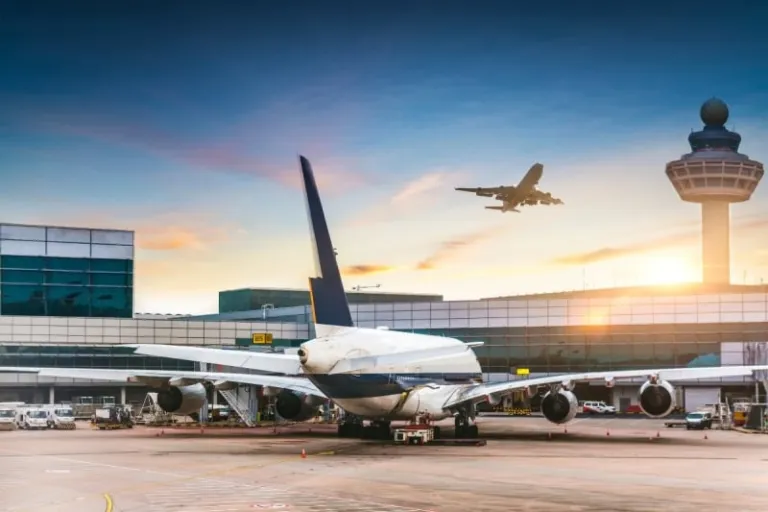
Image credit: Getty images via Canva Pro
The Changi Airport expansion supports a future where regional travel feels normal rather than exceptional. Short trips become easier to plan, new destinations enter the mainstream, and budget travellers gain more options across Asia.
For many flyers, the biggest impact will not be the new terminal itself. It will be the freedom to travel more often, more easily, and at better prices across the region.

About Author

Fluent in three languages, Sudhiksha is always on a quest to learn more about the world around her. She enjoys collecting sunsets, street food, and stories from the nooks and crannies of different places. To her, every journey unearths a new way of seeing home.
Recommended Reads
Rawdogging Flights: A Wild New Trend?
Editor's Pick