Sudhiksha
As 2025 draws to a close, travel habits reveal as much about our collective mood as they do about the places themselves. This year was defined by a desire for depth over haste, with travellers balancing iconic destinations against quieter discoveries. From cities that never seem to stand still to cultural hubs enjoying a moment in the spotlight, these were the top destinations in Asia that shaped travel conversations in 2025.

Also read: Ring in 2026 with the World’s Most Spectacular New Year Traditions
Top Destinations in Asia This Year
Tokyo remained an enduring favourite
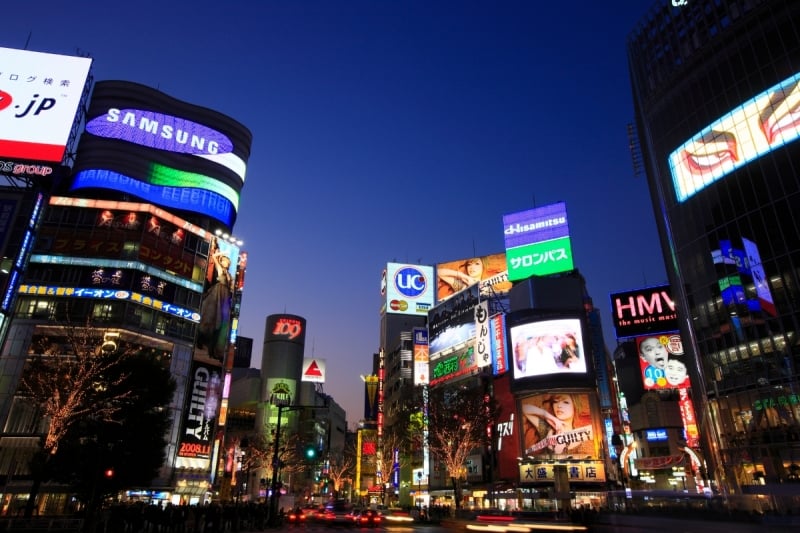
Image credit: TAGSTOCK1 via Canva Pro
Tokyo once again proved its staying power in 2025. The city’s ability to constantly reinvent itself while preserving tradition kept it high on travellers’ lists. Visitors moved seamlessly from serene neighbourhood shrines to high-energy districts filled with new cafés, galleries, and shops.
Seasonal travel played a big role in Tokyo’s popularity this year. Spring cherry blossoms and autumn foliage continued to draw crowds, but there was also growing interest in winter travel, when the city feels calmer and more local. For many, Tokyo was not a one-off trip but a place worth returning to.
Jaipur continued to shine on the global stage
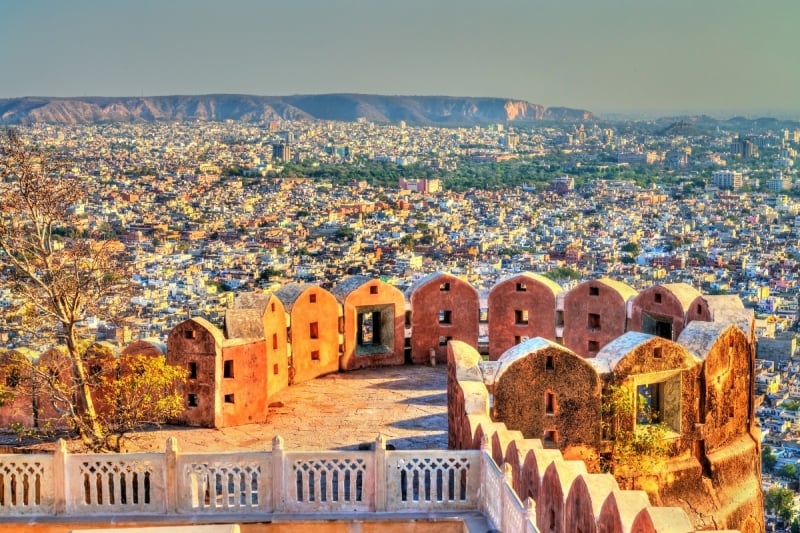
Image credit: Leonid Andropov via Canva Pro
Jaipur stood out in 2025 as one of India’s most compelling city destinations. Travellers were drawn to its architectural grandeur, from hilltop forts to intricately decorated palaces, but also to its evolving creative scene.
Boutique hotels, contemporary craft spaces, and food experiences rooted in Rajasthani traditions made Jaipur feel both historic and current. The city’s strong sense of identity resonated with travellers seeking culture that feels lived in rather than staged.
Vietnam saw sustained growth in popularity
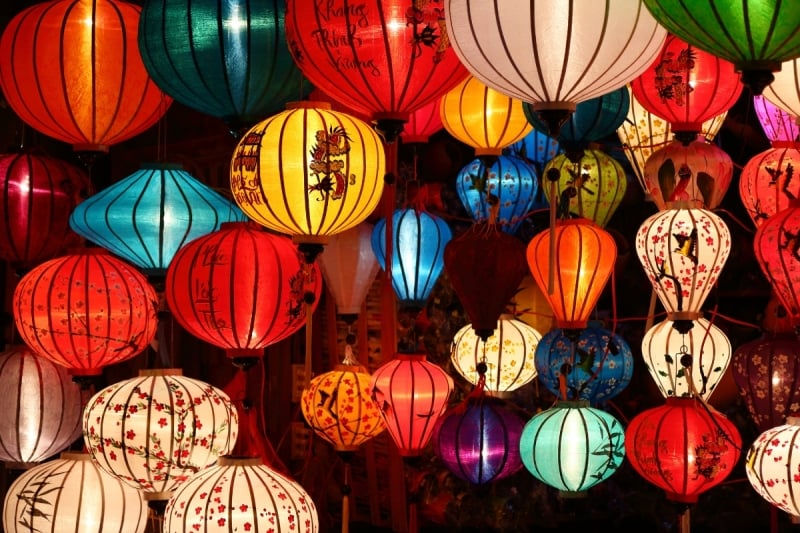
Image credit: giannimarcheti via Canva Pro
Vietnam maintained its momentum throughout 2025, appealing to a wide range of travellers. Cities such as Hanoi and Ho Chi Minh City continued to attract those interested in food and history, while coastal destinations offered slower-paced escapes.
Hoi An remained a highlight, particularly for travellers keen on photography and early morning exploration. At the same time, there was increased interest in lesser-visited regions, suggesting that repeat visitors were venturing further beyond the usual routes.
Manila gained fresh attention
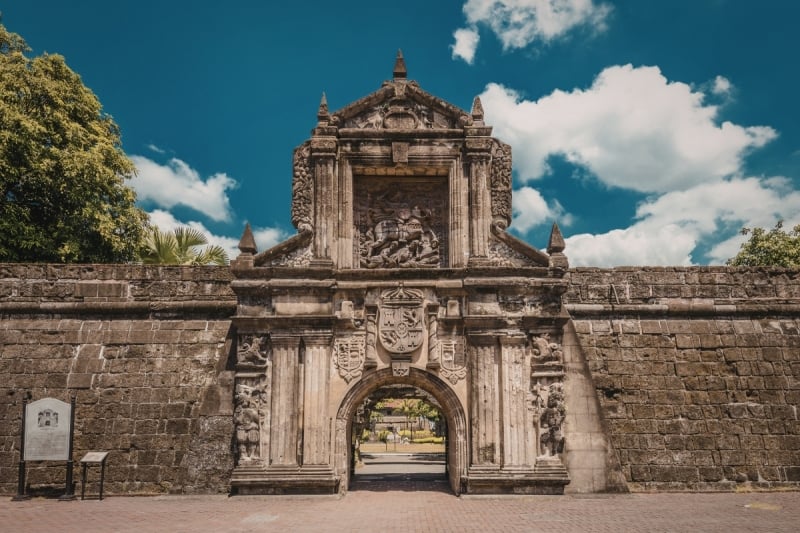
Image credit: Tunaru Dorin via Canva Pro
Manila emerged more confidently in 2025 as a destination in its own right rather than just a gateway. Travellers were increasingly curious about its neighbourhoods, from historic districts to areas known for street food and nightlife.
The city’s energy, combined with its layered history, appeals to travellers who enjoy places that feel unfiltered and alive. Manila’s rise reflected a broader shift towards cities that reward curiosity and time rather than quick sightseeing.
Thailand’s balanced familiarity with discoveries
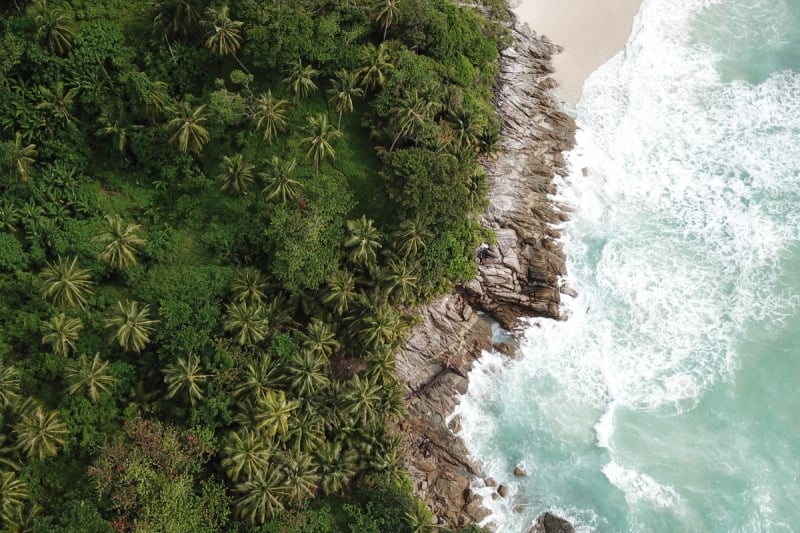
Image credit: Yuval Cohen via Canva Pro
Thailand remained a firm favourite in 2025, but travel patterns showed a subtle change. While Bangkok and Phuket continued to draw first-time visitors, repeat travellers looked towards places such as Surat Thani and lesser-known islands.
This shift suggested a growing appetite for slower travel within familiar destinations. Travellers wanted the comfort of well-developed infrastructure paired with the feeling of discovering somewhere new.
Daegu emerged as a quiet cultural star
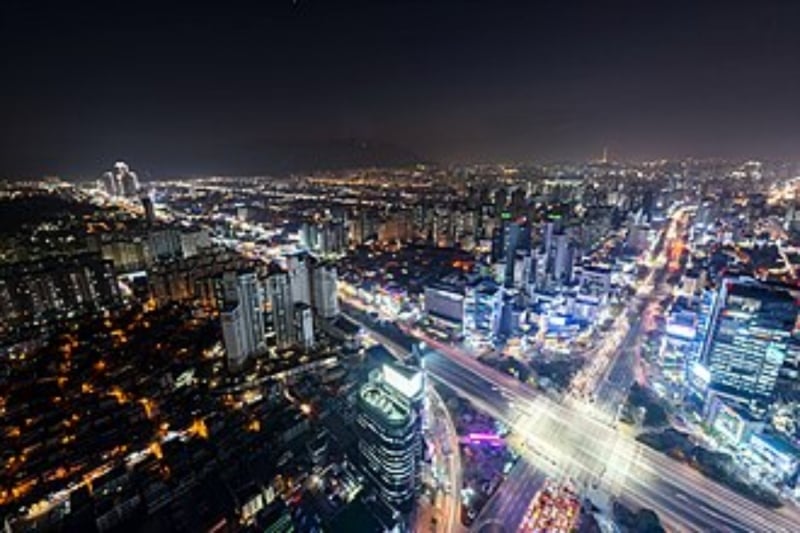
Image credit: Wikipedia
In 2025, Daegu gained recognition as one of South Korea’s most appealing secondary cities. Away from the intensity of Seoul, Daegu offered a more relaxed rhythm without sacrificing cultural depth.
Travellers appreciated its proximity to nature, with hiking trails and scenic viewpoints sitting just outside the city. Traditional markets, a strong café culture, and a growing creative scene gave Daegu a sense of place that felt genuine and accessible.
Luang Prabang offered calm and cultural depth
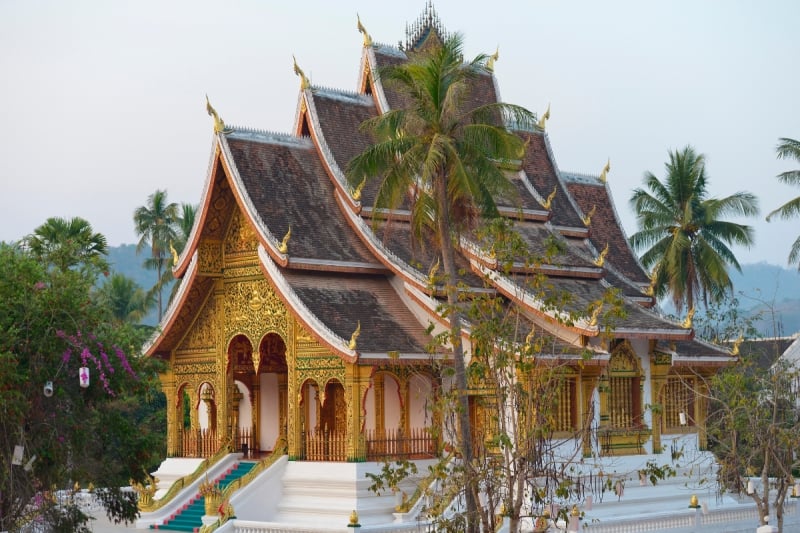
Image credit: Oscar Espinosa via Canva Pro
Luang Prabang continued to draw travellers seeking stillness and meaning in 2025. Early mornings along the Mekong, marked by monks on alms rounds and mist rising from the river, defined the town’s enduring appeal.
The city’s careful balance of heritage conservation and low-key tourism resonated with travellers prioritising slower, more mindful journeys. Luang Prabang stood out as a place where doing less often meant experiencing more.
Also read: Picture-Perfect Spots to Visit in Asia to Spruce Up Your Feed
Looking back at 2025
Taken together, the top destinations in Asia of 2025 reveal a year shaped by intention. Travellers still embraced major cities and famous sights, but there was a clear move towards places that encourage lingering, observation, and everyday encounters.
As planning begins for 2026, one thing is clear. The destinations that resonated most this year were those that offered not just things to see, but ways to feel connected to where you are.