
The Best ‘Second Cities’ in Asia to Visit Instead of the Usual Capitals
When second cities become the first choice!

Asia’s capitals attract first-time visitors. They impress. They excite. They also overwhelm. For repeat travellers, or those seeking a deeper connection, second cities often deliver more. They feel calmer. They cost less. They reward curiosity. Most importantly, they reveal how a country really lives.
Also read: Top Food Festivals Around the World Worth Travelling For
Instead of rushing through the usual capitals, consider these second cities across Asia. Each offers culture, food, and character, without the crowds.
Second Cities to visit on your next trip
Unwind in Chiang Mai, Thailand
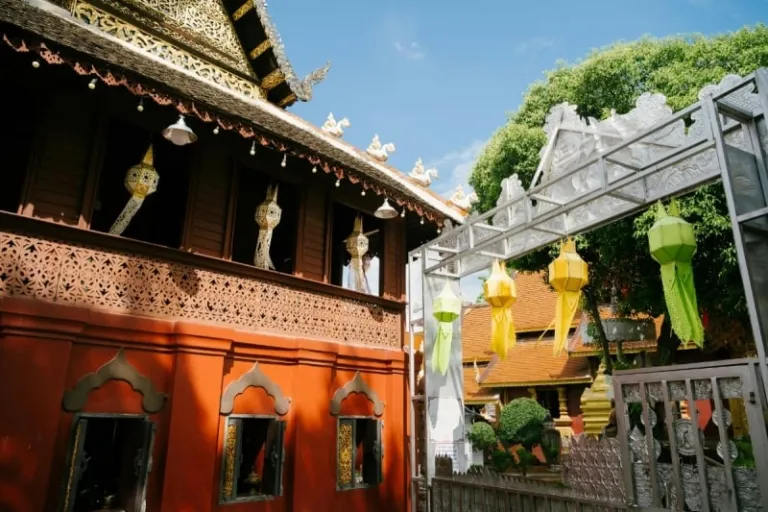
Image credit: Guiellame Meurice via Canva Pro
Leave Bangkok’s bustle behind. Head north to Chiang Mai. The city moves slowly. Temples anchor daily life. Mountains frame the horizon. Start inside the old city walls. Visit Wat Phra Singh and Wat Chedi Luang. Walk between them.
Then browse the night markets. Eat khao soi. Talk to stallholders. Many travellers stay longer than planned. Chiang Mai also makes a strong base. Explore ethical elephant sanctuaries. Visit hill tribe villages or café-hop. Either way, the pace stays gentle.
Eat your way through Penang, Malaysia
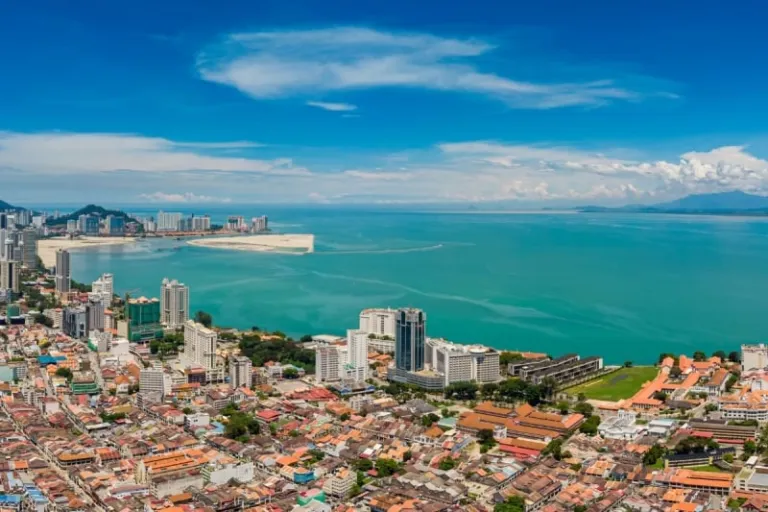
Image credit: Calvin Ng via Canva Pro
Skip the skyscrapers. Choose flavours instead. Penang delivers culture through food. Base yourself in George Town, a UNESCO World Heritage Site. Walk past colonial shophouses, clan jetties, and street art. Everything sits close together.
Then comes the time to eat. Try char kway teow, asam laksa, and nasi kandar. Hawker centres do the heavy lifting. Prices stay low. Quality stays high. Penang feels lived-in. It blends history with daily life. And it rarely feels rushed.
Find balance in Da Nang, Vietnam
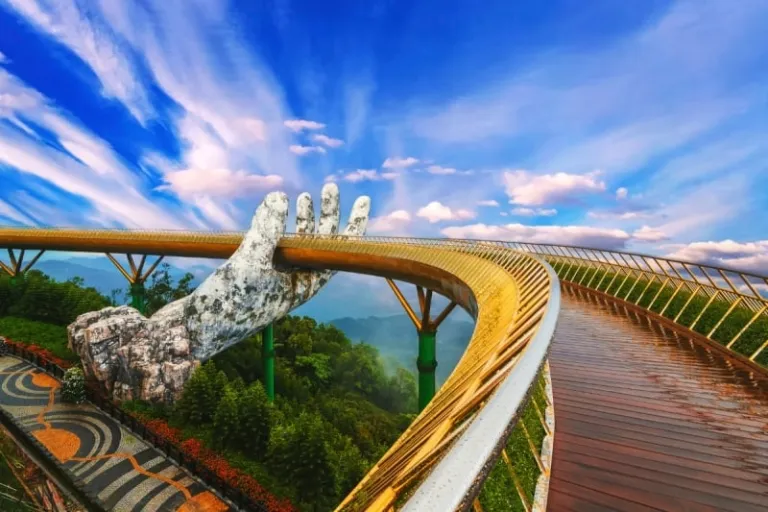
Image credit: Aleksandr Korchagin via Canva Pro
Da Nang sits between mountains and the beach. That balance defines it. Start along My Khe Beach. Walk early. Locals do tai chi. Fishermen pull in nets. The city wakes gently.
Later, explore beyond the centre. Visit the Marble Mountains. Then, drive to Hoi An or Hue, both of which are under two hours away. Da Nang keeps evolving. New cafés open. Resorts expand. Yet it still feels manageable. That makes it one of Vietnam’s most appealing alternatives.
Explore Mountains and Temples in Luang Prabang, Laos
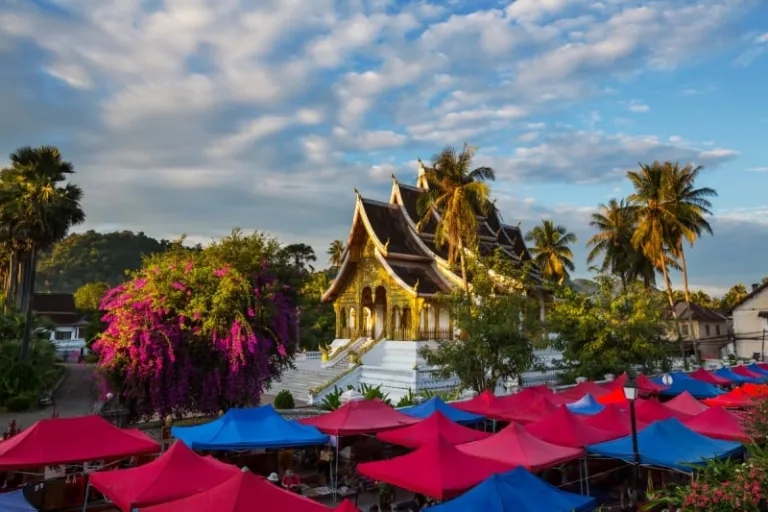
Image credit: Kamchatka via Canva Pro
Head over to Luang Prabang. Nestled between the Mekong and Nam Khan rivers, the city feels calm and serene. Colonial architecture blends with golden temples. Life moves at a gentle pace. Start early with a climb up Mount Phousi. Watch the sunrise over terracotta rooftops and river bends. Then wander to Wat Xieng Thong, one of Laos’ most ornate and historic temples, with intricate mosaics and sweeping roofs.
Explore the night market, where handicrafts, textiles, and street food line narrow lanes. Sample khao soi or sticky rice with mango while enjoying live local music. Finish your day with a Mekong River cruise at sunset. Watch fishermen in traditional boats, and see the city glow as lanterns light up the streets. Luang Prabang blends nature, culture, and slow-city charm, making it a peaceful escape from the hustle of Vientiane.
Wander through cultural districts in Hsipaw, Myanmar
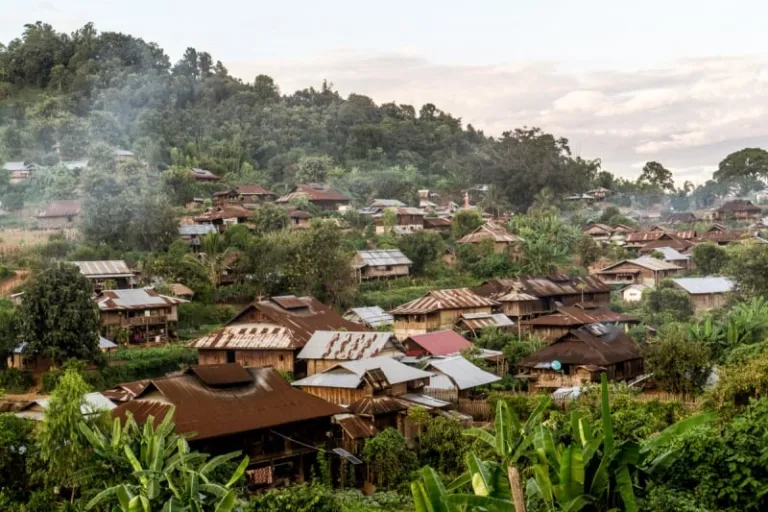
Image credit: scottiebumich via Canva Pro
Swap Yangon for Hsipaw in northern Myanmar. Nestled along the Duit River and surrounded by hills, the town feels serene and traditional. Start with a stroll through Hsipaw Market, where locals sell fresh produce, handicrafts, and street snacks. Visit nearby ancient Shan villages to see traditional stilt houses and experience local life firsthand.
Take a boat ride along the river or hike through the surrounding hills. Hsipaw incorporates scenic views and authentic rural life, making it an ideal alternative to Myanmar’s busy capital.
Explore Colonial Streets in Bandung, Indonesia
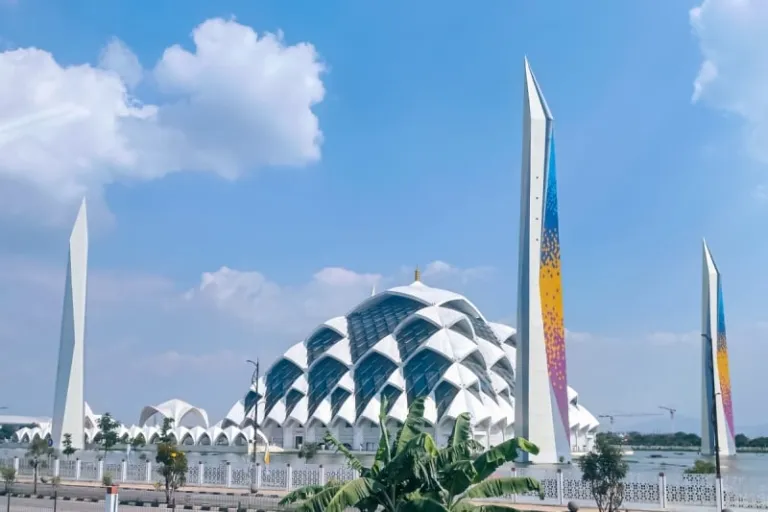
Image credit: Aliyahnursalamag via Canva Pro
Pay a visit to Bandung in West Java. Nestled against volcanic mountains, the city combines cool highland air with a lively creative scene. Start at Gedung Sate, a Dutch-colonial landmark.
Wander the street markets selling textiles, shoes, and local snacks. Visit Saung Angklung Udjo to watch traditional bamboo music performances. Stop by Bandung Grand Mosque, an elegant landmark where locals gather to pray and admire its striking architecture.
Soak up romance in Udaipur, Rajasthan
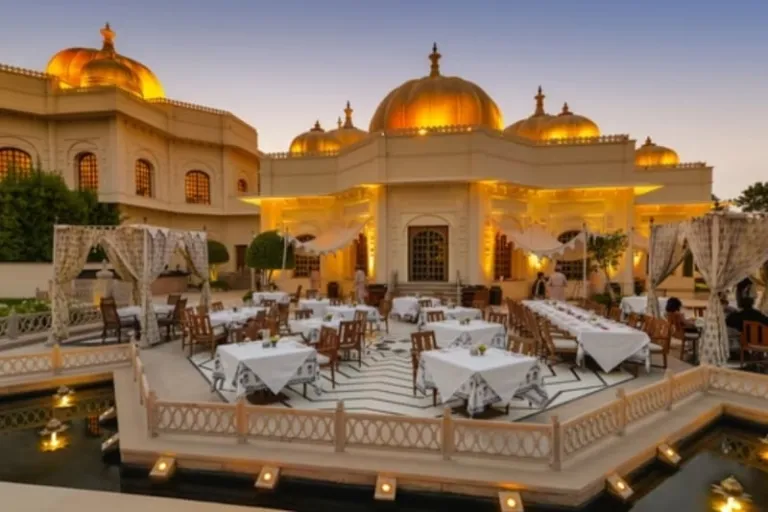
Image credit: Wedmegood website
Head to Udaipur for drama without the chaos. The city offers lakes, palaces, and light. Begin at Lake Pichola. Watch boats glide past white marble façades. Visit the City Palace, still one of Rajasthan’s most impressive royal complexes.
Then spot familiar scenes. Udaipur has long attracted filmmakers. James Bond’s Octopussy used the Lake Palace as a floating villain’s lair. Bollywood films such as Yeh Jawaani Hai captured the city’s romance, sunsets, and heritage hotels. It’s safe to say that Udaipur is a character in its own in mainstream cinema.
After that, slow down. Wander the old city. Sip tea on a rooftop. Watch the sunset turn the lake gold. Udaipur feels cinematic for a reason. It looks good on screen and feels even better in person.
Let loose in Osaka, Japan
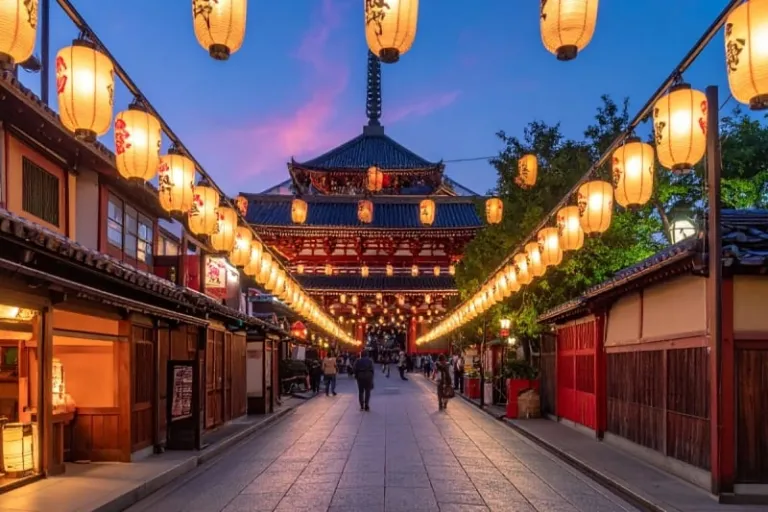
Image credit: indahlester29 via Canva Pro
Trade Tokyo’s polish for Osaka’s personality. Japan’s second city feels louder, warmer, and proudly food-first. Start in Dotonbori. Follow the neon lights. Watch chefs grill takoyaki. Eat standing up. Locals do. Food comes first here.
Next, step back in time at Osaka Castle. Walk in the surrounding park. Then hop on a train. Kyoto, Nara, and Kobe all sit within easy reach. Osaka works because it balances energy with ease. It never tries too hard. And that is its charm.
Slow Down in Jeonju, South Korea
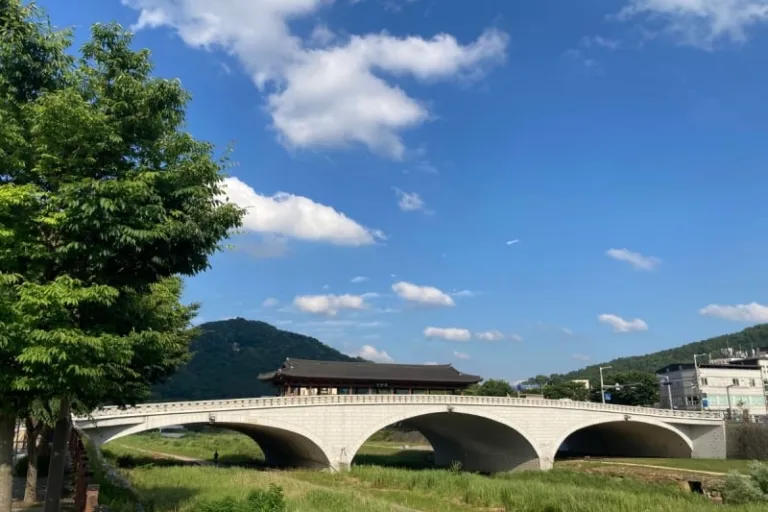
Image credit: Pinkbrush via Canva Pro
Swap Seoul’s rush for Jeonju’s rhythm. This small city in North Jeolla Province focuses on tradition, food, and quiet streets. Begin at Jeonju Hanok Village. More than 700 traditional hanok houses line its lanes. Visit Gyeonggijeon Shrine. Then stop for tea. Many cafés overlook tiled roofs and inner courtyards.
After that, eat well. Jeonju is the birthplace of bibimbap. Here, it comes richer and more balanced. For street food, head to Nambu Market after dark. Finally, stay overnight. Sleep in a hanok. Wake early. Hear birds, not traffic. Jeonju rewards patience.
Also read: Micro Country Getaways to Explore on Your Next Trip
Second cities take centre stage
Second cities step into the spotlight with confidence. They move at a human pace. They reveal everyday rituals, not just postcard sights. As a result, travellers connect more deeply and explore more freely.
So next time, skip the obvious choice. Let the understudy lead. When second cities take centre stage, the experience often earns a standing ovation.

About Author

Fluent in three languages, Sudhiksha is always on a quest to learn more about the world around her. She enjoys collecting sunsets, street food, and stories from the nooks and crannies of different places. To her, every journey unearths a new way of seeing home.