
How I Spent Two Days on Awaji Island
Located in Japan’s Hyōgo Prefecture and connected by bridge to the city of Kobe, Awaji Island is a little-known destination that’s filled with natural gems and historical sights.

Awaji Island lies in Hyōgo Prefecture between Japan’s main island of Honshu and Shikoku. Although it is easily accessible from Kobe, the island feels noticeably removed from the densely packed cities of the Kansai region.
The island is particularly famous for its sweet onions, seafood, dairy products, flowers, and Awaji beef. Its cattle are part of the wider Tajima cattle tradition associated with renowned wagyu brands, although not every cow raised on Awaji Island becomes certified Kobe beef.
I first heard about Awaji Island while staying in Osaka. The manager of my hostel had grown up there and organised annual trips back to the island. When an online search revealed that it was also possible to see fireflies there, I decided that I had to visit.
I took a train from Osaka to Kobe before boarding a highway bus at Sannomiya. The journey carried me across the Akashi Kaikyo Bridge, which connects Kobe with northern Awaji Island and offers expansive views over the Akashi Strait.
Once recognised as the world’s longest suspension bridge by main span, the Akashi Kaikyo Bridge has since been surpassed by the 1915 Çanakkale Bridge in Türkiye. Nevertheless, it remains one of Japan’s most impressive engineering landmarks.
I soon learnt that exploring Awaji Island without a car required patience. There are no trains on the island, and although highway buses, local buses, ferries, taxis, and selected shuttle services are available, routes do not connect every attraction conveniently.
Cycling is another popular option. The route around the island, commonly known as Awaichi, is particularly well known among experienced cyclists. For a short trip involving several widely scattered attractions, however, a rental car remains the most flexible choice.
Westin Awaji Island Resort & Yumebutai Hyakudanen
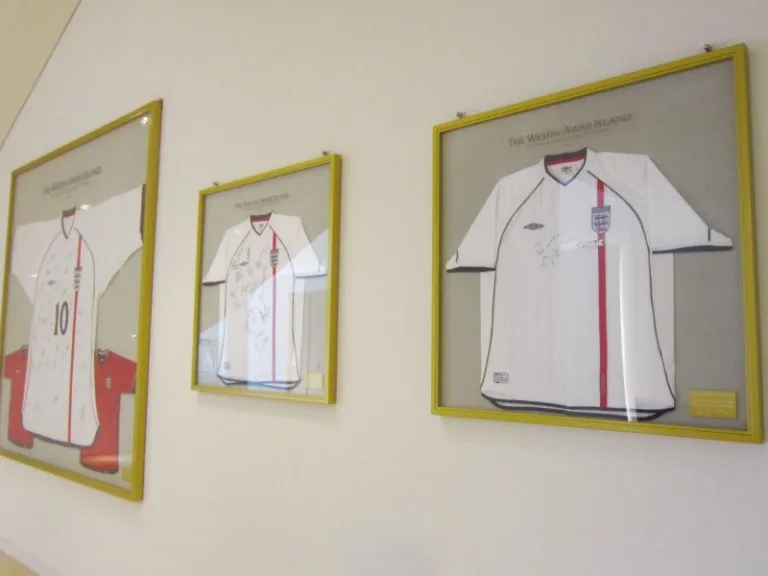
My first stop was the hotel now known as Grand Nikko Awaji. At the time of my visit, it operated as The Westin Awaji Island Resort & Conference Center.
The hotel forms part of Awaji Yumebutai, an architectural complex designed by Japanese architect Tadao Ando. It includes gardens, terraces, water features, conference facilities, and striking concrete structures built into the surrounding hillside.
I could not afford to stay at the hotel, but I walked through the complex towards Hyakudanen, commonly known as the 100 Stepped Garden.
Despite its English nickname, Hyakudanen is not simply a staircase containing 100 steps. Its name refers to the 100 small square flower beds arranged across a series of terraces on the hillside.
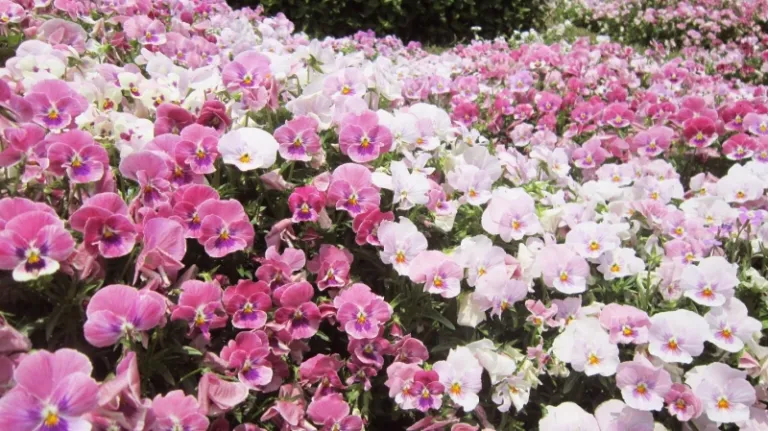
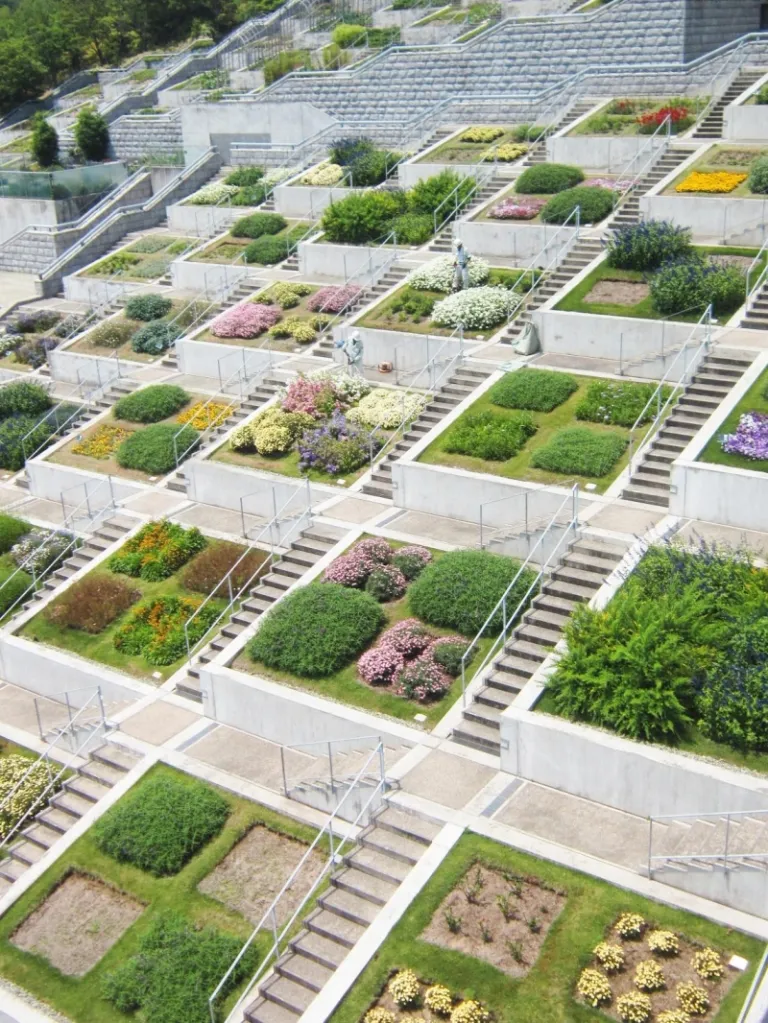
Filled with colourful flowering plants, the garden is a rewarding stop for anyone who enjoys architecture, landscaping, or botanical attractions. Visitors can view its geometric arrangement from below before making their way between the elevated flower beds.
It was early summer when I visited, and the sun blazed down as I climbed through the terraces. From the upper levels, I could see Osaka Bay, Kobe, and the Akashi Kaikyo Bridge in the distance.
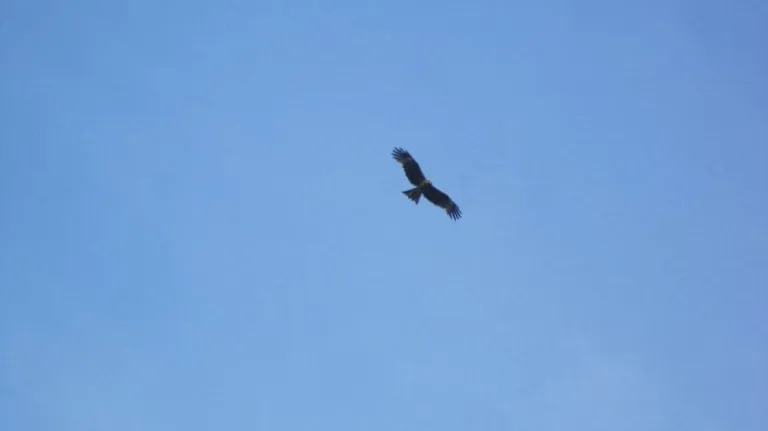
Hawks circled overhead, particularly near the coastline, and I spent some time attempting to photograph them before taking the lift back down towards the bus stop.
Higashiura Bus Station: Cat Art Museum, Pottery Studio & Ura Seaside Park
Public transport was less frequent once I travelled away from the island’s main highway-bus stops. After alighting near Higashiura, I found myself walking through a quiet residential and agricultural area while waiting for my next connection.
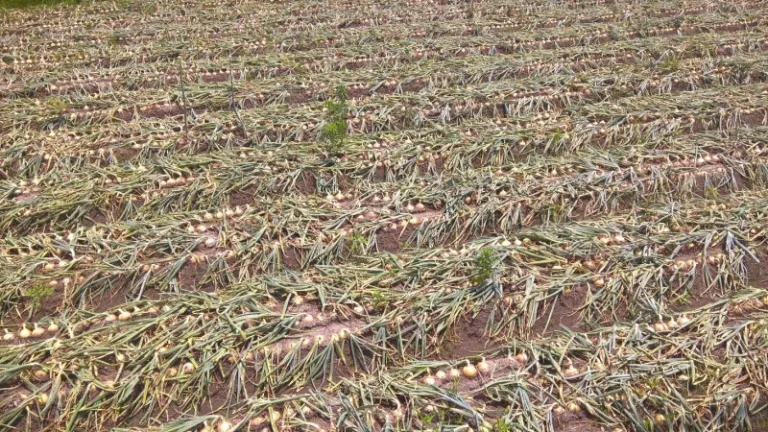
Along the way, I passed fields of Awaji onions before arriving near the Higashiura roadside-station complex. The area contained shops selling snacks, produce, and local specialities, so I picked up several onion-soup sachets and other souvenirs.
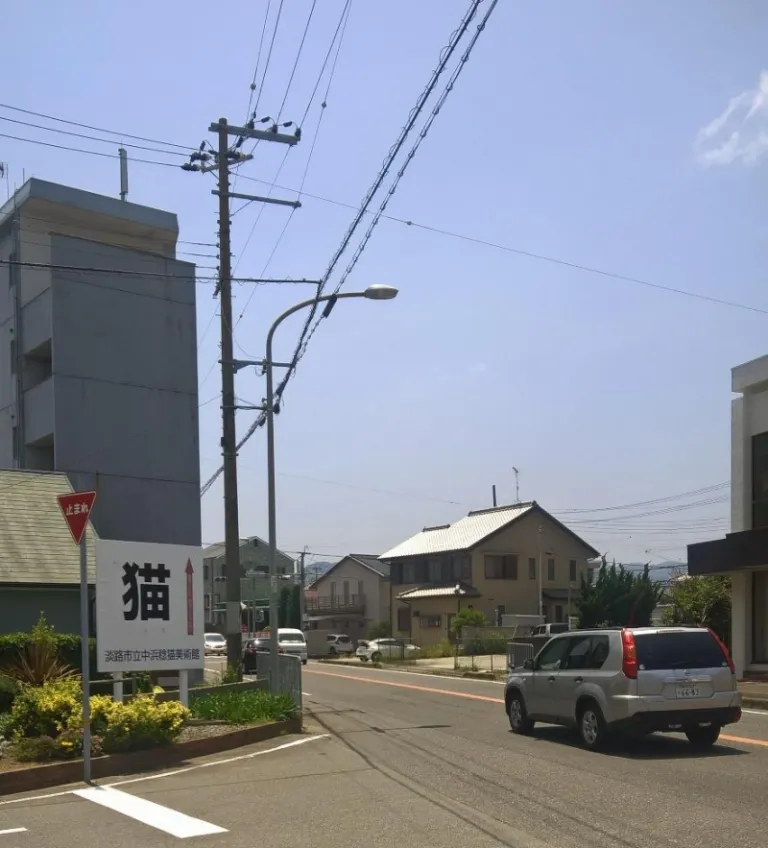
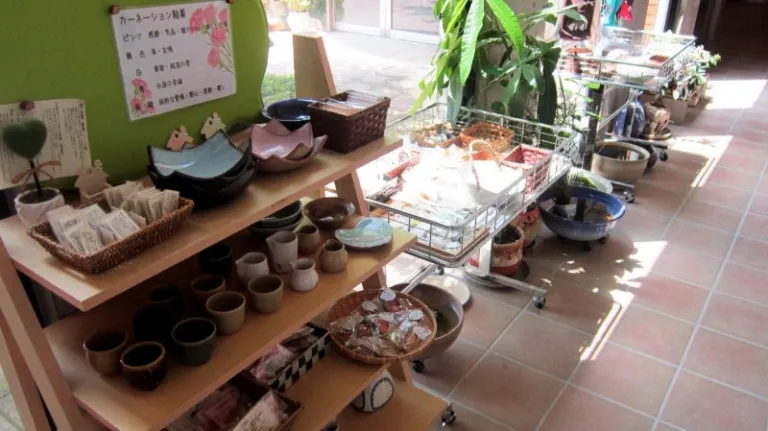
A nearby sign led me towards the Nakahama Minoru Cat Art Museum, which displays paintings centred on cats by artist Minoru Nakahama. Beside it was a pottery studio where local residents were working on ceramic pieces.
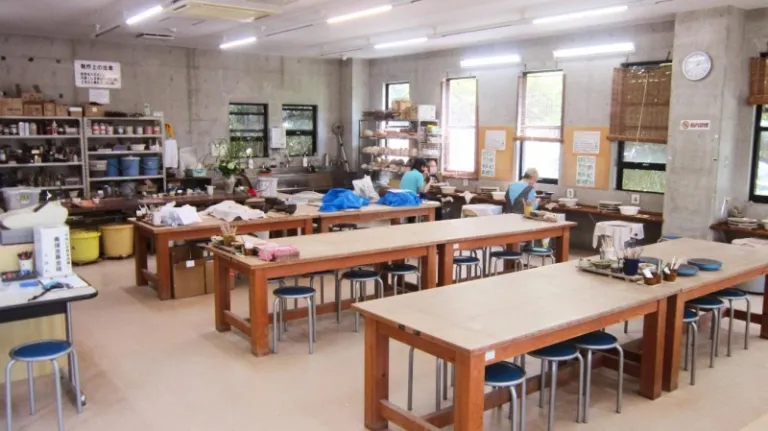
As someone interested in ceramics, I stopped for a short conversation with the studio’s owner and students. At the time, visitors could create pottery and arrange for the completed piece to be sent to them later. The studio also sold finished works that made more distinctive souvenirs than the usual packaged snacks.
Attraction names, opening schedules, and workshop availability around the Higashiura complex may change, so travellers should confirm current details before making a dedicated journey.
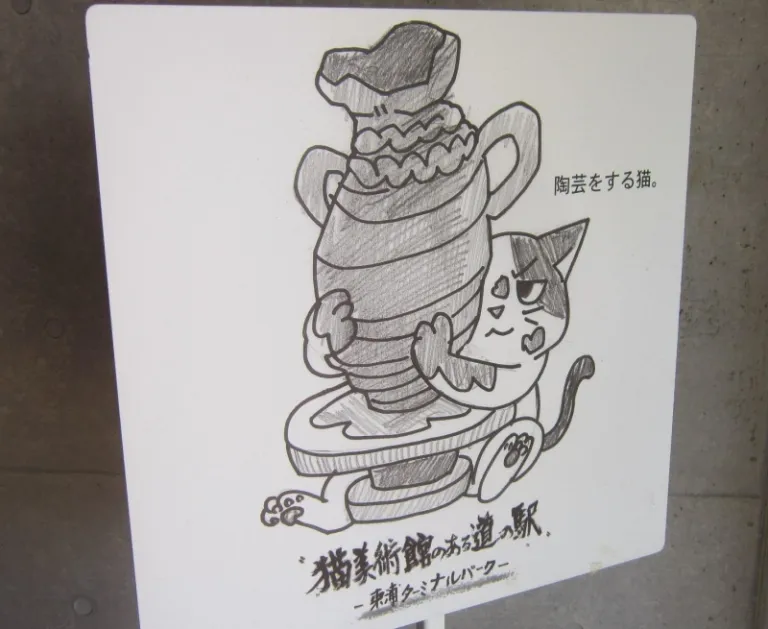
A pottery-making cat
I did not enter the Cat Art Museum because I was travelling on a limited budget. Instead, I continued towards Ura Seaside Park, where I enjoyed the sea breeze and watched the waves along the beach.
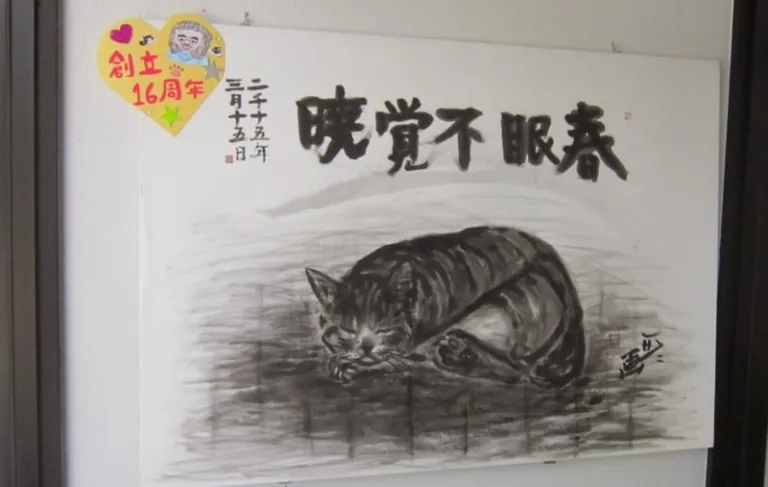
One of the few pictures outside of the museum gallery
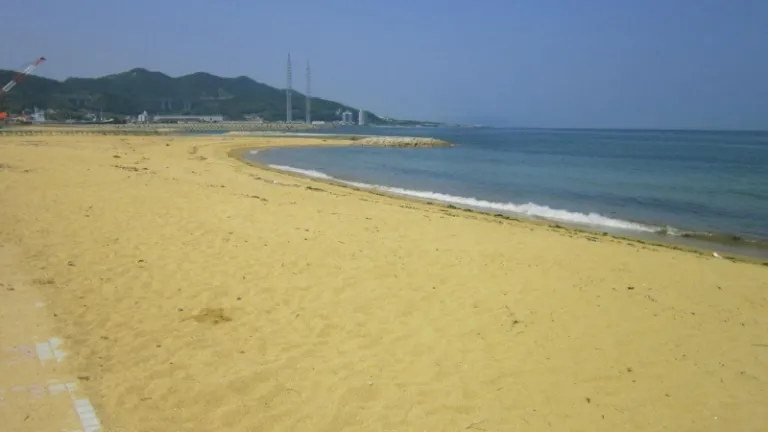
Ura Seaside Park
For lunch, I bought a takeaway bento near the bus terminal before continuing towards Sumoto.
Sumoto Port & Beach
When I arrived in Sumoto, I was surprised by how much it felt like a coastal resort town.
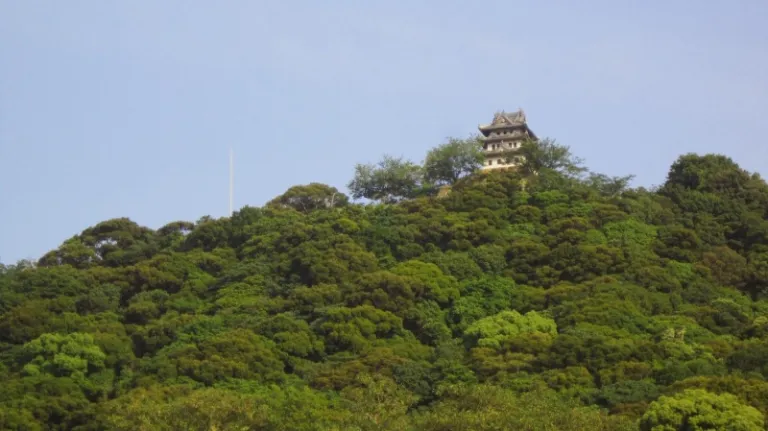
From the waterfront, I could see Mount Mikuma rising beyond the town, with Sumoto Castle’s reconstruction standing at the top. I followed the coast past Sumoto Port before arriving at Ohama Beach, which is sometimes referred to more generally as Sumoto Beach.
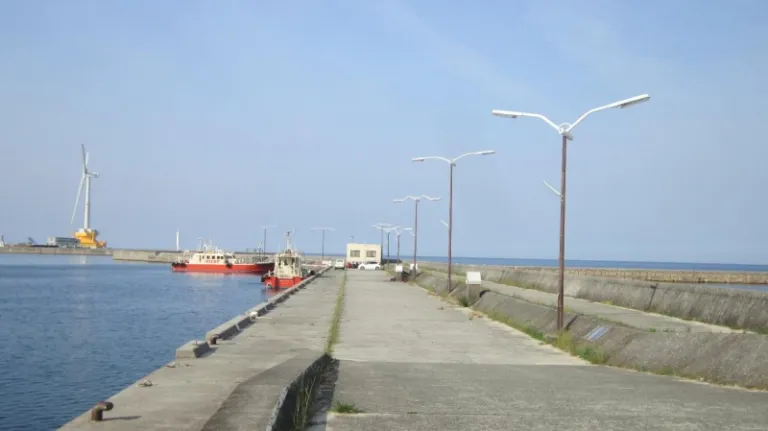
The broad stretch of sand is bordered by the sea on one side and a grove of pine trees on the other. Its open space and shaded sections make it suitable for a seaside walk or picnic, particularly during the warmer months.
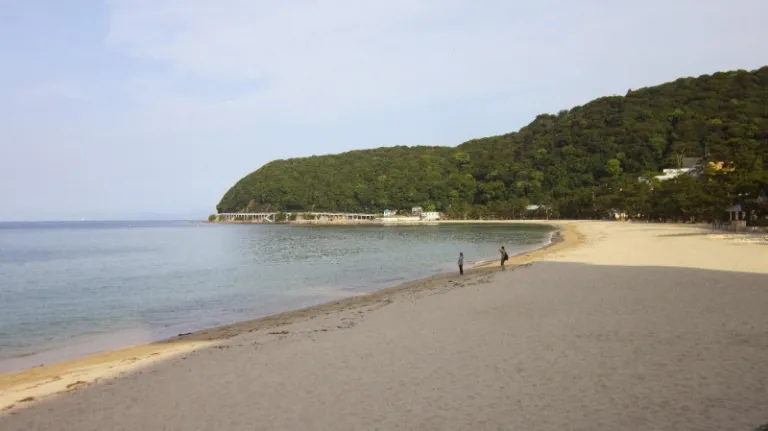
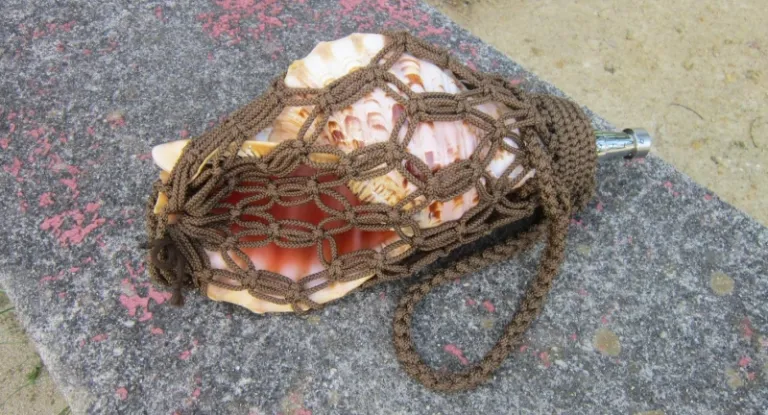
I searched the sand for seashells but encountered several stranded jellyfish instead. By then, the details of Sumoto Castle were becoming clearer above me, so I decided to begin the climb before it became too late.
Mt. Mikuma & Sumoto Castle
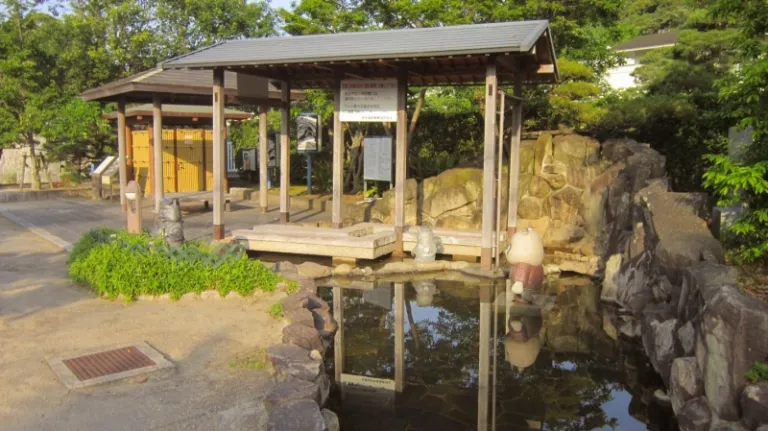
Before reaching the trail, I passed through the Sumoto Onsen area. Public footbaths and other facilities may occasionally close or change operating hours, so visitors hoping to use one should check the latest local information.
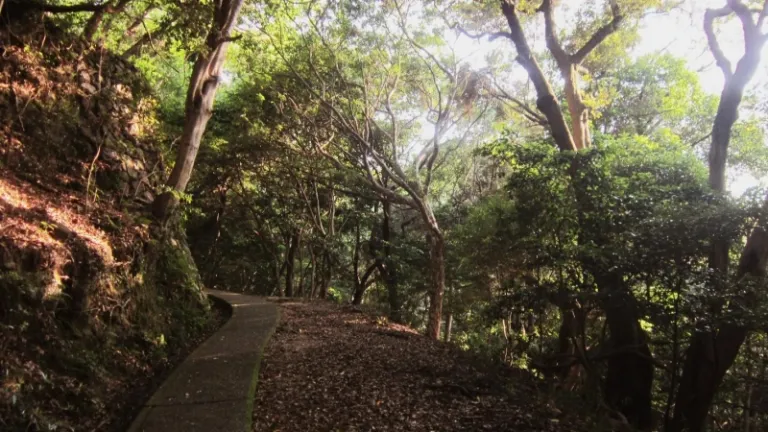
The route up Mount Mikuma was steeper than I had expected. Against the humid summer weather, I quickly began to sweat, although the forested surroundings offered a welcome change from Japan’s urban streets.
At the summit stand the remains of Sumoto Castle. The original castle dates back several centuries, but the small concrete tower visible today is a reconstruction built in the 20th century rather than a surviving historical keep.
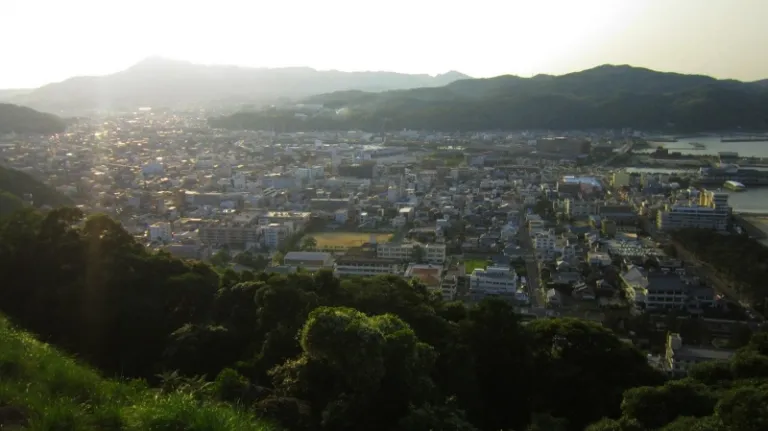
Its compact appearance differs considerably from grander castles such as Himeji or Osaka. The main reason to make the climb is the panoramic view over Sumoto, its harbour, and Osaka Bay.
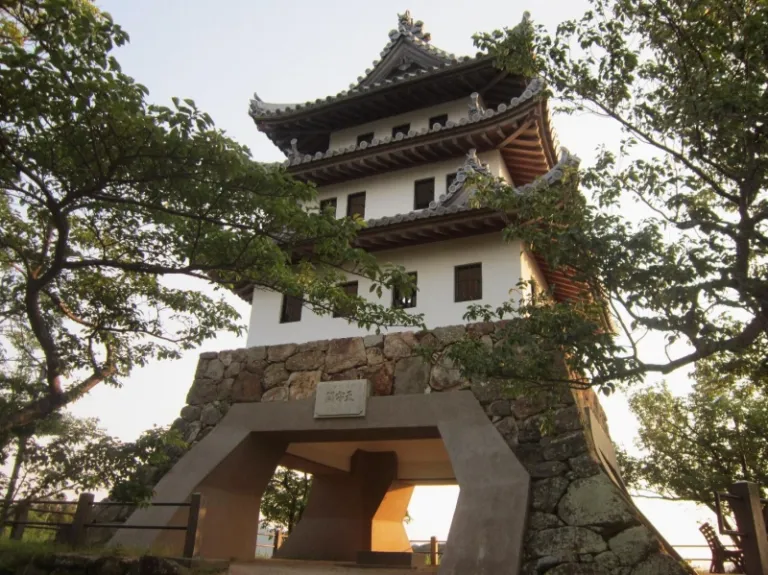
A path beside the structure opened onto the town below, illuminated by the late-afternoon sunlight. After the demanding climb, the view made the journey worthwhile.
Fireflies
After descending from Sumoto Castle, I returned to town and checked into my accommodation for the night.
I asked my hosts whether there was anywhere nearby to see fireflies. They explained that reaching a suitable location would be difficult without a car. Later that evening, however, they offered to drive me to a dark park where we might be lucky enough to find them.
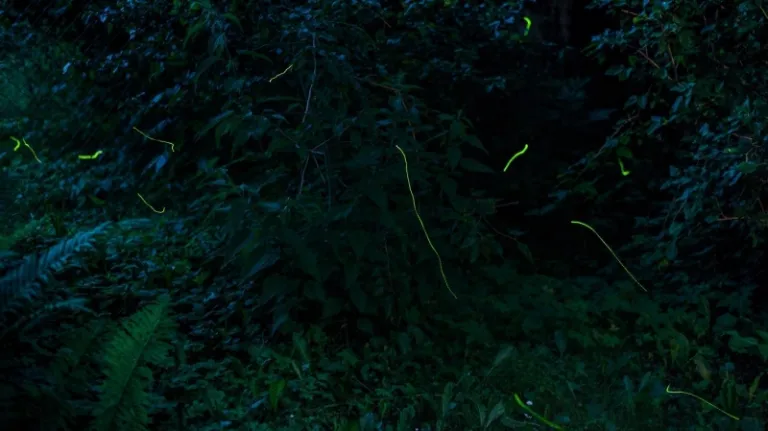
Image credit: Bernd Thaller
I was unfamiliar with the area, although the sound of rushing water suggested that we might have been near a waterfall or stream.
We saw the first fireflies shortly after leaving the car. Their soft yellow-green lights pulsed between the branches and across the darkness, providing the only illumination beyond our torches.
I tried to photograph them, but my camera captured little more than a few faint streaks of light. The experience was still unforgettable, particularly when my hosts revealed that it was their first time seeing fireflies on Awaji Island as well.
Fireflies are seasonal and sensitive to weather, artificial lighting, and environmental conditions. Sightings are never guaranteed, and travellers should avoid entering unfamiliar rural or forested areas alone after dark. A guided event or advice from a local accommodation provider is the safer option.
The end of my trip
The following morning, I had breakfast with my host family. While I ate the curry bread I had brought with me, they offered me some locally produced milk and told me more about Awaji Island’s cattle and farming traditions.
It was only then that I realised how many of the island’s local foods I had missed. Awaji beef burgers, onion dishes, fresh seafood, dairy products, and regional sweets could easily have filled another day of my itinerary.
After breakfast, my host drove me to the bus terminal for my journey back to Kobe.
Other attractions on Awaji Island
My limited time and reliance on public transport meant that I missed several of the island’s best-known attractions.
Flower fields
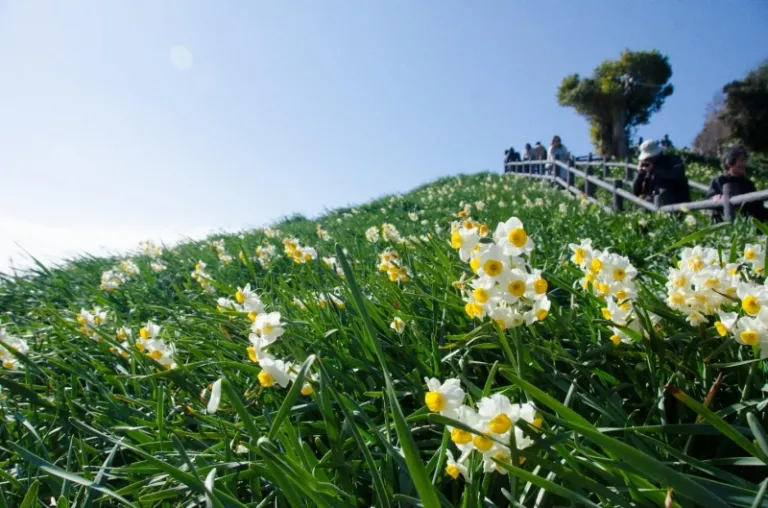
Image credit: cotaro70s
Awaji Island is famous for seasonal flowers, with different parks offering changing displays throughout the year.
Awaji Hanasajiki is one of the most popular options. Its hillside flower fields overlook Osaka Bay and change appearance according to the season. Awaji Farm Park England Hill is another family-oriented attraction featuring flowers, animals, agricultural experiences, and recreational facilities.
Visitors can also explore the gardens and green spaces surrounding Awaji Yumebutai and the Akashi Kaikyo National Government Park.
Check the seasonal flowering calendar before visiting, as the scenery varies considerably throughout the year.
Naruto Vortex
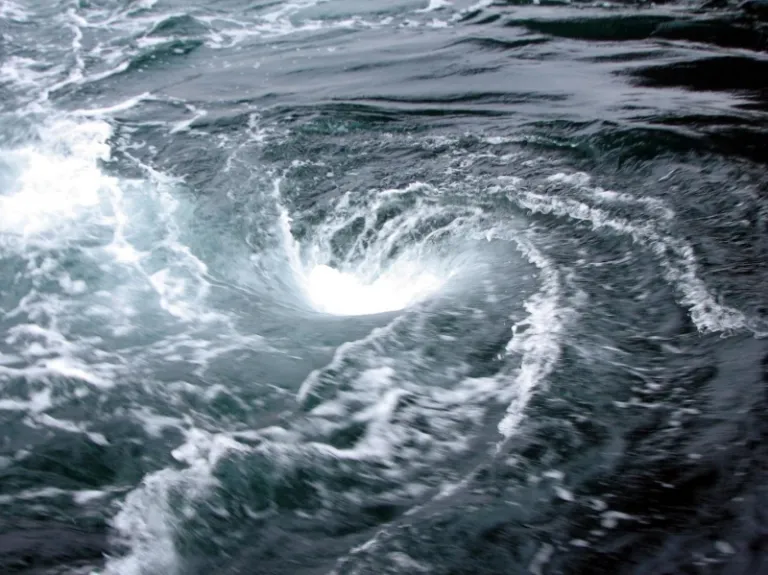
Image credit: Chris Gladis
The Naruto Strait whirlpools form between southern Awaji Island and Shikoku beneath the Onaruto Bridge.
They are created by strong tidal currents moving through the narrow strait. Under favourable conditions, the whirlpools can reach an impressive scale, although their size and visibility change according to the tide.
Sightseeing boats depart from both Awaji Island and the Shikoku side of the strait. Travellers can also learn about the phenomenon at the Uzushio Science Museum or view the water from facilities near the bridge.
Check the tide timetable before planning your visit. Arriving at the wrong time may result in seeing strong currents but few clearly defined whirlpools.
Awajishima Monkey Centre
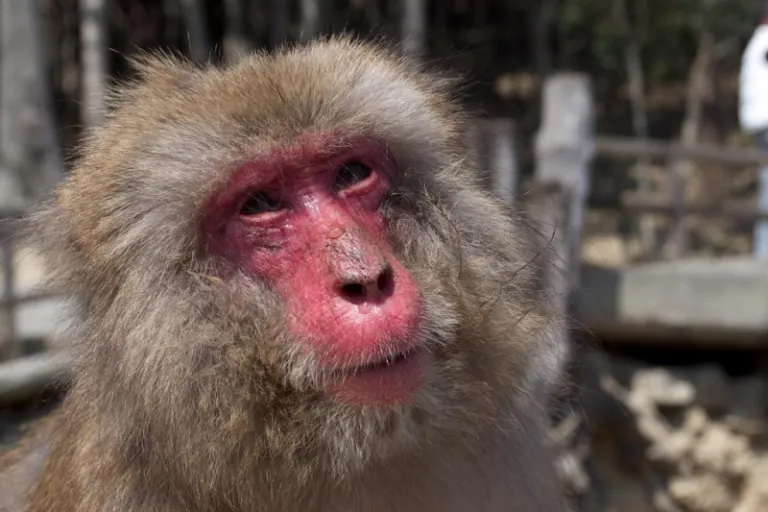
Image credit: Stephen Wheeler
Awajishima Monkey Center is home to a troop of wild Japanese macaques living in the surrounding mountains.
Visitors can observe the monkeys at relatively close range when they descend to the feeding area. However, they are still wild animals and are not guaranteed to appear every day.
The monkeys may remain deeper in the mountains during periods when natural food is plentiful, particularly in autumn. Check the centre’s latest announcements before travelling to its relatively remote location.
Nijigen no Mori
One of Awaji Island’s biggest developments since my original visit is Nijigen no Mori, an anime-themed attraction within Hyogo Prefectural Awajishima Park.
Its attractions have included experiences based on franchises such as Naruto and Boruto, Dragon Quest, Crayon Shin-chan, and Godzilla. Some activities involve obstacle courses, zip lines, interactive missions, or extensive walking through the park.
Tickets, operating attractions, and admission systems vary, so advance reservations may be useful, especially during weekends and Japanese public holidays.
Make a trip to Awaji Island
Awaji Island offers considerably more than can be covered in two days. Its appeal lies in the combination of coastal scenery, seasonal flowers, architecture, local food, small towns, outdoor attractions, and unexpected encounters along the way.
It is possible to visit by highway bus or ferry and explore selected areas using local transport. However, travellers hoping to cover attractions across the north, centre, and south of the island will find a rental car far more convenient.
Cyclists can also tackle part or all of the Awaichi circuit, although the complete route is a serious undertaking rather than a casual ride for inexperienced visitors.
Whether you visit for a quick escape from Kobe or spend several days travelling around the island, leave enough flexibility to enjoy the places you discover between the major attractions.
