
Things to See and Do in Fukuoka: A 3-Day Itinerary
From robot museums and amazing nightlife to serene shrines, Fukuoka has it all!

Fukuoka brings together many of the experiences travellers love about Japan without the relentless pace of its biggest cities. One moment, you could be wandering through a centuries-old shrine; the next, you might be shopping beneath Tenjin or squeezing into a riverside yatai for late-night ramen.
Located on the northern coast of Kyushu, the city has long served as a gateway between Japan and the rest of Asia. That history continues to shape its museums, food and cultural landmarks, while its compact layout makes many of its highlights surprisingly easy to explore.
This three-day Fukuoka itinerary combines local flavours, historic attractions, shopping and nightlife, with a half-day excursion to nearby Dazaifu.
Day 1
Go Ramen hunting!
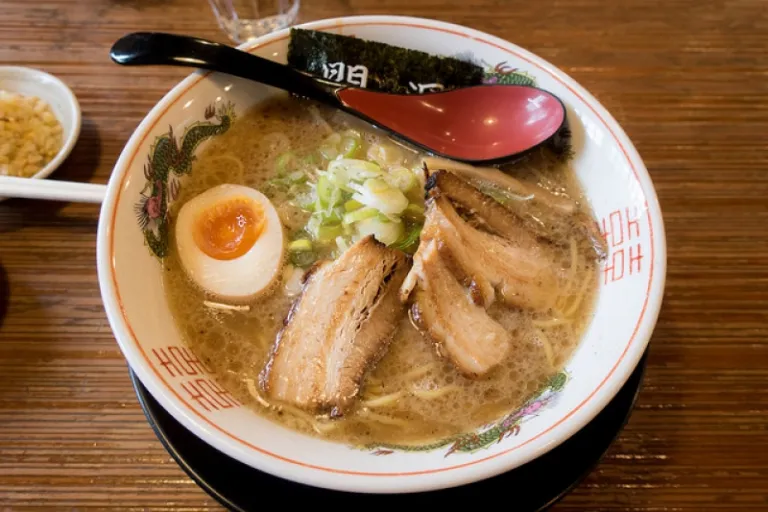
Image credit: Jean Kemoole
Begin your trip with one of Fukuoka’s best-known culinary experiences: a bowl of Hakata ramen. Its thin, firm noodles are served in a rich pork-bone broth, usually with slices of chashu, spring onions and other toppings.
Although Fukuoka is closely associated with tonkotsu ramen, the style originated in Kurume, another city within Fukuoka Prefecture. Hakata later developed its own distinctive version, along with the convenient kaedama system that allows diners to order an extra serving of noodles for their remaining broth.
Try a well-known chain or step into one of the city’s smaller neighbourhood ramen shops. Every kitchen prepares its broth slightly differently, so comparing a few bowls is all part of the experience.
Learn about culture at Kyushu National Museum
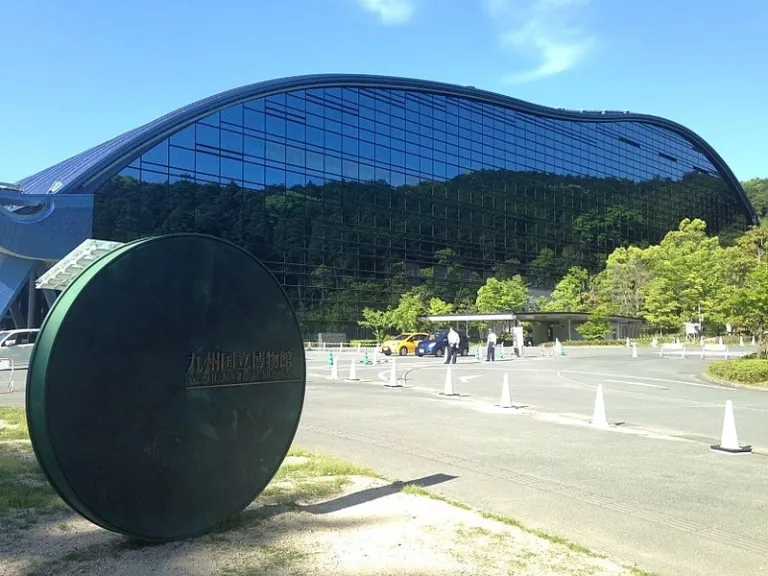
After lunch, travel to Dazaifu and spend the afternoon at Kyushu National Museum. Rather than presenting Japanese history in isolation, the museum explores the cultural connections that developed between Japan and the wider Asian world.
The fourth-floor Cultural Exchange Exhibition traces Japanese history from prehistoric times through the early modern period using archaeological objects, artworks and interactive displays. Special exhibitions are held on the third floor, while the first-floor Ajippa space provides hands-on cultural activities.
The museum is generally closed on Mondays, although holiday schedules and extended evening hours vary. Check the current exhibition calendar before visiting, particularly as renovation work may occasionally affect individual facilities.
Pay your respects at Dazaifu Tenmangu Shrine
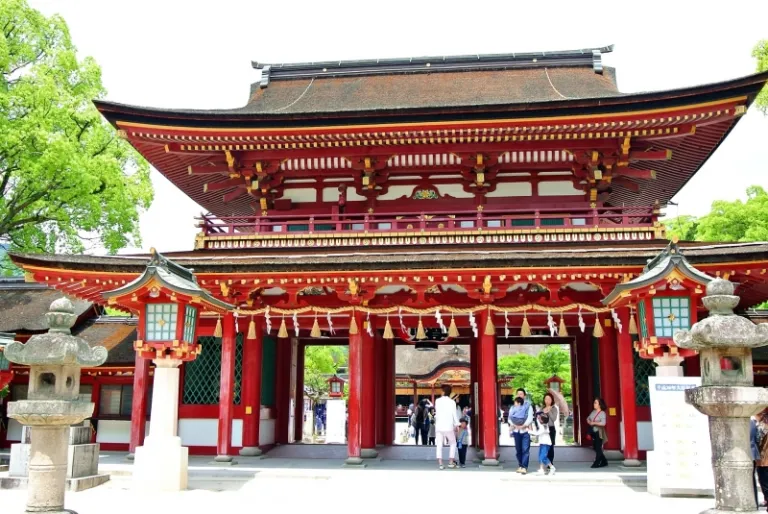
Continue to Dazaifu Tenmangu, one of Japan’s most important shrines dedicated to Sugawara Michizane, who is revered as Tenjin, the deity of learning, culture and the arts.
The extensive grounds contain thousands of plum trees, ancient camphor trees, smaller shrines and cultural displays. The famous Tobiume tree beside the main sanctuary is traditionally among the first plum trees here to blossom each year.
The shrine completed a major three-year restoration of its main sanctuary in May 2026. The temporary hall designed by Sou Fujimoto, which welcomed worshippers during the project, ended its role on 16 May and is being dismantled, with its rooftop trees intended for transplantation elsewhere within the grounds. Short-term restrictions may remain while that work continues.
Opening and closing times vary throughout the year, with later closing during summer and earlier closing in winter.
Day 2
Feast on fresh seafood at Yanagibashi Rengo Market
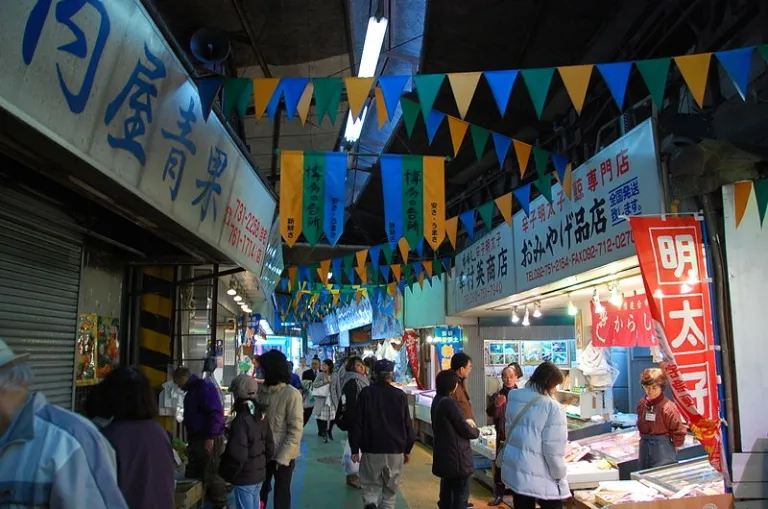
Image credit: LWYang
Start the morning at Yanagibashi Rengo Market, a compact covered market known as the “pantry of Hakata”. Professional chefs and local shoppers come here for seafood from the Genkai Sea, mentaiko, processed fish, vegetables and other regional ingredients.
Some businesses sell prepared food, including sashimi, sushi and seafood rice bowls, but this remains a working market rather than a purpose-built tourist attraction. Individual shops keep their own hours, and the greatest choice is usually available earlier in the day.
The market is in central Fukuoka near Watanabe-dori, not beside Hakata Station as stated in the original article. Most businesses operate from the morning until late afternoon or early evening.
Go crazy at Tenjin Underground Shopping Mall
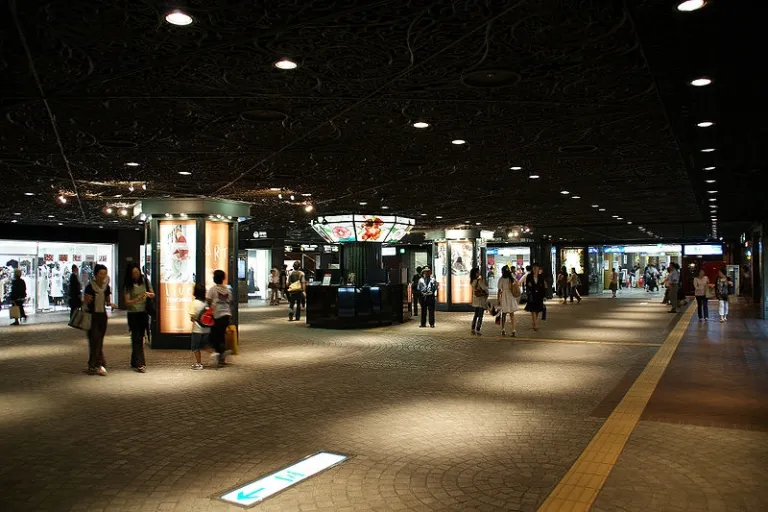
Image credit: JKT-c
Escape the weather at Tenjin Underground Mall, commonly known as Tenchika. Its European-inspired passageways stretch beneath central Tenjin and connect directly with subway stations, department stores and shopping complexes.
Around 150 shops offer fashion, beauty products, accessories, food and gifts. The original reference to Tenjin Core should be removed because that shopping centre closed in 2020 as part of the area’s redevelopment.
Shops generally operate from 10am to 8pm, while restaurants may remain open until 9pm. Individual hours can differ.
Relax at Kego Park and Kego Shrine
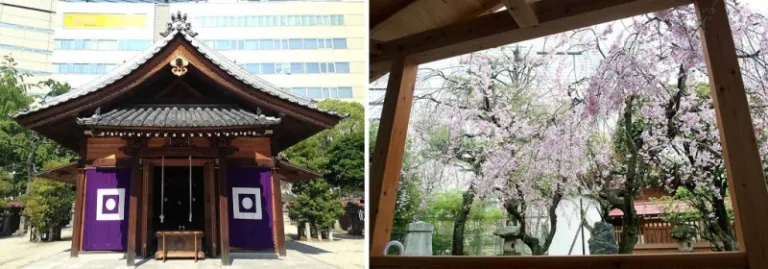
Image credit: (left) Soramimi, (right) Melanie_ko
When you need a break from shopping, head to Kego Park beside Nishitetsu Fukuoka (Tenjin) Station. Its open plaza provides a convenient place to rest between the surrounding malls, cafes and department stores.
Kego Shrine stands immediately beside the park, offering a quieter contrast to the busy commercial district. Stop to admire its grounds before continuing around Tenjin, but avoid presenting its legendary beginnings as confirmed historical fact.
The shrine is generally open from 9am to 7pm and is around a three-minute walk from Tenjin Station.
Experience the nightlife in Tenjin

Image credit: dat’
After dark, explore the bars, live-music venues and restaurants around Tenjin and nearby Oyafuko-dori. Officially called Tenjin Yorozumachi Street, Oyafuko earned its unusual nickname from the preparatory-school students who once travelled through the area.
The old list of individual clubs should be removed because nightlife venues frequently close, relocate or change their names. Instead, explore the area according to the atmosphere and events available during your visit, and confirm cover charges before entering.
Day 3
Pay your respects at Kushida Shrine
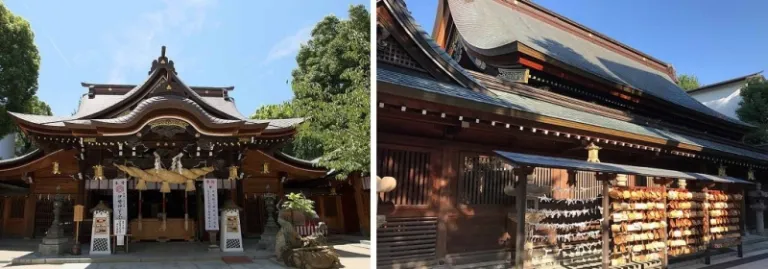
Image credit: (left) Pontafon, (right) そらみみ
Begin the final day at Kushida Shrine, affectionately called “Okushida-san” by residents. The shrine is closely associated with Hakata Gion Yamakasa, the city’s famous July festival, and visitors can usually see an elaborate decorative float within the grounds.
Look out for the strength stones dedicated by sumo wrestlers and the zodiac compass near the entrance. However, do not follow the original article’s instruction to drink from the Reisen Tsuru well. Although its salty water was traditionally associated with longevity, public drinking has been prohibited since 2016.
Kushida Shrine-mae Station, which opened in 2023 with the extension of the Nanakuma subway line, now provides the most convenient rail access.
Discover robots and science in Ropponmatsu
Robosquare is no longer a standalone free museum containing the exact collection described in the original article. It moved to the fifth-floor Basic Exhibition Room of Fukuoka City Science Museum in 2017.
The current exhibition introduces visitors to different types of robots, their basic components and the role of artificial intelligence. The wider museum also covers space, the environment, life sciences and technology, while its sixth floor houses a planetarium.
Access to Robosquare is now included with admission to the museum’s paid Basic Exhibition Room, so remove the old robot counts and scheduled performance claims.
Go Yatai Stall Hopping in Nakasu
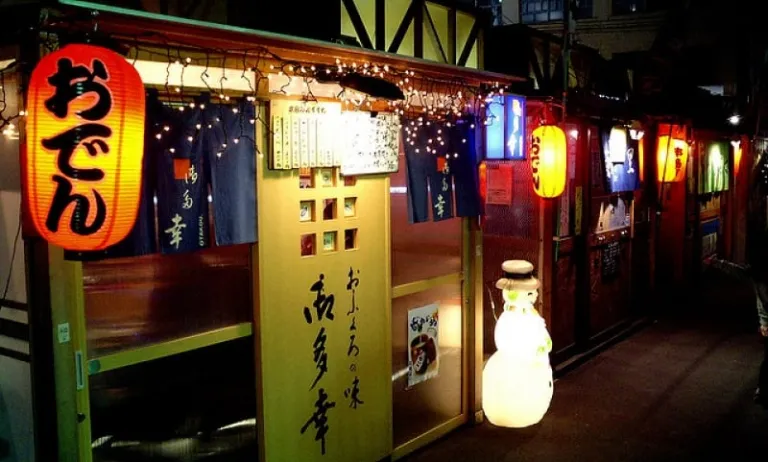
Image credit: Miki Yoshito
Spend your final evening discovering Fukuoka’s yatai culture. These compact street-food stalls begin setting up towards evening and usually accommodate only a small group of diners at a time.
Nakasu remains the city’s most photographed yatai area, but stalls can also be found around Tenjin and Nagahama. Menus extend beyond Hakata ramen to include yakitori, oden, gyoza and creative dishes prepared by individual owners.
Remove the old average-price estimates, as dishes are no longer reliably priced between ¥500 and ¥1,000. Check the menu before ordering, carry some cash in case electronic payment is unavailable and remember that opening days depend on each stall and the weather. Fukuoka’s official tourism guide continues to highlight yatai as one of the city’s signature experiences.
Bonus
Fukuoka Tower
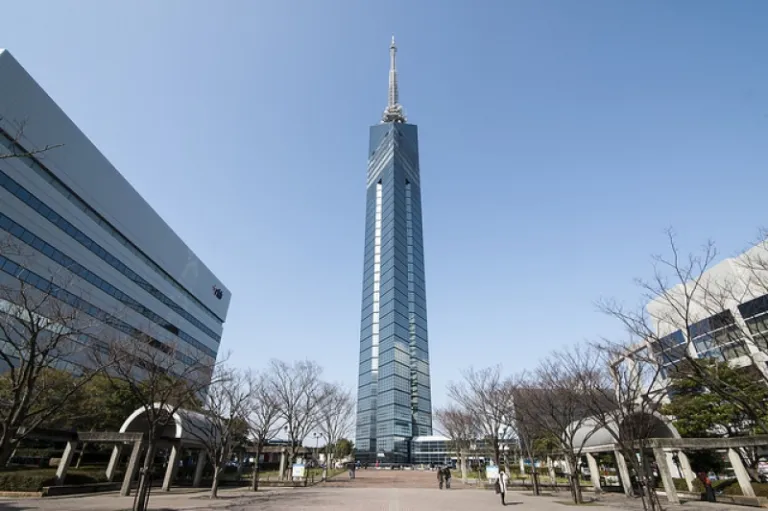
Image credit: Hyunjae Park
Standing 234 metres tall beside Hakata Bay, Fukuoka Tower remains Japan’s tallest seaside tower. Its observation floors rise as high as 123 metres and offer views across the city, waterfront and surrounding mountains.
The tower’s mirrored exterior is illuminated with seasonal designs after dark, making an evening visit especially worthwhile.
Current standard hours are 9.30am to 10pm, with last admission at 9.30pm. Admission is ¥1,000 for adults, ¥500 for elementary and junior-high students, and ¥200 for children aged four and above. The tower also closes for two maintenance days during the final week of June, so the original claim that it is open at all times should be removed.
JR Hakata City
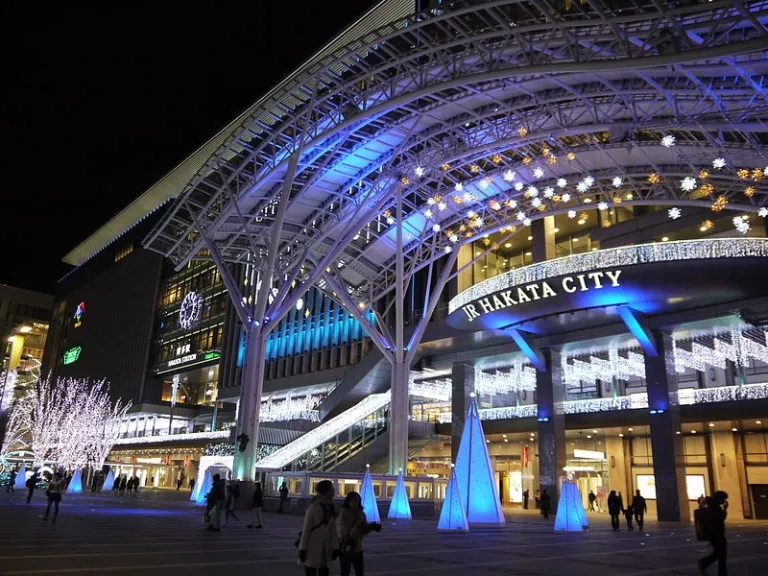
Image credit: Hakataman
Do not rush through Hakata Station without exploring JR Hakata City above it. The complex includes AMU Plaza Hakata, Hakata Hankyu, restaurants, a cinema and numerous shops directly connected to the region’s main transport hub.
The original article incorrectly describes AMU Plaza as being owned by Tokyu Hands and refers to Hakata Hankyu as a clothing-brand shop. Hakata Hankyu is a department store, while Hands is one of the retailers found within the wider station complex.
Finish at Tsubame-no-Mori Plaza, the rooftop garden featuring seasonal plants, a railway shrine, a train-viewing area and elevated views across Hakata.
Three days provide enough time to sample Fukuoka’s food, history, shopping and nightlife, especially when many of its central attractions are connected by a convenient subway network.
From a morning bowl of Hakata ramen to an evening spent shoulder-to-shoulder with locals at a yatai, the city feels welcoming without losing its distinctive character. Add a half-day in Dazaifu and you will also discover the historical connections that have shaped this gateway to Kyushu for centuries.

About Author

When Guan Yin Ma was blessing others with the gift of height, she left Cheryl out because she realised that great things should come in tiny packages, so she gifted Cheryl with endless energy, sass, and a huge smile to top it all off. Most days, she can be found planning her world domination, reading up on war and conspiracy theories, or sniffing around for cheap travel deals because she spends all her money on food.