
How to Get (Spookily) Cheap Accommodation in Japan? Stay in One of Its Haunted Houses, Of Course
Would you stay in a haunted property to save on accommodation costs?

JJapan is known for high accommodation costs in major cities such as Tokyo and Osaka, but some apartments are offered below the usual market rate for a rather unusual reason.
These homes are known as jiko bukken, or stigmatised properties. They are associated with incidents that may make prospective tenants or buyers uncomfortable, such as a suicide, homicide or unattended death requiring specialised cleaning.
Despite their reputation as Japan’s “haunted homes”, jiko bukken are not tourist accommodation or spooky alternatives to hotels. They are ordinary houses and apartments available through the property market, usually under the same long-term rental requirements as other Japanese homes.
For renters who are not troubled by a property’s history, they can sometimes provide an opportunity to live in a desirable area for less. However, the reality is more complicated than simply moving into a haunted apartment and enjoying half-price rent.
What exactly is a jiko bukken?
The Japanese term jiko bukken literally translates to “accident property”, although “stigmatised property” is often a more accurate English description.
These homes are associated with what the property industry calls a psychological defect. Unlike structural damage, plumbing problems or other physical defects, the issue is the emotional discomfort that some people may feel after learning what happened there.
Japan’s current guidelines focus mainly on deaths that could significantly affect someone’s decision to rent or buy the property.
These include:
Suicides
Homicides
Deaths connected to serious crimes
Natural or accidental deaths that went undiscovered long enough to require specialised cleaning or major restoration
Serious incidents in common areas regularly used by residents, such as entrances, lifts, corridors or staircases
Not every home where someone has died automatically becomes a jiko bukken.
Natural deaths from illness or old age generally do not require disclosure. The same applies to accidents that occur during everyday life, such as a fall on the stairs or drowning in a bath, provided that the body was found promptly and no specialised cleaning was necessary.
Properties affected by other undesirable circumstances may sometimes be described more broadly as stigmatised. These could include homes near noisy facilities, crime scenes or locations associated with organised criminal activity. However, these are not all treated identically under the guidelines governing the disclosure of deaths.
Do estate agents have to tell prospective tenants?
Japan’s Ministry of Land, Infrastructure, Transport and Tourism introduced national guidelines in 2021 to clarify when real estate agents should disclose a death connected to a residential property.
For rentals, suicides, homicides and deaths requiring specialised cleaning should generally be disclosed for around three years after the incident or cleaning work.
This is not an absolute expiry date. Particularly serious or widely known cases may still require disclosure after three years because they could continue influencing a tenant’s decision.
For properties being sold, the guidelines do not prescribe the same three-year limit. Relevant incidents generally need to be disclosed regardless of how much time has passed.
Agents should explain when and where the incident occurred, the known cause of death and whether specialised cleaning was carried out. They are expected to share information provided by the owner or management company, although they are not normally required to interview neighbours or conduct an extensive independent investigation.
The old belief that an agent only needs to tell the first tenant who moves in after an incident is therefore misleading. Disclosure depends on the circumstances, the type of transaction, the time elapsed and the seriousness of the case.
Prospective tenants can also ask directly whether any relevant incident has occurred. When specifically questioned, an agent should provide the information available or state clearly when it cannot be confirmed.
Are jiko bukken really much cheaper?
Some jiko bukken are offered at a discount because the property’s history makes it harder to attract tenants.
The size of that discount varies significantly. It depends on the incident, how recently it occurred, the property’s condition and the demand for homes in the neighbourhood.
An apartment linked to a widely publicised crime may remain deeply discounted or vacant for years. A well-renovated unit in a convenient Tokyo neighbourhood may be only slightly cheaper than another apartment in the same building.
Rising rents and property prices have also made some tenants more willing to consider these homes, particularly when the location or size would otherwise be beyond their budget.
There is no rule guaranteeing savings of 20%, 50% or any other fixed amount. Compare the rent with similar properties nearby and calculate the complete cost, including deposits, agency fees, guarantor charges, insurance and renewal fees.
A low monthly rent does not necessarily mean the entire move will be cheap.
Can foreign residents rent one?
Foreign residents generally need to complete the same rental process required for other Japanese properties.
This may include:
A valid residence status
Proof of income or employment
A Japanese bank account
An emergency contact
A guarantor or guarantor company
A security deposit and key money
Agency, insurance and cleaning fees
Being willing to accept a stigmatised property does not automatically remove these requirements.
Some landlords may be flexible because the property is difficult to rent, but others maintain the same screening procedures as they would for any other tenant. Travellers visiting Japan on a short tourist stay should not expect to rent one as an alternative to a hotel.
Monthly apartments and other furnished rentals have different arrangements, but they are not necessarily jiko bukken and should not be assumed to come with a discount.
How can you find a jiko bukken?
The most direct method is to ask a Japanese real estate agent.
Explain that you are willing to consider properties described as jiko bukken or those containing a shinriteki kashi, meaning a psychological defect.
Listings may not advertise the full story prominently. Instead, they may include phrases such as:
Kokuchi jiko ari: There is a matter that must be disclosed
Shinriteki kashi ari: The property has a psychological defect
Jiko bukken: Accident or stigmatised property
Ask the agent for a clear explanation before making any decision.
Another well-known resource is Oshima Teru, a crowdsourced website mapping properties associated with deaths and other incidents.
Listings are marked on a map and may include information about when and what happened. However, the database is user-generated. It may contain incomplete or inaccurate reports, and not every relevant property appears on it.
Use it as a starting point rather than definitive proof. Confirm the details with the property agent or management company before signing a contract.
What should you check before moving in?
A property’s history should not distract you from the practical checks required for any home.
Inspect the apartment carefully and ask about:
Unusual smells or signs of moisture
Mould, insects and pests
Fire, smoke or water damage
The age of the plumbing and electrical systems
Noise from neighbours, roads or nearby businesses
Mobile coverage and internet availability
Heating, cooling and insulation
Evacuation routes and earthquake safety
The condition of walls, flooring and fixtures
What restoration or specialised cleaning was completed
If the incident involved a death that went undiscovered, ask whether professional deodorisation, disinfection and pest treatment were carried out.
You should also understand exactly what is included in the contract. Confirm the rent, deposit, move-in fees, contract term, renewal charges and conditions for recovering your deposit when you leave.
Photograph the apartment’s condition before moving in and ensure that existing marks or damage are documented.
What about the property’s history?
The stories behind jiko bukken involve real people and families.
Older coverage sometimes treats these homes as horror attractions, focusing on sensational crime details or inviting readers to imagine ghosts living beside them. That approach can overlook the grief experienced by relatives, neighbours and property owners.
It is reasonable to ask what happened before committing to a home. However, there is no need to seek graphic details or turn the property into a sightseeing destination.
Do not visit a private residence solely because it appears on a stigmatised-property map. Avoid photographing occupants, questioning neighbours or sharing an exact address online.
Whatever someone believes about spirits or hauntings, the incident itself deserves sensitivity.
Should you rent a jiko bukken?
That depends entirely on your personal comfort level.
Some people would find it impossible to relax in a home associated with a violent or lonely death. Others see no practical difference once the property has been cleaned, renovated and declared safe to occupy.
Potential advantages may include:
Lower rent
A larger apartment than your budget would normally allow
A convenient location
Greater negotiating flexibility
Possible disadvantages include:
Emotional discomfort
Concern from family members or housemates
Persistent attention following a widely reported incident
Difficulty subletting or transferring the lease
Uncertainty about whether the discount is actually worthwhile
The decision should be based on more than superstition. Consider the property’s physical condition, the nature of the incident, the amount saved and whether you would genuinely feel comfortable living there.
A cheaper home, but not a novelty stay
Jiko bukken provide an unusual look at how culture, psychology and property law intersect in Japan.
They may be cheaper than comparable homes, but discounts are not guaranteed and the ordinary challenges of renting in Japan still apply. Foreign tenants will need the proper residence status, paperwork and financial arrangements, just as they would for any other apartment.
Approach the search with curiosity but also with respect. Ask direct questions, inspect the home carefully and confirm every important detail before signing.
For someone who is comfortable with the property’s history, a jiko bukken could offer genuine value. For everyone else, peace of mind may be worth paying a little more.
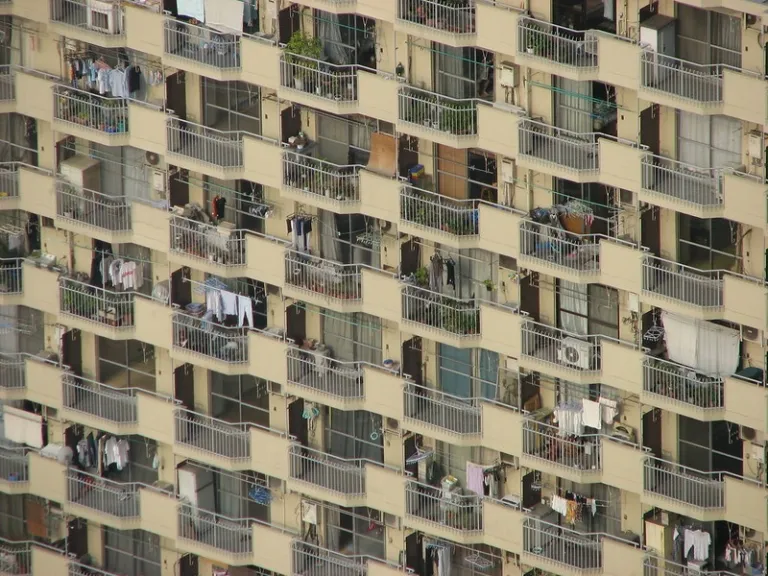
Image credit: Ian Muttoo
Also Read: 8 Useful Tips To Enjoy Amazing Savings On Your Accommodation in Japan
Would you stay in a jikko bukken?

About Author

Besides dreaming of far-fetched locations, Alicia enjoys training herself and others on ice in figure skating.
Recommended Reads
How to Avoid Vacation Rental Nightmares
Guest Contribution