
What Is a Codeshare Flight? A Simple Guide to Clear Your Confusion
Same journey, but listed under two different airline names and flight numbers? Here's what it is.

You have probably seen it before while booking a flight: the same journey listed under two different airline names and flight numbers. One flight is operated by, say, Singapore Airlines, but it also appears to be sold by Lufthansa or SAS.
That is a codeshare flight.
While the concept sounds technical, it is actually quite simple. And understanding it can save you money, confusion, and even a few headaches at the airport.
Also read: Why Does Airplane Food Taste So Bad?
The Basic Definition
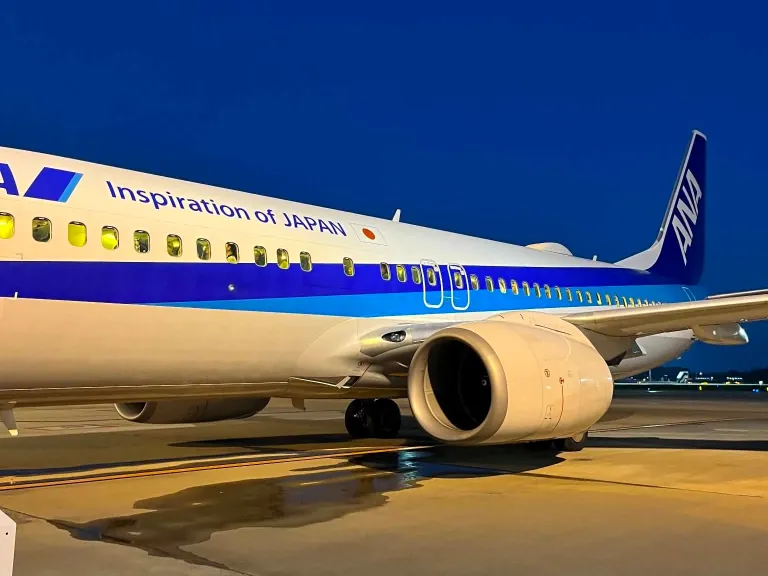 Image credit: Cecelia Chang
A codeshare is a commercial agreement between two or more airlines. One airline – known as the "operating carrier" – flies the plane. Another airline – the "marketing carrier" – sells seats on that same flight under its own name and flight number.
In short: one plane, multiple airline names.
For example, Singapore Airlines and Turkish Airlines have a codeshare agreement. You might book a ticket through Turkish Airlines, but the plane you board is operated and crewed by Singapore Airlines. Both flight numbers appear on the same route.
Why Do Airlines Do This?
Airlines enter codeshare agreements for two main reasons: reach and convenience.
A small regional airline cannot fly everywhere. But by codesharing with a larger global carrier, it can offer its passengers a seamless ticket to hundreds of destinations it does not actually serve.
Similarly, a full-service airline like Singapore Airlines or Qatar Airways can use codeshares to fill more seats on its existing routes while offering passengers a wider network without adding extra planes.
From a business perspective, codeshares allow airlines to act larger than they are.
Why Should You Care?
Codeshare flights benefit travellers in three specific ways.
1. Seamless connections on a single ticket
You can book a journey from Penang to Paris under one airline's booking reference, even if a partner carrier operates the second leg. Your bags are checked through to your final destination. If your first flight is delayed, the operating and marketing carriers share responsibility for rebooking you.
2. Access to more routes and frequent flyer benefits
A codeshare agreement often allows you to earn and redeem miles across both airlines. If you hold elite status with Singapore Airlines' KrisFlyer programme, you may receive priority boarding or lounge access when flying on a codeshare operated by Air New Zealand or SAS.
3. More flight options when booking
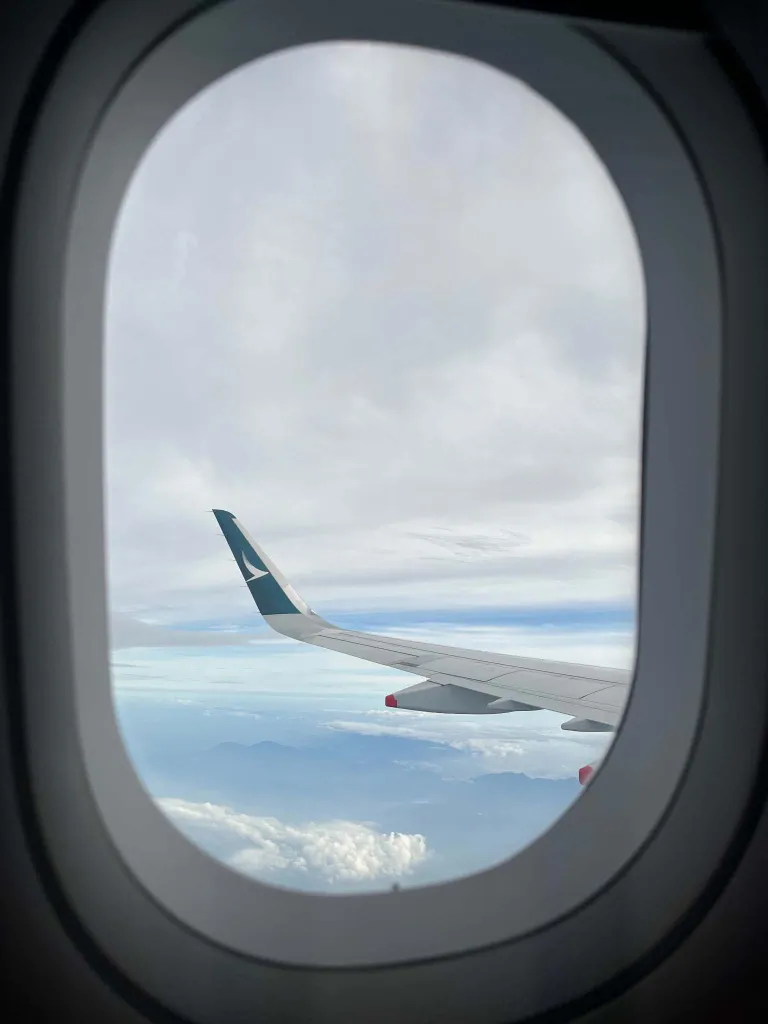 Image credit: Cecelia Chang
You may prefer booking all your flights with a single airline for loyalty or credit card purposes. Codeshares let you do that while still flying with a safe, reputable partner.
The Potential Pitfalls
However, codeshare flights are not without confusion. Here is what to watch for.
1. The operating carrier is what matters
Always check the small print. A ticket might say "Singapore Airlines" in large letters, but deep in the booking details, you will see "Operated by ." That is the airline whose check-in counter you need, whose baggage policy applies, and whose crew will be on board.
Show up at the wrong counter, and you will be redirected.
2. Different service standards
A codeshare flight sold by a premium airline but operated by a low-cost or regional carrier may not include the same meals, seat pitch, or baggage allowance you expected. Always review the operating carrier's policies before you book.
3. Limited rebooking flexibility
If your codeshare flight is cancelled, the marketing carrier (the one you booked through) will usually help you rebook. But during major disruptions, the operating carrier's own passengers often get priority. This is a rare but real risk.
Also read: From Penang to Poland for RM3,500? M'sian Shares Her Land Journey from Asia to Europe
Codeshare flights are a standard and safe part of modern air travel. They give passengers more choice, better connections, and the ability to earn loyalty benefits across partner airlines.
Just remember the golden rule: always know the operating carrier. That is the airline that actually flies your plane, serves your meal, and gets you to your destination.
Book smart, check the fine print, and enjoy the journey!

About Author

Born in a new village in Selangor, Malaysia, Cecelia loves three things in life: Good food, good views, and good deals. She also enjoys exploring new places and experiencing new things on her travels.
Recommended Reads
Budget vs Full-Service Airlines: What’s the Real Difference?
Travel Inspiration
22 Photos That Will Make You Want to Live in Davao for Good
Inspiration Mondays