
Budget vs Full-Service Airlines: What’s the Real Difference?
Remember, the “best” option isn’t always the cheapest!

When planning a trip, one of the first decisions you’ll make is choosing between a budget airline and a full-service carrier. While the price difference can be tempting, the overall experience can vary significantly. So what exactly are you paying for, and which option makes more sense for your trip?
Here’s a practical guide to help you identify the differences between a budget airline and a full-service carrier, particularly for Singaporean and Southeast Asian travellers. Read first, decide later!
Also read: Alternative Flight Routes to Europe and USA During the Middle East Airspace Closure
Which are which? Examples of Budget and Full-Service Airlines
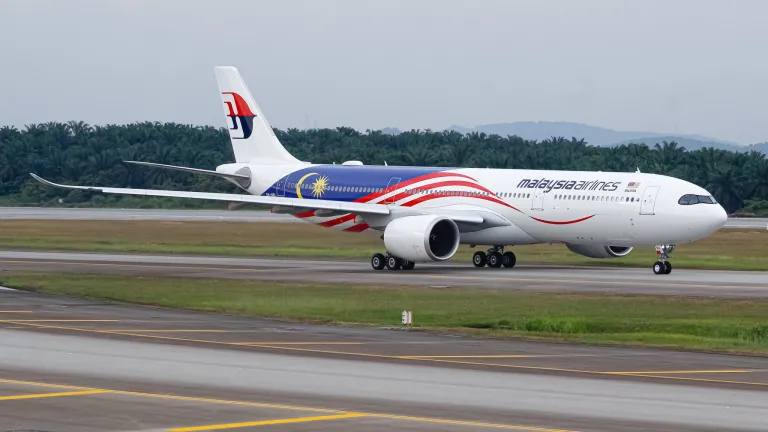 Image credit: Malaysia Airlines | Official Facebook
Budget and full-service airlines exist across every continent, though the options you’re most familiar with will likely be in the Asia-Pacific.
In Southeast Asia, popular budget carriers include AirAsia, Scoot, and VietJet Air, while full-service names include Singapore Airlines, Garuda Indonesia, and Thai Airways.
In Europe, budget giants like Ryanair and easyJet dominate short-haul travel, while full-service carriers such as Lufthansa and Air France handle both regional and long-haul routes. In North America, Southwest Airlines and Spirit Airlines represent the budget segment, while Delta Air Lines and United Airlines are major full-service carriers.
In the Middle East, full-service airlines like Emirates, Qatar Airways, and Etihad Airways are globally renowned for premium service, while budget options such as Air Arabia are growing in popularity.
Meanwhile, Oceania features budget airlines like Jetstar alongside full-service carriers such as Qantas.
1. Ticket Price: What You See vs What You Pay
Budget airlines like AirAsia, Scoot, and Cebu Pacific are known for ultra-low base fares. However, these typically exclude add-ons like checked baggage, meals, seat selection, and onboard entertainment. So if you're on a five to six-hour flight and feel hungry all of a sudden, you'll have to pay for meals on the plane.
On the other hand, full-service carriers such as Singapore Airlines, Malaysia Airlines, and Thai Airways bundle these into the ticket price.
TripZilla tip: For short trips, budget airlines can be significantly cheaper. But once you add extras, the price gap may shrink.
2. Baggage Allowance
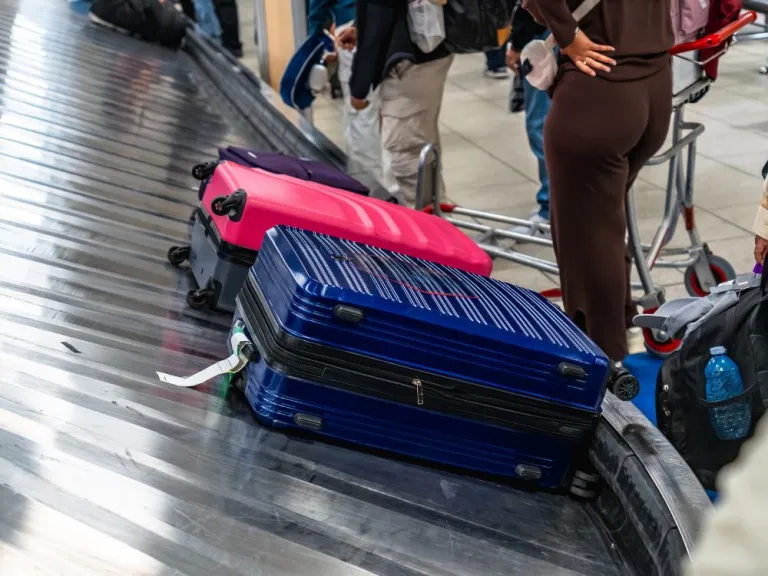 Image credit: Unai Huizi from Imágenes de unaihuizi via CanvaPro
Budget airlines usually charge for checked baggage, and cabin baggage limits can be stricter. Airlines like AirAsia and Batik Air have a 7kg limit on cabin baggage, and there's a restriction on bag size too.
Full-service airlines typically include:
20–30kg checked baggage
More generous cabin allowance
For Southeast Asian travellers, if you’re heading to places like Bangkok, Seoul, or Tokyo for shopping, a full-service ticket may save you money and hassle in the long run.
3. Comfort
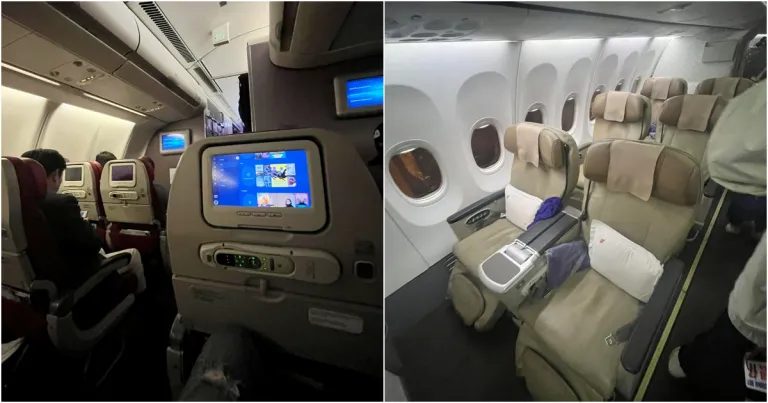 Image credit: Cecelia Chang
On budget carriers, seats are generally tighter, with limited recline. This is because budget airlines prioritise high-density seating and lightweight, low-maintenance designs to maximise passenger capacity and fuel efficiency. It allows them to keep ticket prices as low as possible.
Full-service airlines, on the other hand, offer:
Complimentary meals and drinks
Wider seats and more legroom
Personal entertainment screens (on most medium- and long-haul flights)
For shorter routes such as Kuala Lumpur, Penang, or Jakarta, budget airlines are usually sufficient. For longer flights to destinations like Japan or Australia, comfort becomes more important.
4. Airports and Flight Experience
Budget airlines sometimes operate from secondary terminals or less central airports to keep costs low.
Full-service airlines usually operate from main terminals with better connectivity and lounge access. They also tend to offer more reliable schedules and better support during delays or cancellations.
5. Flexibility and Customer Service
Budget tickets are often non-refundable and expensive to change.
Full-service airlines typically provide more flexible change policies, as well as easier rebooking during disruptions
This can be especially important during peak travel periods or unpredictable weather conditions in Southeast Asia.
6. Route Network and Connectivity
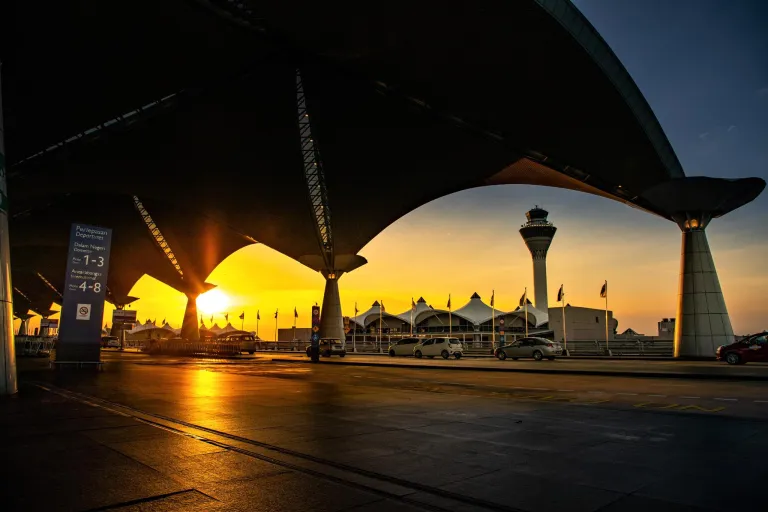 Image credit: Malaysia Airports | Official Facebook
Full-service airlines usually offer better connectivity through major hubs such as Singapore, Kuala Lumpur, and Bangkok.
Budget airlines are ideal for:
Direct, short-haul routes
Quick regional getaways
Full-service carriers are better suited for:
Long-haul travel
Multi-city itineraries
Seamless transit connections
So, Which Should You Choose?
Choose budget airlines if:
You are travelling light
It is a short trip (2–4 hours)
You want the lowest upfront cost
Choose full-service airlines if:
You are flying long-haul
You require baggage and meals included
You value comfort and flexibility
Also read: Free Things You Can Ask for on a Singapore Airlines Flight
For many Southeast Asian travellers, the best option is not always the cheapest. It is the one that fits your travel needs. A quick weekend trip to Bali may work well with a budget airline, while a long-awaited journey to Japan or Europe may be more enjoyable with a full-service carrier.
As a Malaysian, I would personally opt for full service airline every time I travel, unless I’m travelling domestically. What about you?

About Author

Born in a new village in Selangor, Malaysia, Cecelia loves three things in life: Good food, good views, and good deals. She also enjoys exploring new places and experiencing new things on her travels.