
From Penang to Poland for RM3,500? M'sian Shares Her Land Journey from Asia to Europe
A blueprint for your own "Trans-Eurasian" expedition!

In a world of budget flights and quick transits, one Malaysian traveller, known as Travel With Sparrow (@siaosparrow on Instagram), has proven that the scenic route isn't just possible, it’s remarkably affordable. By crossing eight borders entirely by land, she successfully travelled from Penang to Central Europe with a total transportation spend of just RM3,500. What’s more impressive? She’s a solo female traveller who’s doing all these alone!
If you’ve ever dreamed of a slow-travel adventure across continents without having to fly, here is the blueprint for your own "Trans-Eurasian" expedition.
Also read: A Budget Travel Guide to Shanghai: Flight Deals and Getting Around
1. The Master Route: Leg by Leg
In her video, which has already surpassed four million views, Travel with Sparrow shared her epic overland journey. She started in Malaysia, travelled through Thailand and Laos into China, then continued to Mongolia and Russia, before finally reaching Central Europe, including stops in Estonia and Poland.
 Image credit: Travel With Sparrow | Instagram
Leg | Mode of Transport | Estimated Cost (RM) | Duration |
Penang → Bangkok | KTM Train / Thai Railway | ~RM180–220 | 22–24 hours |
Bangkok → Vientiane | Overnight Sleeper Train | ~RM130 | 12 hours |
Vientiane → Kunming | Laos-China Railway (LCR) | ~RM350–450 | 10 hours |
Kunming → Beijing | High-Speed Rail (HSR) | ~RM550 | 11–13 hours |
Beijing → Ulaanbaatar | Trans-Mongolian Train | ~RM776* | 27–30 hours |
Ulaanbaatar → Irkutsk | International Train | ~RM400 | 24 hours |
Irkutsk → Moscow | Trans-Siberian Railway | ~RM800–1,000 | 3.5–4 days |
Moscow → Estonia/Poland | Cross-border Bus (Lux Express) | ~RM250–350 | 12–16 hours |
Her tip: She recommends taking a bus/jeep combo from Beijing to the Mongolian border (Erlian), and then a local train to Ulaanbaatar, which can slash this cost to roughly RM177.
2. How to book everything? Some Essential Booking Tips
The "Comfort" Trade-off: While the RM3,500 budget includes sleeper berths for long hauls, you can potentially drop your costs to RM2,000 if you opt for "Hard Seats" or third-class carriages.
Book in Advance: International train tickets (especially Beijing–Mongolia–Russia) can sell out weeks in advance. Use platforms like Trip.com for China Rail and 12Go.Asia for Thailand/Laos.
App Savvy: Download Baidu Maps or Gaode Maps for China, and Yandex Go for Russia, as Google Maps is often unreliable in these regions.
Multi-Currency Wallets: Use YouTrip or Revolut to hold THB, CNY, and EUR. For Russia, however, note that international cards (Visa/Mastercard) may still face restrictions; it’s wise to carry some USD or Euro cash to exchange for Rubles at the border or in major cities.
Roaming: Instead of buying 8 different SIM cards, check the ReadyRoam (Singtel) or Roam-and-Away (StarHub) plans. However, for a 30-day trip, a dedicated travel eSIM like Airalo or AIRSIM (which Standard Chartered cardmembers get a 25% rebate on!) is often the most cost-effective way to stay connected across the Eurasian landmass.
3. Visa Requirements for Malaysians (2026)
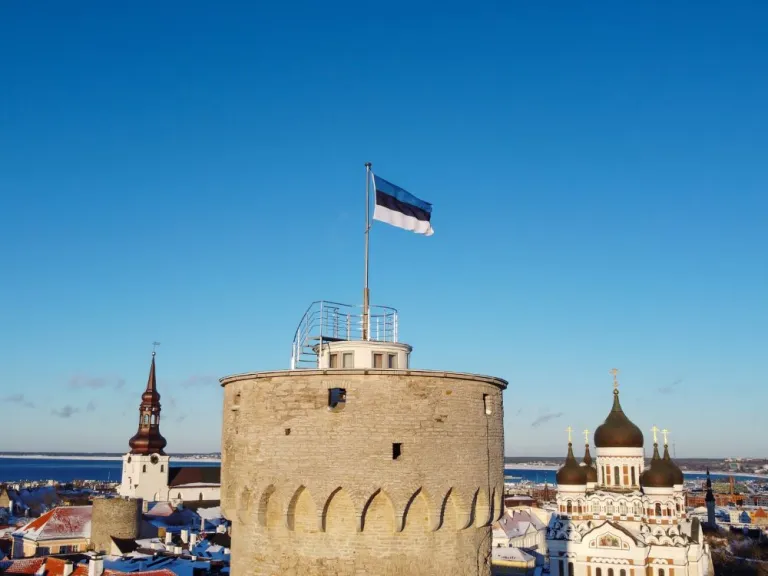 Image credit: raitton from pixabay via CanvaPro
One of the reasons this route is so "Malaysian-friendly" is our strong passport, but there are still hurdles:
• Thailand & Laos: Visa-free (30 days).
• China: Visa-free for Malaysians (up to 30 days) under current bilateral agreements.
• Mongolia: Visa-free (30 days).
• Russia: Visa Required. Malaysians must apply for a Tourist Visa. You will need a "Letter of Invitation" (LOI), which can be purchased from authorised Russian travel agencies online.
• Schengen Area (Estonia/Poland): Visa-free (90 days).
4. Visa Requirements for Singaporeans (2026)
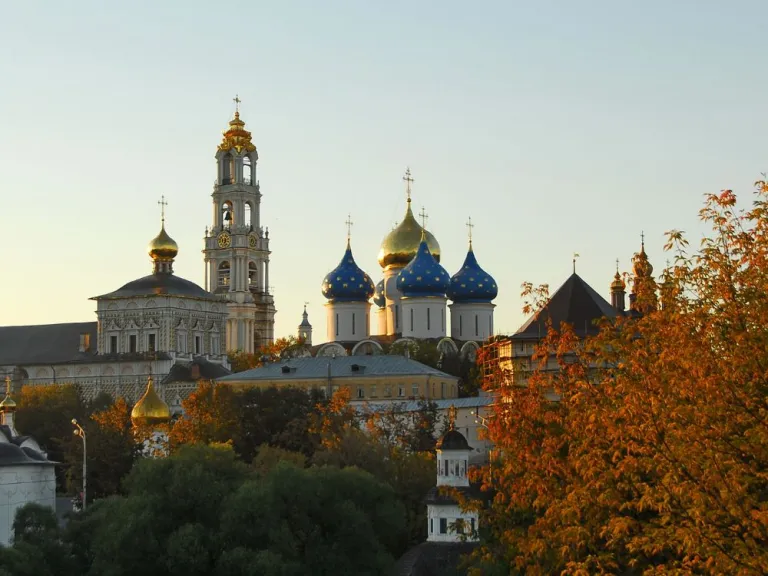 Image credit: Oleksandr Umanskyi from Getty Images Pro
The "Little Red Dot" passport is a massive advantage on this route, offering visa-free access to almost every stop along the way.
• Thailand & Laos: Visa-free (30 days). Perfect for the first leg of your journey through Bangkok and Vientiane.
• China: Visa-free (30 days). Under the reciprocal visa exemption, Singaporeans can explore China for up to a month without any prior application—plenty of time to take the high-speed rail from Kunming to the Mongolian border.
• Mongolia: Visa-free (30 days). You can hop off the train in Ulaanbaatar and explore the Gobi Desert or stay in a traditional ger without worrying about paperwork.
• Russia: Visa Required. This is the only major hurdle. The E-Visa Option: As of 2026, Singaporeans are eligible for the Unified E-Visa, which is much simpler than the old paper process. It allows for a stay of up to 16 days—ideal for crossing the country via the Trans-Siberian Railway.
You'll need a digital photo and a passport valid for at least 6 months. It usually takes about 4 days to process.
• Schengen Area (Estonia/Poland): Visa-free (90 days). Once you cross the Russian border into the EU, you have three months of freedom to wander through the Baltics and Central Europe.
5. Her Insights
 Image credit: Travel With Sparrow | Instagram
"Don't let money, status, or society's expectations be the reason you stop. Dare to dream and be brave enough to chase what you love," Travel with Sparrow said.
Accommodation Savings: By frequently choosing overnight sleeper trains, you effectively combine your transport and accommodation costs into one ticket.
Safety for Solo Women: She emphasises that careful planning, such as choosing well-lit stations and reputable bus companies like Lux Express or Ecolines in Europe. This makes solo travel safe and manageable.
Communication: Buy a local SIM card in each major hub (or an eSIM like AIRSIM) to ensure you have access to translation apps and digital boarding passes.
Also read: How I Spent Less Than S$200 on a Super Budget Trip to Singapore and Johor Bahru!
Ultimately, this land journey is about more than just saving money; it’s a testament to the rewards of "slow travel." In an era of instant gratification, crossing the Eurasian landmass by rail and bus forces you to witness the gradual shift in culture, cuisine, and climate that a three-hour flight simply cannot capture.
Whether you are a Malaysian or a Singaporean traveller, the message from Travel with Sparrow is clear: the world is far more accessible than our fears, or our bank balances, might suggest.

About Author

Born in a new village in Selangor, Malaysia, Cecelia loves three things in life: Good food, good views, and good deals. She also enjoys exploring new places and experiencing new things on her travels.