
Top 5 Turbulence-Prone Flights Every Traveller Should Know
Every high has to come with some lows.

Even seasoned travellers can find themselves gripping their armrests a little tighter during turbulence. If you’ve ever wondered which flight routes are most prone to bumpy rides, here are the top 5 turbulence-prone flights in 2024.
Also read:14 Tips & Tricks for Surviving Long-Haul Flights
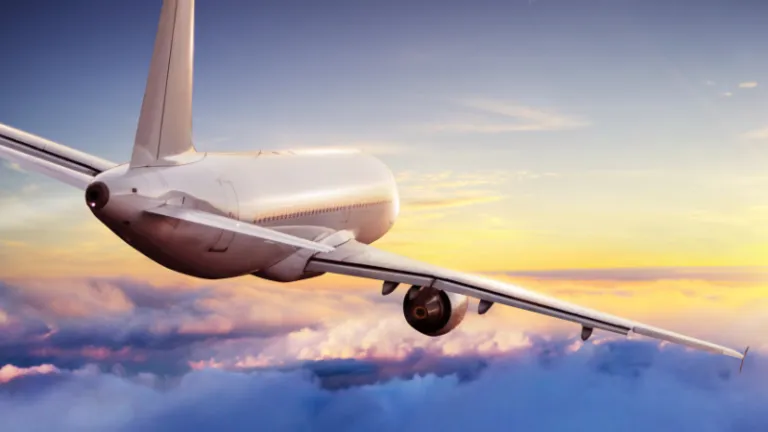
Image Credits: jakubgojda | Canva Pro
What Causes Turbulence?
Some of the bumpiest routes in the world share one thing in common: they traverse mountainous regions, where wind patterns and jet streams can create turbulent conditions.
Turbulence on these routes is primarily caused by:
Mountainous Terrain:
Airflows around mountain ranges like the Andes, Himalayas, and Rockies can create significant disturbances.
Jet Streams:
Fast-moving air currents at high altitudes are common near these regions.
Rising Global Temperatures:
Scientists note that warming climates may increase instances of clear-air turbulence, which is harder to predict and occurs without visual cues.

Image Credits: Pascal Lottenbach | Canva Pro
Turbulence is measured by Eddy Dissipation Rate (EDR). It quantifies the rate at which energy is transferred within turbulent airflows. The higher the EDR value, the more turbulent the conditions.
Top Turbulent Routes in 2024
Here are the top five international routes that have earned a reputation for being especially bumpy:
Mendoza, Argentina (MDZ) – Santiago, Chile (SCL):
This short route over the Andes Mountains holds the title of the most turbulent in the world, with an average EDR of 24.684.
Córdoba, Argentina (COR) – Santiago (SCL):
Another Andes-crossing route, with an average EDR of 20.214
Mendoza (MDZ) – Salta, Argentina (SLA):
This route is no stranger to turbulence either, with an average EDR of 19.825.
Mendoza (MDZ) – San Carlos de Bariloche, Argentina (BRC):
Yet another bumpy route in Argentina, with an average EDR of 19.252.
Kathmandu, Nepal (KTM) – Lhasa, Tibet (LXA):
Crossing the Himalayas, this route experiences an average EDR of 18.817.
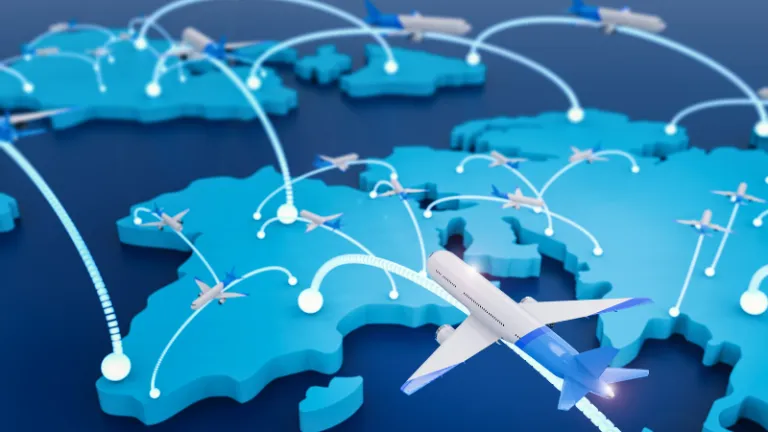
Image Credits: phonlamaiphoto | Canva Pro
Tips for Travelers
If you’re travelling on one of these routes, here are some tips to make your flight as smooth as possible. Firstly, keep your seatbelt fastened. The Federal Aviation Administration (FAA) recommends wearing your seatbelt at all times while seated. Secondly, choose your seats wisely. Seats over the wings typically experience less motion during turbulence. Thirdly, remember to relax and enjoy the ride. Pilots are trained to handle turbulence, and planes are built to withstand it.
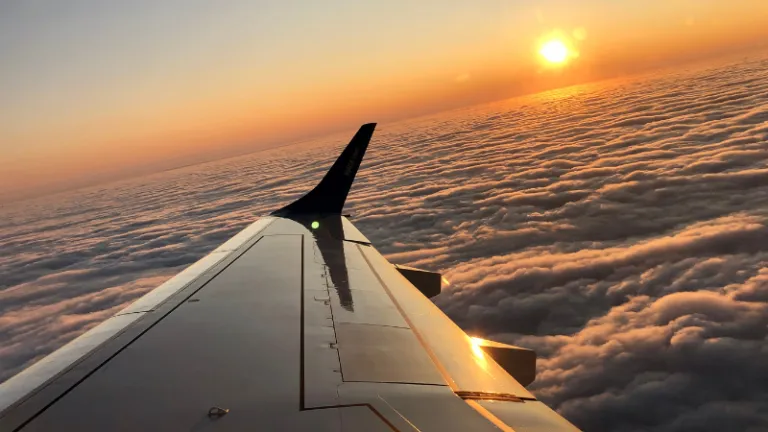
Image Credits: Flavio Del Peschio | Canva Pro
Also read: I Survived 24 Hours in Changi Airport: My Essential Tips for Crazy Flight Cancellations
Turbulence is just a small part of the journey. Whether you’re crossing the Andes, navigating the Rockies, or soaring over the Himalayas, the destination—and the incredible views along the way—are well worth the ride.

About Author

Xing Tian believes that every journey is best shared and enjoys having company to share her thoughts with. Always looking for aesthetic spots and stunning views, Xing Tian thrives on a full day of adventures rather than taking it slow. With a cheerful and energetic spirit, she sees every trip as an opportunity to have new experiences.
Recommended Reads
Budget vs Full-Service Airlines: What’s the Real Difference?
Travel Inspiration