Cecelia Chang
The winter chill has a distinct magic this year as Northern Italy takes centre stage for the Winter Olympics 2026 Games. For the first time in Olympic history, the event is being co-hosted by two distinct icons: the sleek, fashion-forward metropolis of Milan and the “Queen of the Dolomites,” Cortina d’Ampezzo.
This unique pairing offers a travel experience of two halves, blending the sophisticated energy of an Italian city break with the rugged, breathtaking beauty of a world-class alpine retreat!
Also read: Paris vs. Milan: Which Fashion Capital in Europe Should You Visit First?
Things to know about the Winter Olympics 2026 host
A Geographic Spectacle
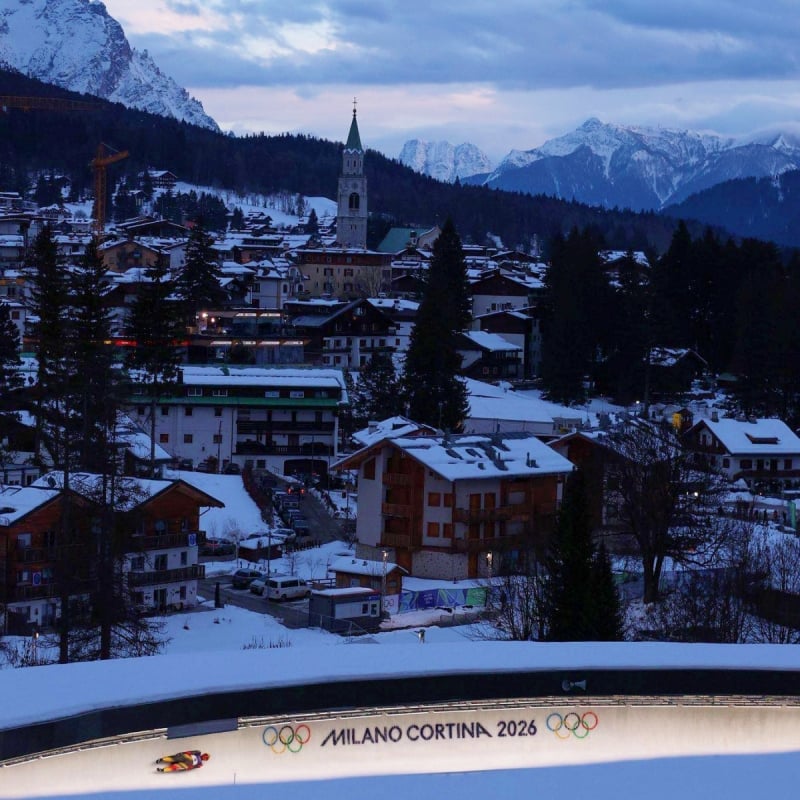
Unlike previous Winter Games held in a single hub, the Winter Olympics 2026 in Milano Cortina spreads across more than 22,000 square kilometres of northern Italy. The Milan cluster hosts most ice sports. Figure skating and ice hockey take place at the famous Mediolanum Forum and the new Santa Giulia Arena.
Meanwhile, the action shifts to the UNESCO World Heritage peaks of the Cortina cluster for the mountain drama. This is where women’s alpine skiing takes place on the legendary Olimpia delle Tofane slope. The Games also stretch into Bormio for the men’s alpine events and Livigno for freestyle skiing, making it a true regional celebration that invites travellers to explore the diverse landscapes of Lombardy and Veneto.
Historic Ceremonies
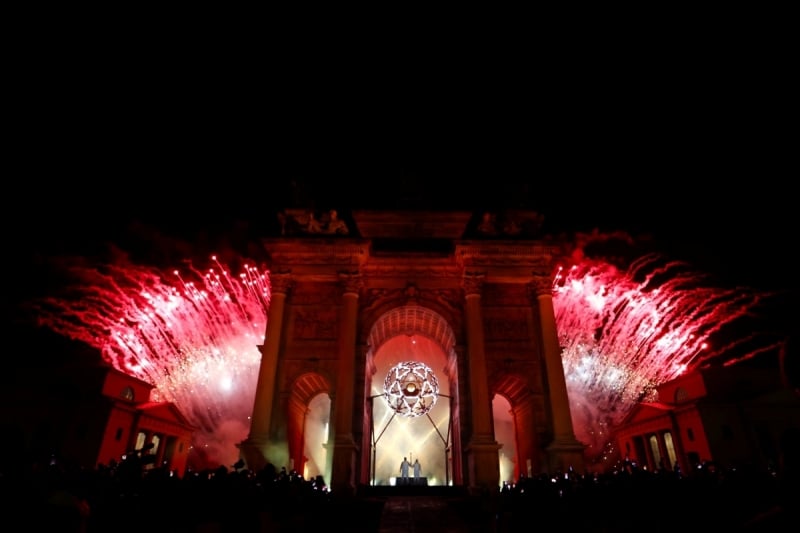
Italy is renowned for its flair for spectacle, and the 2026 ceremonies are no exception. The Opening Ceremony, held on 6 February, turned Milan’s iconic San Siro Stadium into a theatre of light and music, celebrating Italy’s rich cultural heritage.
In a poetic twist, the Closing Ceremony on 22 February will move away from the city stadium to the historic Arena di Verona. There is something profoundly moving about watching the Olympic flame extinguished within a Roman amphitheatre that has stood for nearly two millennia. It bridges the gap between ancient traditions and modern athletic achievement.
Navigating the Italian North
While the scenery is undeniably stunning, visitors should note that the two main hubs are far apart, often requiring a five-hour road journey. Public transport has been strengthened for the Games, and rail travel is strongly recommended over driving. This is because mountain passes can be treacherous, and many areas are restricted to Olympic permit holders.
For those flying in, transit hubs are busier than usual, but recent infrastructure upgrades have made travel from the airport to the city centre far more seamless for international arrivals.
Beyond the Winter Olympics 2026
If you find yourself in Italy without tickets to the main events, the atmosphere in the fan villages is a highlight in itself. In Milan, the Piazza del Cannone has become a buzzing social hub with live screenings and DJ sets, while the mountain villages offer a more rustic charm.
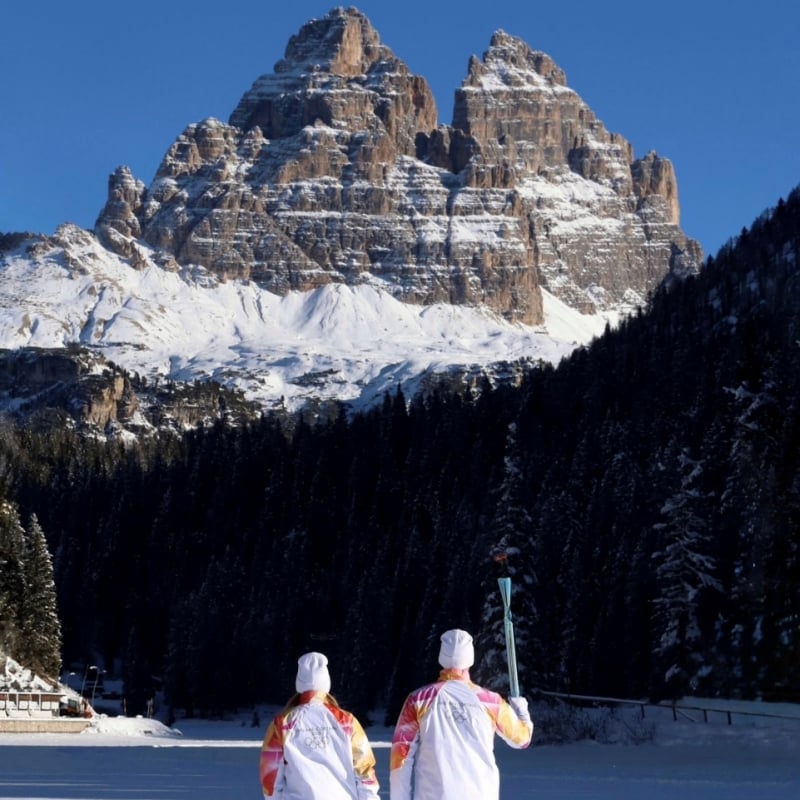
Between events, there are endless opportunities for “side quests,” such as exploring the Three Peaks of Lavaredo or indulging in a snowmobile safari through the Dolomites. It is a time when the Italian lifestyle takes centre stage, where a morning of world-class skiing is followed by a long, polenta-fuelled lunch and a sunset aperitivo in a snow-dusted piazza.
Essential Travel Advice

For those making last-minute plans to the Winter Olympics 2026, remember that the climate varies wildly between locations. Milan may be a crisp 5°C, but the mountain altitudes demand serious winter gear. It is also worth noting that while the Games are the main attraction. Milan’s permanent wonders, like Da Vinci’s The Last Supper or the Duomo terraces, are experiencing record demand, so booking sights well in advance is essential.
Also read: Lake Como Day Trip Guide and Itinerary: Como, Bellagio & Varenna from Milan
Ensure your passport is valid for at least three months beyond your stay, and embrace the local pace of life as Italy hosts a Winter Olympics that is as much about culture and creativity as it is about medals.