Sudhiksha
Museums across Asia are changing. They no longer ask visitors to stand back and observe quietly. Instead, they invite people to touch, play, build, and participate. Technology, design, and storytelling now sit at the centre of the experience.
Across the region, interactive museums reflect how people want to travel today. Travellers seek experiences, not static displays. These museums stand out for how they engage the senses and turn learning into something memorable.
Also read: Weekend Movie Experiences for Every Type of Cinephile in Singapore
Memorable museums for interactive experiences in Asia
Step inside digital dreams at TeamLab Borderless, Tokyo, Japan
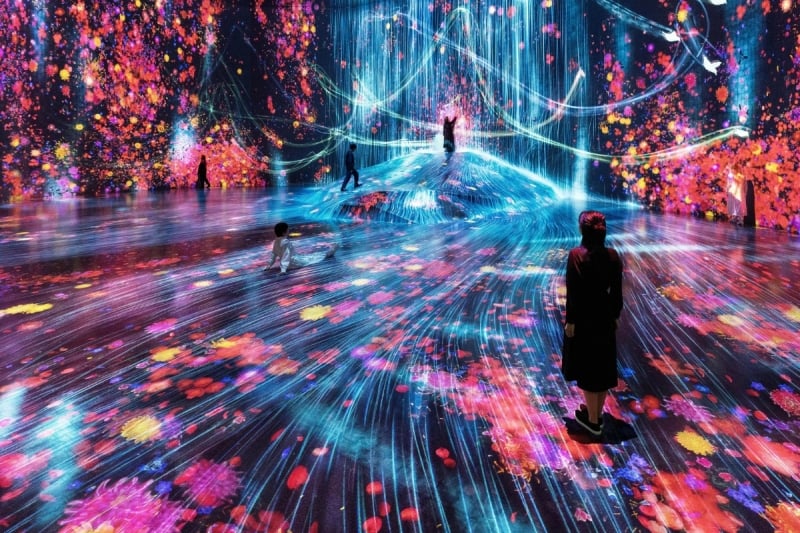
Image credit: teamLab
In Tokyo, immersion reaches its most dramatic form. TeamLab Borderless is less a museum and more a constantly shifting world of light and colour. Digital artworks move freely across rooms, merging and separating without physical boundaries.
There is no fixed route. Visitors trigger changes simply by walking through the space, with projections responding to movement, sound, and time. Each visit feels different, encouraging exploration rather than passive viewing.
Experiment freely at ArtScience Museum, Singapore
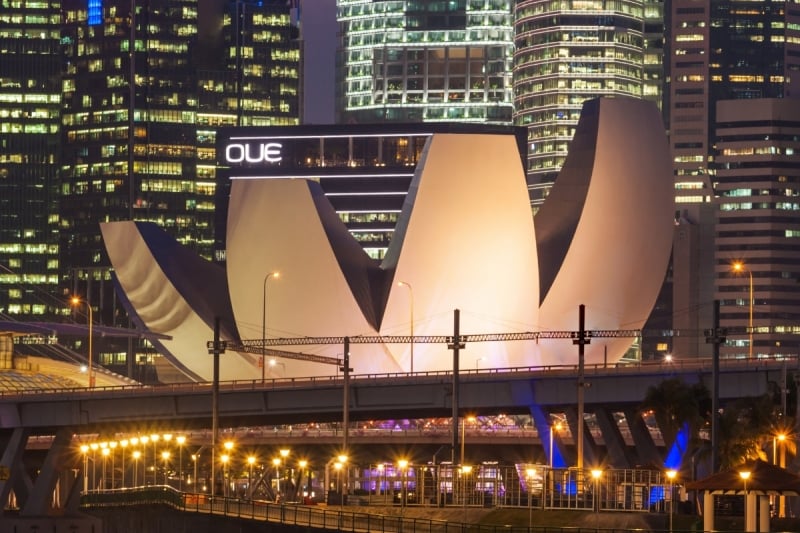
Image credit: Andrey via Canva Pro
In Singapore, creativity leads the experience. ArtScience Museum explores the intersection of art, science, and technology through interactive exhibitions. Digital installations encourage visitors to draw, build, and experiment.
The permanent Future World gallery is a highlight. Here, artworks respond instantly to touch and movement. Children engage instinctively, while adults appreciate the thoughtful design behind each experience.
Explore culture through play at the National Museum of Korea, Seoul
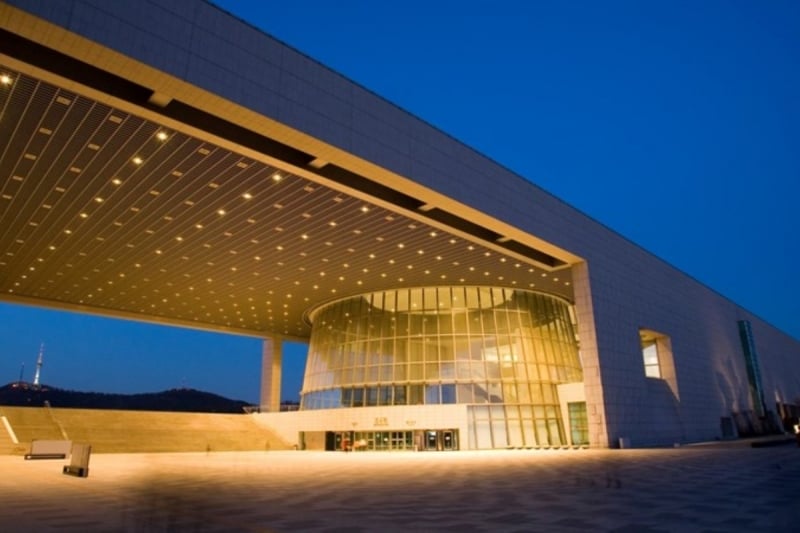
Image credit: Museums of the World
In contrast, Seoul approaches interactivity through culture and history. The National Museum of Korea uses digital displays, touchscreens, and multimedia storytelling to bring artefacts to life.
Discovery zones allow hands-on exploration, particularly for younger visitors. At the same time, immersive explanations provide adults with a deeper cultural context, creating a balanced and engaging experience.
Create and experiment at Red Dot Design Museum, Xiamen, China
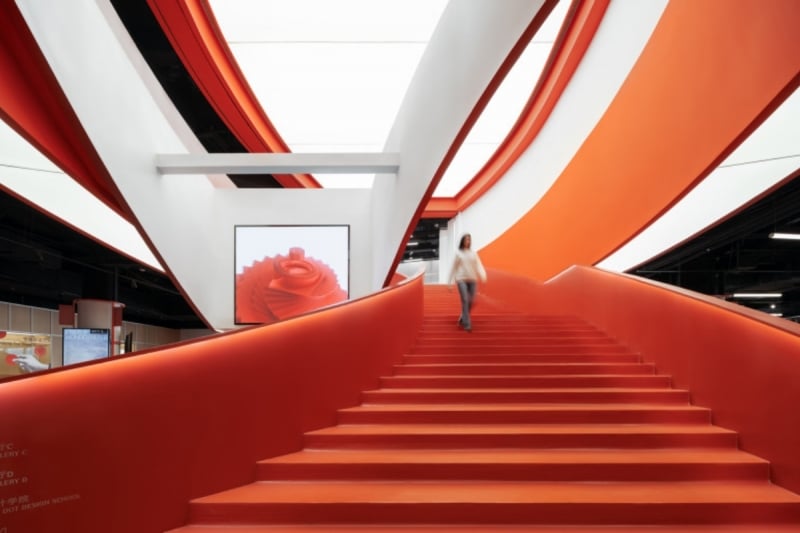
Image credit: Frame magazine
For travellers interested in design, Xiamen offers a different perspective. The Red Dot Design Museum focuses on innovation and problem-solving. Interactive exhibits explain how everyday objects are conceived and refined.
Visitors can explore materials, prototypes, and design processes up close. The museum shows how good design improves daily life, making it relevant even to those without a creative background.
Question perception at the Museum of Contemporary Art and Design, Philippines
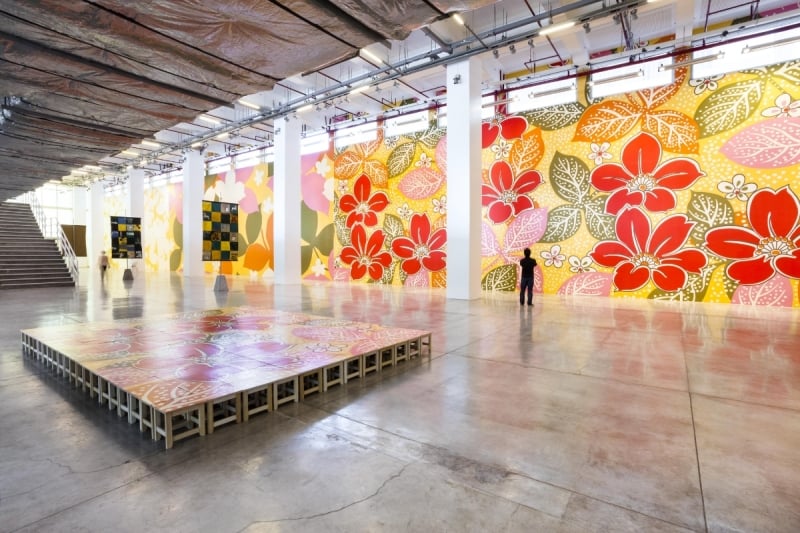
Image credit: BCAD website
Further south in the Philippines, contemporary art invites participation. The Museum of Contemporary Art and Design places interaction at the centre of its exhibitions. Many works encourage physical engagement or emotional response.
Exhibitions frequently explore social and cultural themes that are relevant to the Philippines and the region. Rather than offering fixed interpretations, the museum invites dialogue and reflection.
Discover curiosity at the National Science Museum, Bangkok
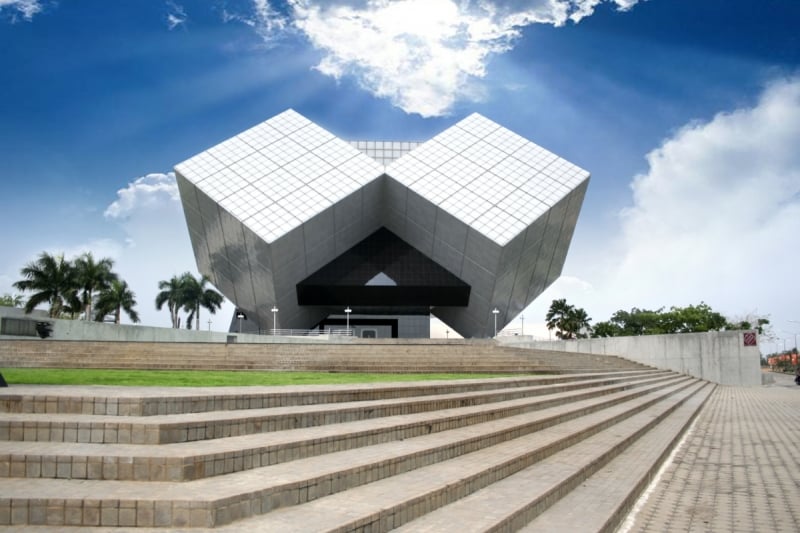
Image credit: NSM official website
When it comes to hands-on learning, Bangkok delivers. Located in Pathum Thani, the National Science Museum transforms complex ideas into interactive games and experiments.
Visitors test theories themselves, from physics to biology. While the museum attracts families, adults often find themselves equally absorbed by the clear explanations and playful approach.
Touch exhibits at the Hong Kong Science Museum
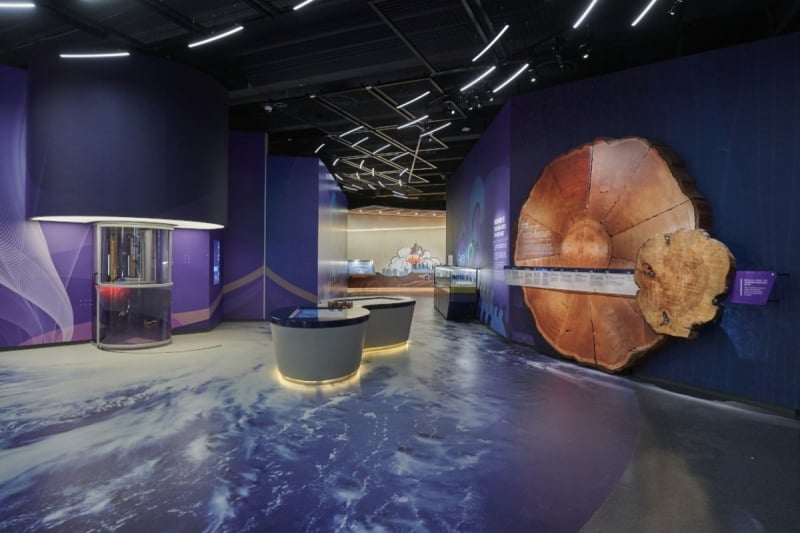
Image credit: hk.science.museum.com
Meanwhile, Hong Kong focuses on clarity and scale. The Hong Kong Science Museum is built almost entirely around participation, with exhibits designed to be touched, moved, and tested.
Large-scale displays simplify complex systems such as energy, transportation, and the human body. Learning feels intuitive, especially for first-time visitors.
Make your own meal at Cup Noodles Museum in Yokohama, Japan

Image credit: Cup Noodles Museum official website
In Yokohama, interactivity comes with a sense of humour. The Cup Noodles Museum celebrates one of Japan’s most iconic inventions through playful, hands-on exhibits. Visitors learn about the history of instant noodles and the creative thinking behind its invention.
The highlight is the chance to design your own cup noodles. Visitors customise their packaging, choose ingredients, and seal the cup themselves. It is simple, tactile, and unexpectedly satisfying. The experience turns a humble convenience food into a memorable cultural story.
Engage the senses at Museum MACAN, Indonesia
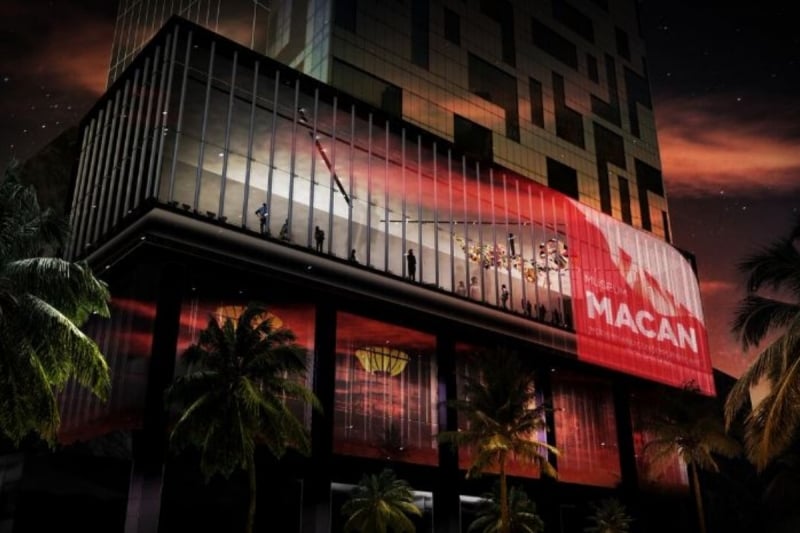
Image credit: Coconuts
In Indonesia, the focus shifts to sensory engagement. Museum MACAN showcases modern and contemporary art through interactive installations, including mirrored rooms and sound-based works.
Exhibitions change regularly, encouraging repeat visits. The museum also highlights Southeast Asia’s growing contemporary art scene, positioning Jakarta as an increasingly important cultural destination.
Also read: Weird and Wacky Museums to Visit in Penang
Displays that stay with you
Interactive museums leave a lasting impression. They are not designed for a quick circuit or a passing glance. Instead, they invite visitors to slow down, take part, and reflect. Long after the visit ends, the experience lingers. Much like a memorable display, these museums stay with you, shaping how you see culture, creativity, and the places you travel through.