
Harajuku, Universal Studios Japan & More: An 8-Day Itinerary Exploring Tokyo and Osaka
Planning to travel to Japan during the upcoming winter holidays? We’ve got you covered!

Tokyo or Osaka? If you are struggling to choose between Japan’s two biggest urban destinations, why not experience both in a single trip? This eight-day itinerary combines Tokyo’s fast-paced neighbourhoods and theme parks with Osaka’s food, nightlife and easy access to Kyoto and Hiroshima. Throw in a winter day around Mount Fuji, and you have a well-rounded introduction to some of Japan’s most memorable destinations.
Day 1: Arrive at Tokyo Haneda Airport
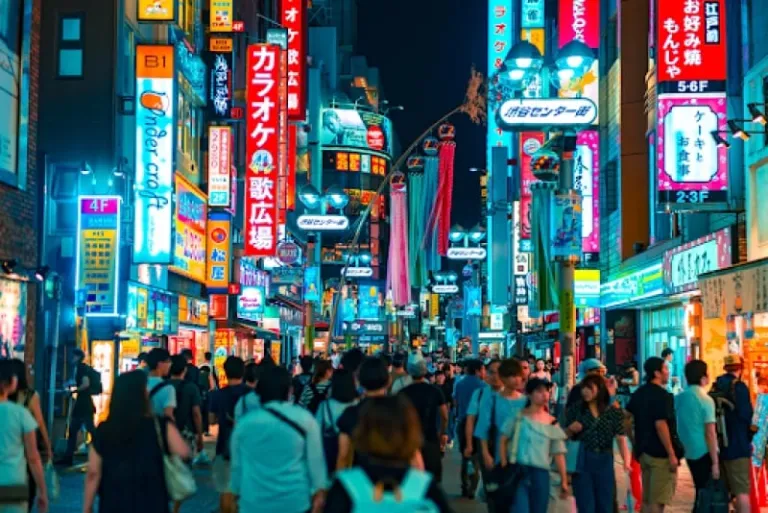
Image credit: Jezael Melgoza
Tokyo has been a hot favourite amongst tourists from all over the world for decades. From the bustling streets of Harajuku and Shibuya Crossing to the popular cultural icons of Sensoji Temple and Nezu Shrine, there is so much that you can discover when you’re at Japan’s thriving capital city. Take the time to check some of these spots out after you’ve settled into your hotel.
Day 2: Embark on a day tour to explore the iconic
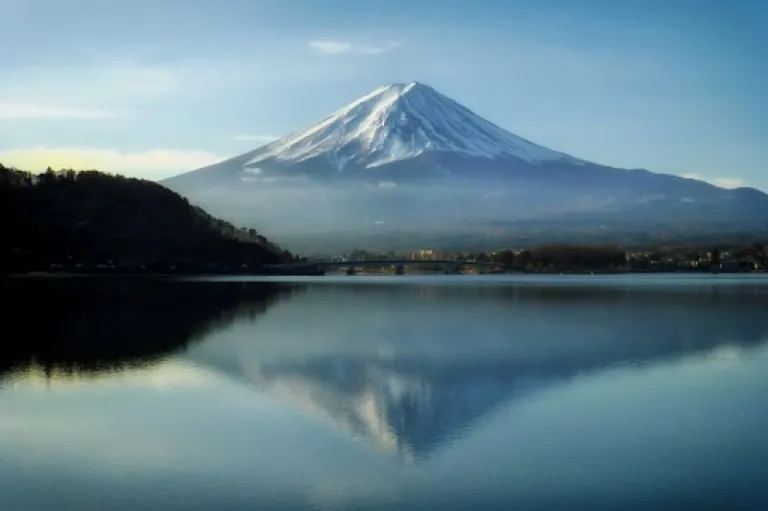
Image Credit: Pixabay
At 3,776 metres, Mount Fuji is Japan’s tallest mountain and one of its most recognisable natural landmarks. The active volcano attracts hikers during its official summer climbing season, while the surrounding lakes, shrines and resorts provide plenty to see throughout the rest of the year.

Image credit: Azlan DuPree
Mount Fuji should not be climbed during a winter holiday. Its official trails are closed outside the summer climbing season, while severe weather, strong winds, avalanches and the absence of staffed mountain huts make off-season climbing extremely dangerous. Instead, spend the day exploring one or more of the attractions around its base.
Snow Town Yeti

Image credit: japan-guide.com
For an interactive day out with the family, head to Fujiyama Snow Resort Yeti. Located at Mount Fuji’s Second Station, the resort offers skiing, snowboarding, sledding and a dedicated snow-play area. Equipment and clothing rentals are available, making it suitable for travellers who have not brought their own winter gear.
Opening dates and operating hours depend on weather and snow conditions, so check the resort calendar before travelling.
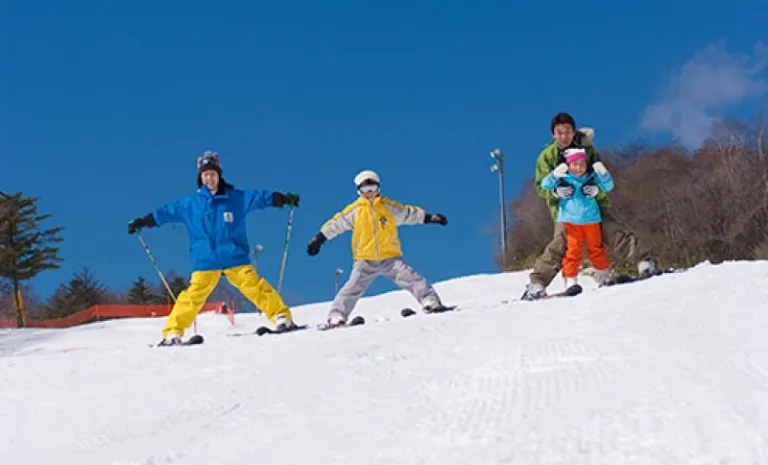
Image credit: Snow Town Yeti
Fujinomiya
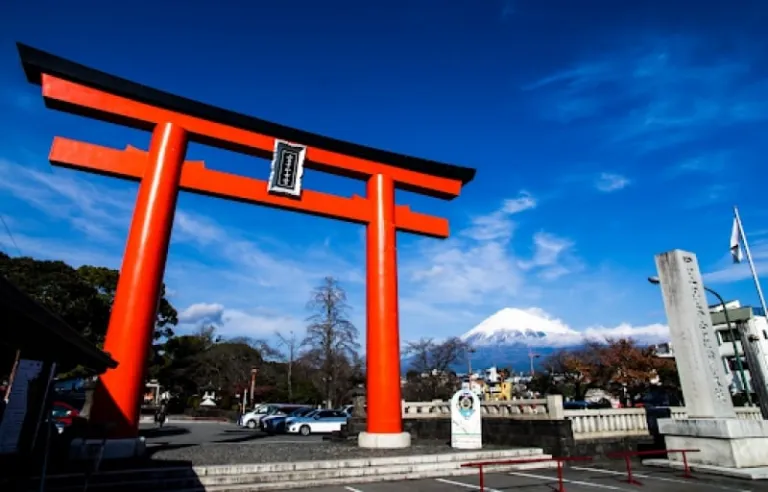
Image credit: All About Japan
Fujinomiya sits on the southwestern slopes of Mount Fuji and developed around Fujisan Hongu Sengen Taisha, the head shrine of more than 1,300 Sengen shrines across Japan. The city is also a convenient base for visiting Shiraito Falls, a broad curtain of spring-fed waterfalls located north of the city.
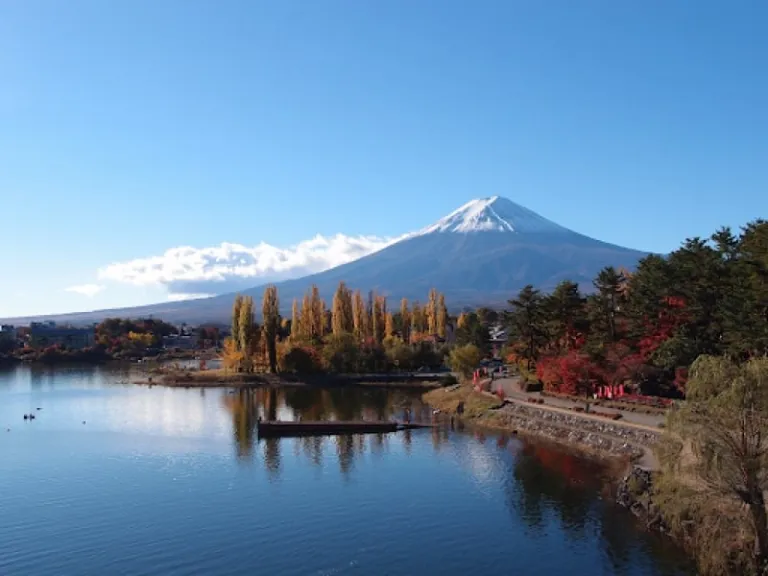
Image credit: Guilhem Vellut
Fuji Five Lakes
The Fuji Five Lakes region lies at the northern base of Mount Fuji and surrounds lakes Motosuko, Shojiko, Yamanakako, Saiko and Kawaguchiko. It is one of the best areas from which to view the mountain.
Lake Kawaguchiko is the easiest of the five to reach from Tokyo and offers attractions including the Mount Fuji Panoramic Ropeway, museums, hot springs and sightseeing cruises. Visibility varies with the weather, so check the forecast before setting out.
Day 3: Unleash the child in you at Tokyo Disneyland
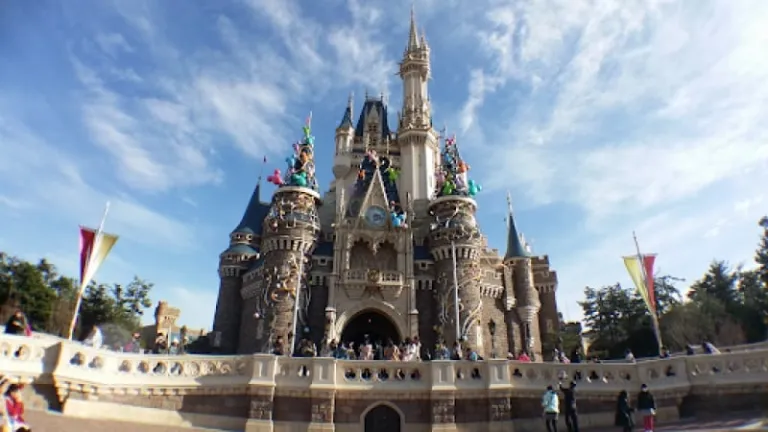
Image credit: gelli.rosario
One of the most family-friendly attractions in Tokyo is Tokyo Disneyland. Inspired by popular Disney films and characters, the park comprises seven themed lands filled with rides, shows, character encounters and seasonal entertainment.

Image credit: e_chaya
Those visiting during the winter holidays may also find festive decorations and limited-time programmes, although the exact schedule changes each year. Purchase a date-specific park ticket beforehand and download the Tokyo Disney Resort App to view waiting times and manage selected park services.
Day 4: Hop on the bullet train to Osaka
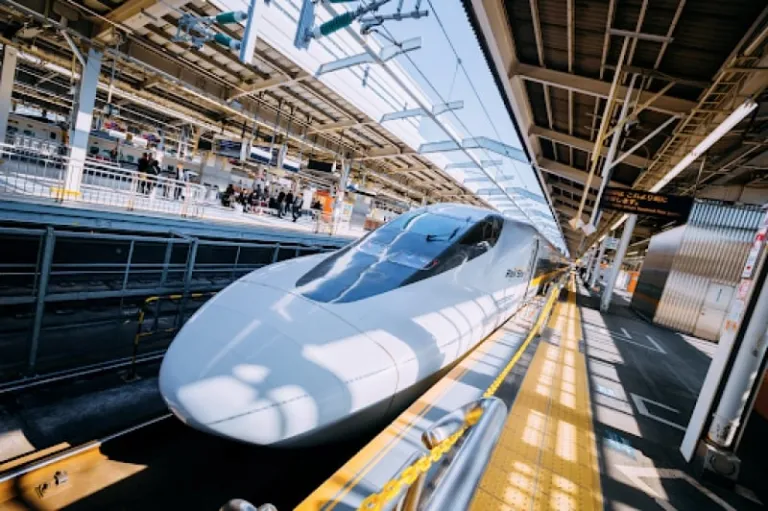
Image credit: hans-johnson
After saying goodbye to Tokyo, board the Tokaido Shinkansen for Shin-Osaka Station. The fastest Nozomi services complete the journey in under two and a half hours, making the train one of the easiest ways to travel between the two cities.
Image credit: Pedro Szekely
Fares depend on the service, seat type and travel date, so check the latest price when booking. The nationwide Japan Rail Pass does not cover Nozomi services unless you purchase a supplementary ticket.
Consider buying an ekiben, snacks and drinks at the station before boarding. Refreshment carts no longer make rounds through the ordinary carriages on Tokaido Shinkansen services.
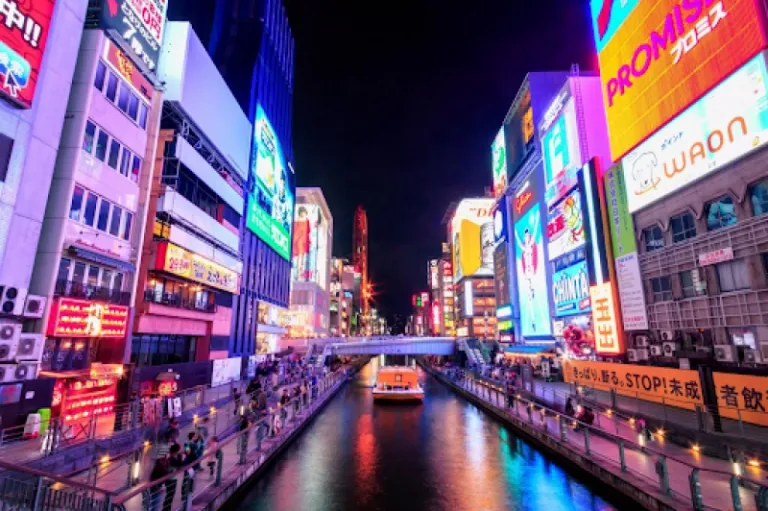
Image credit: Japan Travel
Osaka Castle

Image credit: H.I.S. Travel
Regarded as a symbol of Osaka and one of the most significant castles in Japan, the Osaka Castle is an important historical monument that represents the history of the Azuchi-Momoyama period during the sixteenth century. With the Park built around it, you can even opt to cycle through the surrounds of the Osaka Castle!

Image credit: OSAKA-INFO
Shinsekai
To experience a nostalgic side of Osaka, head to Shinsekai. Its streets are filled with colourful signs, retro shopfronts and casual restaurants serving local favourites such as kushikatsu.
The neighbourhood’s defining landmark is Tsutenkaku Tower. The first tower opened in 1912 but was later dismantled, while the present structure was completed in 1956. Visitors can head up to its observation areas for views across Shinsekai and the surrounding city.
Day 5: Let loose at Universal Studios Japan
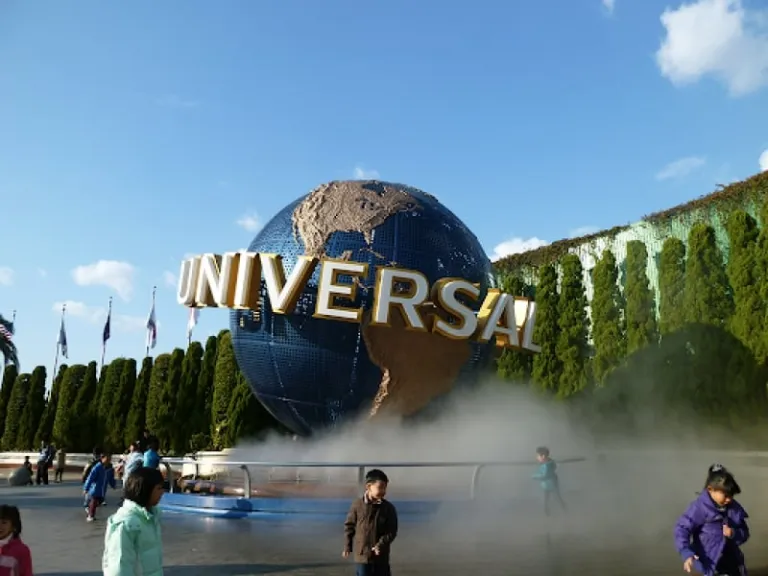
Image credit: TAKA@P.P.R.S
Alongside Tokyo Disneyland, Universal Studios Japan is one of the country’s most popular theme parks. Its themed areas include The Wizarding World of Harry Potter, Minion Park and Super Nintendo World, where visitors can explore Super Mario Land and Donkey Kong Country.
Besides rides and live entertainment, the park offers character-themed food, limited-edition merchandise and seasonal events throughout the year. Purchase a Studio Pass in advance and check whether your preferred attractions require a Timed Entry eTicket. These tickets can be obtained through the official Universal Studios Japan app, subject to availability.
Day 6: Hop on a Day Tour
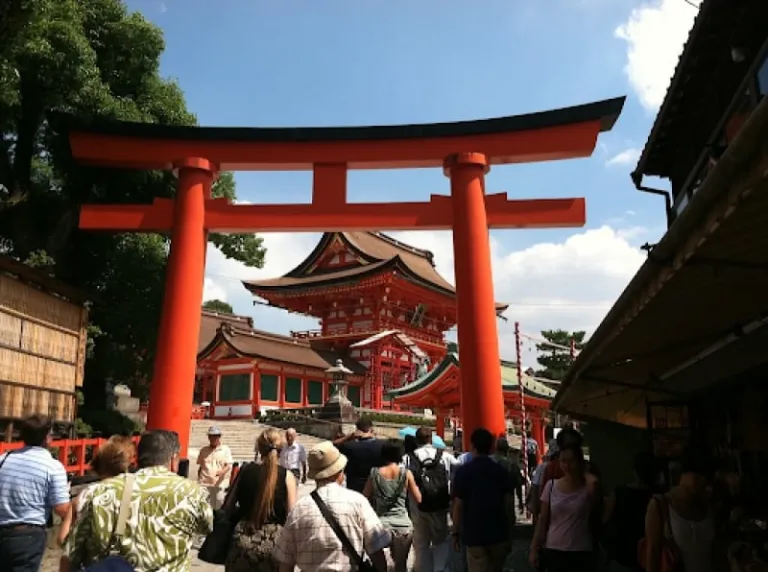
Image credit: Bytemarks
From Osaka, embark on a day tour to Kyoto, which is another must-visit city in West Japan. While Osaka offers an energetic and modern culture, you can expect to find a calm and historically rich culture in Kyoto.
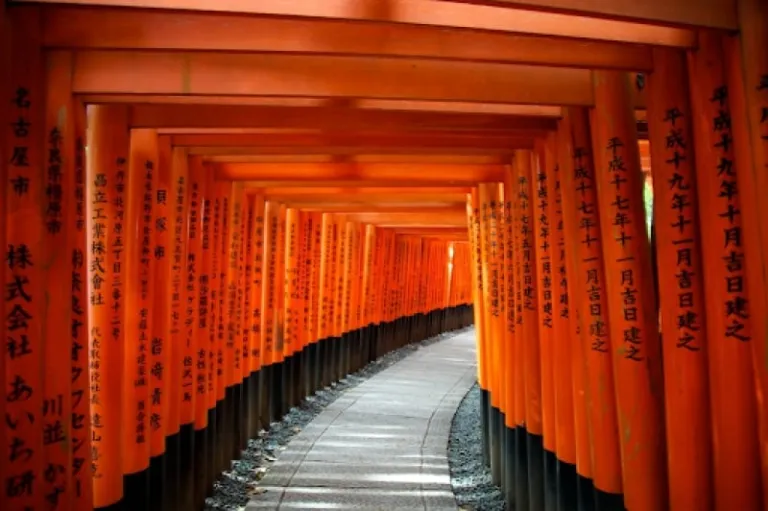
Image credit: BriYYZ
There’s no way you haven’t seen such a photo on Instagram. Regarded as one of the best tourist destinations, is famous for its red torii gates, fox statues and particularly the “Senbon Torii”, comprising over 5,000 red torii gates that form a tunnel-like stretch.
Yasaka Street
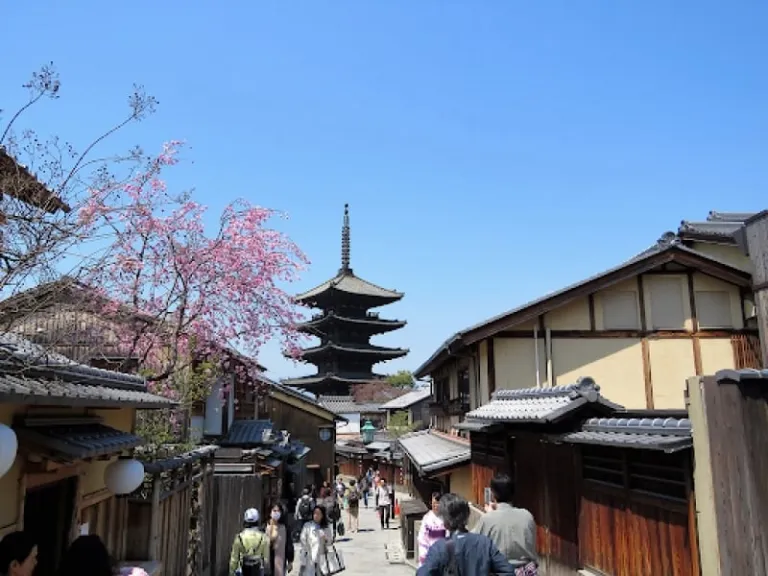
Image credit: Chuck Moravec
Situated within the Higashiyama District, the Yasaka Street is one of the most attractive areas in the east side of the city. It is famous for its well-maintained, charming landscape, coupled with popular attractions like the Yasaka Pagoda, which is one of the most prominent landmarks of Kyoto.
Besides visiting the main attractions in the area, you can also opt to walk around and explore the lanes lined with traditional old houses that complete the rustic vibes of the setting.
Day 7: Take an extra day to explore Hiroshima
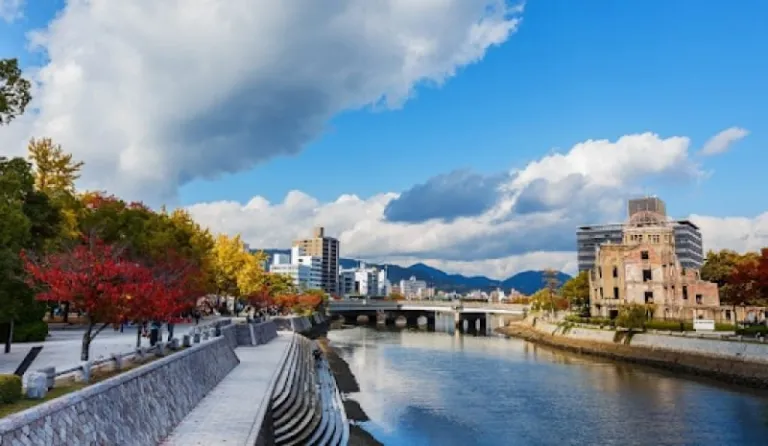
Image credit: Japan Rail Pass
For those following the complete eight-day itinerary, Hiroshima makes a rewarding but busy day trip from Osaka. Leave early if you plan to visit both the city’s peace memorials and Miyajima on the same day.
Hiroshima was the first city subjected to an atomic bombing, on 6 Aug 1945. Today, its museums and memorials preserve the stories of those affected while sharing the city’s enduring message of peace.

Image credit: Explore Hiroshima
Hiroshima Peace Memorial Park
At the Hiroshima Peace Memorial Museum, visitors can see personal belongings, photographs, testimonies and other materials documenting the consequences of the bombing.
Nearby stands the Hiroshima Peace Memorial, commonly known as the Atomic Bomb Dome. The surviving structure was inscribed as a UNESCO World Heritage Site in 1996 and has been preserved as a symbol of both the destruction caused by nuclear weapons and the hope for lasting peace.
Miyajima Island

Image credit: Joe deSousa
Also known as Shrine Island, Miyajima is home to Itsukushima Shrine and its enormous offshore torii gate. At high tide, both the shrine and gate appear to float above the water; at low tide, visitors can walk across the exposed seabed towards the gate.
Itsukushima Shrine is part of a UNESCO World Heritage Site and is one of Japan’s most celebrated religious landmarks. The island can be reached by a short ferry ride from Miyajimaguchi, around 30 minutes by train from central Hiroshima.
Day 8: and depart from Osaka Kansai Airport
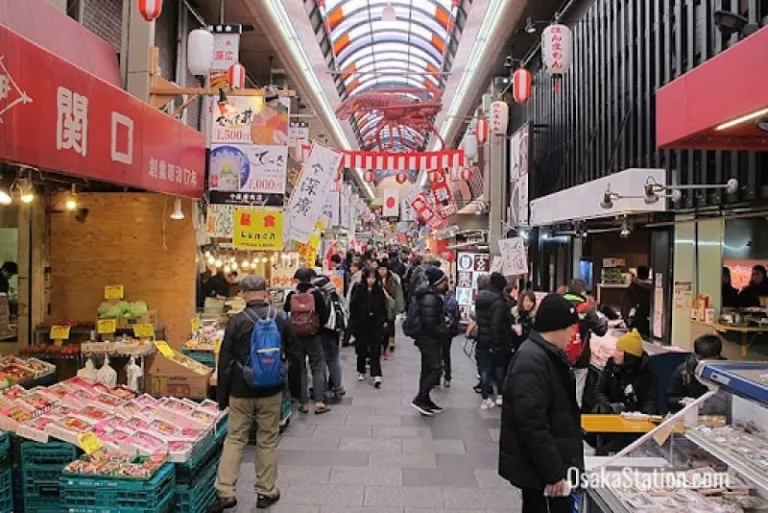
Image credit: Osaka Station
Spend your last day learning more about Osaka’s food culture at Kuromon Market, before heading to the airport for your flight back home.
Consisting of more than 150 stores, the is one of the largest markets in West Japan. It is commonly identified as “Osaka’s Kitchen”, as a wide variety of fresh produce can be found here. Often patronised by locals themselves, it is one of the best places to enjoy Osaka’s authentic local delicacies.
Drawing a close to your trip to Tokyo and Osaka, you would have taken with you amazing experiences of Japan’s cities, natural wonders, food, culture, and heritage to remember.

About Author

The best memories are created through spontaneous adventures, hence Cheryl is always on-the-go to try new things and see where it takes her from there. On stay-home days, she enjoys reading lifestyle articles on topics such as skincare and travel itineraries with a hot cup of tea. Otherwise, she likes to visit museums, dance, and spend time with family and friends.