
From Viral to Vacation: How to Turn Social Media Travel Trends into a Real Asian Trip Plan
From screen to reality!

Social media now shapes how people discover places in Asia, from quiet streets in Kyoto to beach towns in Vietnam. This guide explains how to turn viral posts from TikTok, Instagram, and Pinterest into a realistic trip plan, with clear steps that help you move from saving videos to booking a journey that actually works on the ground.
Why Social Media Is Changing Trip Planning in Asia
Travel ideas used to come from guidebooks and travel shows. Today, a short video can put a place on the map overnight. Social platforms show how destinations look in real life, how people move through them, and what the mood feels like at different times of day. In Asia, this effect is strong because cities and regions are close together and easy to combine into one trip.
At the same time, viral content can be misleading. A clip may hide crowds, skip travel time, or ignore local rules. Planning a good trip means using social media as a starting point, not as the full plan. The goal is to keep the excitement while adding structure.
Finding Travel Ideas That Are Worth Planning Around
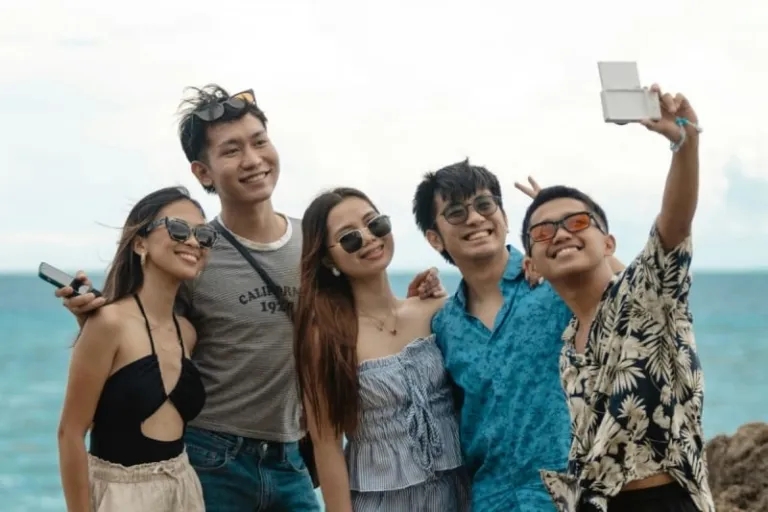
Image credit: Bhong Bahala | Unsplash
The first step is to spot trends that match how you want to travel. Look beyond views and likes. Notice where the video was actually filmed, how often the same place shows up on different accounts, and whether locals are posting from there too. When a spot keeps popping up over time, it’s usually a sign that it’s easy to visit and not just something people rush to once for a quick clip.
It also helps to check comments. People often mention how to get there, the best season, or whether a spot is overrated. This context turns inspiration into information. Save posts with notes about locations, not just visuals, so you remember why you liked them later.
Turning Viral Locations into a Workable Route
Once you have several saved places, the next step is to connect them. Many travelers fail here because they try to visit too much. Look at a map and group locations by region. In Asia, two places can look close on a map but still take most of a day to reach, especially when islands, ferries, or mountain roads are involved.
A good rule is to choose one main base and build day trips or short moves around it. If a viral café, temple, and viewpoint are all in the same city, they can form a relaxed itinerary. If they are spread across the country, decide which one matters most and plan around that choice. This keeps the trip calm and avoids rushed travel days.
Timing Your Trip Beyond What the Video Shows
Social posts rarely show season, weather, or crowd levels. Before fixing dates, check when the content was posted and what the weather is like during that time. Cherry blossoms, festivals, and beach conditions change fast across Asia.
Some viral places look best early in the morning or on weekdays. Planning your visit around these quieter times can change the experience completely. This is also where travel safety and privacy matter, especially when researching routes or bookings online. Many travelers choose to test a VPN free trial while planning trips abroad, so they can access booking sites safely and check prices without location limits.
Choosing Stays That Match the Social Experience
Accommodation plays a big role in how a trip feels. Social media often highlights stylish cafés or rooftop views, but staying too far from them can waste time and energy. When planning, look for places within walking distance or one short transit ride away from your key spots.
Look at recent reviews and photos taken by guests, not just the pictures posted by the hotel itself. They usually show what the place is really like now. In many Asian cities, small guesthouses or boutique hotels often sit closer to cafés, markets, and public transport, which makes it easier to get around on foot than staying in a big chain hotel.
Balancing Content Creation with Real Travel
Many travelers plan trips around social media because they want to document the journey. This is fine, but it should not control every decision. Schedule moments with no filming plans, such as meals or evening walks. These breaks often become the most memorable parts of the trip.
When sharing content, it helps to remember that these places are part of someone’s everyday life, not just a backdrop for photos. Some places discourage filming, while others are crowded with people trying to recreate the same shot. Knowing when to step back helps keep the trip enjoyable and avoids stress.
To avoid simply following fleeting hype, it helps to understand how to plan travel without just chasing social media trends, which keeps your itinerary meaningful and grounded in real experience.
Checking Reality Before You Go
Before final bookings, do one last reality check. Search for recent travel updates, local rules, and transport changes. Social media trends move fast, but local conditions change too. A café may close, or a viewpoint may limit access.
It is also smart to think about digital access. Planning routes, payments, and bookings often depends on a stable internet. Testing tools and apps before departure reduces problems later. This includes trying services like the above-mentioned VPN to see if they work well for your travel needs, especially when moving between countries with different online restrictions.
Making Space for the Unexpected
The best trips leave room for surprise. That is why many travel organisations promote the idea that slow travel leaves room for unplanned experiences, allowing travellers to follow local tips, change pace, and discover places they never planned to visit. Social media gives a clear picture, but it cannot show every detail. Allow free time in your plan so you can follow local advice or explore a street that wasn’t in your saved posts.
In Asia, the best moments often come from small detours. You might stumble into a local market, run into a street festival you didn’t know was happening, or sit down at a café you never planned to visit. Those unplanned stops usually end up feeling more real than anything you carefully scheduled.
Turning Inspiration into a Trip You’ll Remember
Social media can be a great way to plan a trip, but it works best when you don’t take everything at face value. Pick trends that actually fit your route, keep places close enough to enjoy, and think about timing and logistics before you book anything. That’s how saved videos turn into a trip that feels easy instead of rushed.
The trick is finding balance. Let social media give you ideas, then slow things down and plan the details yourself. When those two things line up, the trip stops being about chasing photos and starts feeling like something you’ll remember long after everyone has moved on to the next trend.

About Author

Recommended Reads
Important Things To Keep In Mind When Travelling to The Philippines
Sustainable Travel