
Himeji Castle: The Complete Guide for First-Time Visitors
Himeji Castle (Shirasagijo) is Japan’s most magnificent, UNESCO-listed original fortress and famous White Heron landmark.

Rising above the city like a great white heron poised for flight, Himeji Castle is Japan's most magnificent surviving fortress — one that has escaped both war and modernisation for over 400 years. Unlike most Japanese castles, which are concrete reconstructions, Himeji remains almost entirely original, earning it UNESCO World Heritage status.
Nicknamed Shirasagijo, the "White Heron Castle", for its brilliant white walls, it's one of Japan's most photographed landmarks. But beyond the postcard views lies a maze of steep stairs and clever defences built to confuse invading samurai. Here's everything you need to know before you go.
Also read: 5 Most Beautiful Original Castles in Japan
1. Why Himeji Castle Deserves a Spot on Your Japan Itinerary
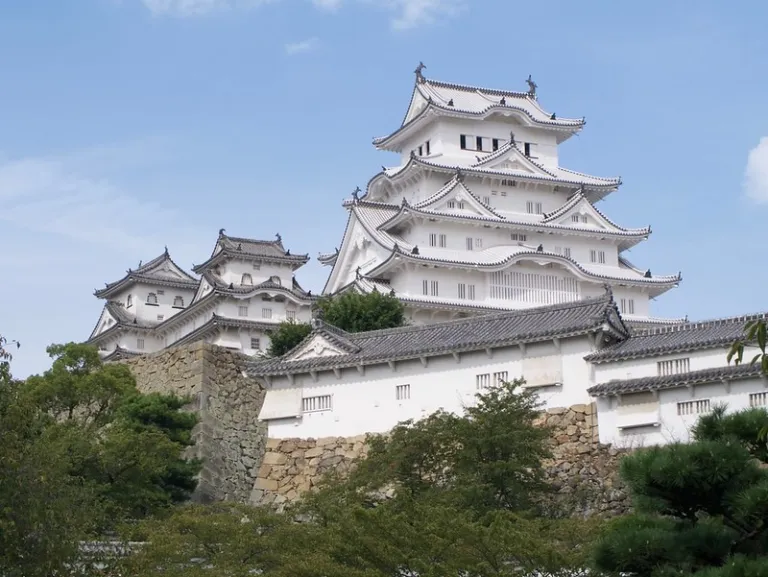 Image credit: RYO SATO| Flickr
Fly into Osaka on a clear day and, if you look west, you might just catch sight of it: a pale silhouette rising above the rooftops of Himeji, its curved white walls catching the light like something out of a folk tale. Locals call it Shirasagijo — the White Heron Castle — a name born from the way its plastered walls and layered roofs seem to lift off the ground, wings half-spread, ready to take flight.
It's not just a pretty name. Himeji Castle is one of only 12 castles in Japan that still stand in their original form, having dodged the fires, earthquakes and bombing raids that levelled most of the country's other feudal strongholds. That rarity earned it a dual honour: it was among the first sites in Japan to be named a UNESCO World Heritage Site, and its main keep holds the status of National Treasure — a title reserved for the country's most significant cultural assets.
Four centuries on, it remains standing not as a replica, but as the real thing.
2.Getting There & What to Expect
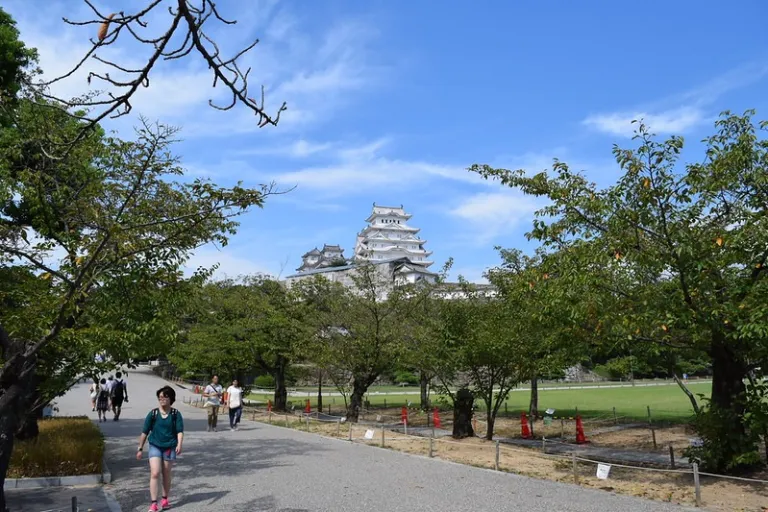 Image credit: John Dunsmore| Flickr
Step off the train at Himeji Station and you won't need a map for the first part of the journey — the castle simply appears, framed at the end of the main boulevard leading north from the station, close enough to gauge the walk but far enough that it takes a while to shrink the distance. It's one of those rare cases where the journey itself becomes part of the sightseeing, and keeps growing larger and more detailed with every block.
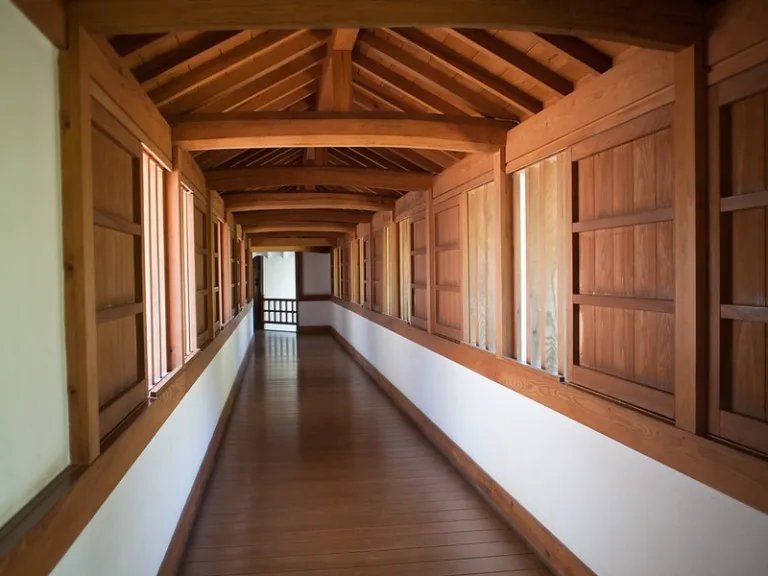 Image credit: imp98| Flickr
Inside, the climb through the main keep is steeper than it looks from outside — the wooden staircases were built for defence, not comfort, so expect narrow steps and low ceilings rather than a leisurely stroll. Give yourself more time than you think you'll need, especially if you're visiting during cherry blossom season or a long weekend, when queues can form at both the ticket gate and the keep entrance.
For those with a bit more time, the West Bailey and its long, covered corridor are worth the detour — far quieter than the main keep, and a good spot to appreciate the castle's scale from a different angle.
Visitor Info
Hours 9:00am–5:00pm (extended to 6:00pm, late Apr–Aug); last entry to the keep at 4:10pm
Closed December 29–30
Admission ¥2,500 for general visitors (18+); free for under-18s; ¥1,000 for Himeji residents (18+) — approx. S$21.70 / ₱875 for the general rate (rates fluctuate)
Combo ticket Castle + Koko-en Garden, ¥2,600 general rate
Access 15–20 min walk from JR Himeji Station, or a short bus ride to a stop near the main gate
Recommended time 1 hour for the main keep; 1.5–2 hours for the full paid area
3. Highlights & How to Explore
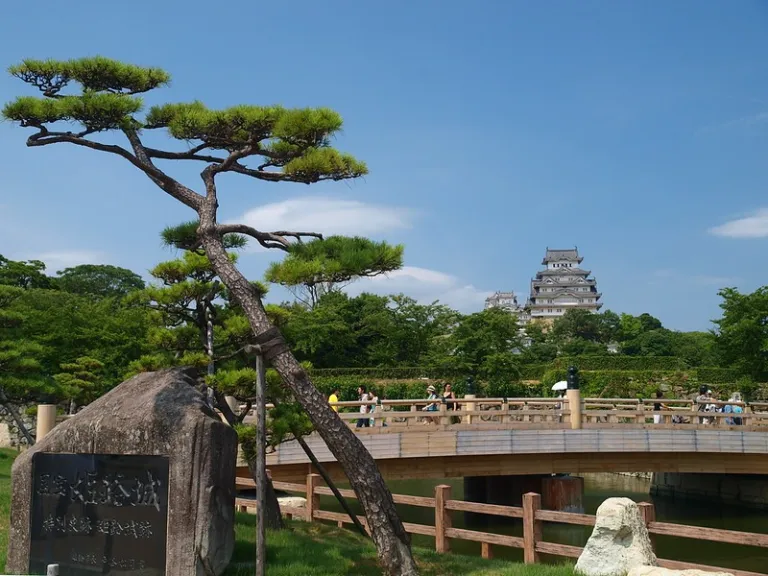 Image credit: Dicky| Flickr
Once you're through the main gate, resist the urge to head straight for the keep — the approach itself is part of the experience, winding through a series of gates and courtyards designed centuries ago to slow down exactly the kind of enemy who'd try to rush in. Take the long way, and you'll notice details most visitors walk straight past: arrow slits cut into the walls, stone drops positioned for pouring boiling water, corridors that double back on themselves for no reason other than confusion.
Inside the keep, the climb gets steep fast, with narrow staircases and low ceilings built for soldiers rather than sightseers, so wear shoes you can move in. Late morning through early afternoon is when things get busiest, with tour groups clustering at the narrower points, so arriving right at opening is usually your best shot at having the upper floors to yourself.
Just west of the main keep, Koko-en Garden offers a slower, greener contrast — nine separate themed garden spaces built on what used to be the samurai quarters, each with its own character. It's easy to treat it as an afterthought, but give it at least 30 to 45 minutes; the koi pond and teahouse are worth lingering over rather than rushing through. If you're visiting both, the combined castle-and-garden ticket works out cheaper than buying separately.
For photos, the castle rewards patience over spontaneity. Sakuramon Bridge, right at the entrance, gives you the classic full-frontal shot with the moat in the foreground — arrive early or late in the day to avoid crowds cutting through the frame. Otemae Park, a short walk south, offers a wider angle that captures the full scale of the castle against the sky, and is a favourite for sunset shots.
4. Practical Tips before You Go
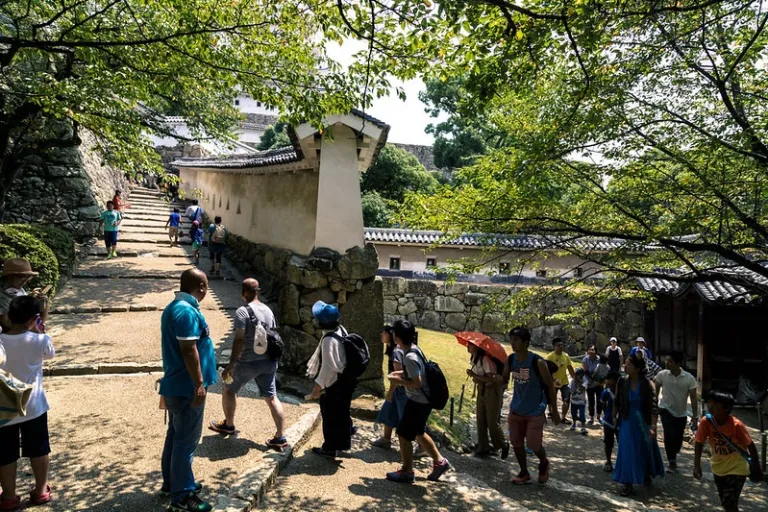 Image credit: nobu3withfoxy| Flickr
If there's one thing to plan around, it's timing. Weekends, national holidays, and cherry blossom season in late Mar to early Apr draw the heaviest crowds, with queues forming at both the ticket gate and the keep entrance by mid-morning. Arriving right at opening, or saving your visit for a weekday afternoon, makes a real difference — the difference between climbing the keep at your own pace and shuffling up the stairs behind a tour group.
Large bags, suitcases, and anything with wheels aren't allowed inside the castle and need to be left in a coin locker before you enter, so it's worth packing light for the day. Himeji Station itself has plenty of lockers scattered around the concourse, and if they happen to be full, the Nippon Travel baggage counter near the station's south exit takes items of any size for around ¥500 each.
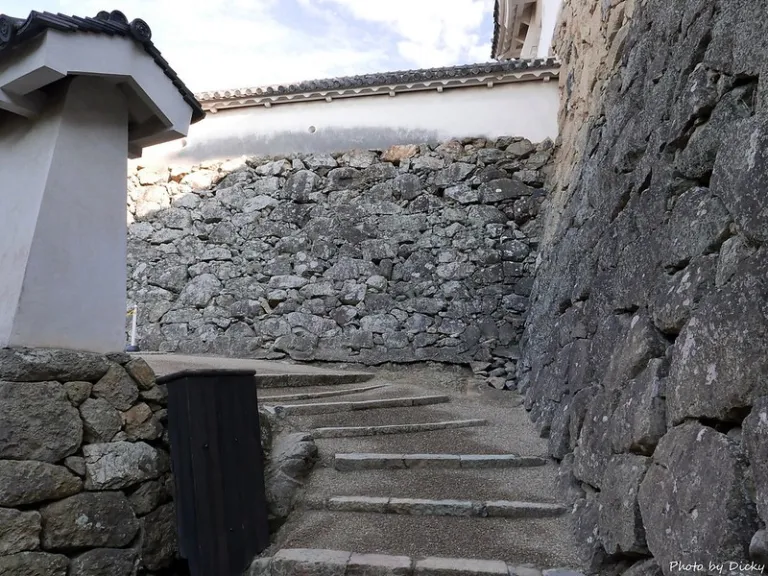 Image credit: Dicky| Flickr
Accessibility inside the castle is limited by design — the keep's steep wooden staircases and uneven stone paths make it a genuinely difficult climb for anyone with mobility concerns, and the castle itself advises against entry for visitors who aren't in good physical condition. The tourist information office near the station offers free wheelchair rental between 8:30am and 4:30pm, with returns accepted until 5:30pm — worth arranging in advance if you're planning to explore the grounds without attempting the keep itself.
As for where to base yourself: Himeji works well either as a day trip from Osaka or Kyoto, given the fast train connection, or as a stopover night if you'd rather see the castle lit up after dark and again at a quieter hour the next morning. Hotel options cluster conveniently around the station, all within easy walking distance of the castle approach.
5. What Sets This Guide Apart
Most visitors skim the guidebook version of Himeji Castle: get the photo, climb the stairs, move on. But a little context turns the visit into something richer.
Time it around the light
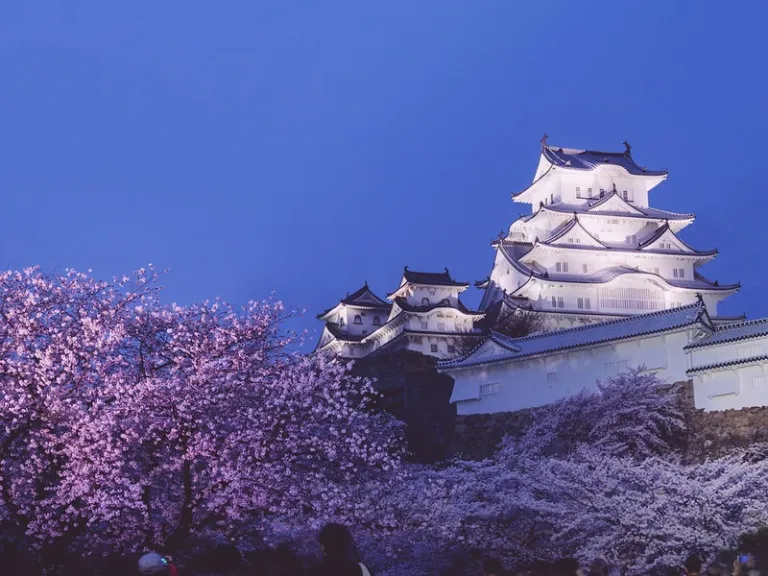 Image credit: annintofu| Flickr
The castle wears a different mood depending on the season. Cherry blossom season, typically late Mar into early Apr, is when the grounds come alive — the Nishinomaru Garden fills with around a thousand trees, and during the annual night sakura event the western garden stays open after dark with the blossoms and castle walls lit together. Autumn brings a quieter version of the same magic, with maple colours peaking through Nov. Either way, arriving in the late afternoon and staying past sunset rewards you with the castle's floodlighting gradually taking over from the daylight.
Eat like a local: Himeji oden
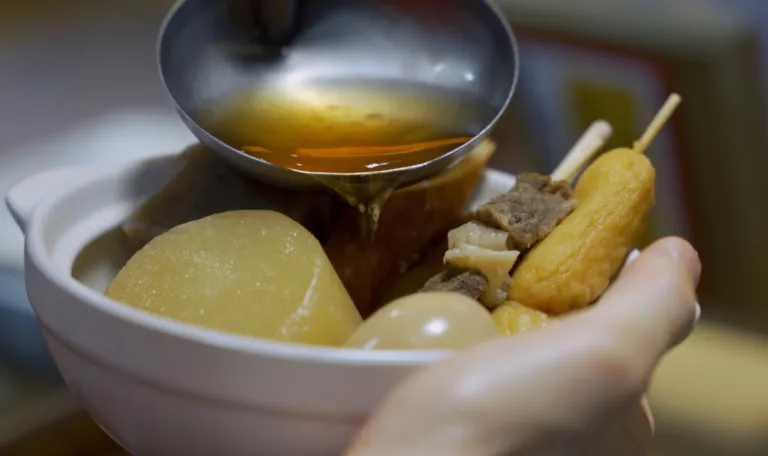 Image credit: Himeji Tourism Navigation Himeji-no-Michi Official Website
Skip the generic izakaya menu and order Himeji oden instead — a local variation of the stewed dish, served with a dipping sauce of soy sauce and grated fresh ginger rather than the usual mustard. The combination reportedly grew out of the region's two local industries: soy sauce production around Himeji and Tatsuno, and ginger farming near the coast. A handful of long-running spots near the station, some open past midnight, are where locals actually go rather than the tourist-facing options closer to the castle gate.
A day trip with a Hollywood connection
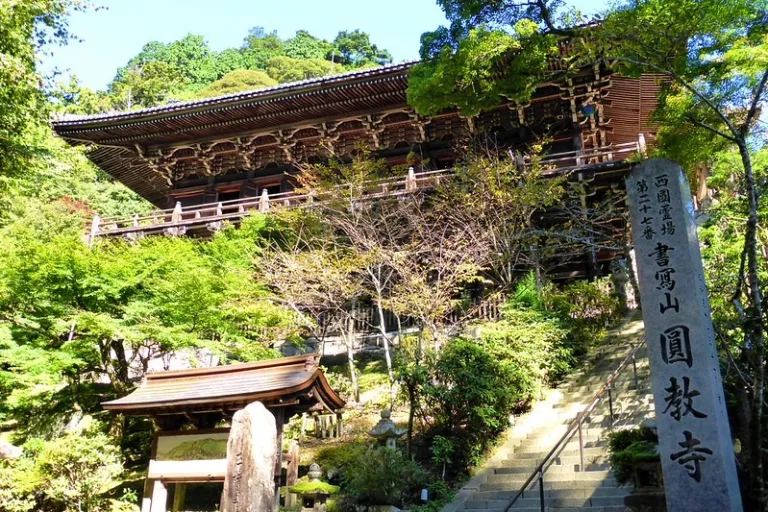 Image credit: Tetsuhiro Terada| Flickr
If you've got a spare half-day, Shoshazan Engyoji is worth the detour — a mountaintop temple complex reached by a short bus ride and a four-minute ropeway up from Himeji Station. Its atmospheric halls, built into forest rather than around it, doubled as a filming location for The Last Samurai, and the walk between temple buildings still feels closer to a period film set than a tourist trail.
A princess's quiet years inside a fortress of war
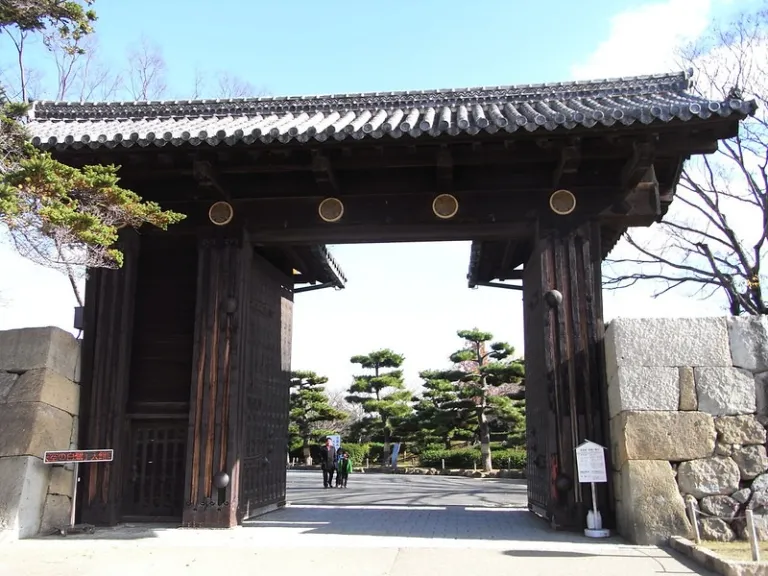 Image credit: yuki_alm_misa| Flickr
Of more than 80 gates that once stood within the castle grounds, only around 20 survive today — a reminder of how heavily fortified this place once was. It's also worth knowing that Sen-hime, granddaughter of the shogun Tokugawa Ieyasu, spent what's often described as the happiest years of her life living within these walls after her second marriage, a rare domestic footnote inside a fortress built entirely for war.

About Author
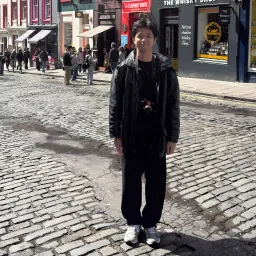
Tomohiro is passionate about movies and enjoys spending his time watching baseball games and connecting with new people through conversation. He has a sociable personality and loves learning about different perspectives and cultures. On his days off, he often travels across various parts of the UK, exploring new towns, landscapes, and local experiences while planning his next journey.