
8 Michelin-Recognised Ramen Shops and Local Favourites Near Tokyo's Top Attractions
Explore eight Michelin-recognised and locally loved ramen shops near Tokyo’s top attractions.

Tokyo is home to more ramen shops than perhaps any other city in the world, making it difficult to know where to start. While famous districts such as Shinjuku, Shibuya, Ikebukuro, and Ginza are packed with attractions, they are also home to some of the city's most remarkable bowls of ramen. From Michelin-recognised favourites and Tabelog Hyakumeiten selections to neighbourhood gems beloved by locals, Tokyo offers far more than the standard tourist recommendations.
In this guide, we've organised eight outstanding ramen restaurants by area, making it easy to find an exceptional meal while exploring the city's top sights. Whether you're searching for a refined reservation-only experience, a nostalgic bowl of Tokyo-style chuka soba, or a locally loved shop tucked away from the crowds, these restaurants showcase the incredible variety and craftsmanship that define Tokyo's ramen culture.
Also read: Tokyo’s Best Ramen – After Going to 30 Ramen Shops!
Near Shinjuku
1. RAMEN MATSUI
Among Tokyo's countless ramen shops, RAMEN MATSUI stands out as one of the city's most exclusive dining experiences. Run by a husband-and-wife team near Shinjuku Gyoen, the restaurant has gained a devoted following thanks to its carefully crafted ramen, limited seating, and unwavering attention to detail. The restaurant's dedication to craftsmanship earned it a place in the Michelin Guide Tokyo 2025, further cementing its reputation among ramen enthusiasts.
Behind the counter, the husband and wife work seamlessly together to create each bowl. While the husband prepares and cooks the noodles, his wife carefully adds toppings such as spring onions and fermented bamboo shoots. Their coordinated efforts bring every serving together with remarkable precision.
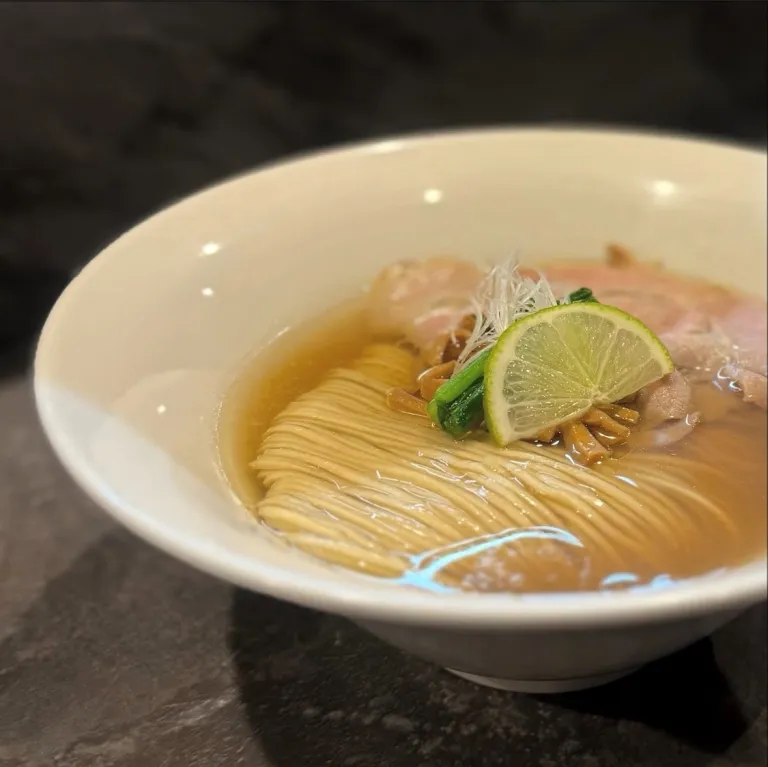 Image credit: RAMEN MATSUI Official Instagram
Guests can choose from three distinctive styles of ramen based on shoyu (soy sauce), shio (salt), and niboshi (dried sardines). To enhance the aroma and depth of flavour, the restaurant adds junmai sake to chicken and seafood-based broths. Several varieties of aromatic oils are also used to create additional layers of flavour. Many of the key ingredients, including kombu kelp, scallops, and wheat flour, are sourced from Hokkaido, reflecting the owner's affection for his hometown and its rich culinary traditions.
First-time visitors may wish to start with one of the restaurant's signature bowls. Popular choices include the Special Shio Ramen (¥1,850 / approximately S$17), Special Shoyu Ramen (¥1,800 / approximately S$16.50), and Special Niboshi Ramen (¥1,800 / approximately S$16.50). Each is available as a special version featuring additional toppings, allowing diners to experience some of the restaurant's most sought-after menu items.
Despite specialising in ramen, RAMEN MATSUI also offers a carefully selected range of Japanese sake and wine. Combined with its intimate atmosphere and meticulous craftsmanship, the restaurant has become one of Tokyo's most sought-after ramen destinations. For travellers looking to experience a more refined side of Japan's ramen culture, RAMEN MATSUI is well worth a visit.
Visitor Information
Address: Dia Palace Gyoenmae B-2, 4-25-10 Yotsuya, Shinjuku-ku, Tokyo 160-0004, Japan
Opening Hours: 11:00 am – 3:30 pm
Closed: Wednesdays and Thursdays
Reservations: Required (reservations open at 12:00 pm, three days before the desired visit date)
Booking: Via the reservation link in the restaurant's Instagram profile
Payment: Cash only
Popular Dishes:
Special Shio Ramen — ¥1,850 (approx. S$17)
Special Shoyu Ramen — ¥1,800 (approx. S$16.50)
Special Niboshi Ramen — ¥1,800 (approx. S$16.50)
Access:
6-minute walk from Shinjuku-Gyoenmae Station (Tokyo Metro Marunouchi Line)
7-minute walk from Yotsuya-Sanchome Station (Tokyo Metro Marunouchi Line)
10-minute walk from Akebonobashi Station (Toei Shinjuku Line)
Near Ikebukuro
2. Japanese Ramen Gokan
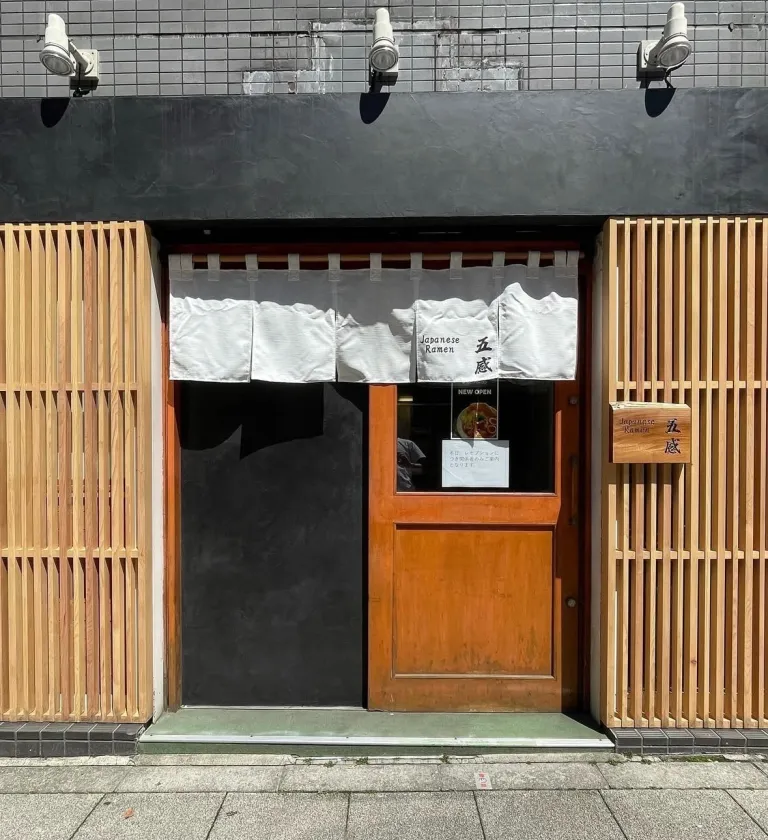 Image credit: Japanese Ramen Gokan Official Instagram
Japanese Ramen Gokan takes a distinctive approach to ramen by showcasing the richness of ingredients sourced from across Japan. Recognised with a Bib Gourmand in the Michelin Guide Tokyo 2026 and selected for the Tabelog Ramen Tokyo Hyakumeiten from 2023 to 2025, the restaurant has established itself as one of Tokyo's most acclaimed ramen destinations.
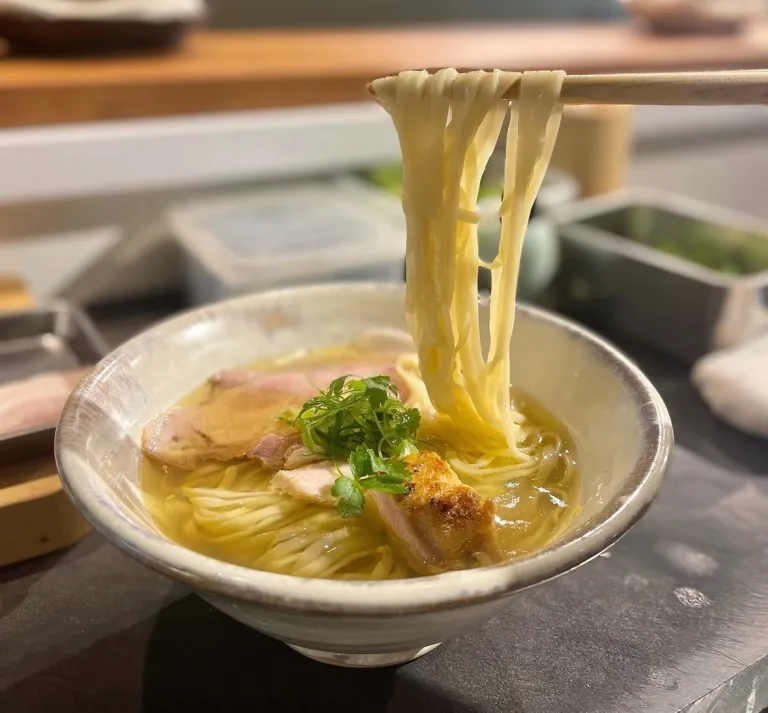 Image credit: Japanese Ramen Gokan Official Instagram
As its name suggests, Gokan, meaning "five senses", aims to create an experience that can be appreciated through sight, aroma, taste, texture, and presentation. The restaurant's philosophy centres on promoting the appeal of Japanese food culture through ramen made entirely with domestic ingredients. The shio ramen features a broth built from freshwater clams, oysters, and scallops sourced from different regions of Japan, while the shoyu ramen combines local chicken, kombu, and carefully selected seafood ingredients to create a remarkable depth of flavour.
Attention to detail extends beyond the bowl itself. The restaurant uses handcrafted ceramic bowls made by Japanese artisans, reflecting its commitment to showcasing traditional craftsmanship alongside carefully sourced produce. Popular choices include the Tokujo Shoyu Ramen (¥2,200 / approx. S$20) and Tokujo Shio Ramen (¥2,200 / approx. S$20), both topped with premium ingredients that highlight the restaurant's dedication to quality.
Despite its growing reputation, the dining experience remains intimate and focused. With a menu built around seasonal ingredients and regional specialities, Japanese Ramen Gokan offers travellers a chance to experience ramen not simply as comfort food, but as a refined expression of Japan's culinary culture.
Visitor Information
Address: 2-57-2 Higashi-Ikebukuro, Toshima-ku, Tokyo 170-0013, Japan
Opening Hours:
Wednesday–Sunday: 11:30 am – 3:00 pm
Closed: Mondays and Tuesdays
Reservations: Required
Reservations open every Sunday at 10:00 am for the following Wednesday–Sunday.
Bookings can be made via TableCheck through the restaurant's X or Instagram profile.
Payment: Cash only
Popular Dishes:
Tokujo Shoyu Ramen — ¥2,200 (approx. S$20)
Tokujo Shio Ramen — ¥2,200 (approx. S$20)
Access:
Approximately 15 minutes on foot from Ikebukuro Station East Exit
3. Sosakumenkobo NAKIRYU
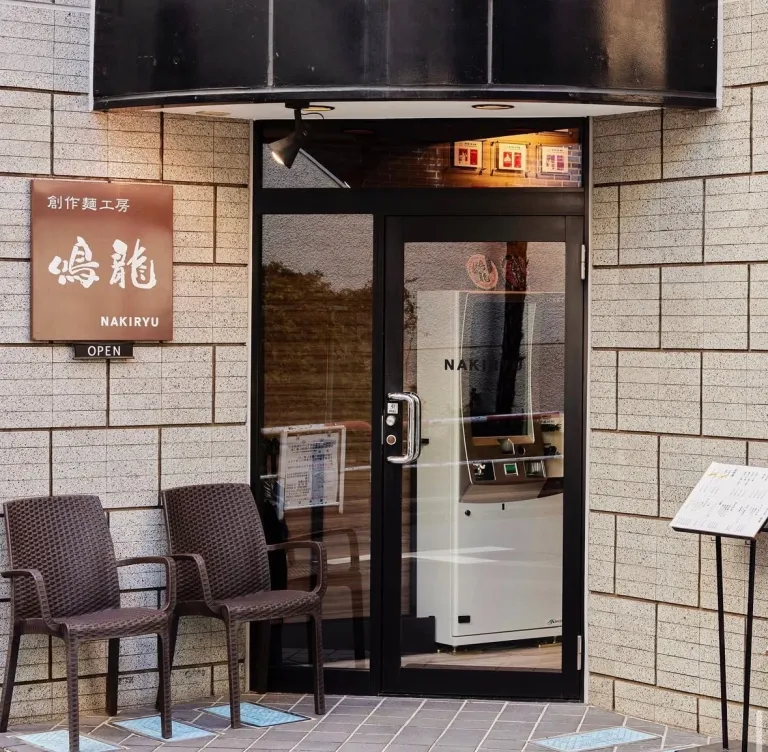 Image credit: Sosakumenkobo NAKIRYU Official Instagram
Sōsaku Menkobo Naryu draws its name from the legendary dragon painted on the ceiling of Yakushidō Hall at Nikkō Tōshōgū, a symbol of soaring ambition that the owners chose to embody their hopes for the restaurant. Behind the counter, a husband and wife born in the Year of the Dragon work in close harmony to craft every bowl — a partnership that reflects the spirit of the name they chose for their shop.
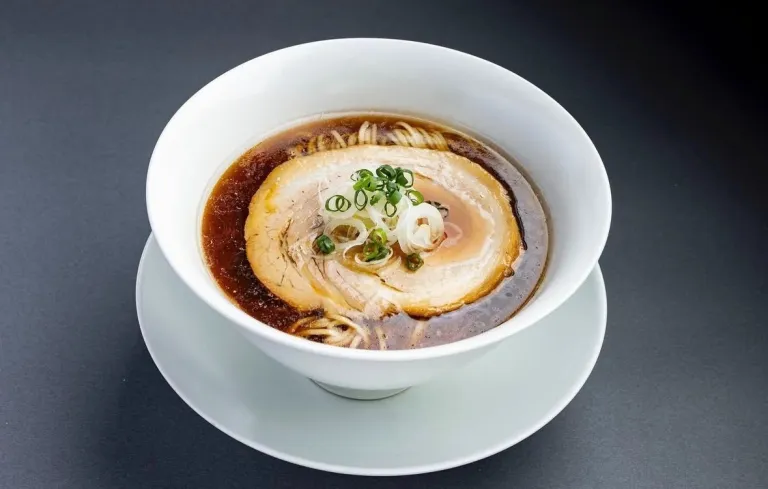 Image credit: Sosakumenkobo NAKIRYU Official Instagram
The menu spans a range of styles, from the celebrated tantanmen to a refined soy-sauce ramen built on a broth of whole chicken and fresh oysters. The tantanmen (¥1,300 / approx. S$12) layers minced meat, sesame paste, and house-made chilli oil, each element amplifying the others to create a deeply satisfying depth of flavour. For something more indulgent, the Beef Ramen (¥2,300 / approx. S$21) showcases the kitchen's mastery of rich, robust broths. Side dishes such as yodare dori (poached chicken in chilli sauce) and prawn wontons round out the menu, drawing on the owner's background in Chinese cuisine.
What sets Naryu apart is the owner's commitment to fresh noodle-making. A dedicated space in the basement is used each morning and afternoon, where the owner personally prepares noodles and adjusts the recipe and thickness to suit each broth. The tantanmen uses egg-free noodles to highlight the natural flavour of the flour and achieve an al dente texture, while the salt ramen is paired with slightly thinner noodles for better integration with the soup.
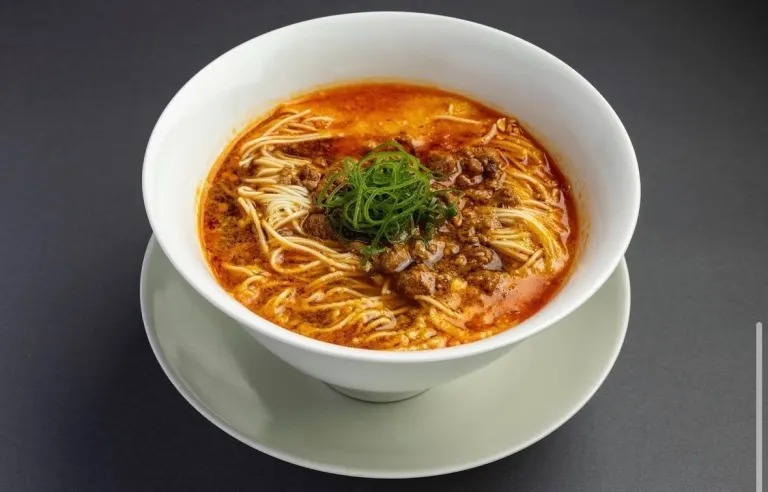 Image credit: Sosakumenkobo NAKIRYU Official Instagram
The broth is made from whole chicken, beef bones, fresh oysters, vegetables, dried shiitake mushrooms, and kombu, simmered for hours to create remarkable depth and umami. The chef carefully balances the flavours to highlight richness without overpowering the palate. Equally impressive is the signature chashu, slow-cooked and lightly seared before being served with a house-made onion sauce that complements the pork's natural sweetness. Every element is thoughtfully crafted, resulting in a bowl that feels both refined and deeply satisfying.
Visitor Information
Address: SKY Minami-Otsuka 1F, 2-34-4 Minami-Otsuka, Toshima-ku, Tokyo, Japan
Opening Hours: Monday–Saturday, 11:00 am – 3:30 pm
Closed: Sundays and Public Holidays
Reservations: Required (same-day tickets available via tablet at the restaurant from 8:00 am; time slots available every 30 minutes from 11:00 am to 3:30 pm)
Payment: Cash only
Popular Dishes:
Tantanmen — ¥1,300 (approx. S$12)
Beef Ramen — ¥2,300 (approx. S$21)
Access:
5-minute walk from Shin-Otsuka Station North Exit (Tokyo Metro Marunouchi Line)
6-minute walk from Otsuka Station South Exit (JR Yamanote Line)
Near Ginza & Tsukiji
4. Ginza HARU CHAN Ramen
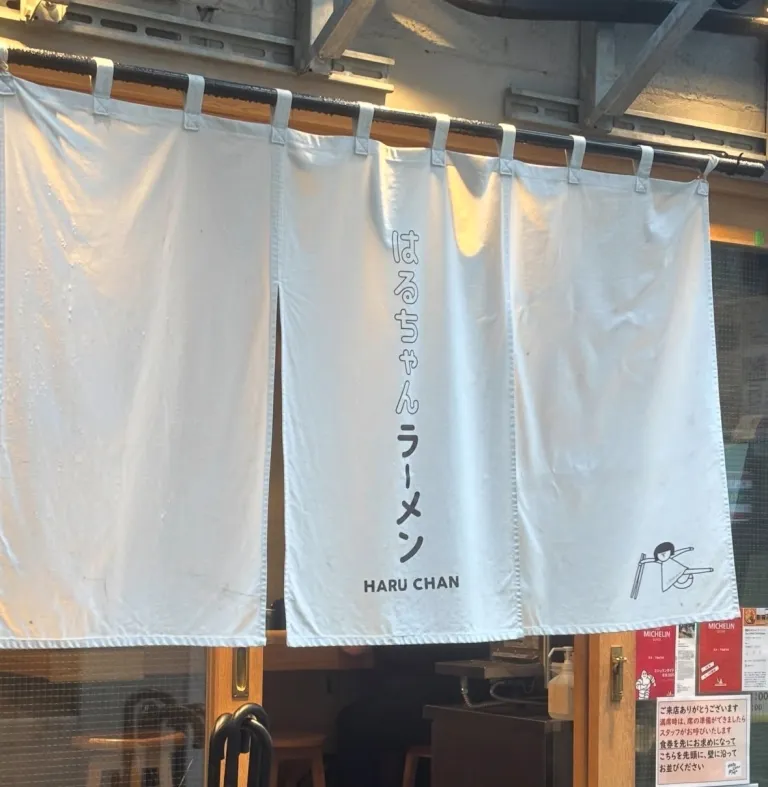 Image credit: Ginza HARU CHAN Ramen Official Instagram
Ginza HARU CHAN Ramen has quickly established itself as one of Tokyo's most celebrated ramen destinations, earning consecutive Michelin Bib Gourmand selections since 2023. Located in the heart of Ginza, the restaurant combines the nostalgic appeal of classic Tokyo-style ramen with a level of refinement that has attracted both locals and visitors alike. Despite its popularity and frequent queues, the welcoming atmosphere feels more like a modern café than a traditional ramen shop, making it particularly approachable for solo diners and first-time visitors.
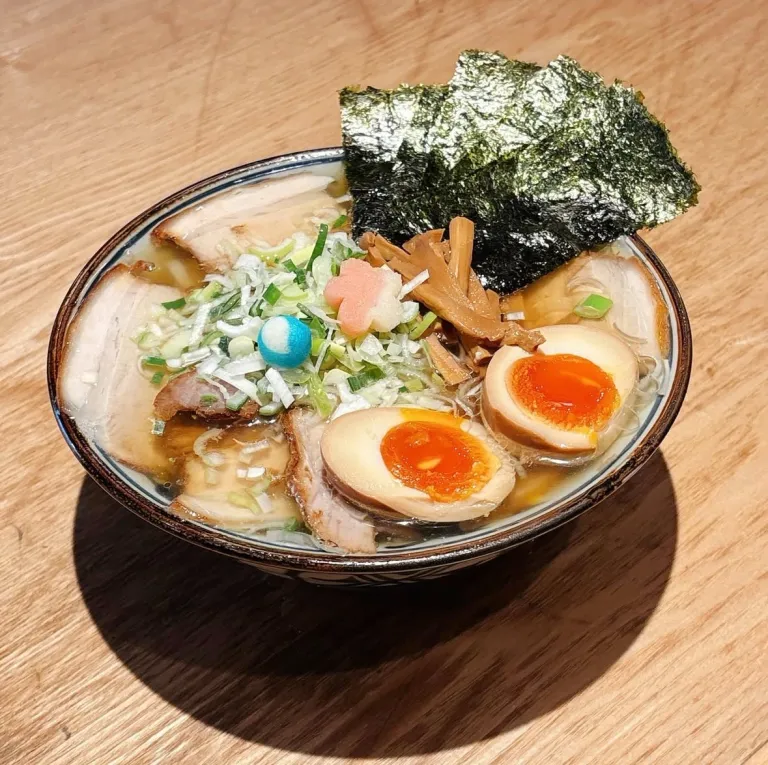 Image credit: Ginza HARU CHAN Ramen Official Instagram
The restaurant's signature bowl is a salt-based chuka soba built around a clear broth prepared fresh every day. Made from pork knuckles, carefully selected dried sardines, and aromatic vegetables, the soup delivers remarkable depth of flavour while maintaining a clean and elegant finish. Floating on the surface are simple toppings such as spring onions, seaweed, and flower-shaped fu, creating a presentation that feels both comforting and distinctly Japanese.
Popular choices include the restaurant's signature Chuka Soba (¥1,200 / approx. S$11) and the more indulgent Special Chuka Soba (¥1,600 / approx. S$15), which comes with additional toppings. Equally distinctive are the restaurant's flat noodles, which combine a silky surface with a pleasantly chewy texture. The pork chashu is simmered alongside the broth before being sliced to order, allowing its rich flavour and natural sweetness to shine through in every bowl.
Rather than chasing trends or elaborate gimmicks, Ginza HARU CHAN Ramen focuses on perfecting the fundamentals. The result is a deeply satisfying bowl that feels both nostalgic and contemporary. Its commitment to quality, combined with Michelin recognition and a welcoming atmosphere, makes it a worthwhile stop for travellers looking to experience a refined yet approachable side of Tokyo's ramen culture.
Visitor Information
Address: 3-11-6 Ginza, Chuo-ku, Tokyo 104-0061, Japan
Opening Hours: Open daily (please check the restaurant's official social media for the latest hours)
Closed: No regular closing days
Reservations: Not available
Payment: Please check with the restaurant before visiting
Popular Dishes:
Chuka Soba — ¥1,200 (approx. S$11)
Special Chuka Soba — ¥1,600 (approx. S$15)
Access:
1-minute walk from Higashi-Ginza Station
Near Shibuya & Meguro
5. YAKUMO
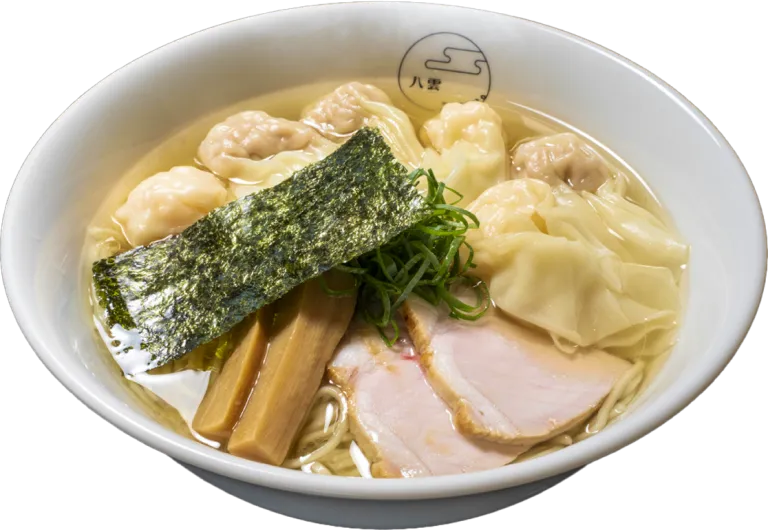 Image credit: YAKUMO Official Website
Yakumo has been a beloved fixture of Tokyo's ramen scene since its founding in Meguro in 1999, drawing devoted regulars with a bowl that has remained true to its origins for over two decades. At the heart of its appeal is the wonton ramen — a signature that diners come specifically to seek out, and the dish that has defined the restaurant's reputation from the very beginning.
The menu is built around two distinct broth styles: shiro-dashi, a refined white soy sauce broth with a delicate, aromatic character, and kuro-dashi, a deeper, more robust version made with dark soy sauce. A mixed option combining both is also available for those who wish to experience the full range of flavour. Paired with the broth is Yakumo's signature medium-thin straight noodle — smooth in texture, with a clean bite that allows the wheat's natural fragrance to come through. Flat noodles are available as an alternative, giving diners the freedom to tailor their bowl to their own preference.
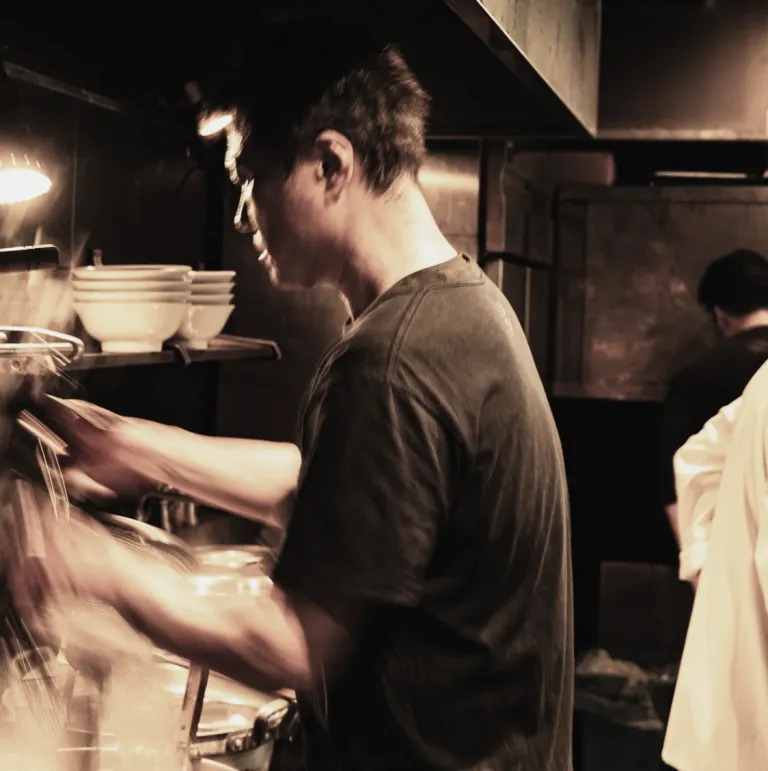 Image credit: YAKUMO Official WebsiteThe wontons are made by hand every day without exception. Two varieties are on offer: a ginger-seasoned pork wonton with a well-rounded, satisfying flavour, and a prawn wonton with a firmer, more textured bite. Both are available in a single bowl via the tokusei (special) option — the Special Wonton Ramen with white soy sauce broth (¥1,450 / approx. S$13) or with dark soy sauce broth (¥1,450 / approx. S$13) — which showcases the kitchen's craft at its fullest.
Behind each bowl is a philosophy rooted in quiet dedication. The white soy sauce soup is built on carefully selected ingredients layered with the deep umami of seafood, then slowly and patiently cooked to bring out its clarity and depth. From the broth to the noodles to the hand-wrapped wontons, every element reflects the craftsmanship and attention that Yakumo has maintained since the day it opened. It is the kind of bowl that stays with you long after the last drop.
Visitor Information
Address: Ebiya Building 1F, 3-6-15 Higashiyama, Meguro-ku, Tokyo, Japan
Opening Hours: 11:30 am – 3:30 pm
Reservations: Not available
Payment: Cash only
Popular Dishes:
Special Wonton Ramen (Shiro-dashi) — ¥1,450 (approx. S$13)
Special Wonton Ramen (Kuro-dashi) — ¥1,450 (approx. S$13)
Access:
3-minute walk from Ikejiri-Ohashi Station East Exit (Tokyu Den-en-toshi Line)
6. Ramen Break Beats
Ramen Break Beats offers one of Tokyo's most distinctive ramen experiences, combining meticulous craftsmanship with the creative vision of its founder, Chef Takuro Yanase. Before opening the restaurant, Yanase spent more than a decade working in the restaurant industry in Canada while also performing as DJ YANASE. His musical background continues to shape the identity of the restaurant, where carefully selected music plays throughout the intimate dining space and even the restaurant's name draws inspiration from breakbeats.
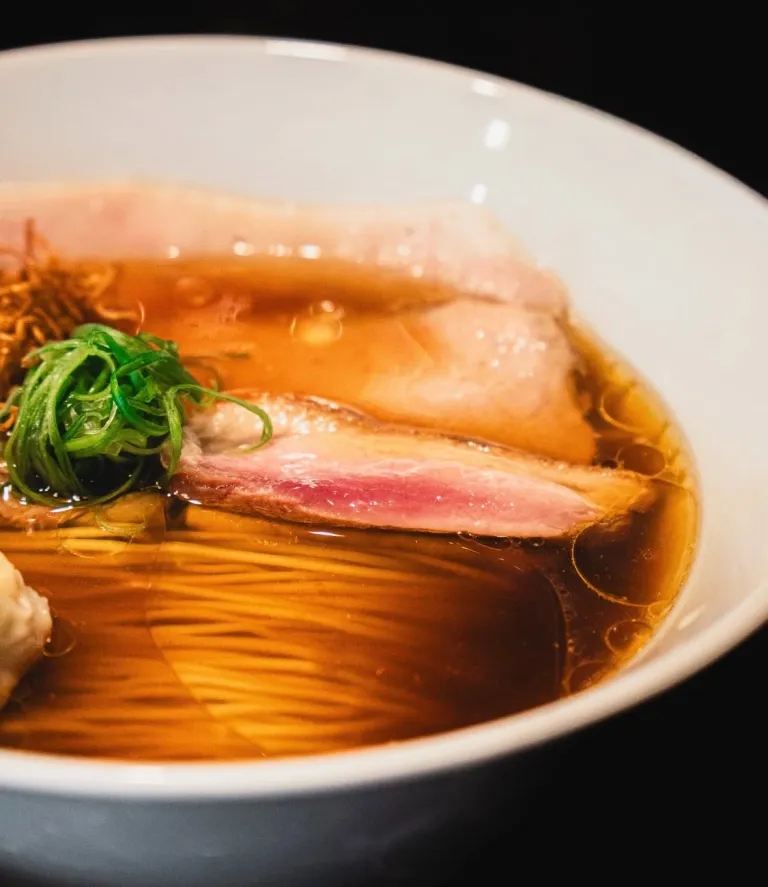 Image credit: Ramen Break Beats Official Instagram
Unlike many ramen shops that focus on speed and volume, Ramen Break Beats approaches each bowl with remarkable precision. The restaurant's signature shoyu ramen features a clear amber-coloured broth made from premium Kyushu chicken, including Hakata jidori and Tenkusatō. The soup is slowly extracted to develop rich aroma and depth, while a tare made from five different soy sauces, centred around Fukuoka's Kitai soy sauce, creates a balanced and layered flavour profile. Guests are encouraged to first appreciate the clarity of the broth before enjoying it with the thin straight noodles, which are carefully arranged to preserve both presentation and texture.
One of the most popular choices is the Tokujo Shoyu Ramen (¥2,250 / approx. S$21), topped with premium ingredients including chashu and wontons. The restaurant's attention to detail extends beyond the bowl itself, creating an experience that feels closer to a carefully curated tasting than a conventional ramen meal. This commitment to quality has earned Ramen Break Beats recognition in both the Michelin Guide Bib Gourmand selection and the Tabelog Ramen Hyakumeiten. With its combination of refined flavours, thoughtful presentation, and a unique music-inspired identity, Ramen Break Beats offers travellers a memorable glimpse into the modern evolution of Tokyo's ramen culture.
Visitor Information
Address: Ivy Heights 1F, 4-21-19 Meguro, Meguro-ku, Tokyo 153-0063, Japan
Opening Hours: Wednesday–Saturday, 11:30 am–3:00 pm
Closed: Monday, Tuesday, and Sunday (hours and closing days may vary; check the restaurant's official social media before visiting)
Reservations: Required
Reservation Policy:
Reservations open daily at 9:00 pm for dates up to seven days in advance
A non-refundable booking fee of ¥500 per person applies
Changes to reservation dates or party size are not permitted after booking
Cancellations made from the day before the reservation date incur a ¥2,000 per person cancellation fee
Each guest must order at least one bowl of noodles
Payment:
Cash is not accepted
Credit cards, IC transportation cards, and QR code payments are accepted
Popular Dishes:
Tokujo Shoyu Ramen — ¥2,250 (approx. S$21)
Tokujo Shio Ramen — ¥2,250 (approx. S$21)
Access:
13-minute walk from Yutenji Station (Tokyu Toyoko Line)
4-minute walk from Yutenji-Ura bus stop
Notes:
Strong perfumes and heavily scented products are discouraged to preserve the aroma of the soup
Guests are asked to be considerate when taking photographs inside the restaurant
Most reservation slots are released through the restaurant's official social media channels and booking platform
Beyond the Tourist Trail
7. Sasaki Seimenjo
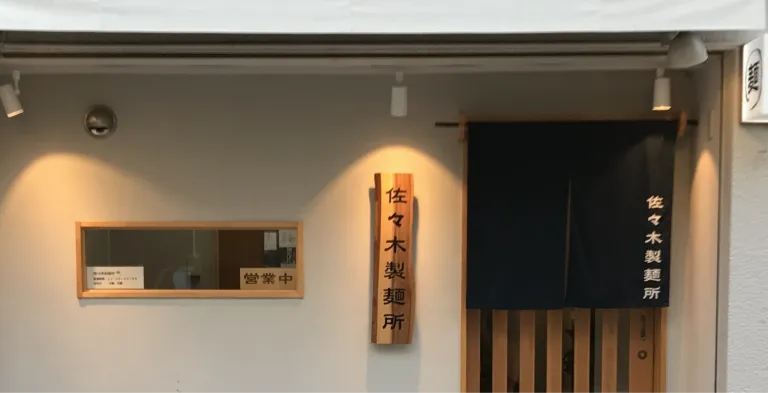 Image credit: Sasaki Seimenjo Official Website
Sasaki Seimenjo is a neighbourhood ramen shop run by owner-chef Mikihiro Sasaki and his wife. Opened in 2017, the restaurant was founded by Sasaki, a self-taught ramen craftsman who devoted himself to mastering the art of ramen-making. Housed in a building that resembles a traditional Japanese izakaya, it offers a welcoming atmosphere that appeals to a wide range of diners, including solo female visitors.
The restaurant's dedication to quality has earned it a place in the Michelin Guide Tokyo 2026 Bib Gourmand list, marking its fourth consecutive year of recognition. As Bib Gourmand selections have become increasingly limited in recent years, maintaining a place in the guide is a notable achievement.
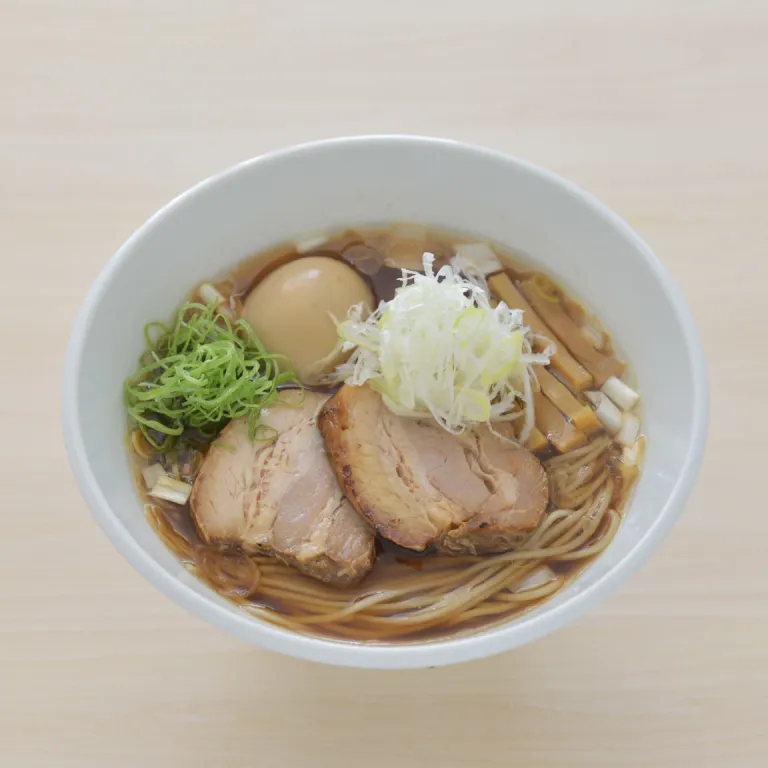 Image credit: Sasaki Seimenjo Official Website
Deeply connected to the local community, Sasaki Seimenjo sources ingredients from nearby greengrocers and butchers in Nishi-Ogikubo and has built a loyal following among local residents, students, and families. Its location away from the station adds to its neighbourhood charm, and visitors arriving in the early afternoon on weekdays may even be able to avoid the queues.
True to its name, Sasaki Seimenjo takes particular pride in its noodles, which are made from carefully selected Japanese wheat and served in both thin and flat varieties. Popular menu items include the Special Tsukesoba (¥1,800 / approx. S$17), the restaurant's most indulgent offering, as well as the Special Shio Soba (¥1,600 / approx. S$15) and Special Shoyu Soba (¥1,500 / approx. S$14). Guests ordering shoyu or shio ramen can choose between the restaurant's signature thin noodles or flat noodles, while the tsukesoba is served exclusively with flat noodles. Seasonal miso ramen, available during the colder months, is another favourite that many regulars look forward to each year.
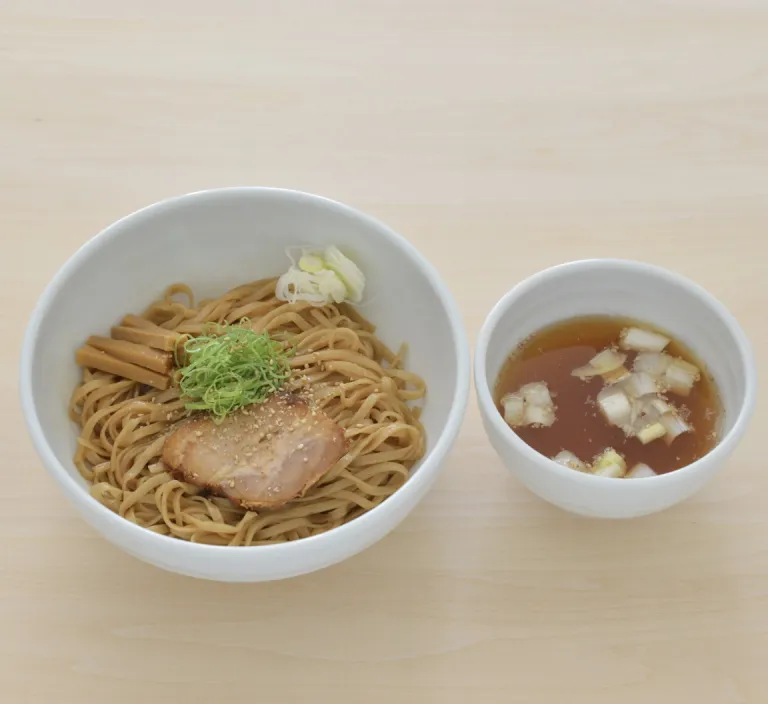 Image credit: Sasaki Seimenjo Official Website
Visitors should note that photography inside the restaurant is restricted to food and menu items only, helping to preserve the relaxed atmosphere for both diners and staff. For travellers seeking a more local side of Tokyo's ramen culture, Sasaki Seimenjo offers Michelin-recognised quality, carefully crafted noodles, and a genuine neighbourhood atmosphere. It remains one of Nishi-Ogikubo's most respected ramen destinations.
Visitor Information
Address: 4-26-10 Nishi-Ogikubo Kita, Suginami-ku, Tokyo 167-0042, Japan
Opening Hours: Tuesday–Saturday, 11:00 am – 3:00 pm
Closed: Sundays and Mondays
Reservations: Not available
Payment: Cash only
Popular Dishes:
Special Tsukesoba — ¥1,800 (approx. S$17)
Special Shio Soba — ¥1,600 (approx. S$15)
Special Shoyu Soba — ¥1,500 (approx. S$14)
Access:
Approximately 845 metres from Nishi-Ogikubo Station
8. There Is Ramen
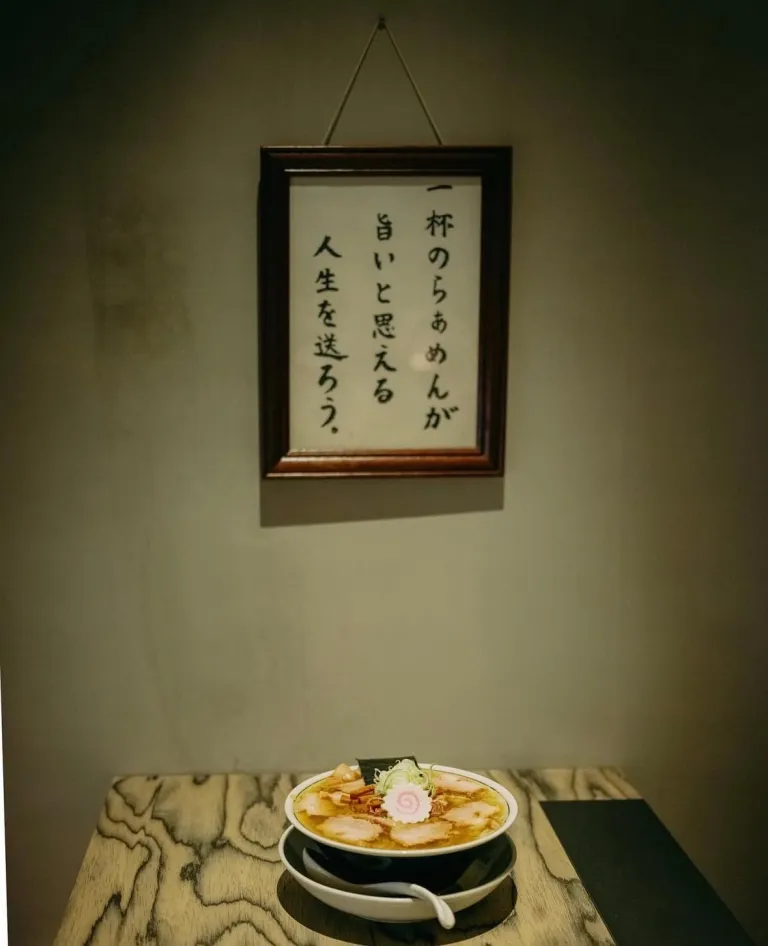 Image credit: there is ramen Official Instagram
In a city filled with thousands of ramen shops, There Is Ramen has managed to stand out through a simple yet distinctive approach. Located in Tokyo's Ogikubo district, the restaurant has earned a Bib Gourmand in the Michelin Guide Tokyo 2026 and was also selected for the Tabelog Ramen Tokyo Hyakumeiten from 2023 to 2025, cementing its reputation as one of the capital's most respected ramen destinations.
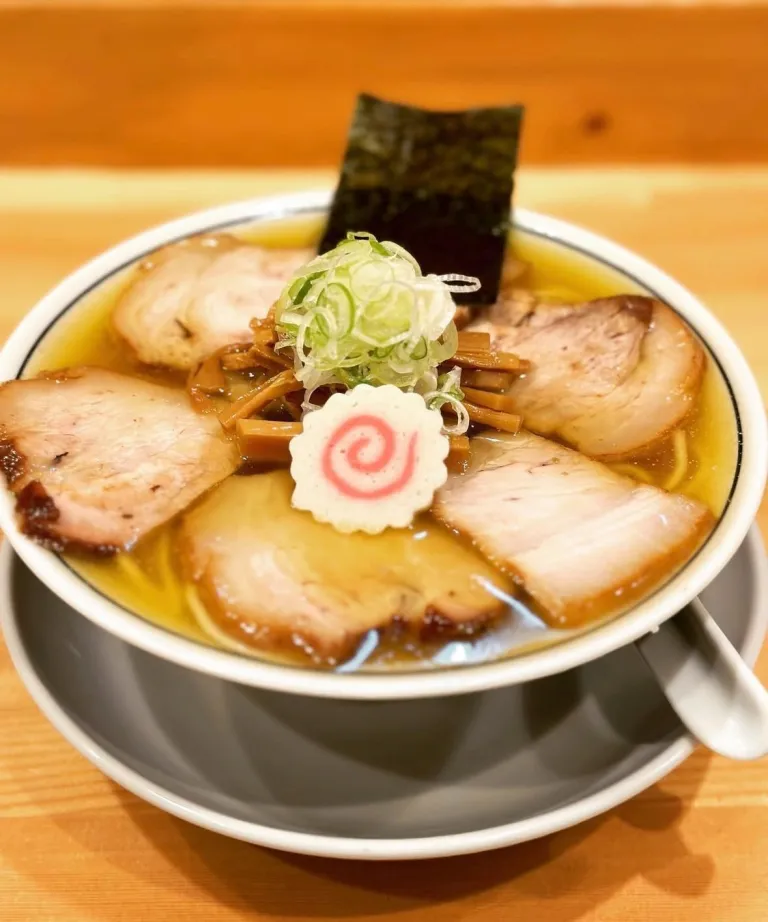 Image credit: there is ramen Official Instagram
The restaurant's signature bowl combines the richness of animal-based broth with the deep savoury character of dried sardines, creating a flavour profile that is both familiar and uniquely its own. According to the Michelin Guide, the result is a bowl that showcases the restaurant's pursuit of originality while delivering remarkable satisfaction.
Popular choices include the Chashu-men (¥1,380 / approx. S$13) and Wonton-men (¥1,260 / approx. S$12). Diners looking for something more substantial can opt for the Ajitama Chashu-men (¥1,530 / approx. S$14) or Ajitama Wonton-men (¥1,410 / approx. S$13), both served with a seasoned egg. The generously portioned chashu is one of the restaurant's defining features, often covering much of the bowl. Some regulars even order rice on the side and enjoy the remaining pork as a makeshift chashu rice bowl.
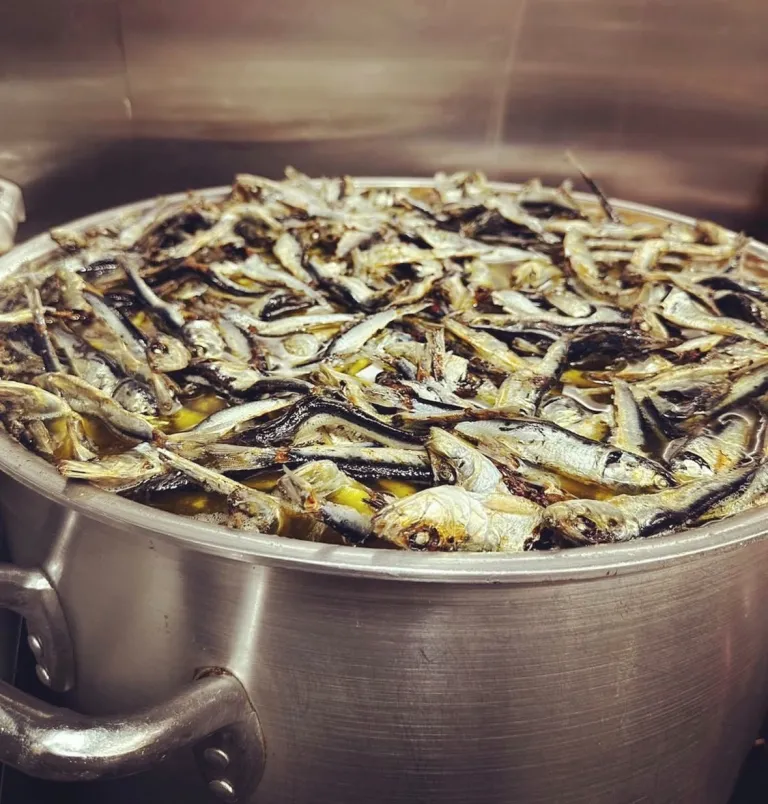 Image credit: there is ramen Official Instagram
More than just a place to satisfy a craving, There Is Ramen approaches ramen as a carefully crafted experience. The minimalist interior encourages diners to focus entirely on the bowl before them, while its reputation for quality has made it a destination worth queuing for. Despite the acclaim, the restaurant remains welcoming to solo diners, making it an accessible stop for travellers exploring Tokyo's renowned ramen scene. For visitors looking to experience one of the city's most celebrated bowls outside the usual tourist hotspots, There Is Ramen offers a memorable taste of modern Tokyo ramen culture.
Visitor Information
Address: 3-10-16 Amanuma, Suginami-ku, Tokyo 167-0032, Japan
Opening Hours:
Monday–Friday: 11:00 am – 4:00 pm, 6:00 pm – 9:30 pm
Saturday, Sunday, and Public Holidays: 11:00 am – 9:30 pm
Closed: Open daily
Reservations: Not available
Payment: Cash only
Popular Dishes:
Chashu-men — ¥1,380 (approx. S$13)
Wonton-men — ¥1,260 (approx. S$12)
Ajitama Chashu-men — ¥1,530 (approx. S$14)
Ajitama Wonton-men — ¥1,410 (approx. S$13)
Access:
3-minute walk from Ogikubo Station North Exit
Note:
Opening hours may change depending on the owner's circumstances. Visitors are advised to check the restaurant's official X account before visiting.

About Author

Tomohiro is passionate about movies and enjoys spending his time watching baseball games and connecting with new people through conversation. He has a sociable personality and loves learning about different perspectives and cultures. On his days off, he often travels across various parts of the UK, exploring new towns, landscapes, and local experiences while planning his next journey.