
A Guide to Ban Gioc Waterfall: All You Need to Know
This is Asia’s very own Niagara Falls!

Love travelling but hate the crowds of tourists? It’s time to get off the mainstream tourist trail and get on the road less travelled. One off-the-beaten-path destination you have to see is the majestic . The waterfall hasn’t seen the light (or should I say darkness?) of mass tourism yet. Although it is getting relatively easier to visit the waterfall, only a sprinkling of domestic and foreign travellers visit the waterfall per day.
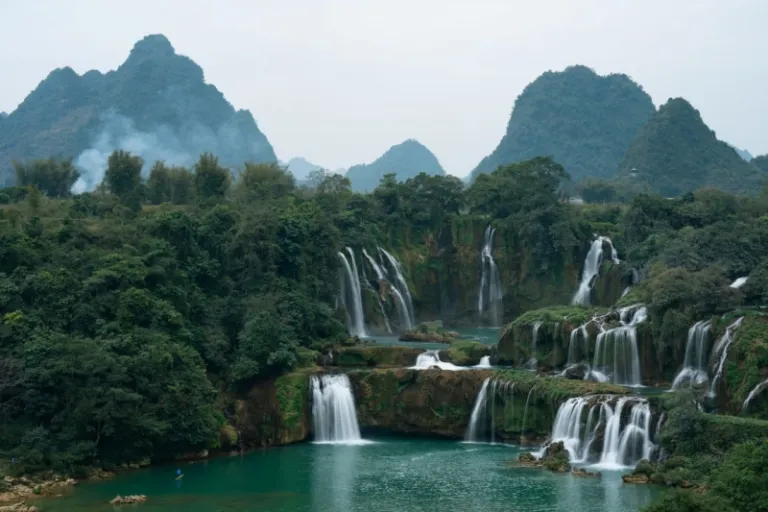
Image credit: Alex Berger
What: About the
, also known as Detian Falls, is one of Vietnam’s magnificent natural attractions. Standing at over 70 metres tall, water tumbles down a multi-tiered cliff and is separated into different falls by rocks and trees. With a stunning lush backdrop and the impressive karst peaks that surround the spectacle, you have to be there personally to take in its beauty. In addition, is the widest waterfall in Vietnam at over 300 metres wide. It is also the largest waterfall in Asia and the fourth largest waterfall in the world that is along a national border (after Iguazu Falls, Victoria Falls, and Niagara Falls).
Where: Location of the
The is located on the Quay Son River, which sits on the international border between China and Vietnam. More explicitly, the is sandwiched between Daxin County in Guangxi, China, and Trung Khanh District in Cao Bang Province, Vietnam.
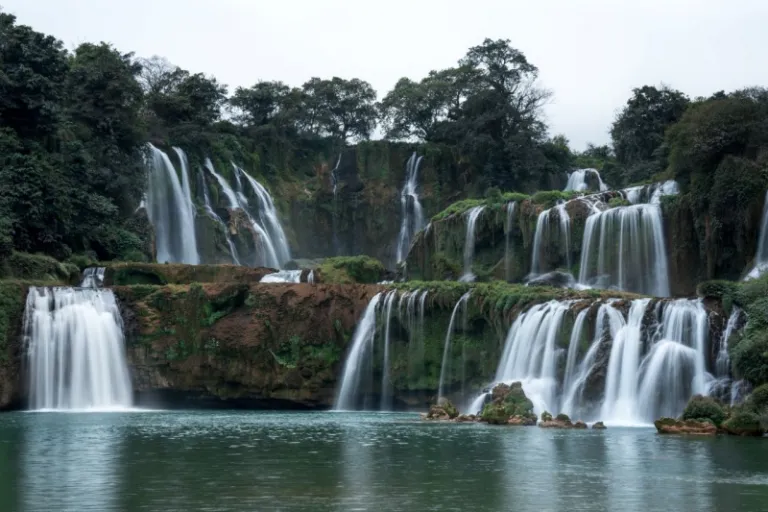
Image credit: Alex Berger
How: Getting to the
Most people get to the from the Vietnamese side as it is close to its capital city, Hanoi. First, head to Cao Bang city from Hanoi. Then, take a bus that will drop you off at the falls.
Hanoi to Cao Bang city
The most convenient way to Cao Bang city is to take a bus from Hanoi’s My Dinh Bus Station. Buses depart almost every hour throughout the day to Cao Bang city. Since the journey takes approximately six to eight hours, it is advisable to take an overnight bus which can save you an overnight stay in Cao Bang city. If you’re picturing spending a night on a bus in an uncomfortable upright position, don’t worry. Vietnam’s sleeper buses are known to be comfortable, with seats that can recline almost all the way flat.

Image credit: Phil Tomlinson
Cao Bang city to
is about 90 kilometres east of Cao Bang city. The easiest way to get to the waterfall is to arrange a day trip with your accommodation. Most accommodations offer trips to the falls by hired car with a driver.
Since the price of private hires can vary widely, a cheaper alternative is to take the local bus. The buses will take you directly to and departs about every 30 minutes from morning till afternoon. Since the bus station is pretty small, it won’t be difficult to locate the right bus with some help from the locals. A one-way trip costs about USD3 and it takes about 90 minutes to reach the waterfall.
At
Entrance to the costs about USD2 and tickets can be bought at a kiosk near the waterfall. Sometimes, the staff might request to see your passport as the falls are located right on the Chinese border. Then, make your way down a gravel path where the majestic waterfall will be in sight within moments.
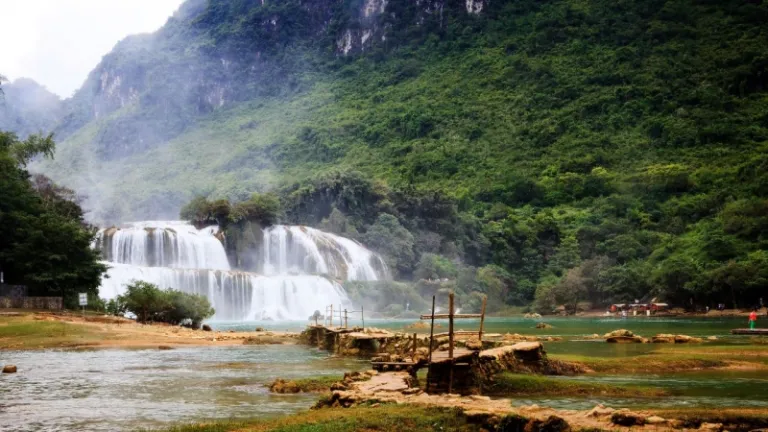
Image credit: anh nguyen
If you’re planning on visiting the waterfall from the Chinese side, first head to Nanning city. Then, take a four-hour long bus ride from Langdong bus station in the city to get to the waterfall. Similarly, you can arrange day tours with your accommodation in Nanning city.
When: Best time to visit
The waterfall is open to visitors all year round, however it is recommended not to visit during Vietnam’s wettest months, which is from June to August. During this period, the heavy downpours feed a large amount of water to the Quay Son River causing several tiers of the waterfall to merge. Also, the spray of the waterfall at this time is much more far-reaching, making it difficult to photograph the waterfall without getting your camera wet. The best time to visit is during the dry season from September to October. The waters are much calmer and the environment is in luxuriant condition.
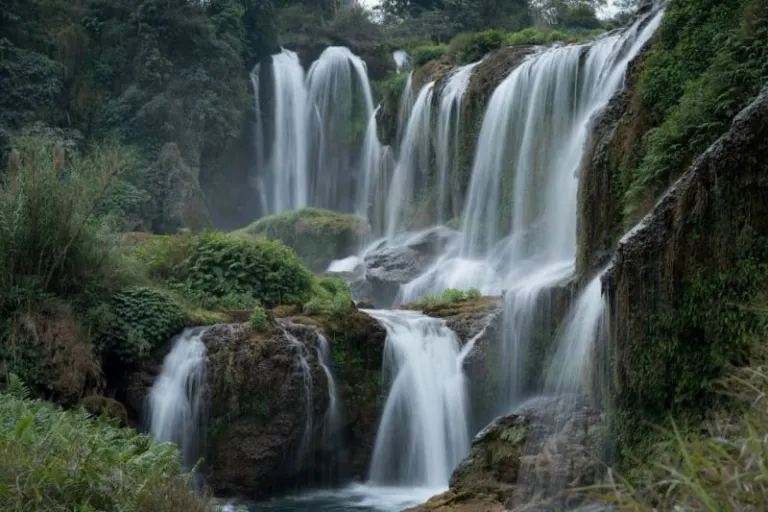
Image credit: Alex Berger
Why: Reasons to visit the
Other than the stunning beauty of the waterfall and having this off-the-beaten-path destination almost to yourself, here are some more reasons why you must visit the .
Get some stunning Instagram shots
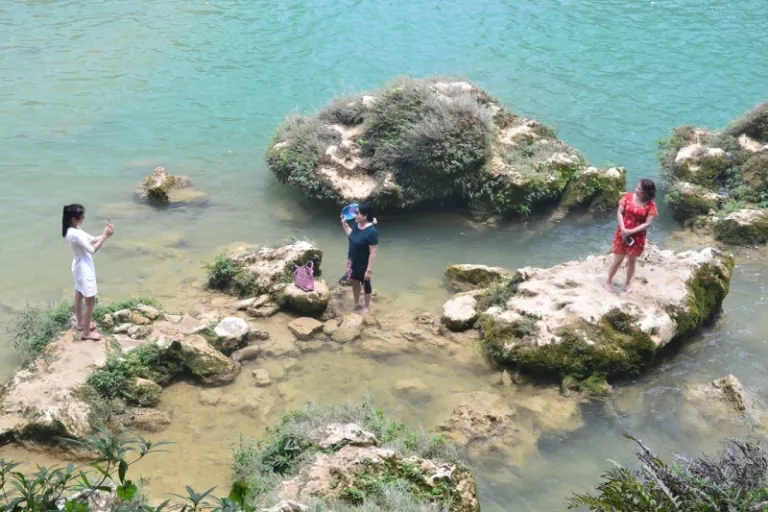
Image credit: Hiroshi Saito
Around the base of the waterfall, there are many spots where you can strike a pose for the ‘gram. From the grassy bank to a boulder in the river, potential photo spots are endless in the area. If you’re feeling adventurous, carefully climb up the precarious sides of the waterfall to get a different view of the . #wanderlust
See a waterfall up close
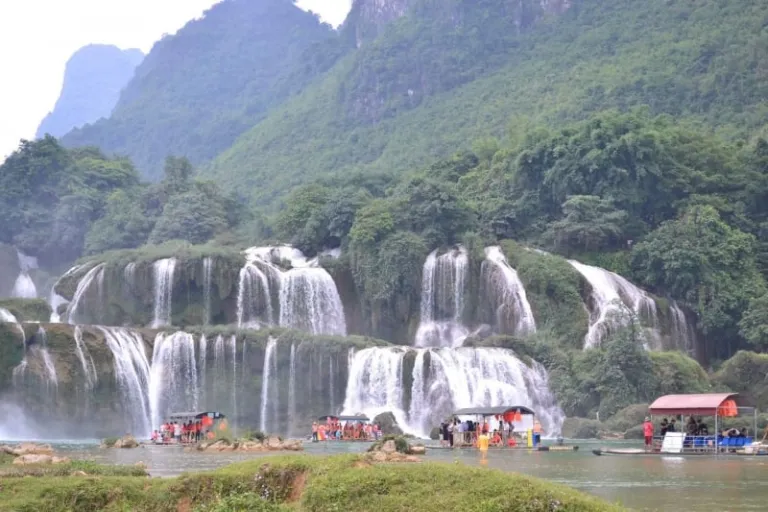
Image credit: Hiroshi Saito
Hop on a bamboo raft get a closer look at the . Be warned: You will definitely get wet from the spraying curtains of water! You will need to pay around USD2 for a 10-minute bamboo raft ride. The bamboo rafts’ canopies are colour-coded; green for the rafts from the Vietnamese side, and blue for the Chinese side.
Have a splashing good time
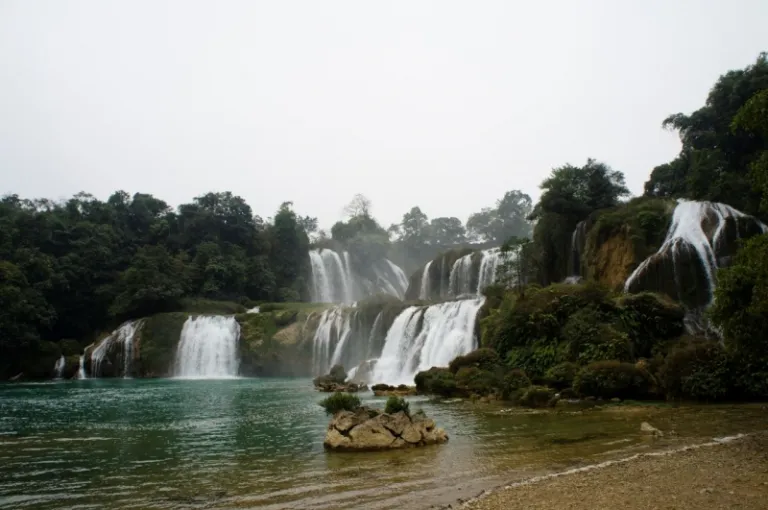
Image credit: Costi
Are the clear jade-green waters of the Quay Son River and enticing you to take a plunge? Well, no one’s stopping you. Go ahead and take a refreshing dip in one of the large natural pools near the waterfall. Ah, the good life. Do look out for some “no swimming” signs posted near the river and main waterfall.
Also read: What to Expect When Travelling to Vietnam: Expectations vs Reality
Now that we’ve covered everything you need to know about the including the what, where, how, when and why, there’s only one question left. Who are you going to this extraordinary place with?
Also read: 9 Things That Happen When You Travel with Your Partner for the First Time

About Author

Sara’s passions in life are travelling, writing and eating. When she’s not in a window seat of a plane, she’s either cafe-hunting or exploring new neighbourhoods.