Sudhiksha
2025 brings a fresh wave of UNESCO World Heritage inscriptions across Asia, unveiling landscapes, monuments, and cultural treasures that invite travellers to explore deeper. From spiritual complexes to ancient forts and remarkable natural heritage, these sites offer immersive experiences and unforgettable stories.

Also read: Most Popular Destinations for Singaporeans in 2026
Here are the 2025 UNESCO additions in Asia that should be on every traveller’s radar.
Walk along the Khmer Rouge Memorial Sites, Cambodia
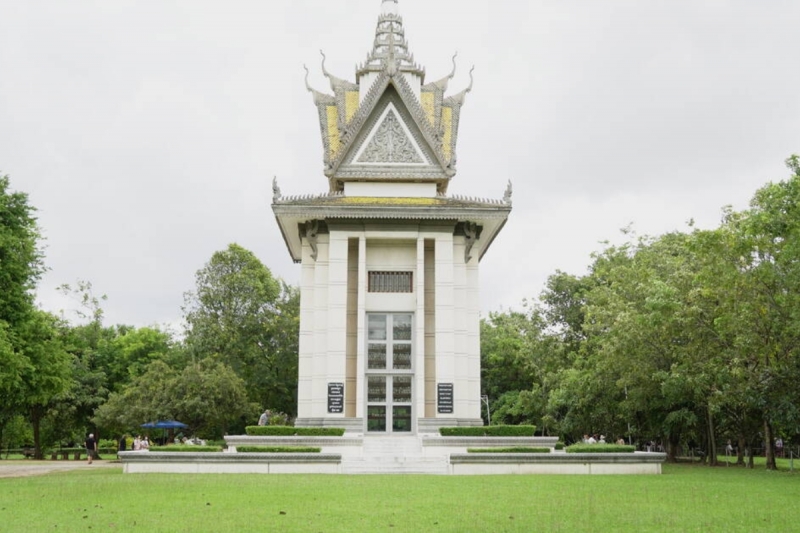
Image credit: UNESCO
Cambodia’s newly inscribed memorial sites preserve the haunting history of the Khmer Rouge era. Visiting Tuol Sleng, Choeung Ek, and the M‑13 prison, you trace the footprints of history’s darkest chapter. Stark walls, solemn monuments, and quiet memorials tell stories of resilience and remembrance.
The surrounding landscapes enhance reflection. Lush greenery and serene skies contrast with the weight of the past, offering visitors space to contemplate and learn. Travellers gain profound insight into Cambodia’s modern history while witnessing the resilience of its people.
Wander through the Forest Research Institute Malaysia Forest Park, Malaysia
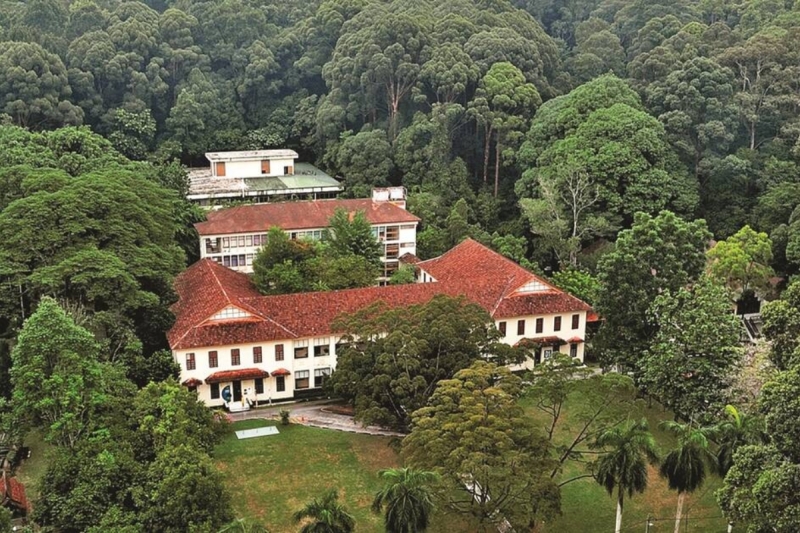
Image credit: UNESCO
Malaysia’s Forest Research Institute Park now receives UNESCO recognition for its blend of natural beauty and heritage. Wander along shaded trails where centuries-old trees tower above, and biodiversity thrives in carefully preserved rainforest patches. The park’s living collections showcase tropical flora in its most vibrant form.
Beyond the forest, heritage buildings from the colonial era add architectural charm. Visitors can learn about forestry research, conservation efforts, and Malaysia’s environmental legacy. It’s a perfect destination for travellers who love nature, education, and serene walks in emerald landscapes.
Examine the Petroglyphs along the Bangucheon Stream, South Korea
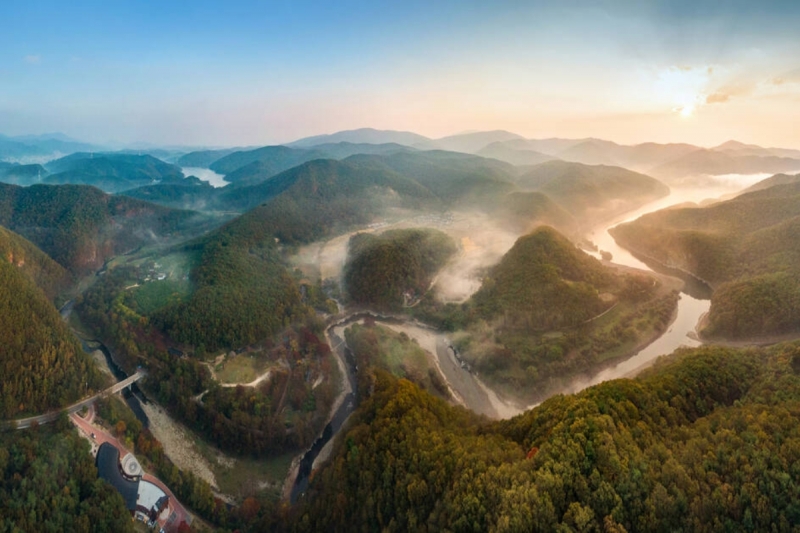
Image credit: UNESCO
South Korea celebrates its prehistoric rock art with the inscription of the Bangucheon Stream petroglyphs. Etched into ancient stones, these carvings reveal the spiritual and daily life of communities thousands of years ago. Each figure, symbol, and line provides a fascinating glimpse into early Korean culture.
The surrounding riverside environment adds to the experience. Gentle streams, leafy banks, and quiet paths make the site ideal for reflective walks. Travellers can combine history with a tranquil connection to nature, making each visit both educational and meditative.
Discover the Xixia Imperial Tombs in China
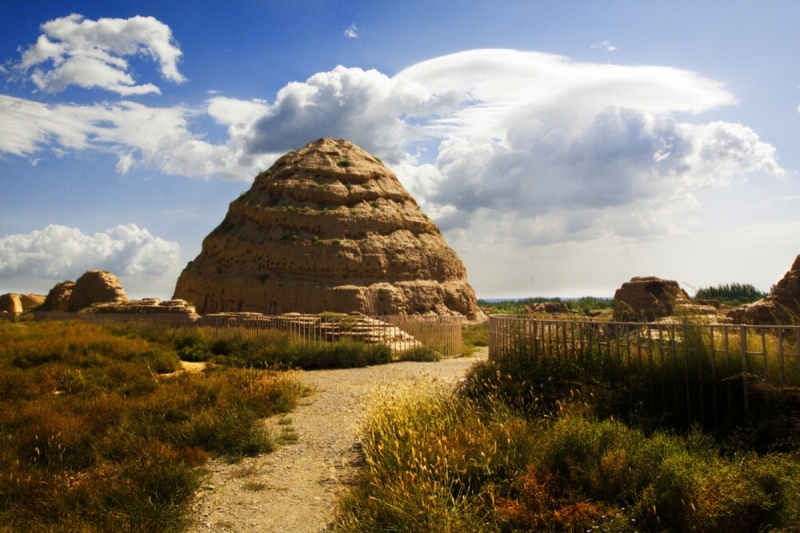
Image credit: UNESCO
The Xixia Imperial Tombs in China mark the resting place of rulers from the Tangut dynasty. Elaborate stone carvings, monumental walls, and intricately aligned tombs reflect imperial ambition and spiritual devotion. Walking through the tomb complex is like stepping into a living history lesson, full of mystery and majesty.
The arid landscapes of Ningxia provide a dramatic contrast to the carefully constructed tombs. Tourists experience both architectural mastery and natural beauty while learning about a dynasty that influenced northern China for centuries.
Visit Vietnam’s Yen Tu–Vinh Nghiem–Con Son Complex
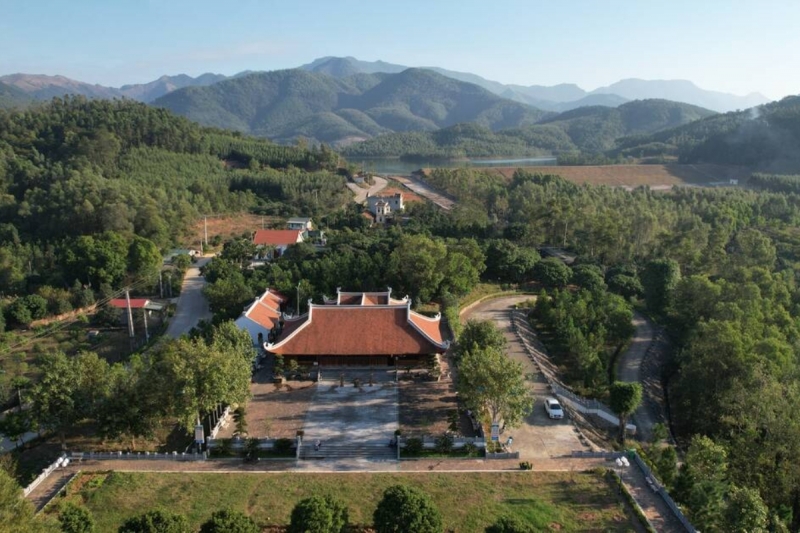
Vietnam’s spiritual landscape, the Yen Tu–Vinh Nghiem–Con Son complex, gained UNESCO recognition in 2025. Ancient pagodas, mountain trails, and meditation sites offer travellers a journey through Trúc Lâm Zen Buddhism. Each shrine and monastery carries centuries of devotion, inviting mindfulness and reflection.
The surrounding forests and hills provide breathtaking scenery. Mist-shrouded mornings and serene temples make it a pilgrimage both of the body and the spirit. Travellers who enjoy combining history, spirituality, and nature will find this site unforgettable.
Explore the Maratha Military Landscapes, India
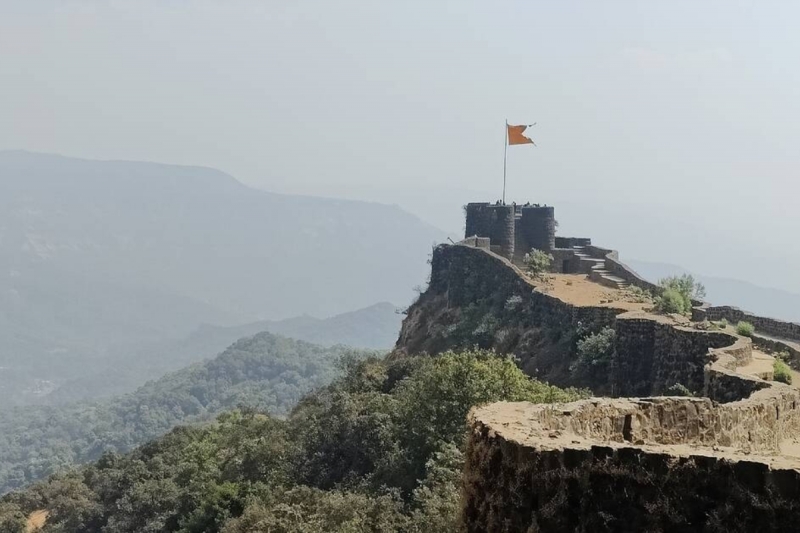
Image credit: UNESCO
India’s Maratha Military Landscapes now appear on the UNESCO list, highlighting historical forts scattered across Maharashtra and Tamil Nadu. Strong walls, commanding hilltops, and strategic designs reveal centuries of Maratha ingenuity. Exploring the forts, travellers can imagine the strategies and stories that shaped the region.
Villages and landscapes around the forts enrich the experience. Rolling hills, local markets, and vibrant traditions make each visit colourful and dynamic. It’s perfect for history buffs, photography enthusiasts, and anyone curious about India’s martial heritage.
Roam the relics of the Khorramabad Valley, Iran
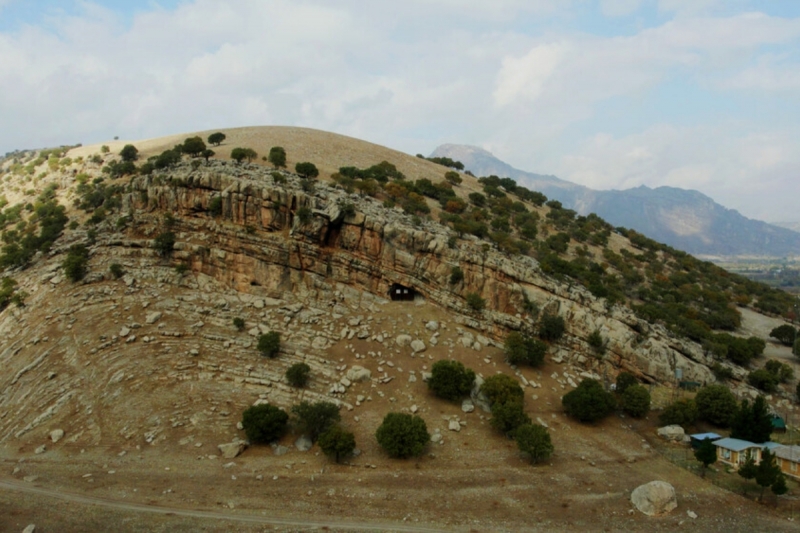
Image credit: UNESCO
Step into the ancient world at the Khorramabad Valley in Iran, where time seems to slow, and history whispers from every stone. This archaeological complex showcases millennia of human settlement, with rock art, burial sites, and early cultural relics etched into the landscape. Walking among these ancient sites, you feel a connection to early societies that shaped the region, imagining daily life in a world long before modern civilisation.
Beyond the artefacts, the surrounding valley enchants with rugged beauty. Towering cliffs, meandering streams, and fertile plains create a dramatic backdrop that seamlessly blends natural and cultural heritage. Travellers can explore both the sites and the landscape at leisure, absorbing the rich history while enjoying panoramic views that make the past feel remarkably alive.
Also read: Plan Your 2026 Holidays Now With These Long Weekends in Singapore
Plan your UNESCO 2025 Asian journey
These 2025 UNESCO World Heritage sites combine history, culture, and natural beauty to create experiences that are both educational and inspiring. Travellers exploring Asia this year can immerse themselves in ancient monuments, reflective memorials, and serene landscapes, each destination offering a deeper connection to the past and present.