
What To Do When Your Flight Is Overbooked
Getting denied boarding can throw your travel plans into chaos. Here’s what you need to know about your rights and what to expect.

You’ve checked in online, chosen your seat, and arrived at the airport with plenty of time to spare. However, at the gate, you hear the dreaded announcement: the flight is overbooked, and the airline is looking for volunteers to give up their seats. Panic sets in as you wonder whether you’ll make it to your destination on time.
Flight overbooking remains a common practice in the aviation industry. Nevertheless, understanding how it works and what compensation you’re entitled to can make an unexpected bump far less stressful. Moreover, knowing when overbooking is most likely to occur can help you plan accordingly.
Also read: Avoid The School Holiday Crowds At These Travel Destinations
Why do airlines overbook flights in the first place?
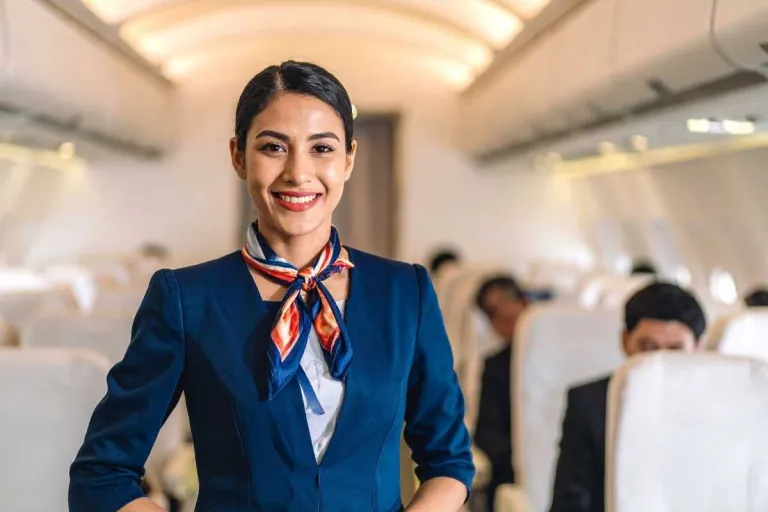
Image credit: Truecreatives via CanvaPro
Airlines deliberately sell more tickets than available seats because, statistically speaking, a certain percentage of passengers will miss their flights. In other words, they’re hedging their bets that not everyone will show up. Furthermore, this practice helps maximize revenue and keep ticket prices competitive.
Whilst this strategy usually works in the airline’s favour, there are occasions when everyone does turn up. Subsequently, some passengers must be denied boarding: a situation that’s particularly common during peak travel periods.
When is overbooking most likely to happen?

Image credit: Truecreatives via CanvaPro
You’ll face higher chances of being bumped during certain times of the year. Specifically, school holiday periods in June and December see elevated demand on routes popular with Singaporeans, whilst November represents a busy shoulder season. Additionally, long weekends surrounding public holidays such as Chinese New Year, Hari Raya, and Deepavali present higher bump risks.
Routes between Singapore and popular destinations like Bangkok, Bali, and regional Australian cities often operate close to full, which can increase the chance of overbooking. Similarly, flights to London, particularly during year-end holidays, face high passenger loads.
How do airlines decide who gets bumped?

Image credit: Magenta via CanvaPro
First and foremost, airlines will always ask for volunteers before involuntarily denying boarding to anyone. They’ll typically offer compensation, meal vouchers, and accommodation to entice passengers to take a later flight. Therefore, if your schedule is flexible, volunteering can actually work in your favour.
However, if insufficient volunteers come forward, airlines must make difficult decisions about who stays and who goes. Generally speaking, common practices include considering several factors. The exact priority varies by carrier and is set out in each airline’s conditions of carriage.
Check-in time. Late check-in can put you at a disadvantage when airlines are determining who to bump. Consequently, checking in as early as possible (ideally 24 hours before departure) provides some protection.
Ticket class and fare type. Passengers travelling in premium cabins or who paid full-fare economy prices typically receive priority over those with discounted tickets. In addition, frequent flyer status plays a significant role, with elite members being less likely to be involuntarily denied boarding.
Special circumstances. Unaccompanied minors, passengers with disabilities, and families travelling together often receive protection from bumping. Nevertheless, this isn’t guaranteed across all airlines.
Connecting flights. Some airlines consider whether you’re making a tight connection, though this varies considerably by carrier.
What compensation can you expect?
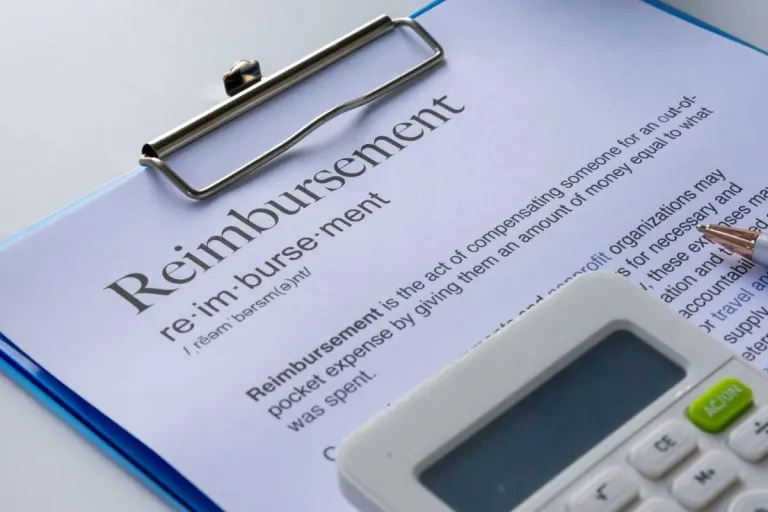
Image credit: Kamitana via CanvaPro
Compensation for involuntary denied boarding varies significantly depending on which airline you’re flying and where your journey originates.
Flights departing from the European Union
EU Regulation 261/2004 provides robust protection for passengers. Specifically, you’re entitled to minimum statutory cash compensation of:
– €250 for flights up to 1,500 kilometres
– €400 for intra-EU flights over 1,500 kilometres or other flights between 1,500 and 3,500 kilometres
– €600 for flights over 3,500 kilometres
Moreover, these amounts can be reduced by 50 per cent if the airline reroutes you to arrive within specified timeframes of your original arrival time, depending on the flight distance. Additionally, airlines must provide meals, refreshments, and hotel accommodation if necessary.
For flights departing from Singapore
Singapore has no statutory compensation scale for denied boarding situations. Consequently, the compensation and care you receive are mainly governed by each airline’s conditions of carriage and any foreign regimes that apply to your itinerary (such as EU or US rules). Therefore, it’s worth familiarising yourself with your specific carrier’s terms and conditions before you travel.
For flights departing from the United States
US Department of Transportation rules mandate specific compensation based on a percentage of your one-way fare. Airlines must pay 200 per cent if you arrive one to two hours late domestically (or one to four hours internationally), and 400 per cent for longer delays. Furthermore, these amounts are subject to caps that are periodically revised upwards. In addition, you keep your original ticket and can request a refund.
What should you do if you’re bumped?

If you find yourself involuntarily denied boarding, take these immediate steps to protect your rights:
Ask for written confirmation. Request documentation stating why you were denied boarding and what compensation you’re entitled to. Furthermore, ensure you understand the rebooking options available.
Know your rights. Different regulations apply depending on your departure point. Consequently, research the applicable rules before accepting the airline’s first offer.
Document everything. Keep all receipts for meals, accommodation, and transportation. Additionally, take photos of information boards and note the names of airline staff you speak with.
Consider your options. Airlines might offer flight vouchers instead of cash compensation. However, cash is usually the better option, as vouchers come with restrictions and expiry dates.
Escalate if necessary. If the airline doesn’t fulfil its obligations, file a complaint with the Civil Aviation Authority of Singapore (CAAS). Nevertheless, bear in mind that outcomes will depend on the laws applicable to your itinerary and the airline’s own policies.
Can you reduce your chances of being bumped?
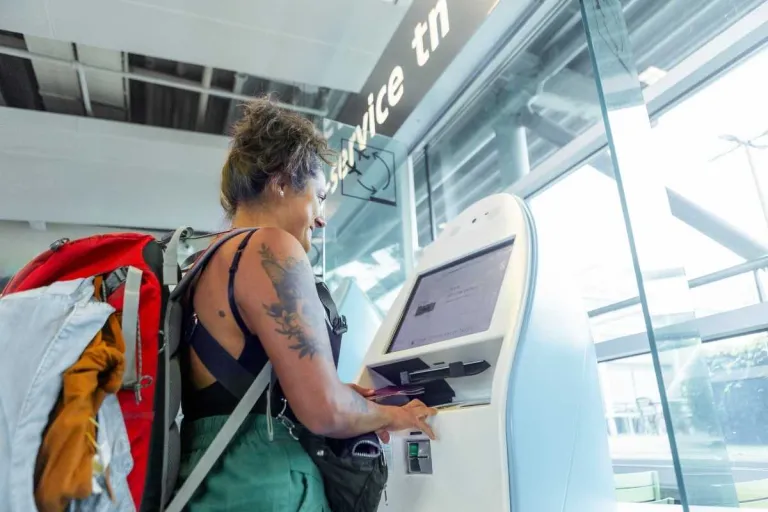
Image credit: pocstock via CanvaPro
Whilst there’s no foolproof method to avoid being denied boarding, several strategies can minimise your risk significantly.
Firstly, check in exactly 24 hours before departure when online check-in opens. Secondly, consider paying for seat selection, as this sometimes provides additional protection. Thirdly, join the airline’s frequent flyer programme, even if you don’t fly often. Finally, book directly with the airline rather than through third-party websites, as this can give you better standing if issues arise.
The bottom line
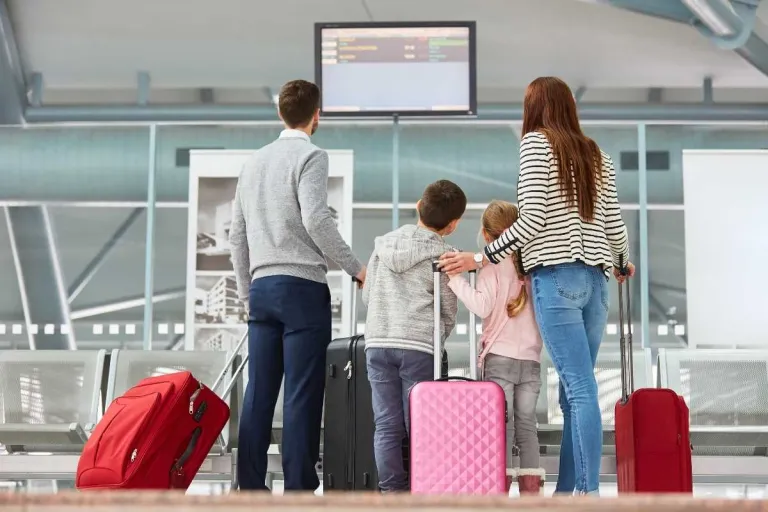
Image credit: Robert Kneschke via CanvaPro
Getting bumped from a flight is undoubtedly inconvenient and frustrating. However, understanding your rights and the compensation you’re entitled to can make the experience less stressful. Moreover, if you’re flexible with your travel plans, volunteering to be bumped can work in your favour. Here’s an insider tip: Airlines get more generous with compensation packages if no one else comes forward on their initial offer. So why not wait and see if you can spare the time?
Nevertheless, during peak travel seasons, take extra precautions to protect your booking. Check in early, understand the regulations that apply to your route, and always document any issues that arise. With proper preparation, you’ll be better equipped to handle flight overbooking, whether you encounter it or not.

About Author

Her motto is "experience everything at least once". An adrenaline junkie at heart, she is always down for spontaneous adventure, especially to exotic destinations. She finds the most meaningful aspect of travel is cultural immersion, and talking to locals is an underrated travel hack.
Recommended Reads
Important Things To Keep In Mind When Travelling to The Philippines
Sustainable Travel