
7 Ways to Save Money On Transport Fares in London
Wai Kwan shares some strategies to shave some pennies off the exorbitant transport fare.

London remains one of the world’s most exciting cities, but exploring it can quickly become expensive. Even routine journeys on the Tube, buses and trains add up when you are moving between attractions throughout the day.
Fortunately, Transport for London’s fare caps, contactless payments and extensive bus network make it possible to keep those costs under control. From choosing the right payment method to travelling outside peak hours, here are seven ways to save money on transport in London.
1. Get an Oyster Card
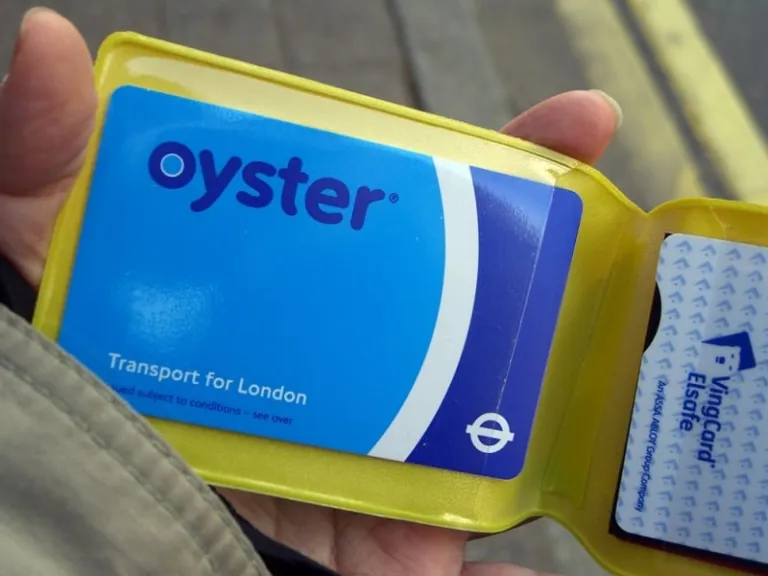
Image credit: Rachel Lovinger
For most adult visitors, the easiest way to pay is with a contactless debit or credit card, smartphone or smartwatch. Simply touch the same card or device on the yellow reader at the beginning and end of every rail journey. On buses and trams, you only need to touch in.
Contactless payments and Oyster cards generally charge the same adult pay-as-you-go fares and apply daily capping automatically. Once your journeys reach the relevant daily cap, additional eligible journeys within the same zones will not increase your charge.
Contactless is particularly convenient because you do not need to purchase or top up a separate card. However, overseas travellers should check whether their bank charges foreign transaction or currency-conversion fees. Each passenger must also use a separate card or device.
An Oyster card may still be useful if your bank card is not accepted, you want to add an eligible Railcard discount, or you are travelling with a child who qualifies for a Young Visitor discount.
A standard Oyster card and Visitor Oyster card now carry a non-refundable £10.50 card fee. Visitor Oyster cards include selected attraction and dining offers, but the fee means they are not automatically the cheapest choice for every traveller.
2. Travel during off-peak hours
Fares on the Tube and rail network can be cheaper outside peak periods. Peak fares generally apply from Monday to Friday, excluding public holidays, between 6.30am and 9.30am and between 4pm and 7pm.
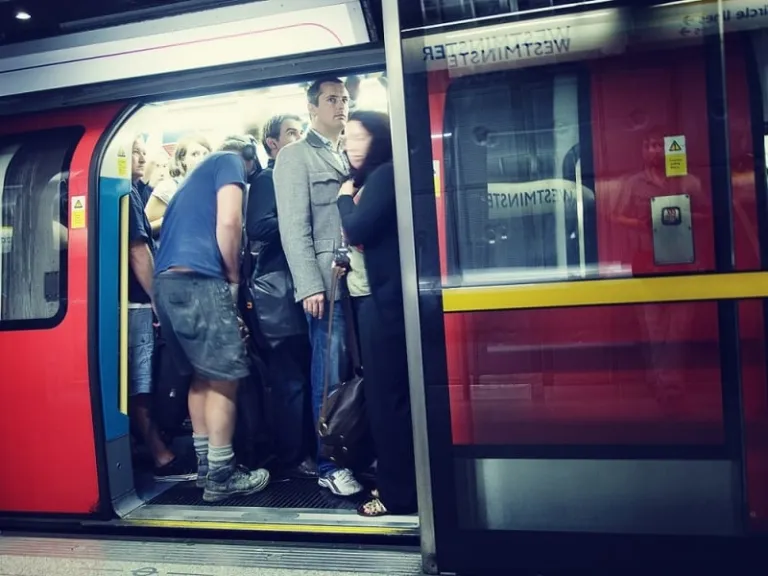
Image credit: chuddlesworth
All other times are usually considered off-peak, including weekends and public holidays. There is also an important exception during the evening peak: journeys from outside Zone 1 into Zone 1 are normally charged at the off-peak rate.
Apart from reducing your fare, travelling outside rush hour can mean quieter platforms and less crowded trains. When your schedule is flexible, consider visiting popular central attractions during the day before heading farther afield after the evening peak.
3. Familiarise yourself with the zone-based fare system
London’s Tube, DLR, London Overground, Elizabeth line and many National Rail fares are based partly on the zones through which you travel. Zone 1 covers much of central London, while the outer zones extend progressively farther from the city centre.
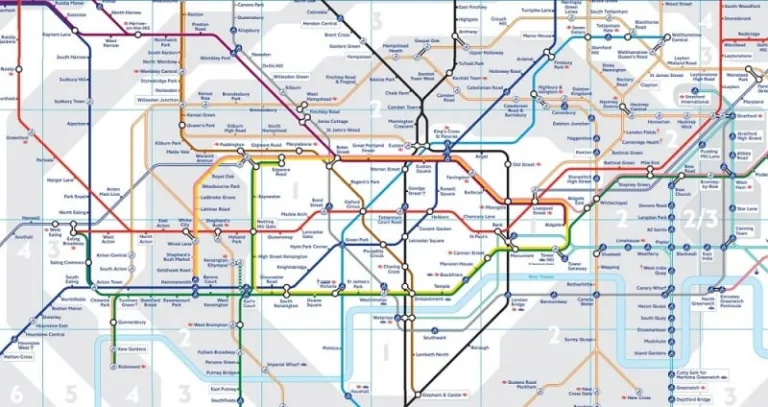
Image credit: Transport for London
As a general rule:
Journeys passing through more zones tend to cost more.
Travelling through Zone 1 can result in a higher fare.
Your daily cap rises according to the zones covered during your journeys.
Most major tourist attractions are located within Zones 1 and 2. In 2026, the adult pay-as-you-go daily cap for these zones is £8.90. This means that even if you make several eligible journeys, you should not pay more than £8.90 for that day when using the same contactless card or Oyster card correctly.
Avoid Zone 1 when it makes sense
Some journeys between outer parts of London can be completed without passing through Zone 1. These routes may be cheaper than travelling through central London, even when the latter initially appears more direct.
When changing trains along a route that avoids Zone 1, look for a pink card reader at the interchange station. Touching the reader tells the system which route you took. Otherwise, it may assume that you travelled through Zone 1 and charge a higher fare.
Do not touch out through the exit barriers before using the pink reader. It should be touched only while changing trains within the station.
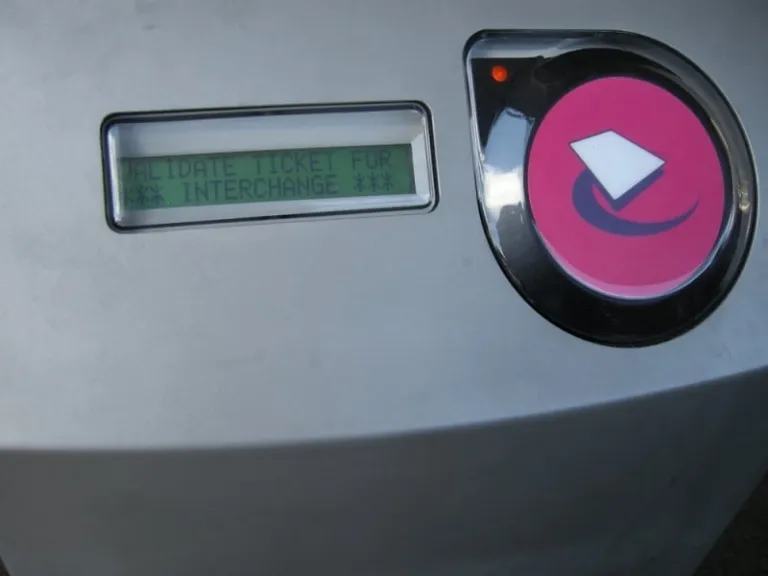
Image credit: Martin Deutsch
Make the most of daily and weekly caps
Daily fare caps apply to journeys made between 4.30am and 4.29am the following day. Continue touching in and out as usual, and the system calculates the appropriate cap automatically.
Contactless payments can also benefit from Monday-to-Sunday weekly capping. In 2026, the adult weekly cap for Zones 1 and 2 is £44.70. To receive it, you must use the same card or mobile device for every journey.
A physical bank card and the digital version stored in your phone may be treated as different payment methods, even when linked to the same account. Switching between them could therefore prevent your journeys from being combined under one cap.
4. Consider getting a Travelcard
Travelcards still provide unlimited travel within selected zones and are available for periods such as seven days, one month or one year. A Travelcard covering any London fare zone also includes travel on buses across the entire London bus network.
However, a seven-day Travelcard is not automatically cheaper than using contactless. The 2026 price of a seven-day Zones 1 and 2 Travelcard is £44.70, the same as the corresponding Monday-to-Sunday contactless weekly cap.
Contactless is often more flexible for visitors because it calculates fares according to the journeys actually taken. The main limitation is that weekly capping always runs from Monday to Sunday. A traveller arriving on a Thursday, for example, will not receive a single seven-day cap covering Thursday through Wednesday.
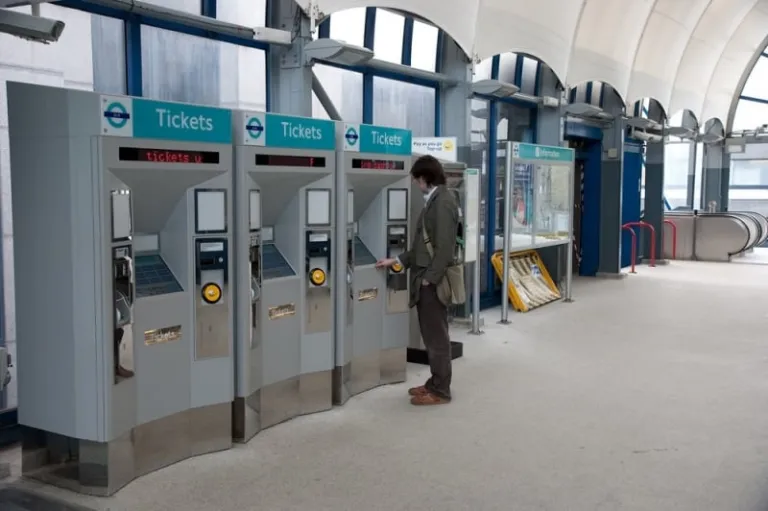
Image credit: Tom Page
A seven-day Travelcard may therefore remain useful when:
Your visit crosses two contactless capping weeks
You expect to travel frequently every day
You prefer to know your maximum transport cost in advance
Your payment card charges fees for every overseas transaction
You need a season ticket for a period longer than one week
Before purchasing one, compare its price with the daily caps for the zones in your itinerary.
5. Take the buses
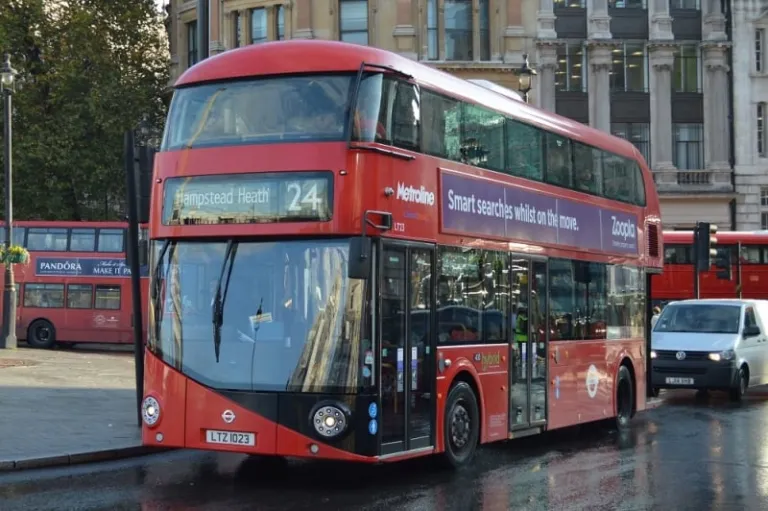
Image credit: Martin49
London’s red double-decker buses are not only an attraction in themselves but also one of the most affordable ways to explore the city. Unlike rail fares, bus fares are not calculated according to distance or zones.
In 2026, a standard adult bus or tram journey costs £1.75. The Hopper fare allows unlimited bus and tram journeys within one hour of your first touch-in for the same £1.75 fare, provided you continue using the same card or device.
You still need to touch in each time you board. The system will recognise eligible transfers and apply the Hopper fare automatically.
The adult daily cap for bus and tram travel is £5.25, while the weekly cap is £24.70. This makes a bus-only itinerary substantially cheaper than relying entirely on the Tube, although journeys may take longer because of traffic.
For a budget-friendly sightseeing experience, head to the upper deck and watch London’s streets, neighbourhoods and landmarks pass by.
6. Cycle
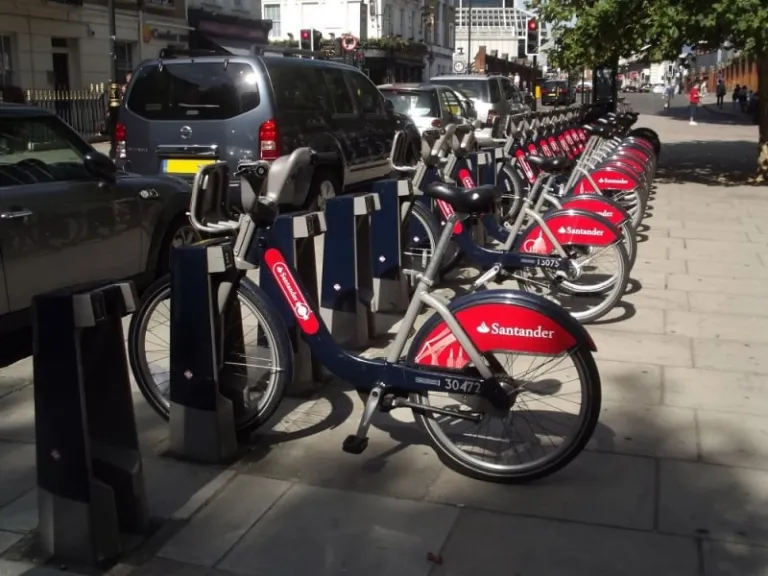
Image credit: Elliott Brown
Santander Cycles offers bicycles from docking stations across central London, making it useful for shorter journeys through parks, along quieter roads or beside the Thames.
A single pedal-bike ride costs £1.65 for up to 30 minutes. Each additional 30-minute period costs another £1.65. Alternatively, a £3.50 Day Pass includes unlimited pedal-bike rides of up to 60 minutes each throughout the day.
To avoid extra charges when using the Day Pass, return the bicycle to a docking station before the 60-minute allowance ends. You can then hire another bicycle for your next journey.
Electric bicycles carry additional charges. Cycling may save both time and money for certain routes, but use designated cycle lanes where possible and familiarise yourself with local road rules before setting off.
7. Walk
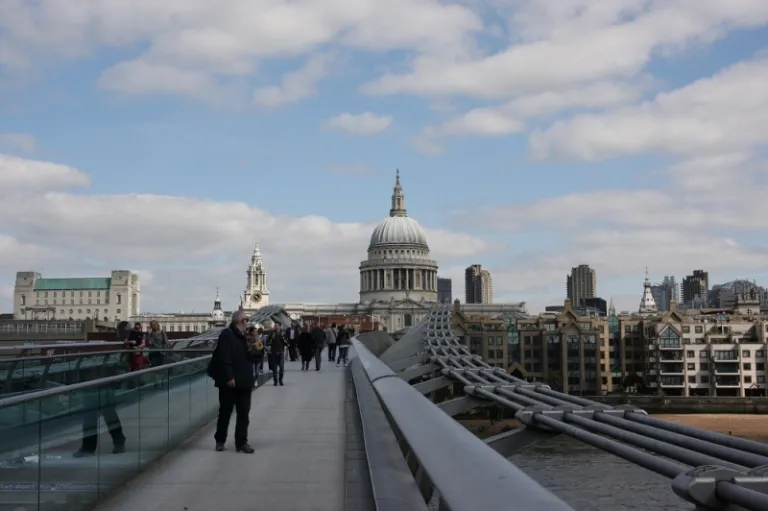
Walking remains the simplest way to avoid transport fares entirely. Many of central London’s attractions are closer together than they may appear on the Tube map.
For example, you can walk between Westminster Abbey, the Houses of Parliament, Trafalgar Square, Covent Garden and the South Bank while seeing plenty of landmarks along the way. A journey involving several Tube changes may sometimes take almost as long once walking through stations and waiting for trains are included.
London is also particularly rewarding on foot along the Thames, across its bridges and through green spaces such as Hyde Park, Regent’s Park and St James’s Park.
Plan each day around one or two neighbouring areas rather than repeatedly crossing the city. Besides saving money, this gives you more time to notice markets, architecture, independent shops and smaller attractions that are easy to miss underground.
Make every journey count
London’s transport fares are manageable when you use the same payment method, understand the caps and avoid unnecessary journeys through expensive zones. Contactless payment will be the most convenient option for many adults, while buses, cycling and walking can reduce costs even further.
Check TfL’s latest fares before travelling, particularly if your itinerary includes airports or destinations beyond the main London fare zones. Every pound saved on transport is another pound available for the experiences that brought you to London in the first place.

About Author

Tang finds joy through immersing himself in a local environment, savouring street food and meeting new people. He finds transit maps fascinating and loves navigating through different modes of transportation. While on the streets, he's easily distracted by cats, and he often wonders if cats in different countries "meow" in different languages. When he's not travelling, he's often seen consulting maps and exploring creative ways of getting between places for his next adventure.