
Top 12 Tips to Save Money in Tokyo
Want to experience Tokyo without breaking the bank? Explore the Japanese capital for less with these top money-saving tips.

Tokyo is known for being a pretty pricey place to visit. Japan is more expensive to visit overall than many other countries in Asia, and its capital city has higher price tags than many other parts of the country. Many people put off visiting Tokyo because of the costs, but there are ways that you can save money and still enjoy the cool city.
Make your stay more pocket-friendly with these 12 tips:
1. Be savvy with your accommodation picks
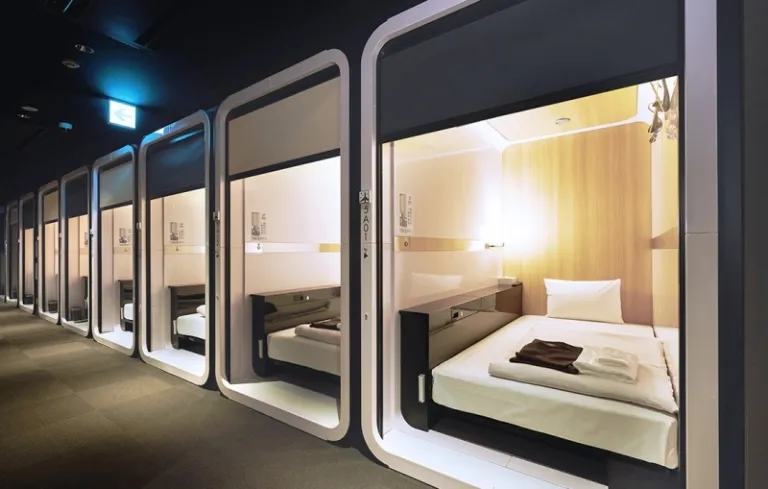
Image credit: First Cabin Haneda
Many travellers know that pre-booking your accommodation in big cities can often yield the best deals. Tokyo isn’t a place to arrive without a booking and expect to find an inexpensive room at the last minute. All the best deals may have already been snapped up!
Plan ahead, compare deals and pre-book your room for the best prices. Capsule hotels can sometimes offer affordable accommodation, although they are not always cheaper than conventional business hotels. Compare capsule hotels, hostels, guesthouses and budget hotels before booking, rather than assuming one accommodation type will automatically cost less.
2. Opt for budget eats
Of course, you’ll likely want to splurge at least a few times while in Tokyo — you don’t want to ruin your trip by constantly scrimping and trying to cut costs. But food can be quite pricey, so mix up mealtimes and enjoy budget eats from time to time. You’ll still get authentic local dishes without the higher costs of a swanky restaurant.
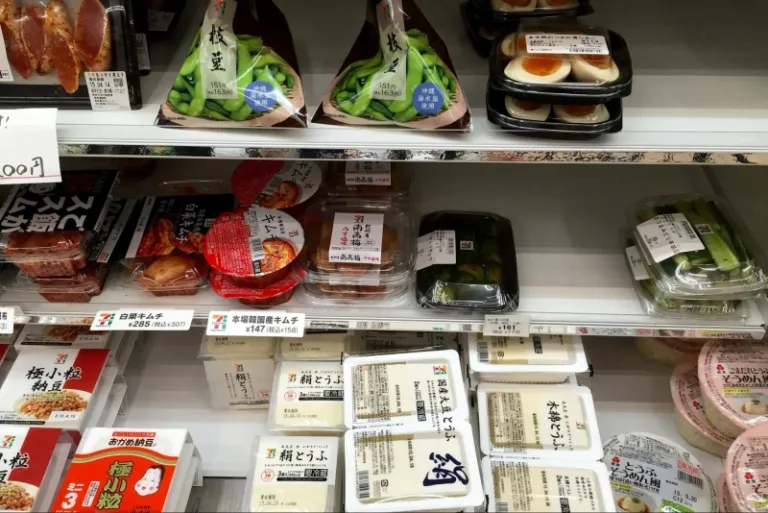
Image credit: Amy Jane Gustafson
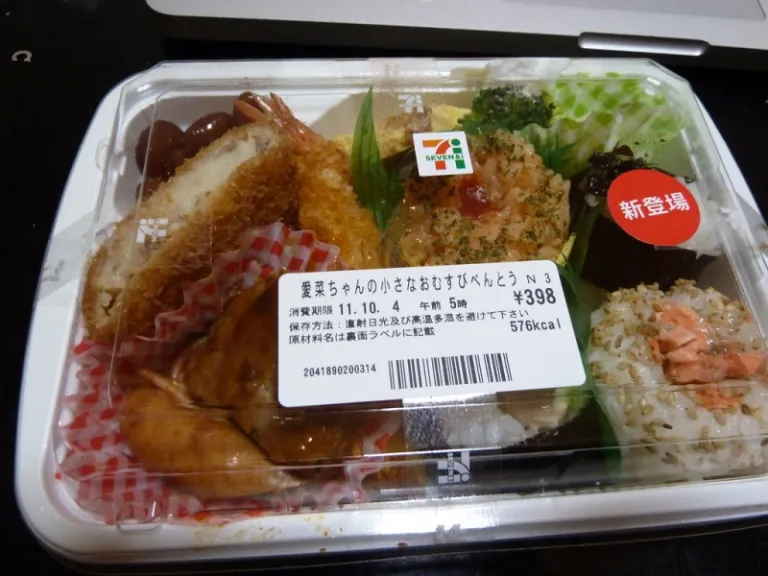
Image credit: Karl Baron
Some larger convenience stores have seating areas, much like a basic café, where you can sit in for a quick bite. Pre-packaged meals, like bento boxes, sandwiches and cups of instant noodles, can usually be heated or prepared in the store.
Many restaurants offer lunch specials too, especially chain restaurants which often have great deals. For reliably inexpensive meals, look for gyudon, soba, curry, ramen and set-meal chains rather than assuming street food will always be the cheapest option.
3. Skip the bottled water
The tap water in Tokyo is safe and clean to drink. Fill up a bottle before heading out for the day and keep an eye open for water fountains to refill throughout the day. You may also be able to refill your bottle at your accommodation or selected public facilities.
Not only will this save money, but it’s also kinder for the environment as it cuts down on the amount of plastic waste.
4. Shop for souvenirs and everyday items at 100-Yen stores
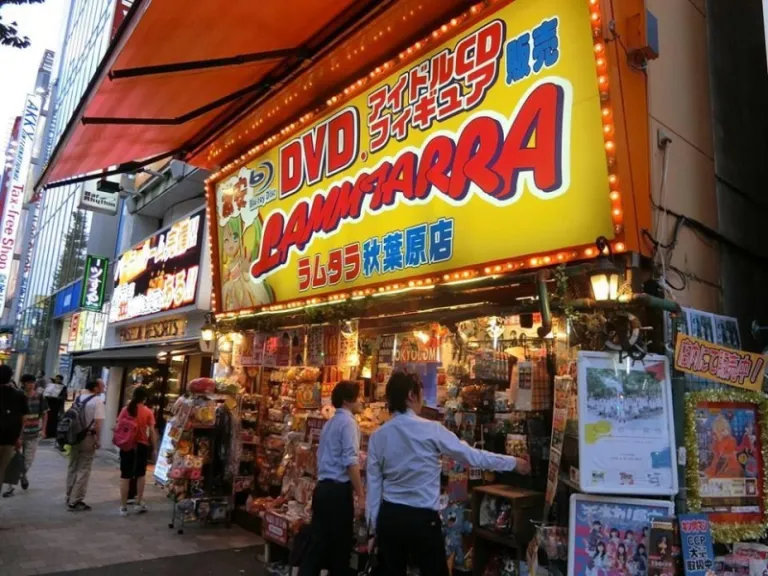
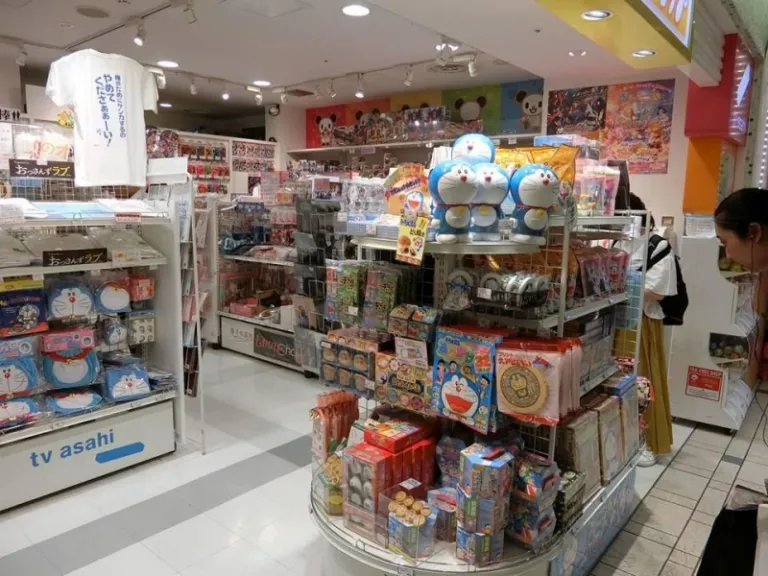
Swerve pricier souvenir stores aimed at tourists and check out the 100-yen stores instead. You’ll find a wide assortment of goods, some of which could make terrific gifts for family and friends back home. These can also be useful places to search for practical items that you need during your trip.
Despite the name, most standard items now cost ¥110 after consumption tax, while selected products may be priced higher. Check the label rather than assuming everything in the shop has the same price.
If you’re looking to splash the cash a bit more but still want to keep costs down, compare prices between several retailers before buying. Tax-free shopping can reduce the final cost for eligible visitors, but a tax-free shop does not necessarily offer the lowest base price.
Japan is scheduled to introduce a refund-based tax-free shopping system from 1 Nov 2026, so check the latest procedure before making a major purchase.
Second-hand stores and flea markets are also fun to browse and can offer good bargains.
Also Read: 10 Budget Shopping Places in Tokyo For Bargain Hunters
5. Use public transport
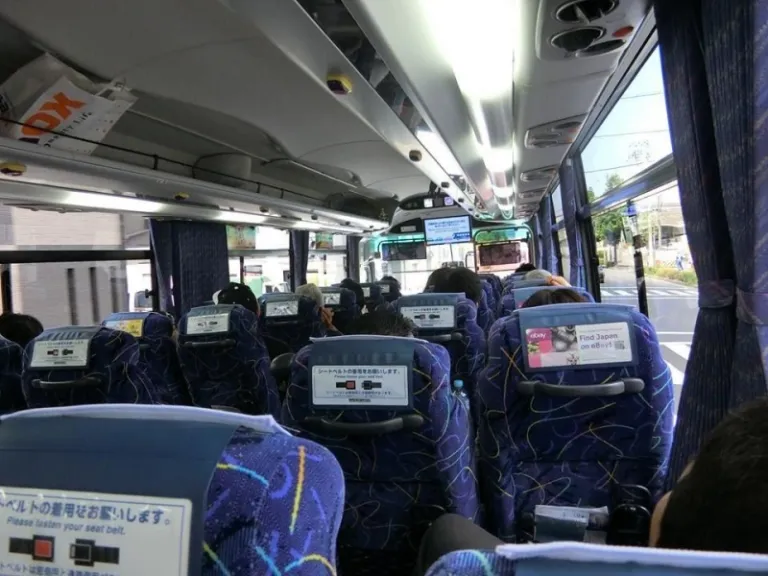
As with most places in the world, using public transport is a lot more cost-effective than travelling in taxis. Tokyo has an extensive and reliable public transit network.
Most train and subway services begin at around 5am and stop close to midnight, although the exact schedule depends on the line and station. Check the final train before staying out late.
Taxis are especially expensive in Tokyo. They can still be useful when travelling with heavy luggage or after the last train, but relying on them regularly can quickly increase your costs.
6. Buy a subway ticket
If you’re planning to use the subway a lot, compare the cost of individual journeys with an unlimited-use Tokyo Subway Ticket before buying one.
The current adult prices are ¥1,000 for 24 hours, ¥1,500 for 48 hours and ¥2,000 for 72 hours. The passes are valid on all Tokyo Metro and Toei Subway lines from the time of first use.
They are not valid on JR services, including the Yamanote Line, or on most private railway lines. Make sure your planned journeys are mainly covered by the subway before purchasing a pass.
7. Do a DIY tea ceremony
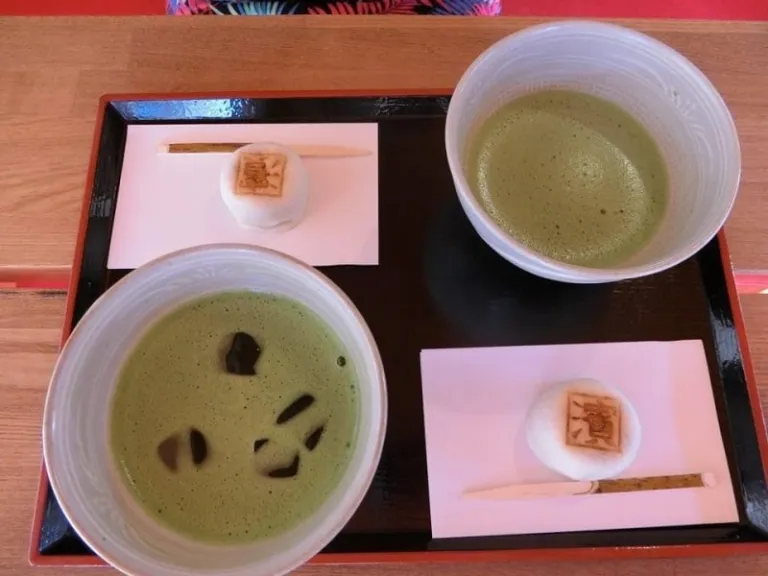
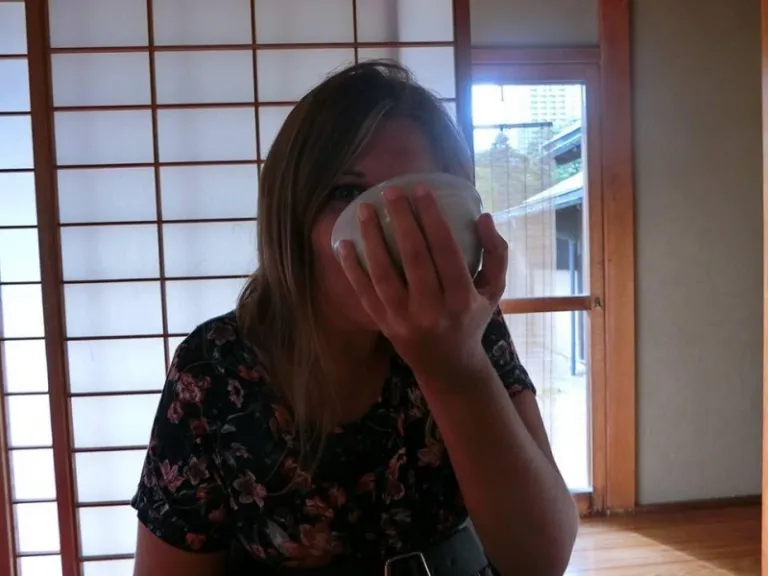
If experiencing a tea ceremony is high on your list of things to do in Tokyo, but a formal session is beyond your budget, enjoy matcha and a Japanese sweet at Nakajima-no-Ochaya in Hamarikyu Gardens instead.
The charming tea house sits next to the water and has a great atmosphere. While this is not a complete guided tea ceremony, it offers a more accessible introduction to Japanese tea culture in a traditional setting.
Admission to Hamarikyu Gardens is charged separately, and the tea house may close temporarily or alter its hours, so check before visiting.
8. Make the most of free attractions
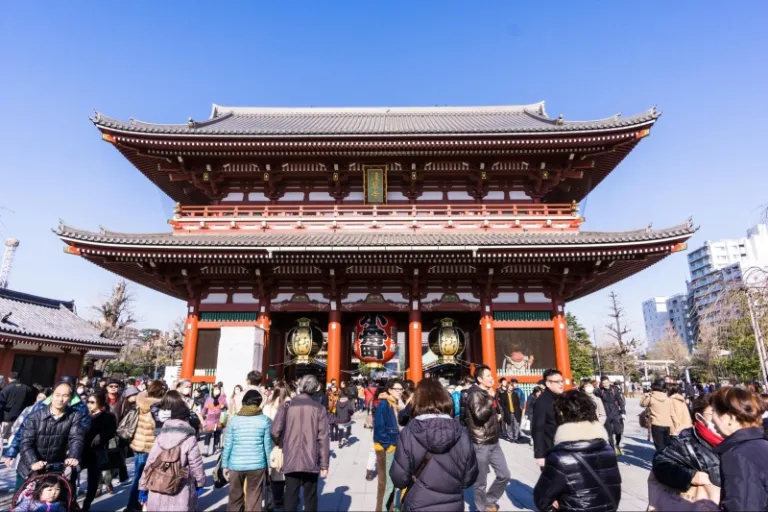
Image credit: Wei-Te Wong
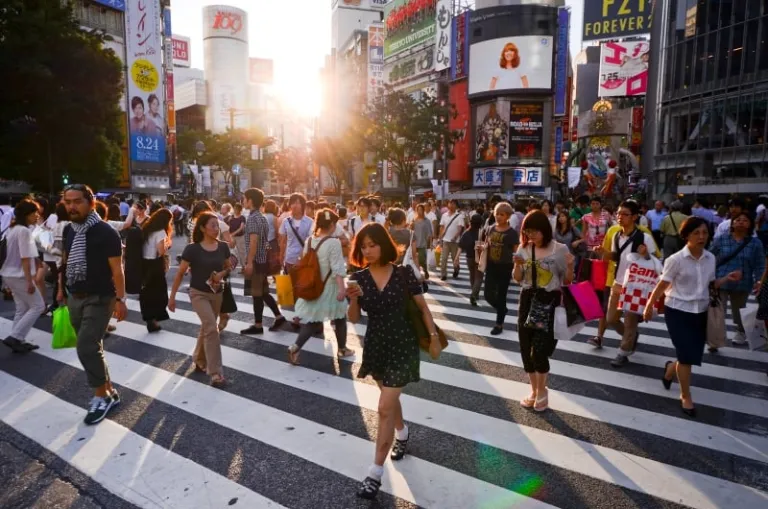
Image credit: Candida.Performa
Tokyo has a wealth of free and low-cost attractions. Fill your time for less and experience local life, culture and fun at public parks, the grounds of Sensō-ji Temple and Meiji Shrine, and the pedestrian walkway across Rainbow Bridge.
Some of these are city highlights too! The Shibuya Crossing, also known as the Scramble Crossing, is a must-do, and wandering through the city’s diverse neighbourhoods and absorbing the energy costs nothing.
Be aware that some gardens, museum buildings and special sections within otherwise free religious sites may charge admission.
9. Pre-book admission tickets
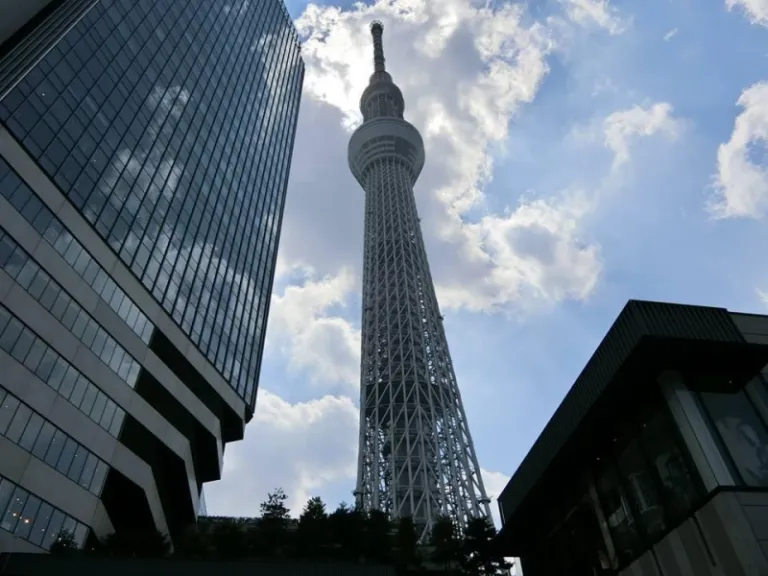
Buying tickets online for many popular paid attractions in advance may offer a lower price, include a package deal or help secure entry for a particular time.
Tokyo Skytree, for example, sells dated advance tickets as well as same-day admission. Prices and booking conditions can vary depending on the date and ticket type.
Make a list of the attractions you’d like to visit and check the prices online and on-site before you go. Do not assume that every third-party platform is cheaper than the attraction’s official website.
10. Enjoy free views
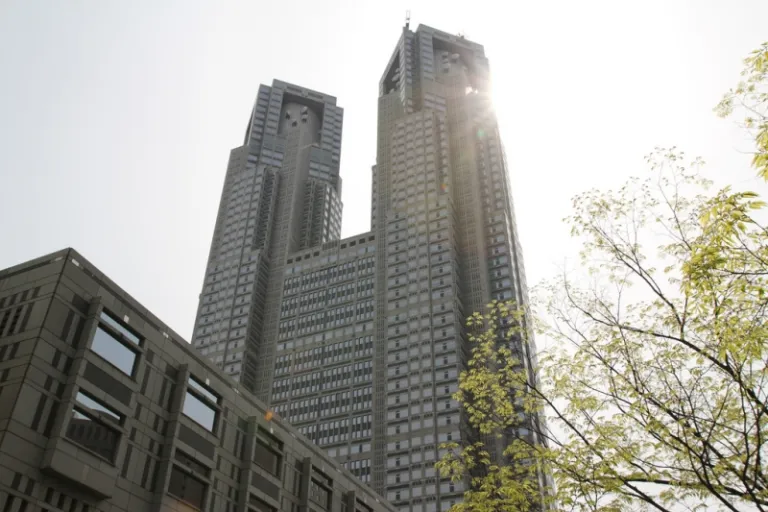
Image credit: ivva イワヲ
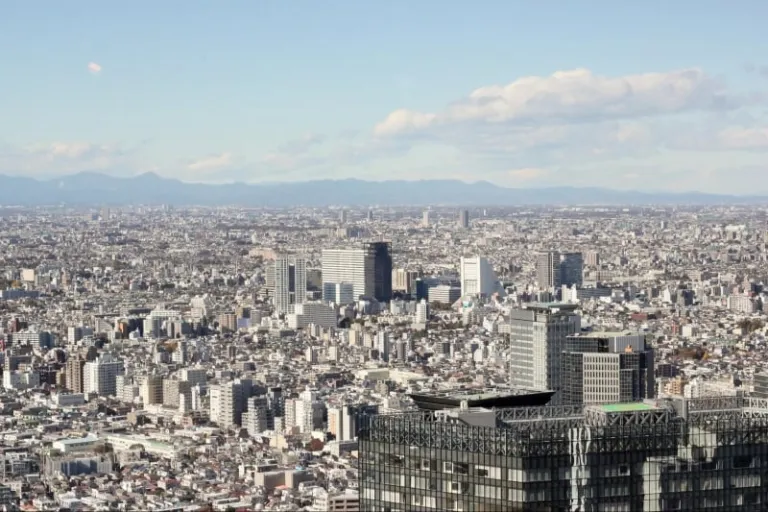
Image credit: Kim Laurenson
You don’t need to pay for an expensive observation deck to admire Tokyo’s iconic skyline. The observation decks at the Tokyo Metropolitan Government Building in Shinjuku offer views from a height of 202 metres without an admission fee.
Another added bonus is that you can often get great photographs of the city’s iconic towers too!
The building has north and south observatories, although their opening days and hours may differ. Check the official operating calendar before visiting, as either deck may close temporarily.
11. Skip the fancy bars
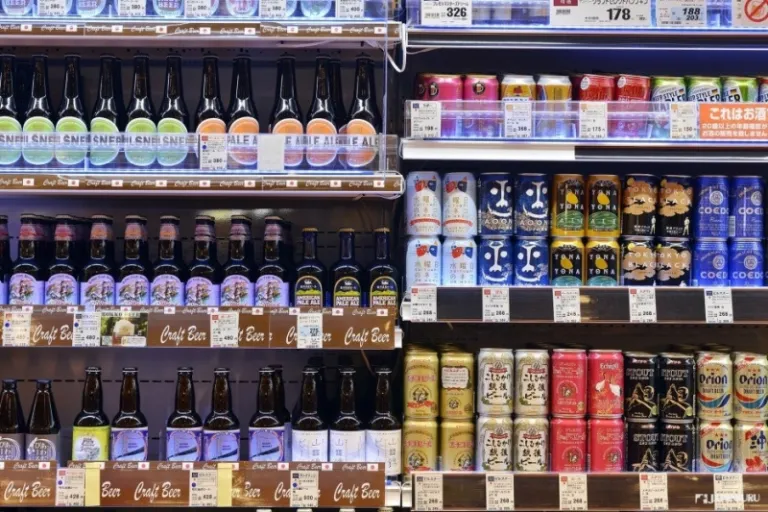
Image credit: JAPANKURU
If you want to experience Tokyo’s night scene without blowing your budget, avoid expensive nightclubs with admission fees and bars that do not clearly display their charges.
Look instead for tachinomi, or standing bars, affordable izakaya and venues offering happy-hour promotions. Before ordering, check whether the establishment charges an otoshi, table fee or service charge, as these costs may be added automatically.
Buying drinks from a convenience store or supermarket is cheaper, but consume them responsibly and avoid causing noise or leaving rubbish in public spaces.
12. Visit during the off-peak seasons
The time of year that you visit Tokyo can have an impact on how much you save or spend.
Periods outside the cherry blossom season, Golden Week, major public holidays and the autumn foliage peak may offer better accommodation rates. Parts of late January, February and the rainy season can sometimes be less expensive, although prices vary considerably between dates.
Compare flights and hotels using your exact travel dates rather than assuming the whole of winter is automatically cheap. New Year is a major domestic holiday and can affect both prices and operating hours.
With these 12 tips, you’ll be off to a good budget-friendly start to your Japan trip. Tokyo may not always be inexpensive, but careful planning can help you spend less without missing the experiences that make the city worth visiting.
