Sudhiksha
Travel has long been shaped by visuals. Iconic viewpoints. Perfect plates. Shareable moments. But a growing number of travellers are stepping away from the lens. They are seeking experiences that prioritise sound, touch, heat, breath, and stillness.

These are moments that do not translate neatly into photos. Across Asia, sensory travel is gaining ground. These journeys slow you down, sharpen awareness, and reward presence over performance.
Also read: Everything We Know About PokéPark Kanto, Tokyo Opening in 2026
Sensory travel experiences to add to your bucket list
Listening inward at a sound bath in Ubud, Bali
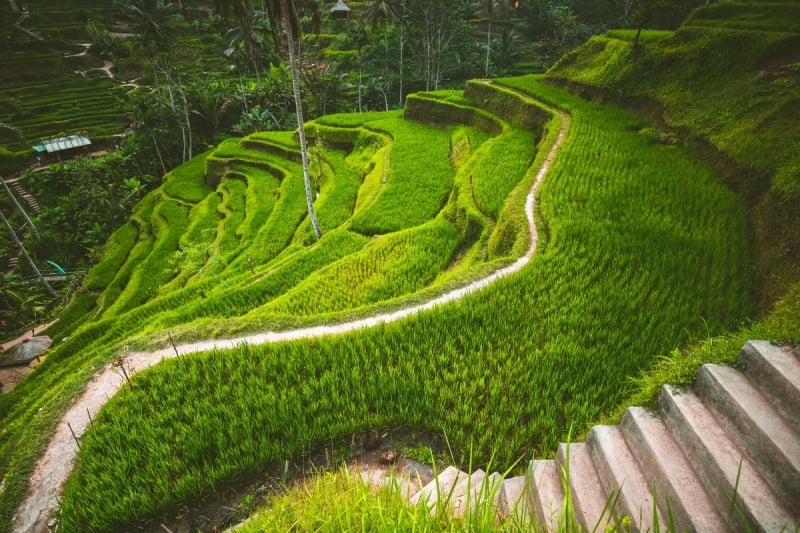
Ubud sits at the heart of Bali’s wellness scene, and sound healing plays a central role. Sessions take place in open-air pavilions, surrounded by jungle or rice fields. Practitioners use crystal singing bowls, gongs, and chimes.
Vibrations travel through the body. Birds and insects join the soundscape naturally. Guests lie still, eyes are closed and phones stay away. As sound rises and falls, attention turns inward. Thoughts soften. Silence feels fuller when the session ends.
Watching the night unfold in Achi Village, Japan
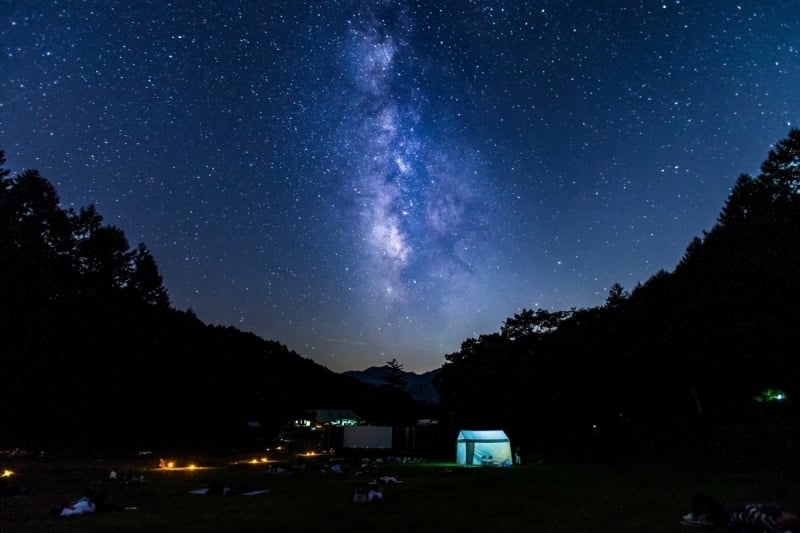
In Nagano Prefecture, Achi Village is known for having some of Japan’s clearest night skies. Stargazing programmes take visitors into the mountains after dark, far from city lights.
Guides ask for patience as eyes adjust. Then stars appear, layer by layer. On clear nights, the Milky Way stretches overhead. There is little to do but look up and listen. The experience rewards stillness, instead of speed.
Learning through touch at a block-printing workshop in Jaipur, India
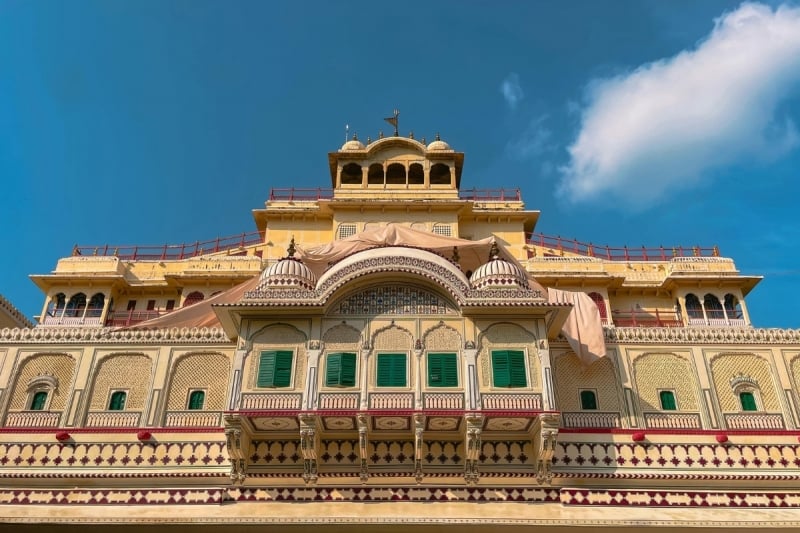
In Jaipur, block printing remains a living craft. Workshops introduce visitors to the process step by step, guided by skilled artisans. Wooden blocks are hand-carved. Dyes are mixed carefully. You press the block against the fabric, again and again.
Pressure and alignment are imperative to the activity. Your hands learn before your eyes do. By the end, the finished cloth matters less than the process. The memory stays in the muscle and movement.
Floating through sound at Devasom Khao Lak, Thailand
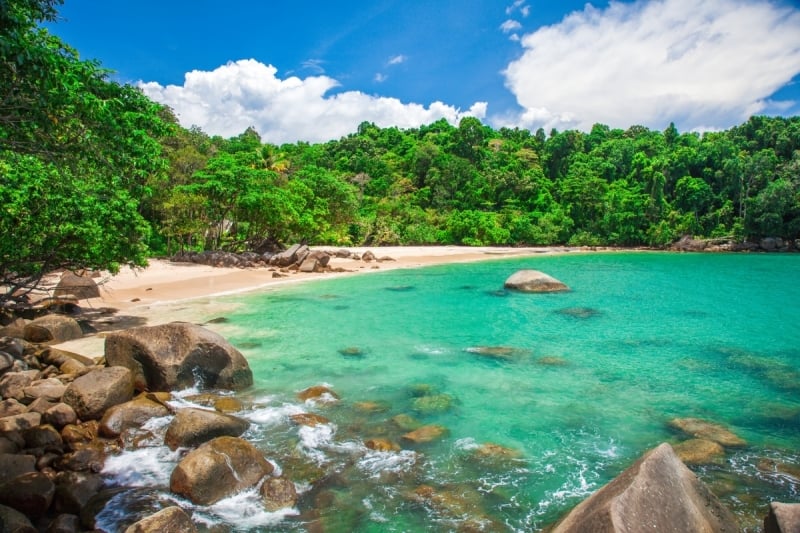
On Thailand’s Andaman coast, Devasom Khao Lak offers an aqua sound bath that shifts how sound is experienced. Guests float in warm water while gongs and singing bowls play nearby.
In addition, sound moves differently through water, and the vibrations feel enveloping rather than directional. The body responds instinctively. Waves from the sea add a natural rhythm. As sight fades, sensation takes over. It is sound you feel, not hear.
Breathing with the forest at HOSHINOYA Guguan, Taiwan
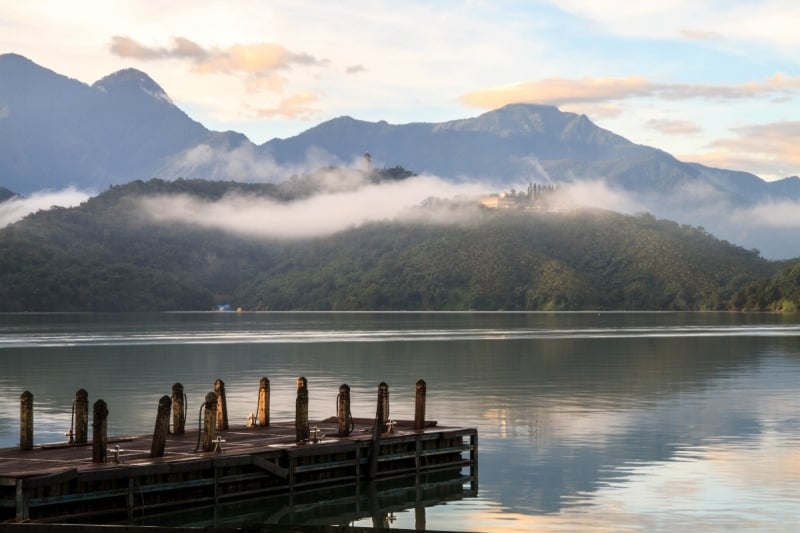
Set within a mountain hot spring area, HOSHINOYA Guguan in Taiwan focuses on nature-led wellness. Guided breathing and movement sessions take place among trees, away from distractions.
Practices draw on qigong and gentle stretching. Breath sets the pace, and the forest becomes part of the experience. Cool air, shifting light, earthy scents. As your awareness sharpens with slowed movement, the body goes into reset mode quietly.
Sitting in silence at Musangsa, South Korea
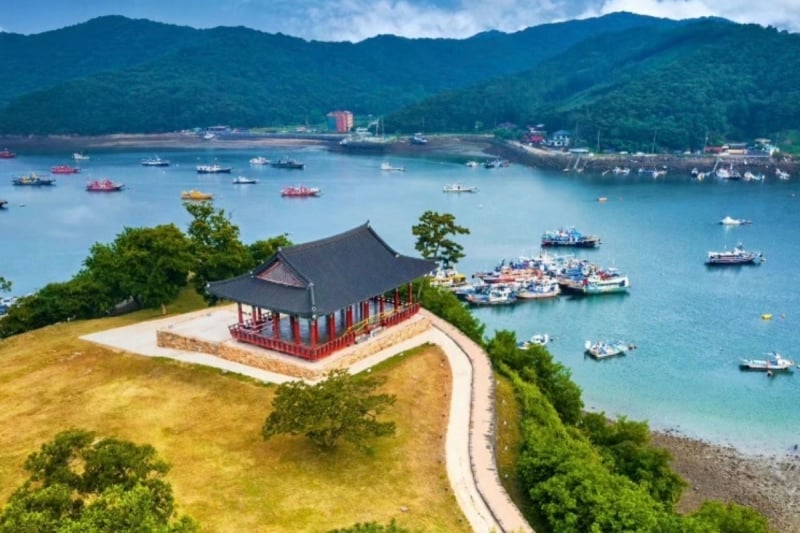
Musangsa, a Zen meditation centre in Chungnam Province, offers silent retreats that strip travel back to its essentials. Speech pauses. Structure takes over. Days revolve around seated meditation, walking meditation, and mindful work.
Attention returns repeatedly to breath and bodily sensation. Silence becomes the dominant sensory experience. For many visitors, this is the most demanding and rewarding journey of all.
Slowing down with tea at Boh Sungai Palas in the Cameron Highlands, Malaysia
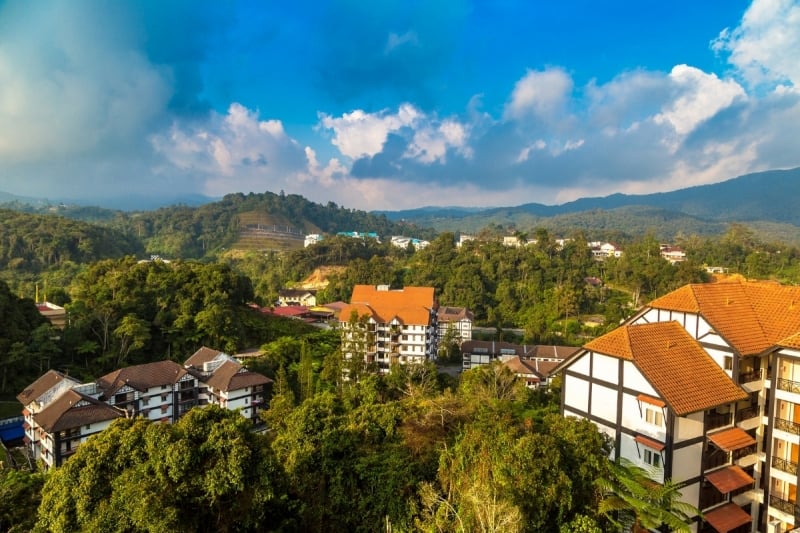
High in Malaysia’s Cameron Highlands, Boh Sungai Palas Tea Plantation offers a sensory shift almost immediately. The air turns cooler. The scent of tea leaves lingers. Rows of emerald bushes roll across the hills. Visitors walk the paths slowly, learning how altitude, climate, and handling shape flavour.
Inside the tea house, tasting becomes the focus. You notice warmth first, then aroma. Then, subtle bitterness and sweetness unfold on the tongue. Time stretches between sips. This is not about the view alone. It is about process and patience. Leaf to cup. Breathe to pause.
Experiencing Sentosa Sensoryscape in Singapore
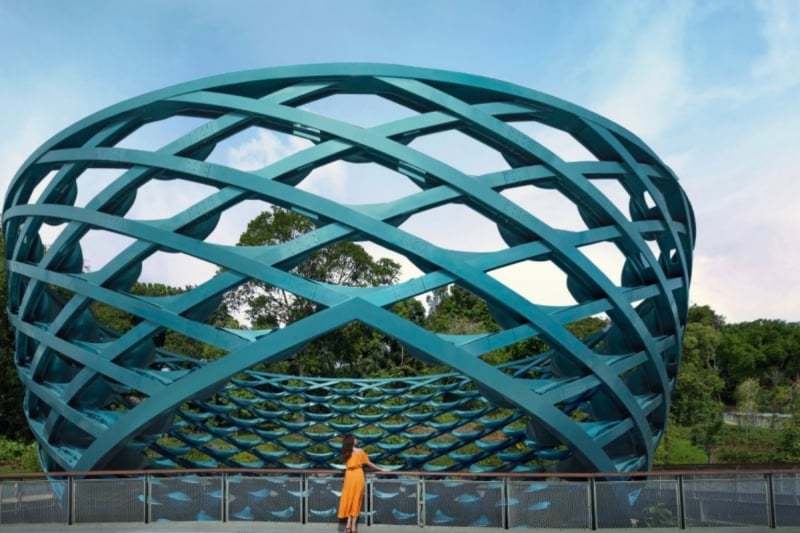
Singapore’s Sentosa has transformed a simple stroll into a sensory adventure. Sentosa Sensoryscape stretches about 350 metres, linking Resorts World Sentosa to the island’s sandy beaches.
The path is divided into six distinct gardens: Lookout Loop, Tactile Trellis, Scented Sphere, Symphony Streams, Palate Playground, and Glow Garden. Each engages a different sense. You feel textures, inhale fragrances, listen to water, and even explore edible plants along the way.
As daylight fades, nature-inspired soundscapes and interactive light displays transform the space into a nighttime immersive experience. This is a place to sense Singapore differently through touch, sound, scent, and movement rather than just capture it.
Also read: 20 Fun Things to Do in the Cameron Highlands on Your First Trip
Why sensory travel resonates now more than ever
Screen fatigue is real, and constant documentation can flatten experience. Sensory travel offers an alternative. These journeys prioritise presence over proof. They draw on long-standing traditions rather than trends. Asia, with its deep roots in ritual, craft, and mindfulness, leads this shift naturally.
The memories that linger are not visual. They are physical. Emotional. Quietly transformative. This is travel you cannot screenshot, and that is exactly why it lasts.