
12 Places to Get off the Tourist Trail in Morocco
Thinking of going beyond Marrakech, Tangier, and Chefchaouen? Here are some of the less-visited places in Morocco to consider.

Morocco’s imperial cities, mountain towns and coastal resorts attract travellers from around the world, but the country still holds plenty of places that feel removed from the usual circuit.
Beyond Marrakech, Tangier and Chefchaouen are peaceful medinas, Atlantic fishing towns, Middle Atlas landscapes and small communities where visitors can experience a quieter side of Morocco.
Some become busy during domestic holiday periods, while others require additional planning or private transport. If you are ready to venture beyond the country’s headline destinations, these places are worth considering.
1. Asilah
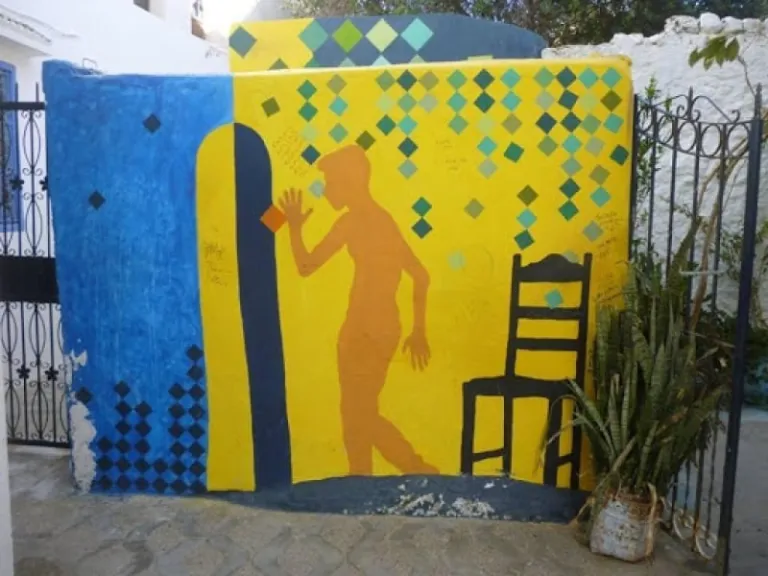
Asilah’s whitewashed medina, blue-painted details and colourful murals make it one of northern Morocco’s most photogenic coastal towns. Its compact old town is generally calmer than the medinas of Tangier and Chefchaouen, although it can become lively during summer and cultural events.
Walk along the ramparts, browse small galleries and shops, or dine on seafood near the waterfront. Beaches can also be found around the town, but conditions and facilities vary by location.
The historic Jewish cemetery is another part of Asilah’s multicultural heritage. Treat the site respectfully and check whether access is permitted before entering.
2. Oujda
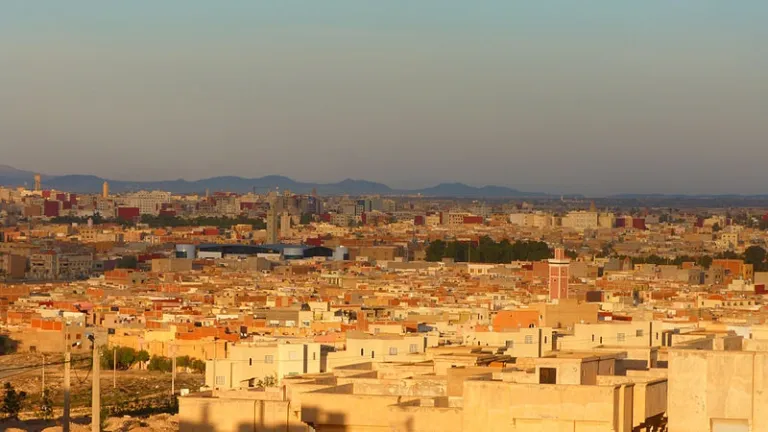
Image credit: Moonik
Located in northeastern Morocco, Oujda combines broad modern streets with an older medina, traditional markets and a strong musical identity. The city is particularly associated with raï, a genre with deep roots across the Moroccan-Algerian border region.
Visit the medina, explore Bab Sidi Abdelwahab and look for the city’s historic mosques and hammams.
Although Oujda lies close to Algeria, the land and sea borders between Morocco and Algeria remain closed. Travellers must not attempt to cross the border without authorisation.
3. Azemmour
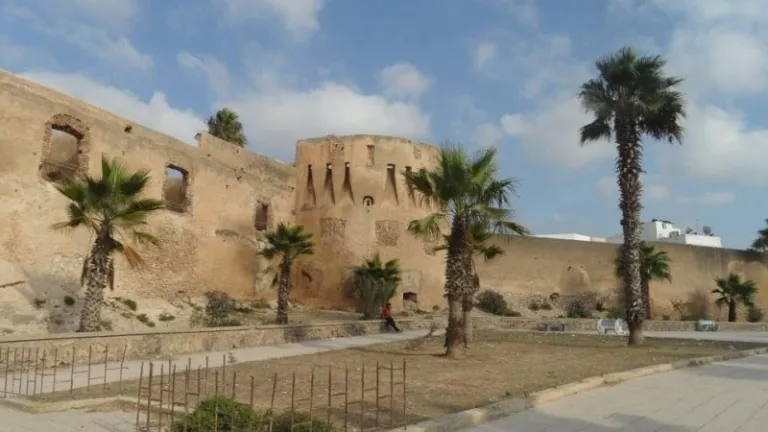
Within easy reach of Casablanca, Azemmour is a cute destination on the long Atlantic coastline. The old medina has an impressive outer wall and you can pass through tall gateways to wander colourful and quiet residential streets. Cracking, peeling, and fading street art catches the eye, and there are nice vistas over the water. The area’s Portuguese heritage is easy to spot in the architecture and there are several interesting ruins and shrines to explore. Azemmour is another Moroccan destination that gave me a pleasant surprise. The deserted Kasbah Boulaouane is within easy reach too.
4. Bhalil
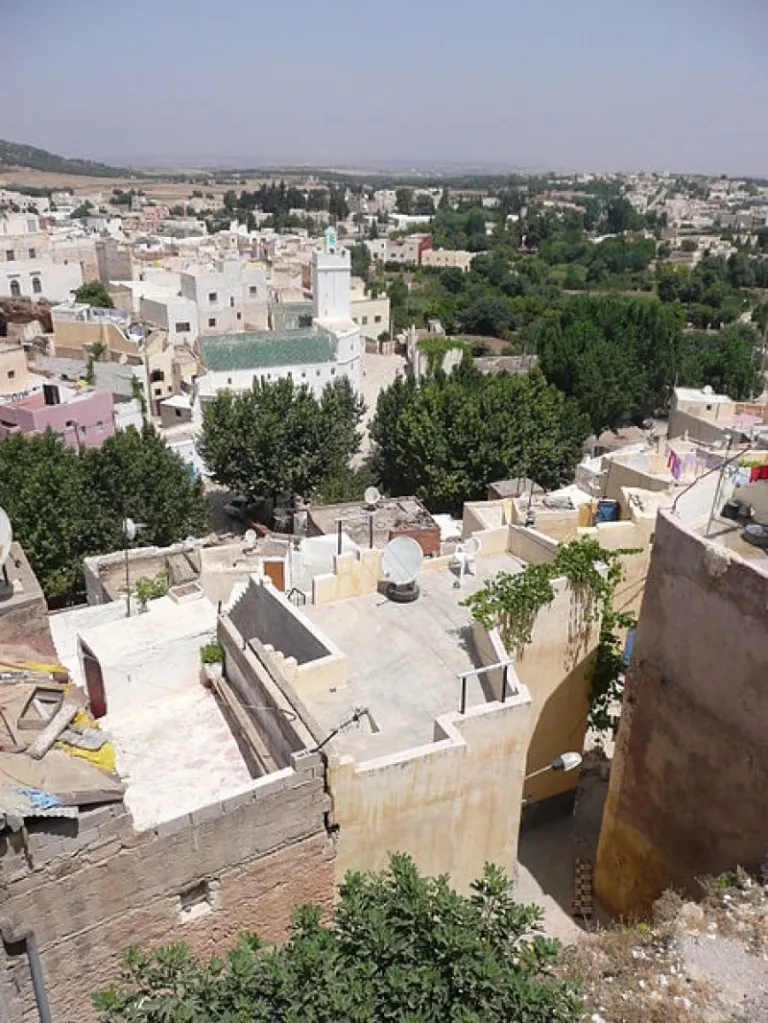
Image credit: stegop
Close to the old imperial city of Fez, charming Bhalil is a top place to escape the hustle and bustle and experience local life. Narrow streets criss-cross the villages and small colourful homes look rather as though they have been stacked on the mountain slopes. The village has a long button-making history, and you can still see groups of women making buttons today.
5. Larache
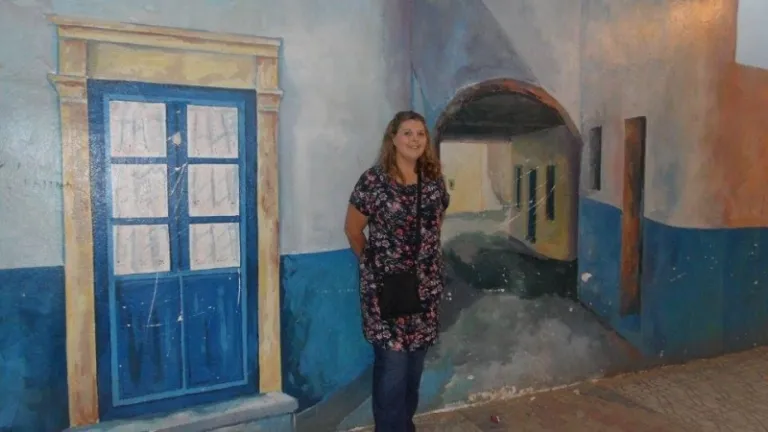
Located along the Atlantic coast in the north-western part of Morocco, Larache was a destination that pleasantly surprised me. Planning to drive from north to south while tracing the coast, I decided that Larache might be a good place to stop for a break. I found a charming coastal city with whitewashed walls and interesting architecture. The highlight for me, however, was stumbling across a road lined with cool street art. Some pictures sought to impart morals and promote health, while others showed cultural or natural scenes. There are certainly plenty of photo opportunities! The Jardin des Lions is close to hand too, with park benches, old cannons, grassed areas, and large stone lions flanking the entrance.
6. Khenifra
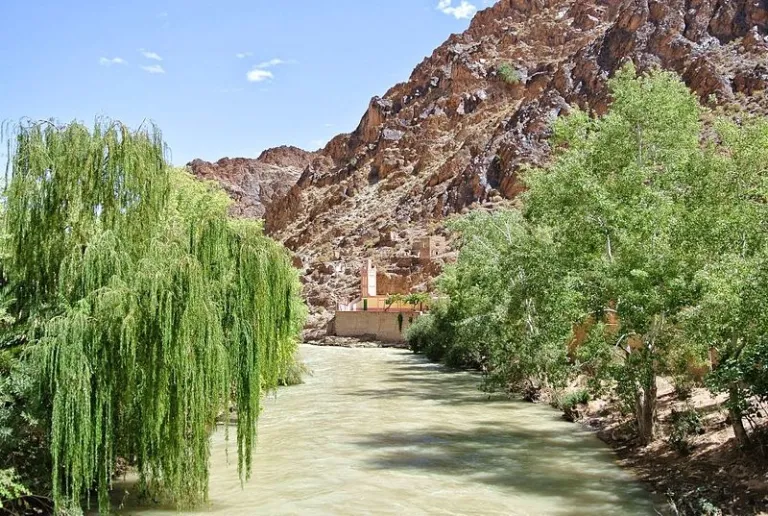
Image credit: Ben Bender
Khenifra sits in Morocco’s Middle Atlas region and makes a useful base for exploring cedar forests, lakes and mountain scenery.
Khenifra National Park protects a broad landscape containing forests, wetlands and several lakes. Wildlife may include Barbary macaques, but sightings are never guaranteed. Travellers planning to hike in quieter areas should consider hiring a knowledgeable local guide.
The springs near the headwaters of the Oum Er-Rbia River are another popular excursion. Water levels and scenery depend on recent rainfall, so conditions can vary significantly by season.
7. El Jadida
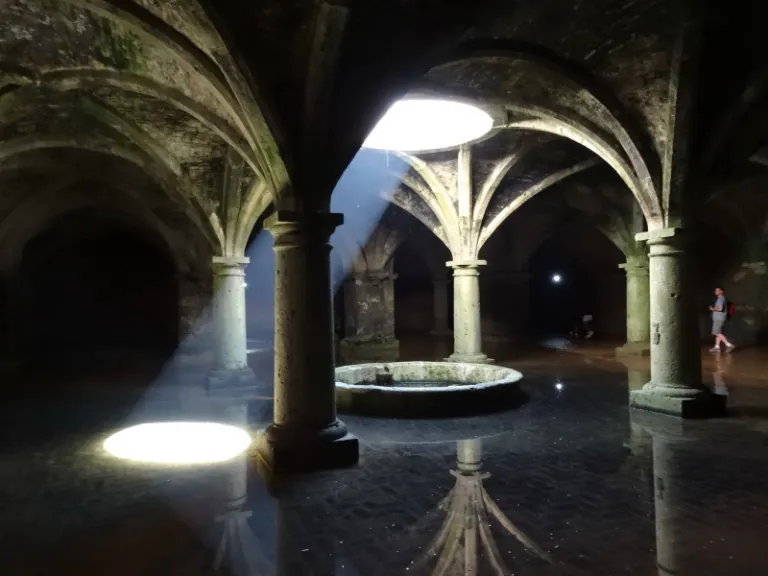
Image credit: Ian Cochrane
El Jadida is best known for the Portuguese City of Mazagan, a UNESCO World Heritage Site overlooking the Atlantic Ocean. Its surviving fortifications demonstrate the architectural exchange between Moroccan and European cultures from the 16th to 18th centuries.
Visitors can explore the ramparts, bastions, lanes and Church of the Assumption before enjoying the city’s beaches and seafood restaurants.
The atmospheric Portuguese Cistern was once one of El Jadida’s signature attractions and appeared in several film productions. However, it has been closed for restoration following structural concerns. Confirm its current status locally before planning a visit around it.
8. Amezrou
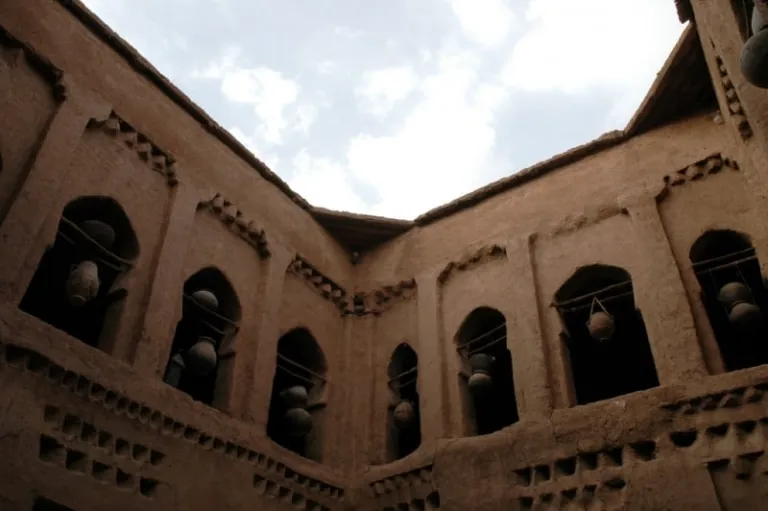
Image credit: Melanie K Reed Photography
Situated near Zagora in the Draa Valley, Amezrou grew along the historic trans-Saharan trading routes that connected communities across North and West Africa.
The settlement reflects the region’s intertwined Amazigh, Arab, African and Jewish histories. Its old quarter, earthen buildings, palm groves and traditional craft workshops provide a glimpse into the cultural diversity of southern Morocco.
A local guide can help visitors understand the community’s heritage while ensuring that homes, religious sites and working spaces are entered respectfully.
9. Martil
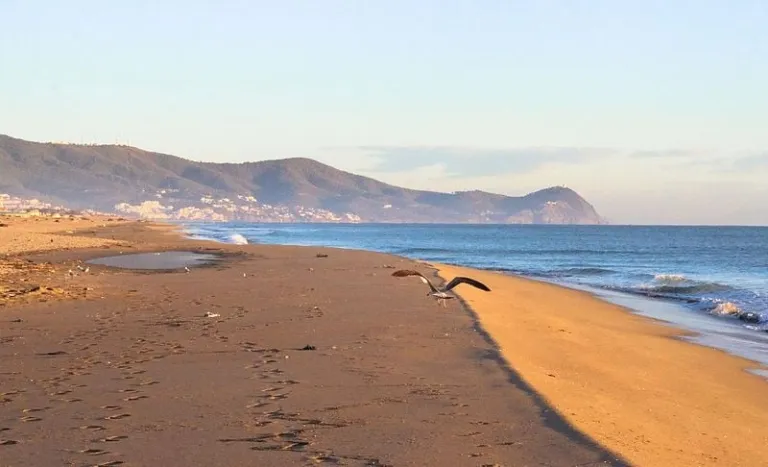
Image credit: Mohamed Haddi
Located on Morocco’s Mediterranean coast near Tetouan, Martil offers a long beachfront promenade, cafés, restaurants and an easy-going seaside atmosphere.
It is quieter outside the main holiday season, but describing its beaches as uncrowded throughout the year would be misleading. Martil is a popular domestic resort and can become extremely busy during July, August and Moroccan public holidays.
Visit in spring or early autumn for milder weather and a more relaxed experience.
10. Oualidia
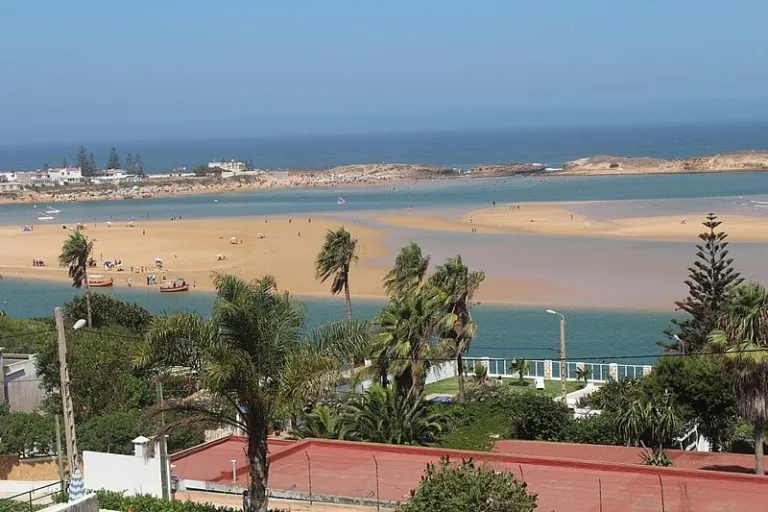
Image credit: Soufiane absri
Oualidia curves around a sheltered Atlantic lagoon known for birdlife, oyster farming and seafood.
The lagoon’s protected setting often provides calmer water than the open Atlantic, but swimming conditions still depend on tides, currents and weather. Use established swimming areas and follow local guidance.
Birdwatchers may spot flamingos and other migratory species at certain times of the year, although sightings are seasonal. Boat trips, seafood restaurants and walks around the lagoon make Oualidia particularly appealing for a slow coastal break.
11. Demnate
Demnate is one of Morocco’s older towns and a convenient starting point for exploring the landscapes of the central High Atlas.
Just outside town, Imi n’Ifri forms an immense natural rock bridge above a gorge. The descent beneath it involves steep, uneven and sometimes exposed paths, so wear suitable footwear and take extra care after rain.
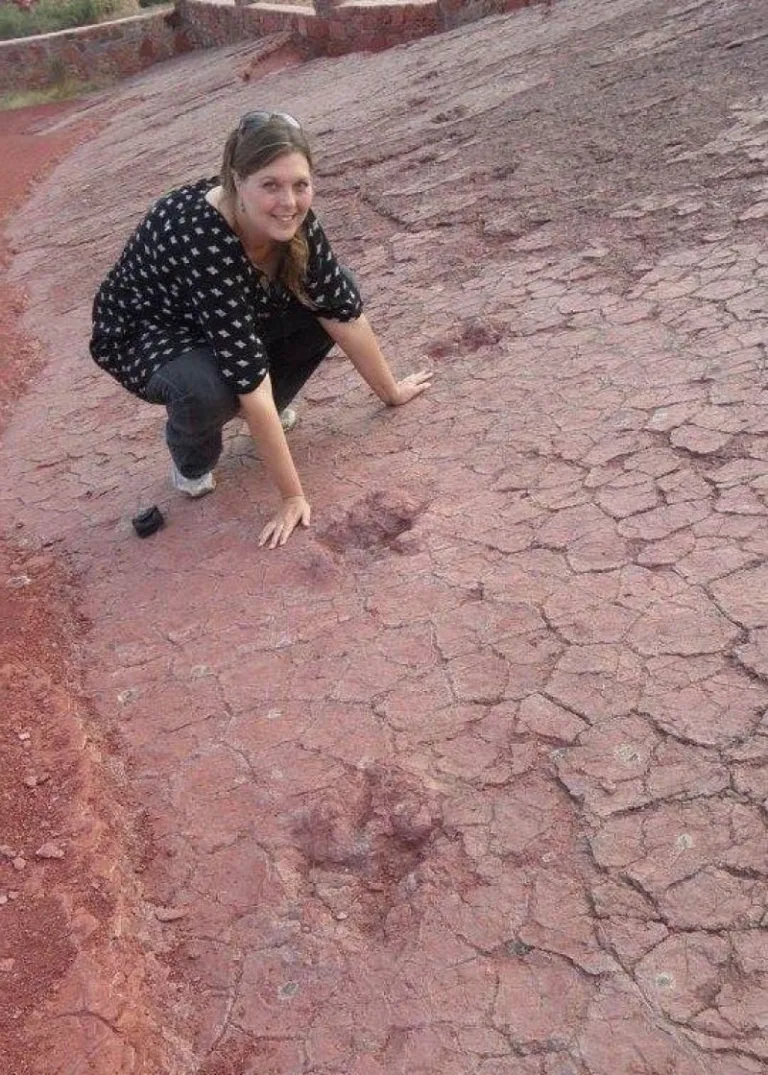
The nearby Iouaridène site preserves dinosaur tracks in rust-coloured rock and forms part of the UNESCO-recognised M’Goun Geopark. Avoid stepping directly on the footprints or damaging the surrounding geological formations.
Mountain roads can be affected by rain, flooding or winter conditions. Check locally before driving into more remote areas.
12. El Jebha
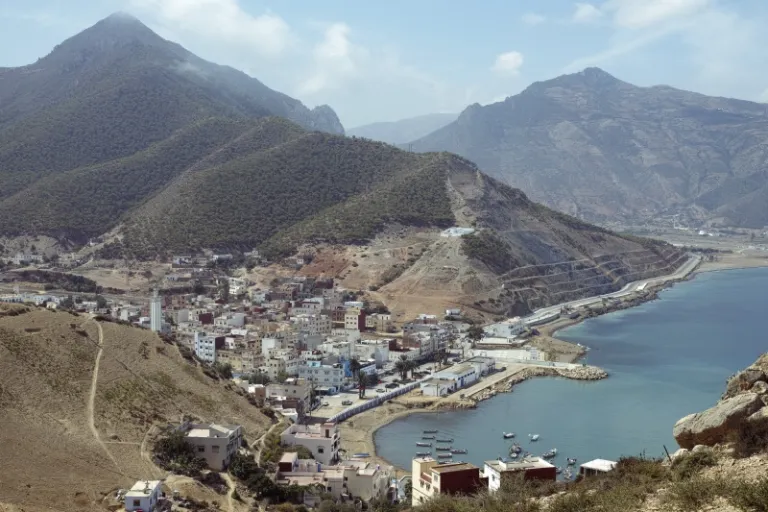
Image credit: jo all
Positioned between the Rif Mountains and the Mediterranean, El Jebha is a small port town surrounded by rocky coves and dramatic coastal scenery.
Its appeal lies less in major attractions than in its unhurried atmosphere. Visitors can walk along the shoreline, eat fresh fish and arrange coastal boat trips when sea conditions permit. Use an established local boat operator and confirm that suitable safety equipment is provided.
As in any unfamiliar small town, solo travellers should plan accommodation and transport in advance, avoid isolated areas after dark and respect local customs. Morocco imposes severe penalties for possessing or using illegal drugs.
Also read: When Travelling to Morocco: Expectation vs Reality
Other underrated destinations in Morocco
Medieval Taza offers historic architecture and access to Tazekka National Park, while Akhfennir sits near the lagoons and birdlife of Khenifiss National Park. Safi is known for ceramics and its Atlantic coastline, and Berkane provides access to Saïdia’s long Mediterranean beach.
Ouezzane, Ifrane and Al Hoceima offer very different combinations of spiritual heritage, mountain scenery and coastal landscapes.
Dakhla lies in Western Sahara, whose political status remains disputed. Government travel warnings apply to areas close to the militarised Berm and territory to its east. Anyone considering Dakhla or an overland journey through Western Sahara should study an up-to-date advisory, understand the political context and ensure that insurance covers the complete route.
Featured and Facebook image credit: Robert Prazeres
