
Is Japan Still a Cash-Based Country? My Recent Experience Might Surprise You
Yes, bring cash. But probably not as much as you think...

Like many travellers, I always associated Japan with being a cash-first country. The last time I visited Hokkaido, about three years ago, cash was essential for many purchases, so I naturally expected the same this time around.
In fact, I was even more convinced I'd be relying heavily on cash because I wasn't visiting major cities like Tokyo or Osaka. My itinerary took me to smaller destinations such as Iga, Matsusaka, Ise, Suzuka, and Toba in Mie prefecture, places where I assumed cash would still be king.
To my surprise, that wasn't really the case!
Also read: Why You Should Book Japan Now: Three Compelling Reasons to Visit in 2026
Card Payments Were Accepted Almost Everywhere
Throughout my trip, I found myself reaching for my credit card far more often than for the cash in my wallet.
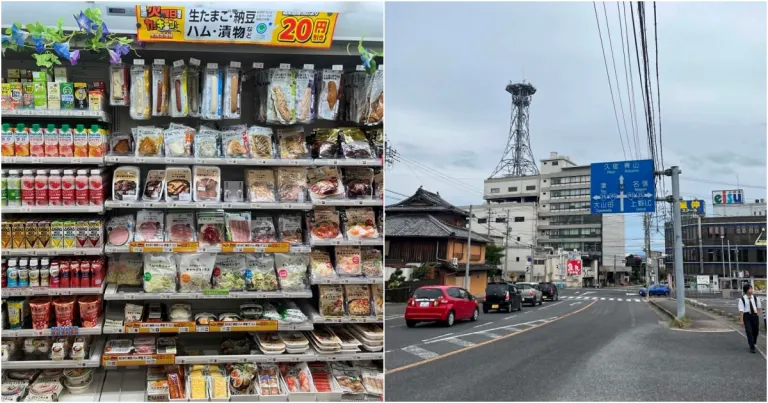 Image credit: Cecelia Chang
Convenience stores, supermarkets, restaurants and even taxis readily accepted card payments. Whether I was grabbing snacks from a convenience store, enjoying a local meal or taking a taxi after a long day of sightseeing, paying by card was quick and hassle-free.
The Only Time I Really Needed Cash
That said, I wouldn't recommend travelling to Japan without any cash.
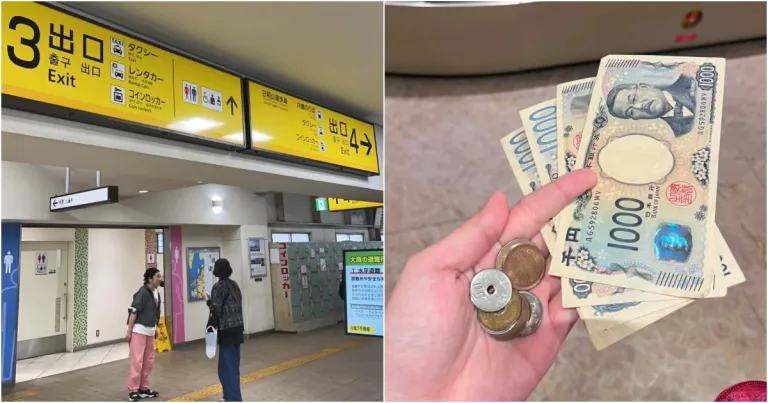 Image credit: Cecelia Chang
The one occasion that caught me off guard was a local bus ride in Suzuka, which only accepted cash. Thankfully, I had enough yen on hand, but it served as a good reminder that not every service has gone cashless.
Beyond public transport, you may also come across smaller family-run eateries, local market stalls, temples, shrines or countryside shops that still operate on a cash-only basis.
So, How Much Cash Should You Bring?
Based on my experience, I'd still suggest carrying some cash for unexpected situations.
Having a few thousand yen in your wallet provides peace of mind, especially if you're travelling outside the major cities or planning to use local buses. It also comes in handy for the occasional cash-only shop or street stall.
However, you probably don't need to exchange as much cash as travellers did a few years ago.
Japan Isn't as Cash-Based as It Used to Be
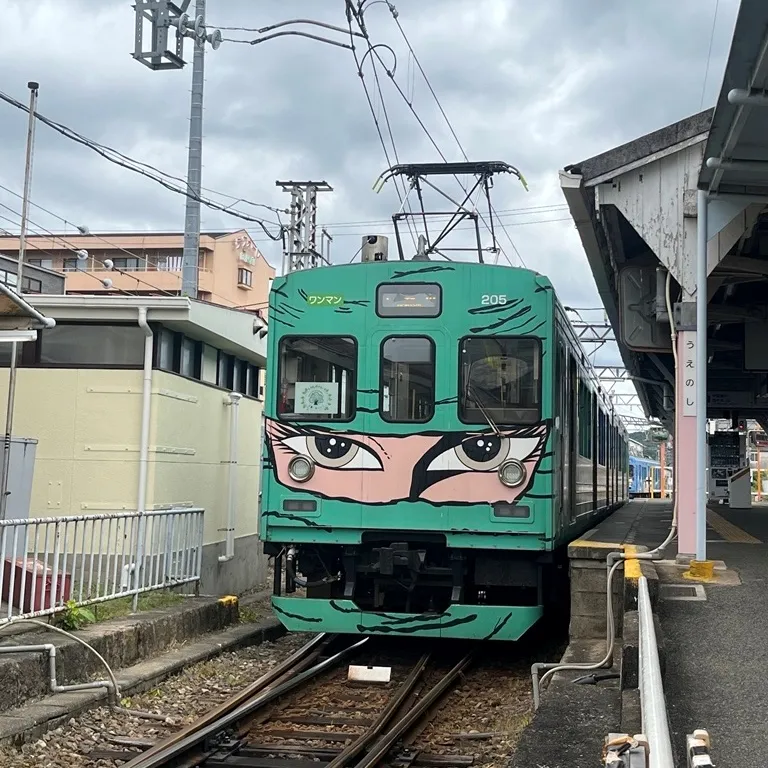 Image credit: Cecelia Chang
While Japan has long been known as a cash-based society, my recent trip showed just how much things have changed.
Even in smaller cities like Matsusaka, Ise, Suzuka and Toba, card acceptance was far more widespread than I had expected. If that's already the case in these destinations, travellers heading to larger cities such as Tokyo, Osaka and Kyoto will likely find it even easier to rely on cards and contactless payments.
Of course, every traveller's experience may differ depending on where they go and what they plan to do. But if you're someone who values convenience, there's no need to carry a wallet stuffed with cash anymore.
Also read: The Ultimate 9D8N Hokkaido Itinerary in Autumn: Things to Do, See & Eat
Bring some yen as a backup, keep your credit or debit card handy, and enjoy the flexibility of paying whichever way is most convenient. Japan may not be completely cashless just yet, but it's certainly no longer as cash-dependent as many of us remember, at least for what I have just experienced recently.

About Author

Born in a new village in Selangor, Malaysia, Cecelia loves three things in life: Good food, good views, and good deals. She also enjoys exploring new places and experiencing new things on her travels.
Recommended Reads
8 Must-Visit Temples in Kyoto
Culture & Heritage
Geisha Hunting in Kyoto: How to Spot a Real One
Culture & Heritage