
Everyone Can Hike In China: How China Has Made Hiking Ultra-Accessible
See how China has modernised the hiking game!

For decades, hiking in China has conjured images of breathless climbs up steep mountain paths and arduous multi-day treks through remote landscapes. Yet nowadays, the experience is undergoing a remarkable transformation. Increasingly, hiking in China is becoming an activity that nearly anyone can enjoy, regardless of fitness level or physical ability.
The driving force behind this change? Modern infrastructure that’s reshaping how visitors interact with China’s most iconic natural attractions. Cable cars, escalators, and paved pathways have become fixtures at popular scenic spots, particularly across central and eastern regions. Indeed, these developments represent a fundamental rethinking of mountain tourism in the country.
Also read: Chinese Cities Beyond Beijing and Shanghai
The Rise of Assisted Mountain Access
Mechanical marvels are now commonplace across Chinese tourist destinations, from the Yellow Mountains to Taroko Gorge (in Taiwan).
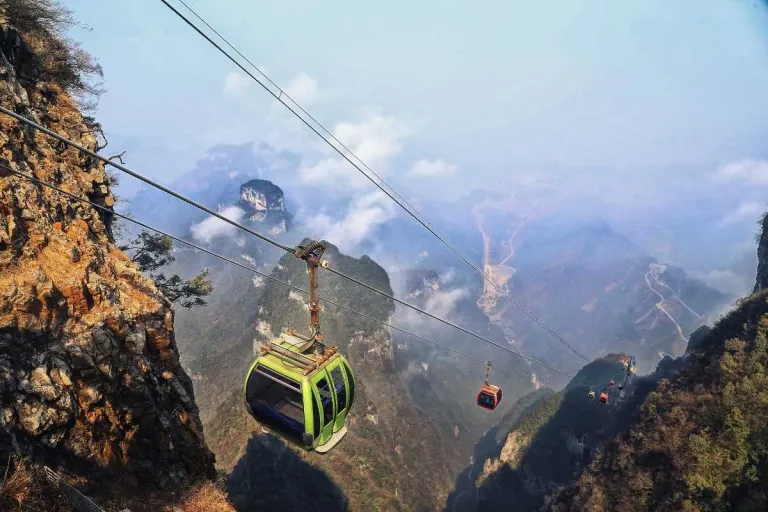
Image credit: Raulhudson1986 via Canva Pro
The Zhangjiajie Grand Canyon in Hunan Province features cable cars that ferry visitors to the summit.
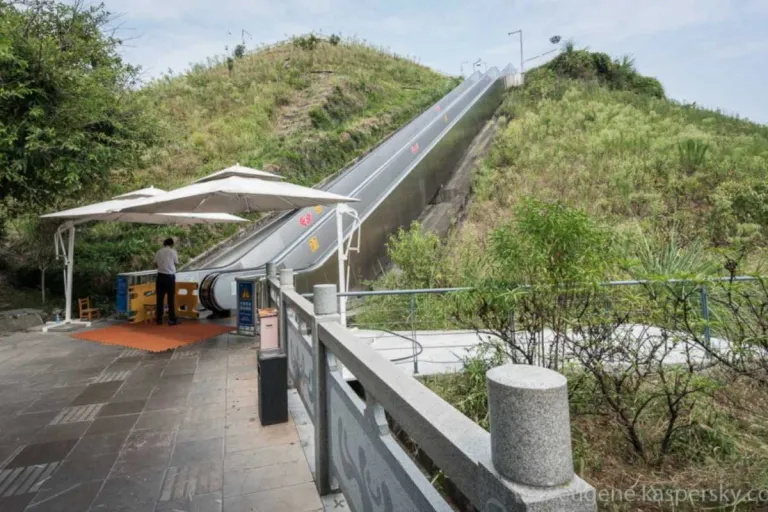
Image credit: Eugene Kapersky
Also consider the Three Gorges Escalator in Chongqing, a monumental system built directly into the cliffside above the Yangtze River. It transports visitors effortlessly from the river port up to the ancient Baidicheng temple, bypassing a steep and taxing climb.
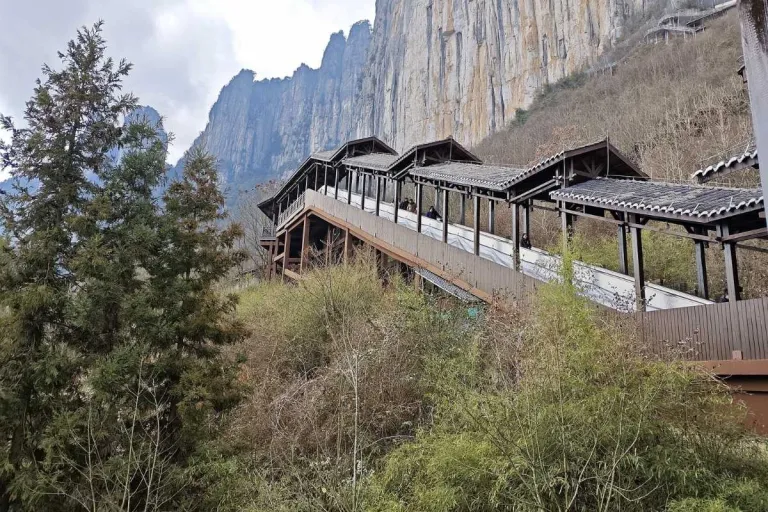
Image credit: Liuxingy
Similarly, the Enshi Grand Canyon Escalator in Hubei (one of the longest of its kind) allows travellers to journey deep into the canyon’s heart to witness magnificent waterfalls without a demanding descent and ascent.
Credit: jzh
OMG Heartbeat Amusement Park in Hangzhou gamifies hiking into amusement park attractions, incorporating carousel horses and conveyer belts for the ascent, while rafts and go-karts are options for descent. Hiking in China now encompasses several distinct experiences, each catering to different preferences and physical capabilities.
Accessibility Meets Controversy
Credit: SCMP
The implications of this accessibility revolution are decidedly mixed. On one hand, these improvements have democratised mountain tourism. Previously inaccessible to individuals such as elderly visitors, people with mobility challenges, and families with young children, now anyone can experience China’s natural wonders. Moreover, this accessibility has boosted local economies, generating substantial tourism revenue.
On the other hand, critics worry that such developments diminish the authentic hiking experience. Purists argue that mechanical shortcuts undermine the personal challenge and spiritual connection that mountains traditionally offer. The escalator at Zhangjiajie Grand Canyon, whilst an engineering marvel, sparked considerable debate amongst travel enthusiasts regarding whether such interventions preserve or compromise natural beauty.
A Balanced Perspective
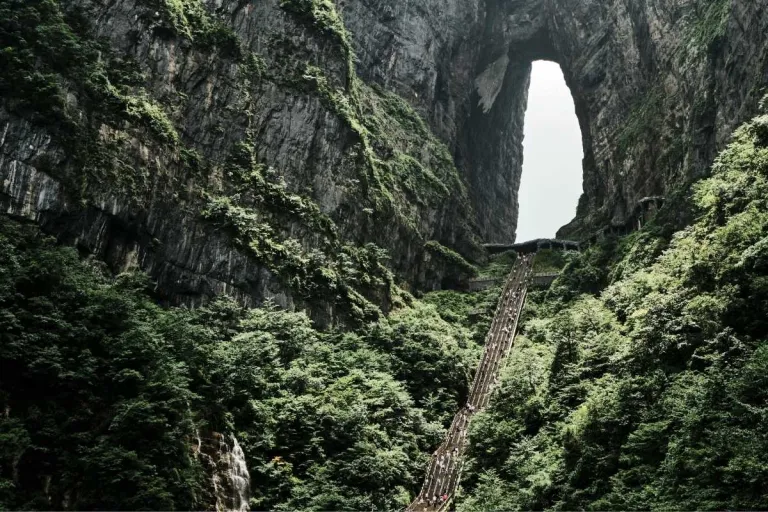
Image credit: Deimantas Viburys
Despite the recent developments, hiking in China remains wonderfully diverse. Those seeking genuinely challenging experiences can still find them; simultaneously, those desiring accessible mountain access now have options. This plurality isn’t necessarily problematic. Rather, it reflects how tourism evolves to serve broader demographics.
For Singaporean travellers specifically, these developments merit consideration. Our tropical climate means many visitors appreciate less strenuous alternatives during holiday seasons. Families that travel together will also appreciate the diversity of available options.
A Spectrum of Summits: Popular Hiking Routes
Whether you are a seasoned trekker seeking a challenge or a casual visitor wanting panoramic views without the strain, there’s a route for you in China.
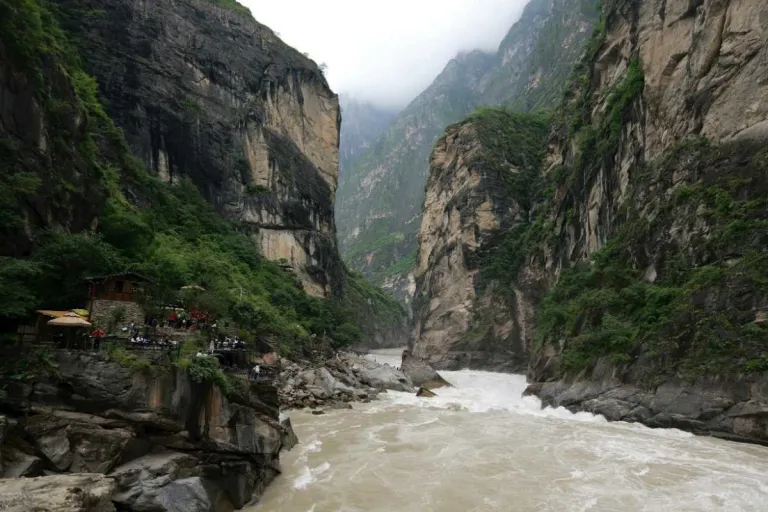
Image credit: xing Wang
Tiger Leaping Gorge, Yunnan. For those seeking raw, unspoiled adventure, the high trail of Tiger Leaping Gorge is an essential experience. This world-renowned trek involves a challenging multi-day hike along a dramatic gorge carved by the rushing Jinsha River. Here, there are no escalators or cable cars: just narrow paths, breathtaking vistas, and the satisfaction of a tough climb. It rewards trekkers with unparalleled scenery and a profound sense of accomplishment.
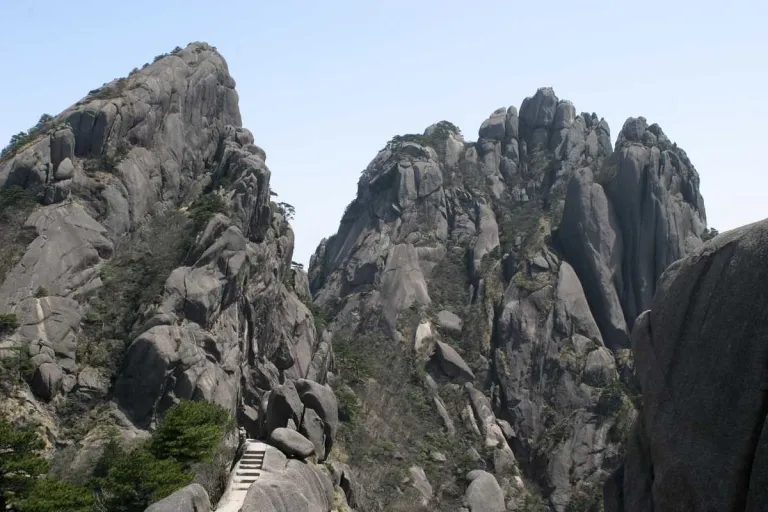
Image credit: Frankhuang via Canva Pro
Huangshan (The Yellow Mountains), Anhui. For those seeking a balance, Huangshan offers the best of both worlds. Famed for its granite peaks, ancient pine trees, and seas of clouds that have inspired Chinese art for centuries, this UNESCO site is wonderfully adaptable. Visitors can choose to ascend the thousands of stone steps carved into the mountain, or opt for cable cars that whisk you to key viewpoints. This allows many options to customise your visit.
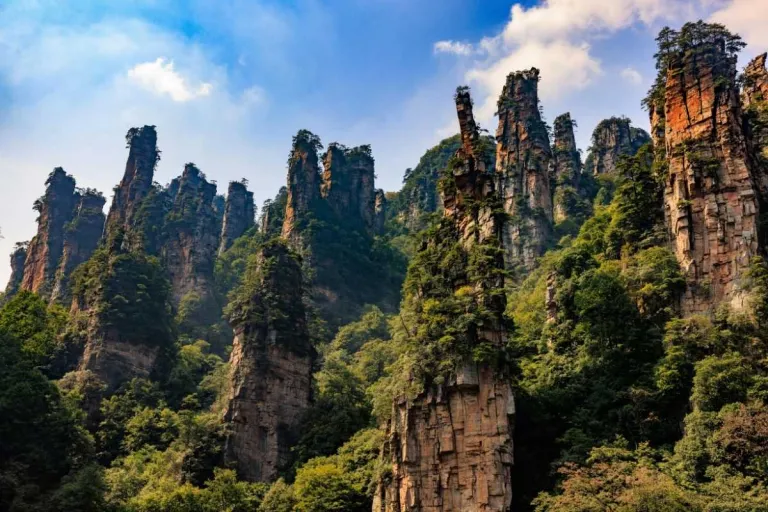
Image credit: David Tran
Zhangjiajie, Hunan. At the other end of the spectrum lies Zhangjiajie, a testament to modern engineering meeting natural wonder. The park, famous for its surreal sandstone pillars, is designed for maximum accessibility. Visitors can ascend via the world-famous Bailong Elevator, a glass lift that climbs 326 metres up a sheer cliff face.
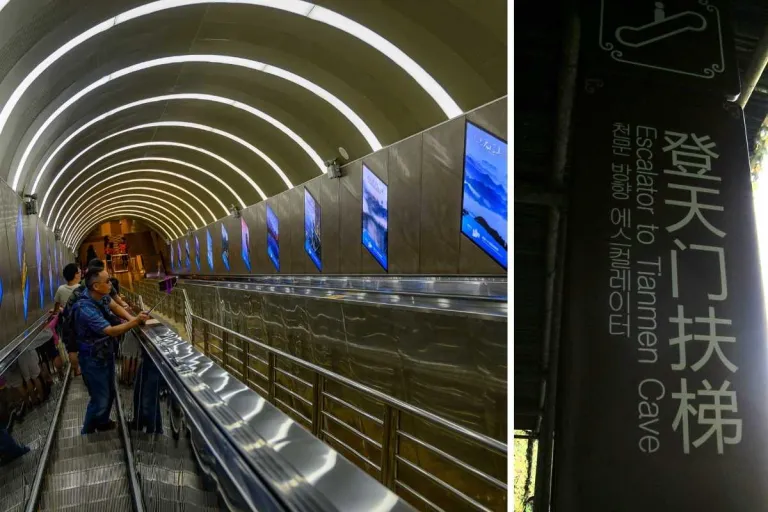
Image credit: xiquinhosilva/Kuruman from Tokyo, Japan
Furthermore, the neighbouring Tianmen Mountain features a series of escalators built inside the mountain itself to transport visitors through the famous “Heaven’s Gate” cave. Here, the focus shifts from physical exertion to immersive sightseeing.
Whether you’re interested in traditional mountain trekking or prefer leisurely assisted routes, hiking in China has never been more accessible. So why not make it part of your family holiday plans?

About Author

Her motto is "experience everything at least once". An adrenaline junkie at heart, she is always down for spontaneous adventure, especially to exotic destinations. She finds the most meaningful aspect of travel is cultural immersion, and talking to locals is an underrated travel hack.