Dex Quek
You’ve scrolled past dozens of temple photos from Bangkok. You’ve taken the same sunset shot in Da Nang as everyone else. So here’s the secret: timing changes everything. Experience a destination during a festival or major event, and suddenly the familiar becomes extraordinary.
For Singaporeans, this can be especially smart. Short flights, familiar time zones, and easy logistics mean you can plan a weekend around a celebration without major disruption. Moreover, these events often fall outside peak season, which means better deals on flights and hotels if you book strategically. Here are events and festivals happening in 2026 to help you see Southeast Asia in a new light.
Also read: Avoid The School Holiday Crowds at These Travel Destinations
Huế Festival (Huế, Vietnam)
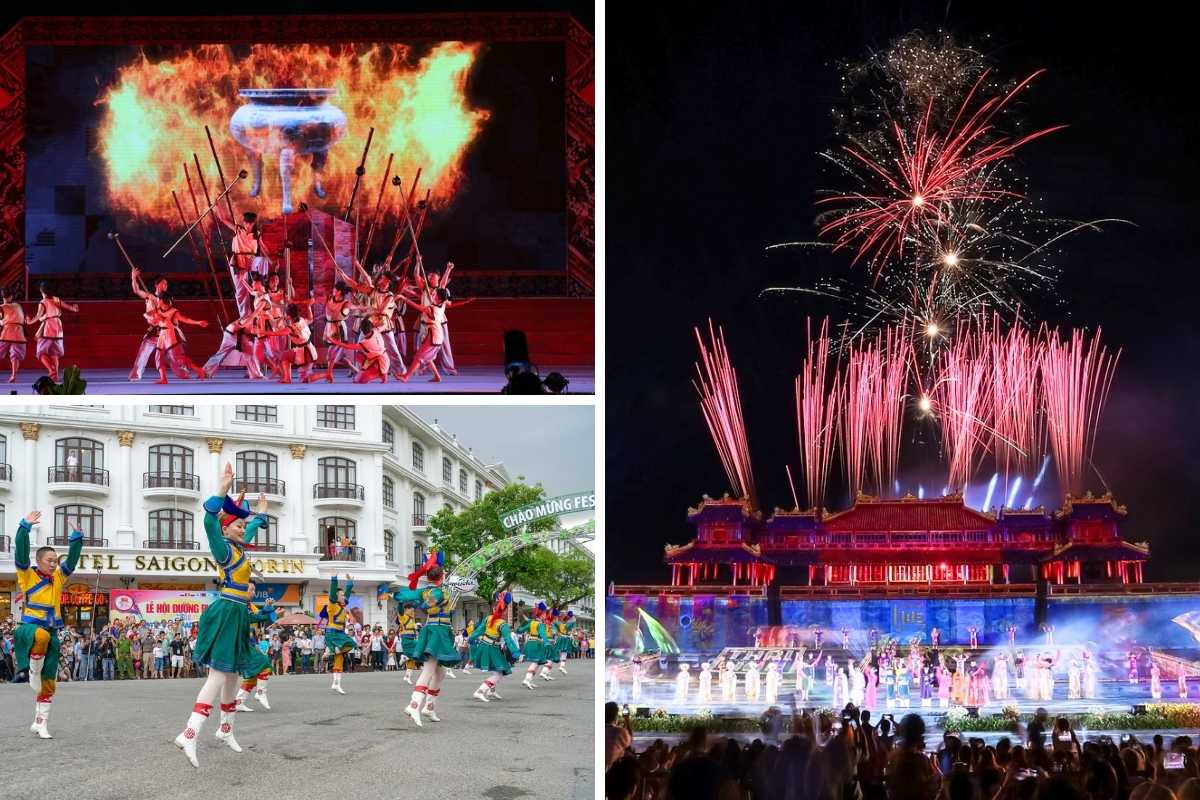
Image credit: Festival Huế Facebook
The city of Huế transforms during festival season. Beyond a single week, the 2026 celebration spans late March to early April, with the historic Imperial City lit by installations and alive with traditional music, ao dai fashion shows, and contemporary performances.
The draw is how seamlessly the festival blends past and present. You’ll move between royal ceremonies at the Imperial Citadel and modern dance in heritage venues. Longer stays can fly by if you pair evening shows with daytime temple visits, riverside cafés and the city’s excellent food scene.
Tomorrowland Thailand (Pattaya, Thailand)
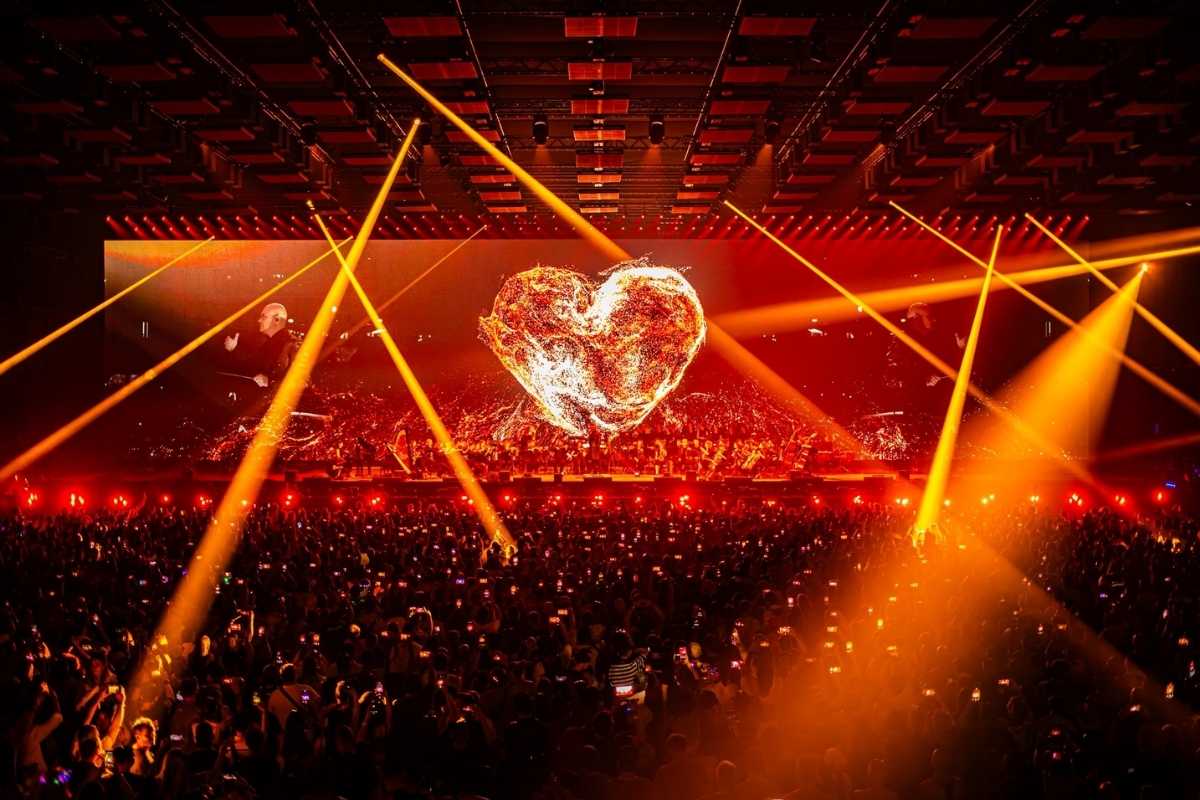
Image credit: Tomorrowland Facebook
Bangkok has nightlife, certainly. However, Tomorrowland brings scale and spectacle most clubs cannot match. World-class DJs, elaborate stage designs, and thousands of international visitors create an atmosphere that is purely festival.
The 2026 debut will take place in Wisdom Valley, Pattaya, about 90 minutes away from Bangkok. This means you can still build a classic Bangkok break around it to your favourite temples and markets beforehand, then head out for the festival. If that’s your plan, logistics matter: plan accommodation and transport carefully.
Dib Bangkok (Bangkok, Thailand)
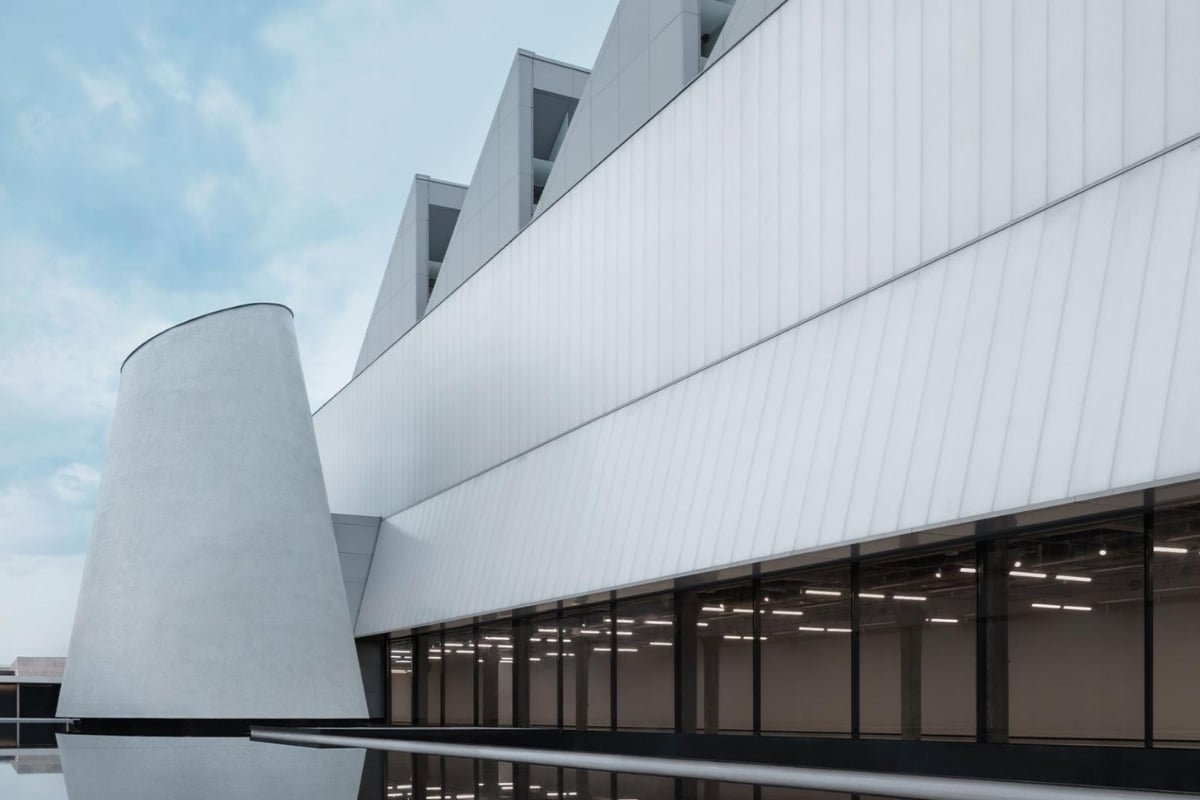
Image credit: DibBangkok
Opened in December 2025, Dib Bangkok is positioned as the city’s first international contemporary art museum. It holds a substantial collection of Thai and global contemporary work, plus rotating exhibitions that ensure repeat visits still feel fresh.
The practical benefit is obvious: escape the afternoon heat whilst experiencing high-quality art in a growing Southeast Asian art scene. Moreover, it gives you a compelling reason to return to Bangkok beyond the usual circuit of temples and shopping.
Da Nang International Fireworks Festival (Da Nang, Vietnam)
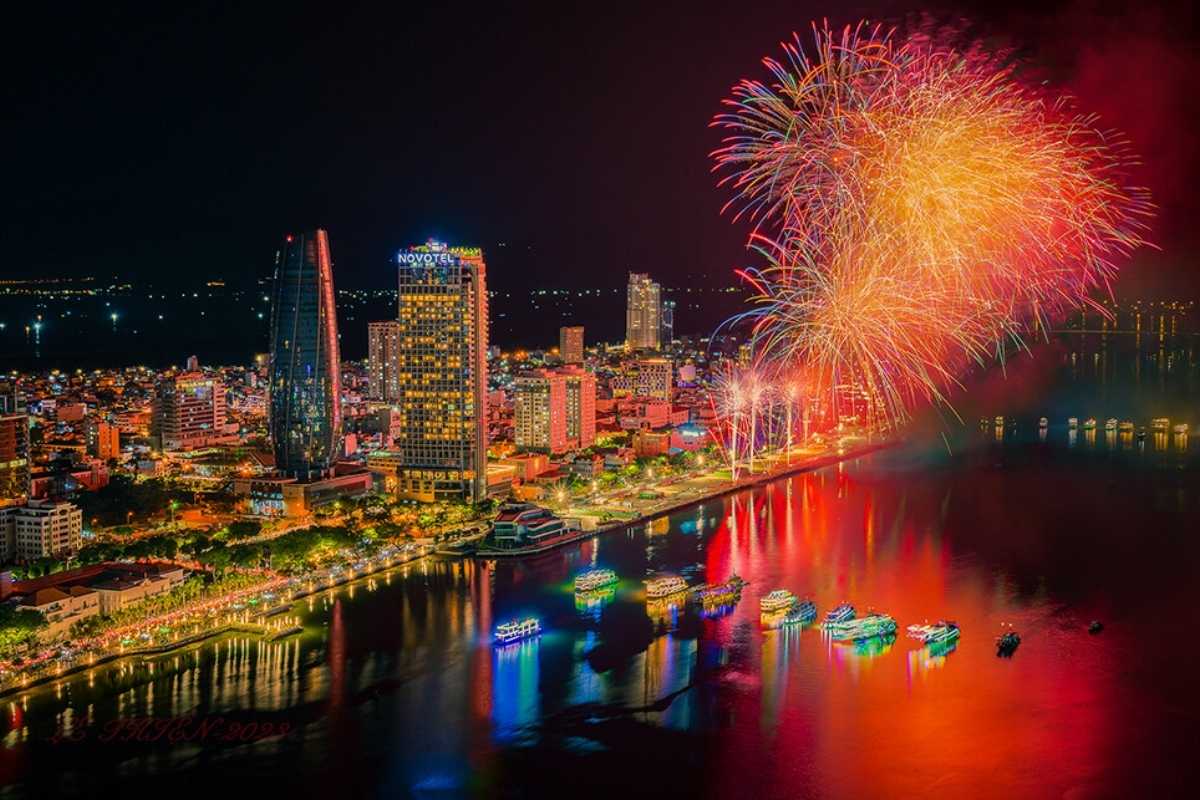
Image credit: Da Nang International Fireworks Festival Facebook
Da Nang works as a beach break or a base for Hoi An. During the Fireworks Festival (late May to mid-July 2026), it becomes the main event. Multiple weekend competitions mean you can plan flexibly, and the riverfront atmosphere – food stalls, live music, crowds – is festive even between displays.
What is particularly convenient is that the festival stretches over several weekends. Consequently, you have flexibility in choosing your dates. Additionally, late May to July often sits just outside peak season, which can mean better availability and prices.
George Town Festival (Penang, Malaysia)
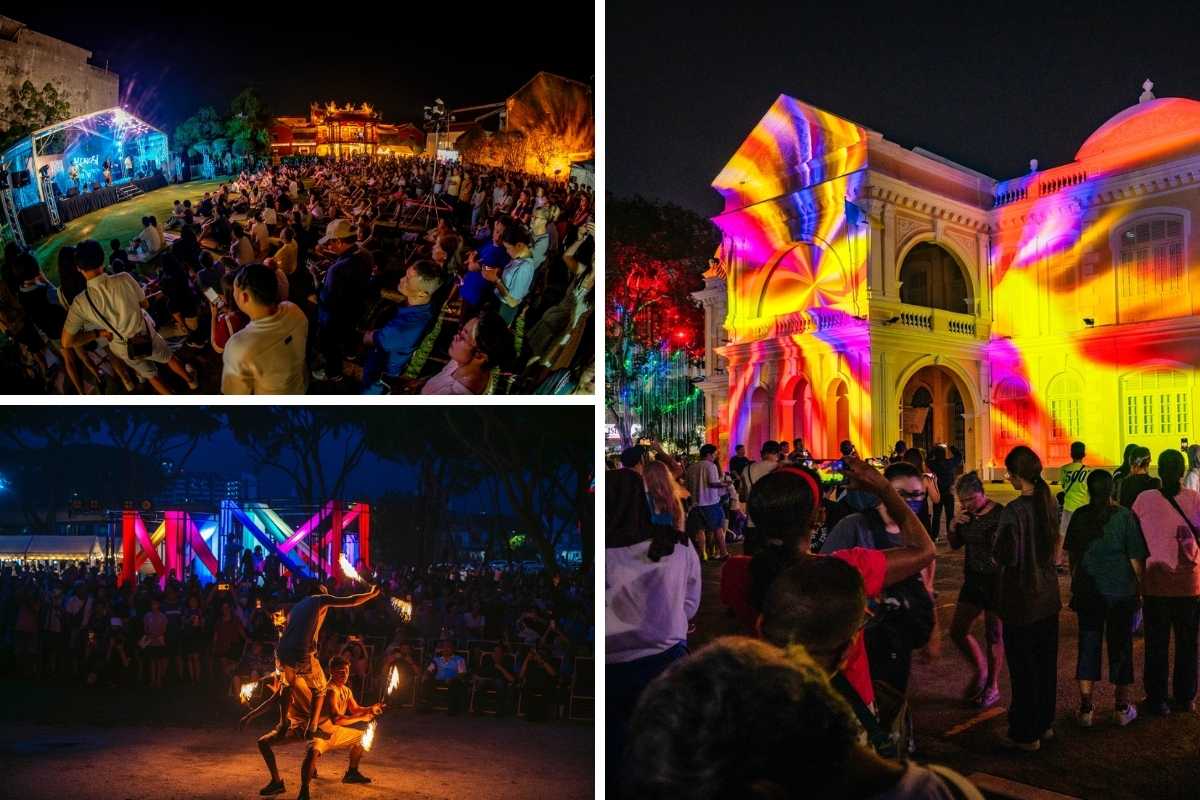
Image credit: George Town Festival Facebook
Penang draws Singaporeans for hawker food, and rightfully so. The George Town Festival (typically July or August) layers creative energy onto the UNESCO-listed streets: performances, installations, and pop-up exhibitions transform familiar corners.
The festival’s mix of free and ticketed events means you control your engagement. Furthermore, the atmosphere is informal and accessible: you can easily balance gallery visits with long kopi sessions and late-night desserts.
Rainforest World Music Festival (Sarawak, Malaysia)
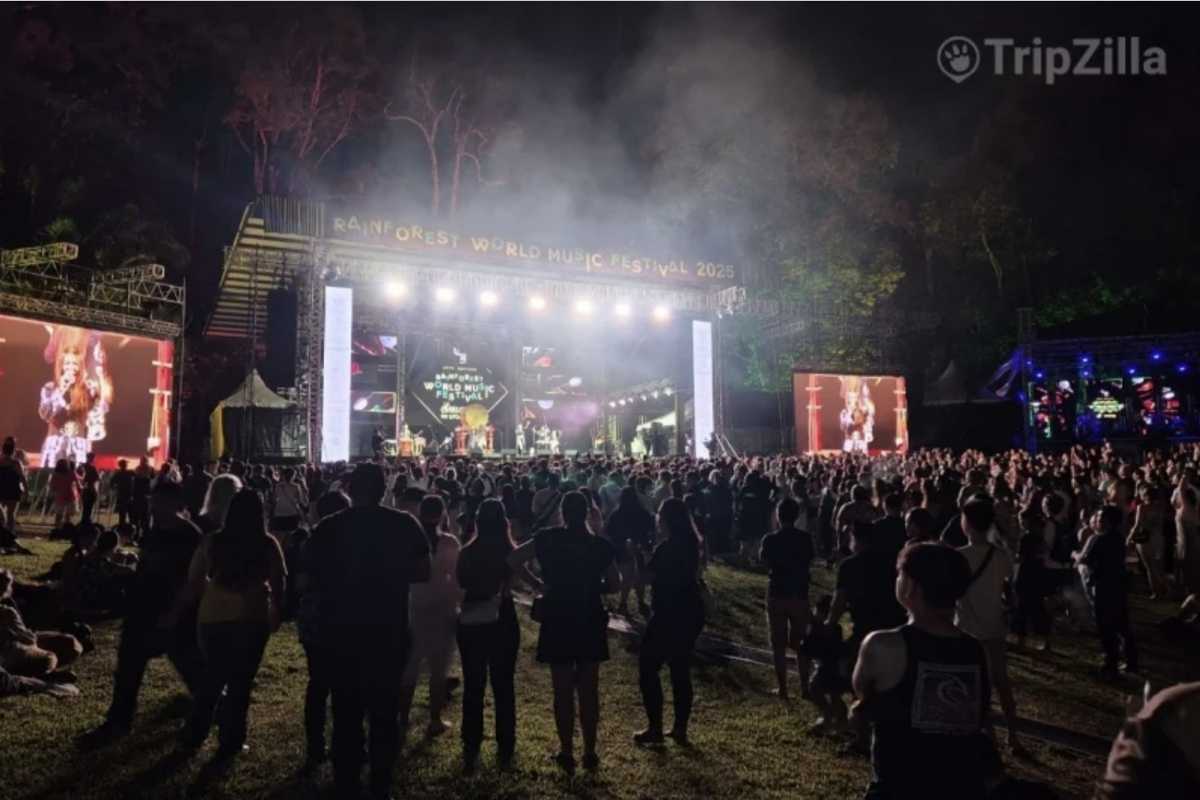
Held at Mount Santubong’s base in Sarawak, this festival blends indigenous and international musicians in a rainforest setting. The 2026 edition (late June) runs three days with daytime workshops on traditional instruments and evening performances that genuinely educate as well as entertain. Read about our editor’s full experience at the RWMF 2025 here.
For Singaporeans, it’s a straightforward trip to Kuching, and the festival naturally prompts exploration of Sarawak’s food, museums, and nature reserves. Consequently, you get a complete experience rather than a single event.
Songkran (Various cities, Thailand)
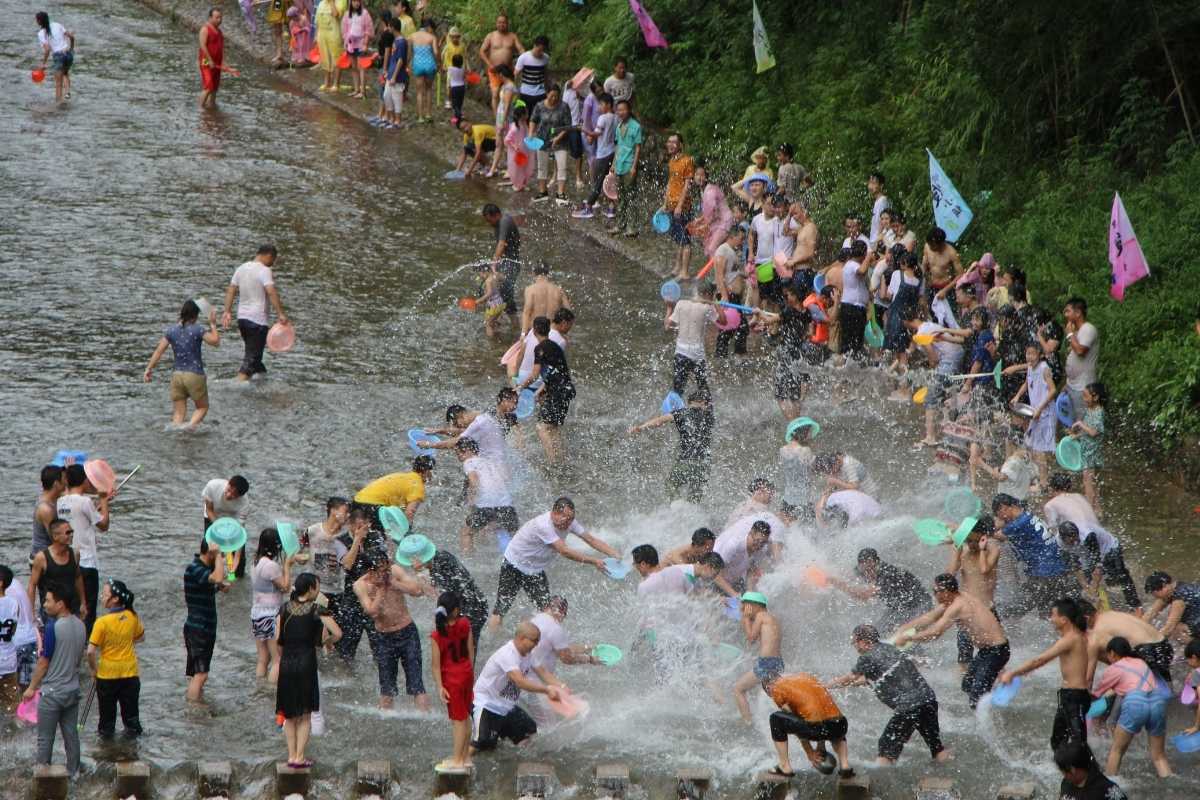
Image credit: laydown
The world-famous Thai new year needs no introduction. Songkran runs from 13-15 April annually. Head to Bangkok’s Silom Road to witness water fights galore. It’s not all for fun though, as the festival has deeper cultural roots. Water symbolises purification and renewal.
Different cities celebrate differently, for instance, Chiang Mai often extends festivities beyond the core dates. Try balancing chaos with quieter moments: visit temples early in the day, then join the fun later. Importantly, bring waterproof phone protection and quick-dry clothes.
Tết Trung Thu (Various cities, Vietnam)
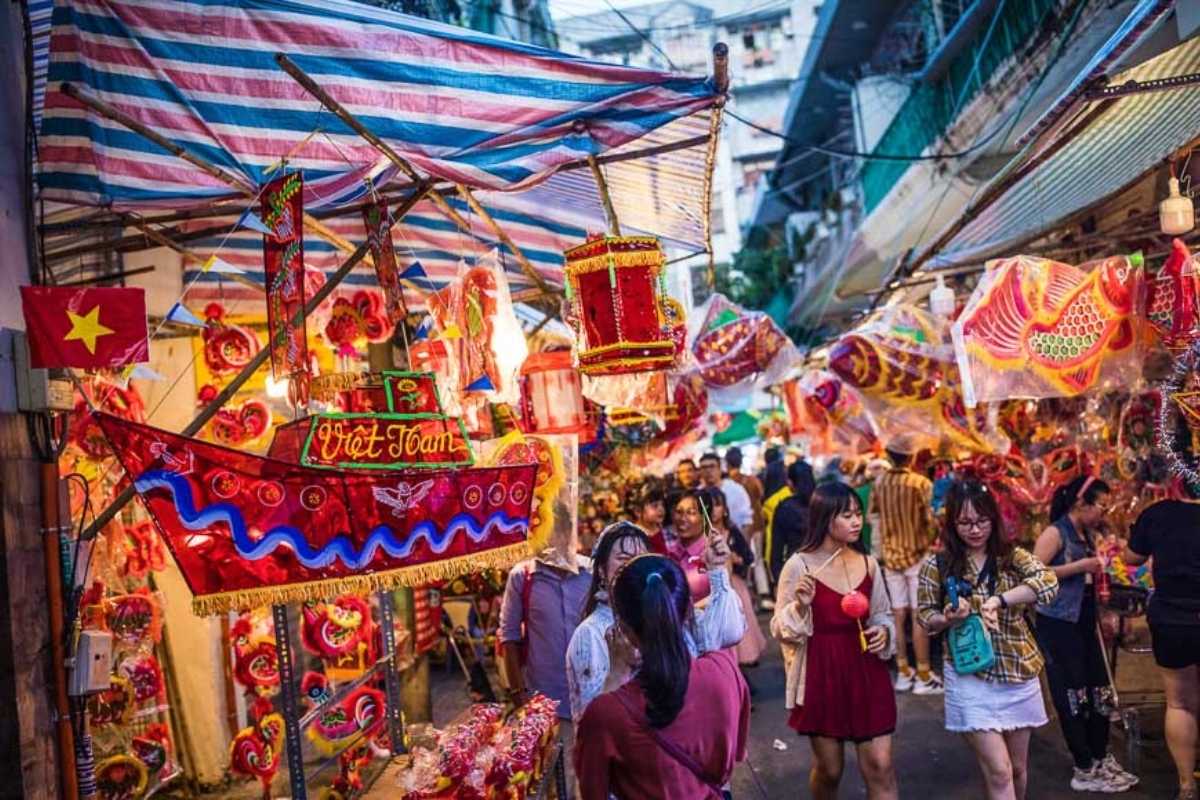
Image credit: Vietnam Tourism
Mid-Autumn Festival in Vietnam goes by Tết Trung Thu. It falls on the 15th day of the eighth lunar month (typically September or early October) and feels distinctly more child-focused and community-led.
In Hanoi‘s Old Quarter, Hang Ma Street becomes lantern central. Ho Chi Minh City’s Chợ Lớn hosts elaborate lion dances. The mood is warm and public-facing, making it genuinely accessible for visitors. Moreover, it often coincides with Singapore’s September school holidays, simplifying family trip planning.
Plan strategically
Book flights and accommodation early as these events draw crowds. Additionally, check official dates before committing, as lunar festivals shift annually. Most importantly, travel with intention: the same destination feels entirely different when you arrive for a specific celebration.