
Why Travelling Might Heal You More Than Going to Therapy
A plane ticket might do more for your soul than a fifty-minute therapy session.

I know, it does sound like a bold claim.
We’ve all been there: sitting in a quiet room, trying to talk our way out of a rut, only to feel like we’re just circling the same drain. In 2026, a growing number of us are realising that sometimes, the best way to fix what’s going on inside is to completely change what’s on the outside.
If you’ve ever felt a weight lift the moment you stepped off a plane in a city where nobody knows your name, you’ve experienced what researchers are now calling "Travel Therapy." Here is why trading the therapy velvet couch for a boarding pass might be the breakthrough you’ve been looking for!
Why travelling heals you
1. You Can’t Ruminate While Navigating
In a therapy session, you’re often asked to look backwards. On the road, you’re forced to look forward. Whether you’re figuring out a train schedule in Tokyo or finding a hidden cafe in Melbourne, your brain is in "active solve" mode.
This creates what psychologists call Cognitive Detachment. It physically breaks the loop of repetitive, negative thoughts because your mind is too busy being curious to be anxious.
2. The "Anonymity" Reset
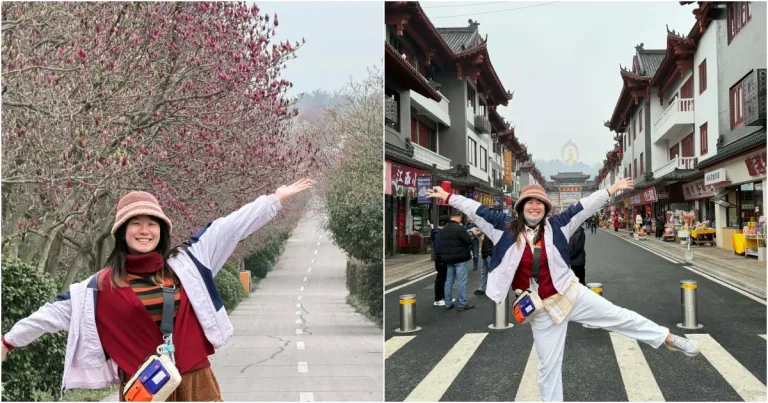
One of the hardest parts of healing is the "identity" we carry at home. Your friends, family, and coworkers all have a version of you they expect to see. Travel offers the ultimate freedom: Anonymity.
When you are a stranger in a strange land, you can shed your labels. You aren’t "the stressed manager" or "the one going through a breakup"; you’re just a person watching a sunset. This mental blank slate allows you to reconnect with who you are when nobody is watching.
3. Organic Confidence (The "I Did That" Factor)
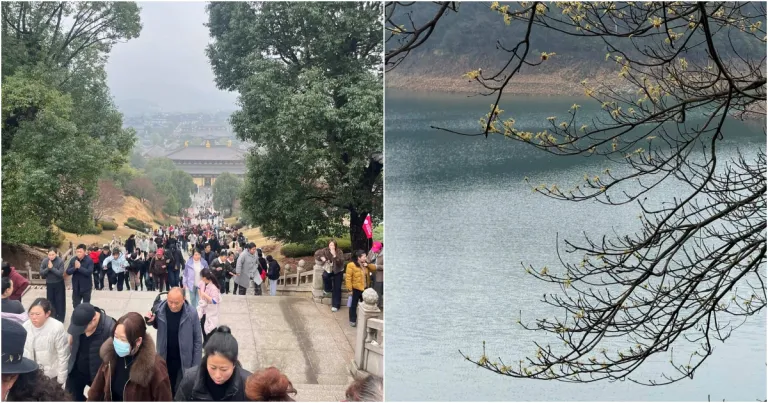
Therapy gives you the tools to handle life, but travel gives you the proof that you can. There is a deep, primal sense of self-efficacy that comes from successfully hiking up to a mountain or surviving a 12-hour bus ride.
A 2025 study by Edith Cowan University suggests that these "positive travel stressors" actually rewire the brain, building a type of resilience that a clinical environment simply can't simulate.
4. Perspectives

Our problems feel massive when they fill up our entire living room. But stand at the edge of the Chocolate Hills or watch the fog roll over the Great Wall, and your perspective shifts. When you realise how vast the world is, the things that trouble us suddenly don't feel too bad.
Science calls this "Awe Therapy." Experiencing something vast and ancient reduces our "small self" focus, lowering cortisol and reminding us that while our problems are real, the world is much bigger.
5. The "Sensory" Reset

Therapy is very auditory (talking and listening). Travel is a full-body sensory experience. Sometimes your brain doesn't need to "talk it out"; it needs to be "shocked" out of its routine.
I love cafe-hunting in a foreign country and the smells of coffee and baked goods. I also love the sight of fresh flowers, like the peony cherries in early bloom during my recent trip to China. These scents, sights, and even sounds of a bustling city remind you that you're not stuck in your emotional bubble. You're out in the world, and there’s so much beauty and goodness waiting to be discovered.
6. The Kindness of Strangers

In our daily lives, we are surrounded by people who know our history (and our baggage). Yet, when travelling, every interaction is a clean slate. A 5-minute conversation with a hostel owner or a street vendor can be more life-affirming than a month of therapy because they see you as you are now, not who you were five years ago.
And I don’t know about you, but often, strangers or people who aren’t close to us can be kinder and more genuine than those we call “friends.” Travelling gives you the chance to experience that—and it clears your mind in ways nothing else can.
7. The "Productive Loneliness"
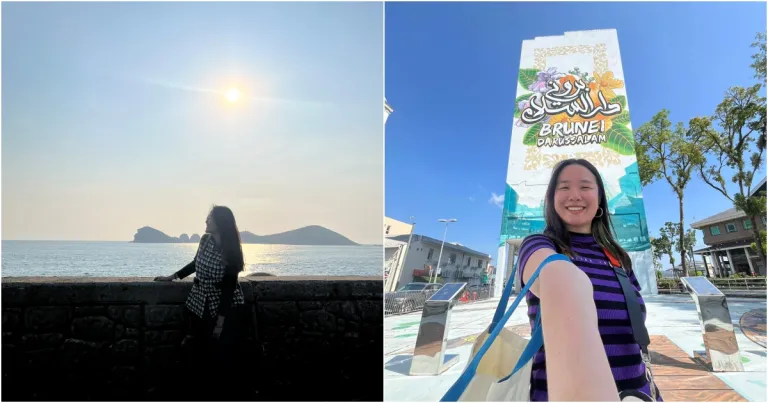
There is a big difference between being "lonely" at home and being "alone" in a new city. Travel teaches you to enjoy your own company. It turns "loneliness" into "solitude." When you eat a meal alone at a restaurant in a foreign country, you’re practising a form of self-love and independence that is incredibly therapeutic.
I still remember how much I enjoyed my solo trip to Brunei. I could take my time snapping photos, strolling through the streets, and simply watching the world go by. It's therapeutic and gives you a sense of peace that group travel doesn't.
8. The "Physicality" of the Journey
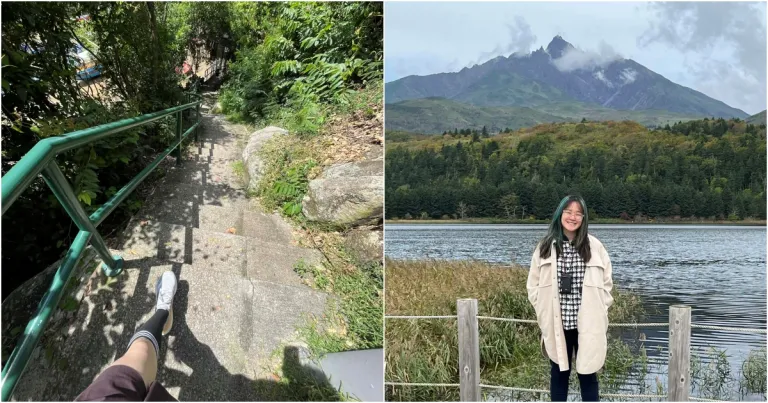
Have you heard of the phrase: "Depression can't hit a moving target"? Therapy is sedentary (sitting in a chair). Travel is movement.
There is a biological link between moving your feet and moving your thoughts. When you walk 20,000 steps a day exploring a city, you are physically "walking off" the adrenaline and cortisol that have been sitting in your body from stress.
Travelling isn't just a form of therapy to me. It's a life-long goal. Every time I return from a trip, I gain not only beautiful memories, but a new wave of momentum to plan my next adventure. If you're feeling down, try taking a trip. Trust me, you might find it heals you more than anything ever would.
All images credited to author, Cecelia Chang.

About Author

Born in a new village in Selangor, Malaysia, Cecelia loves three things in life: Good food, good views, and good deals. She also enjoys exploring new places and experiencing new things on her travels.