
Train Journey from Bangkok to Chiang Mai: Great Stops & Highlights Along the Way
If there is one train ride to experience in Thailand, pick the one from Bangkok to Chiang Mai. Here are some great sights along the way, in Ayutthaya, Lopburi and Lampang.

If there is one train ride to experience in Thailand, pick the one from Bangkok to Chiang Mai. Here are some great sights along the way, in Ayutthaya, Lopburi and Lampang.
One of the most amazing ways of exploring Thailand is by train.
The State Railway of Thailand runs services across much of the country, connecting Bangkok with destinations in the north, northeast, east and south. The Northern Line continues to Chiang Mai, while other routes travel towards Nong Khai, Ubon Ratchathani, Pattaya, the eastern border region and southern Thailand.
So really, you can have your picks here. But where to go? Whether you are a nature lover, an archaeology enthusiast or someone who enjoys travelling through the countryside, here’s a journey that will fulfil it all!
Train journey from Bangkok to Chiang Mai
The train journey from Bangkok to Chiang Mai is no doubt a well-trodden one, filled with plenty of ancient treasures. If you enjoy taking a stroll through historical temples and ruins, this journey will make the Indiana Jones in you scream with joy!
The train journey will take you past Ayutthaya, Lopburi, Phitsanulok and Lampang before you reach Chiang Mai. If Chiang Mai is the only place you wish to visit, you have the option to just ride the train until its final stop.
The views from the train journey are amazing.
However, if you want to make the most of the journey, you can spend a day or two exploring other places along the way!
Most long-distance Northern Line trains now depart from Krung Thep Aphiwat Central Terminal rather than the former main terminus at Hua Lamphong. Current direct services to Chiang Mai include:
Train 7, departing at 7.30am and arriving at 5.50pm
Train 109, departing at 2.15pm and arriving at 4am
Train 9, departing at 6.40pm and arriving at 7.15am
Train 13, departing at 8.05pm and arriving at 8.45am
Train 51, departing at 10.30pm and arriving at 11.40am
Schedules and fares may change, so check the official SRT timetable shortly before travelling. If you plan to stop in several cities, you must purchase a separate ticket for each section. A Bangkok–Chiang Mai ticket does not allow you to get off for a day and continue on a later train.
Reserved tickets for Special Express, Express and Rapid services can currently be purchased up to 90 days before departure through SRT D-Ticket, at railway stations or through the SRT hotline. Sleeper berths, particularly lower berths on Train 9, can sell out quickly during holidays and the cool season.
1. Ayutthaya
Ayutthaya, the former capital of the Siamese Kingdom, is surely a sight to behold. From Bangkok to Ayutthaya, the train journey generally takes around one to one and a half hours, depending on the service.
If you catch a morning train, you can spend the day in Ayutthaya and continue with an evening train to Lopburi.
While in Ayutthaya, it’s essential that you take a trip down the historical lane and visit Ayutthaya Historical Park, as it is only about 4km away from Ayutthaya train station.
You can get there by a short ferry ride across the river when the local crossing is operating, or by taking one of the tuk-tuks which often wait at the train station for passengers.
Ayutthaya Historical Park is listed as a UNESCO World Heritage Site and preserves the remains of a city that was once one of the world’s largest and most cosmopolitan urban centres.
Since the park is quite huge, it may be a bit tiring to explore on foot. Luckily, you can find several bicycle rental shops across the river and near the park, which gives you the option to ride around instead.
The roads around the ruins can be busy and exposed to the sun, so wear a helmet, carry water and take extra care when cycling between sites. A tuk-tuk or hired driver may be more comfortable during the hottest part of the day.
What a great day for a cycling exercise in the city of ruins! To fully appreciate and enjoy this trip, it is advisable that you read a little about Ayutthaya’s history beforehand or hire a licensed guide.
It is, of course, impossible to visit all in one day, so here are the four temples that you must see.
Note: Admission is charged separately at many major monuments. At the time of this update, Wat Mahathat and Wat Phra Si Sanphet each list an entrance fee of ฿80 for foreign visitors. Carry some cash and confirm current prices at the ticket booths.
Wat Phra Si Sanphet
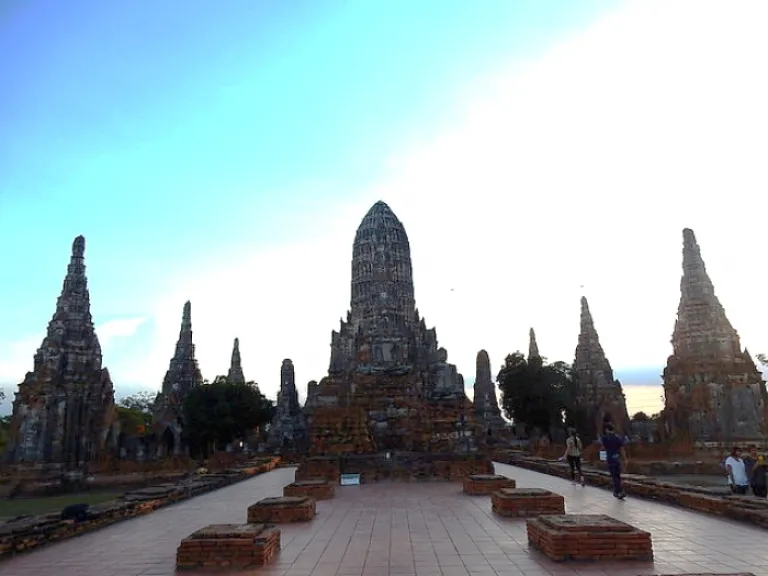
Image credit: Michael Coghlan
Wat Phra Ram
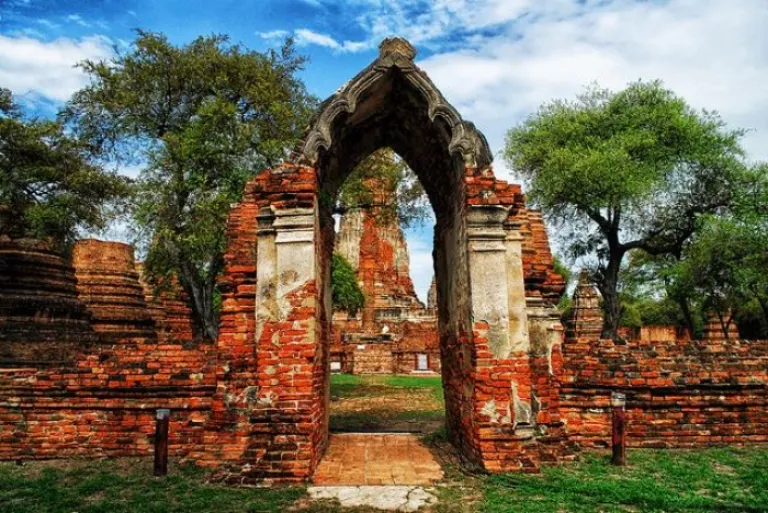
Image credit: Thanate Tan
Wat Ratchaburana
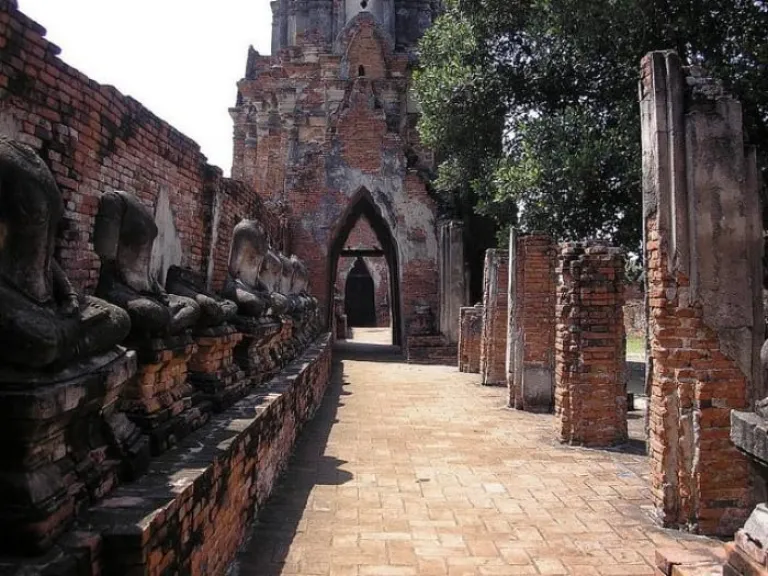
Image credit: Rex Gray
Wat Mahathat
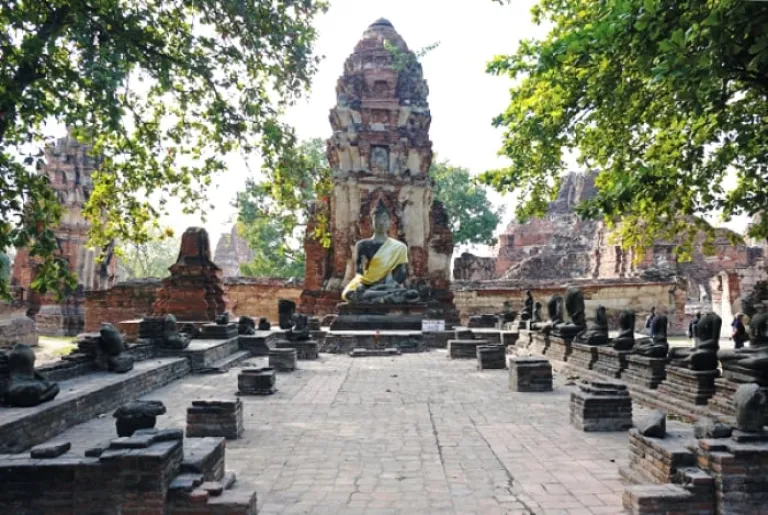
Image credit: Viviana Asri
2. Lopburi & Saraburi
If you’re travelling between November and January, this will surely be a highlight of the trip, provided that you’re not allergic to pollen.
The journey from Ayutthaya to Lopburi usually takes around one hour, although the exact duration and frequency depend on the selected train.
Sunflower fields
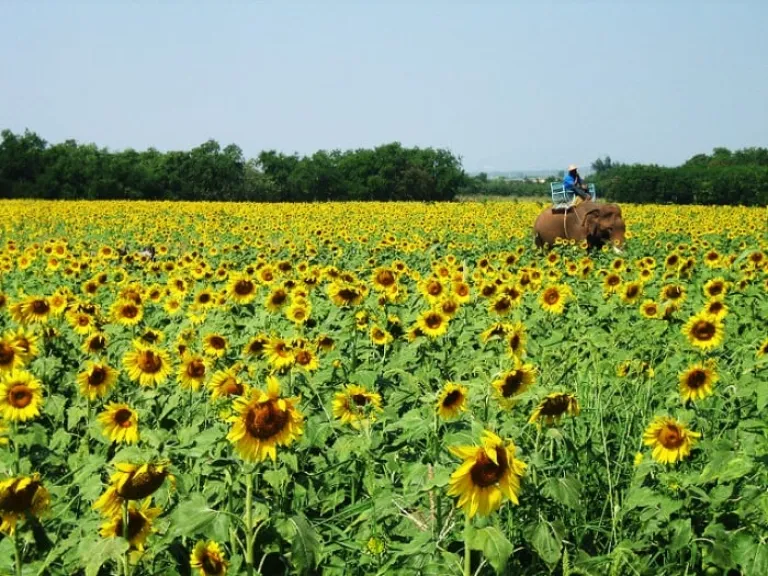
Image credit: Pinyapat Wilaichit

Image credit: Daniel Paras
Sunflower fields are popular in Lopburi and Saraburi. Both of these provinces are located just next to each other, and they boast equally beautiful acres and acres of sunflowers.
However, Saraburi is not a direct stop on the Northern Line towards Chiang Mai. Visiting its fields would require a separate road journey or a detour onto another railway route. Lopburi is therefore the more practical choice for this itinerary.
To reach these sunflower fields, it is a little bit of a challenge.
Lopburi’s sunflower farms are spread across several districts, with many located around Khao Chin Lae and Phatthana Nikhom. The exact fields open to visitors change according to where farmers have planted that season, while flowering dates depend on rainfall and planting schedules.
Do not rely solely on an old location pin or assume that every field will be blooming throughout November to January. Ask your accommodation, the local tourism office or a driver which farms are currently open before setting out.
Public transport to individual farms can be limited. Hiring a taxi or driver from Lopburi is generally the simplest option, particularly if you want to visit more than one field. Agree on the route, waiting time and total fare beforehand.
Facilities also differ between farms. Food stalls, souvenir stands, miniature trains and animal attractions may be available at some locations but should not be treated as permanent features.
Lopburi Monkey Temple
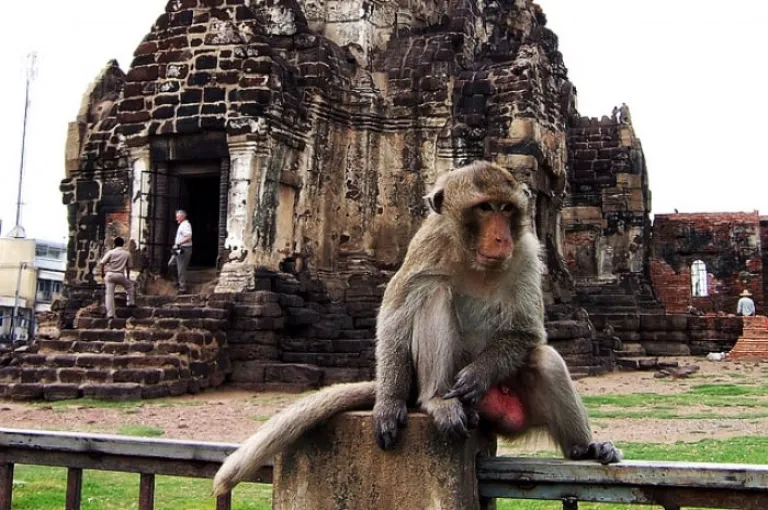
Image credit: Ryan Harvey
Here’s something you would not expect: a temple long associated with the monkeys of Lopburi!
The Monkey Temple, formally known as Phra Prang Sam Yot, is located within walking distance of Lopburi Train Station.
Lopburi’s monkey population has changed significantly since this article was first published. Following years of conflict between the macaques and residents, authorities began capturing, sterilising and relocating large numbers of monkeys in 2024 and continued the programme afterwards.
Some macaques remain around Phra Prang Sam Yot and nearby parts of the old town, but visitors should no longer expect the entire area to be overrun by the enormous groups shown in older photographs.
Any monkeys you encounter remain wild animals. Do not feed or touch them, keep food out of sight and secure loose belongings such as sunglasses, phones and plastic bags. Follow any instructions given by local staff.
There are also several old but gold temple ruins to visit within walking distance from the train station and the Monkey Temple.
Wat Nakorn Kosa
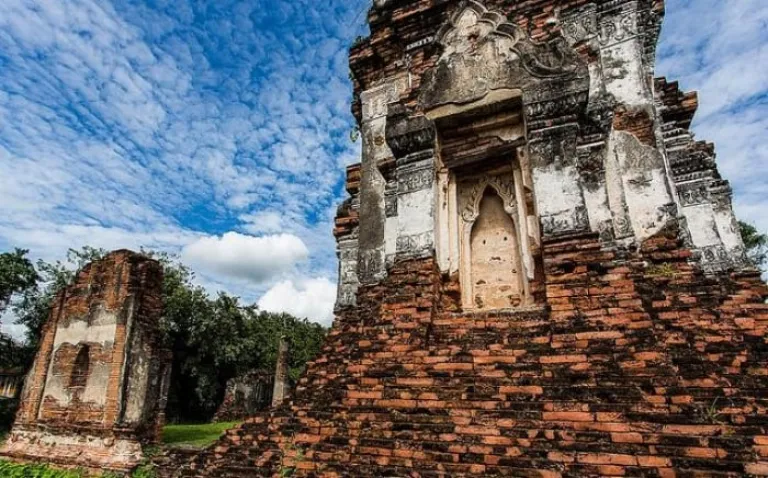
Image credit: John Shedrick
Wat Phra Si Ratana Mahathat
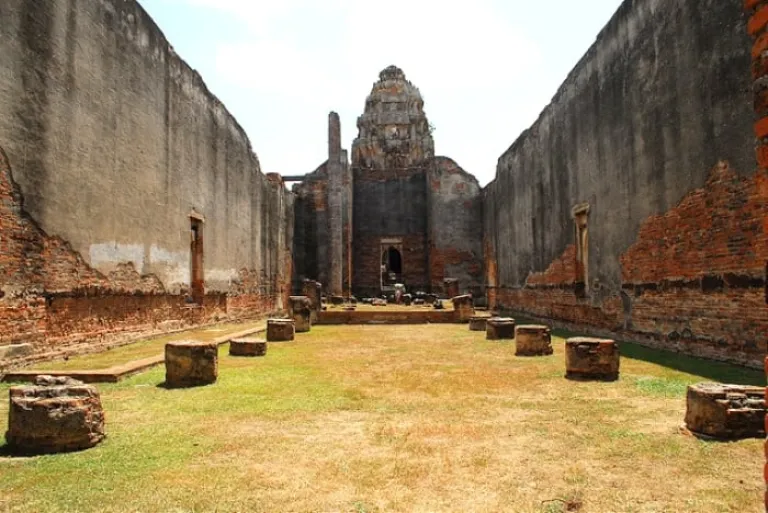
Image credit: Thanate Tan
Phrang Khaek
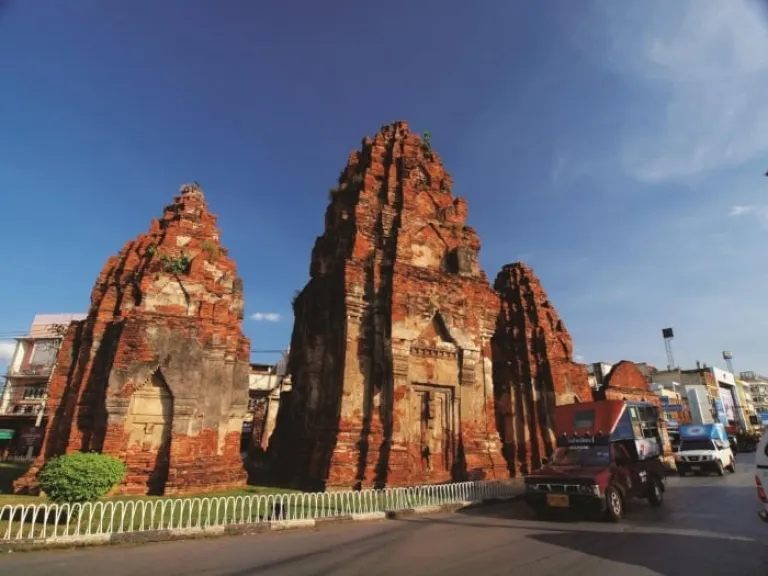
Image credit: Painaidii
King Narai’s Palace
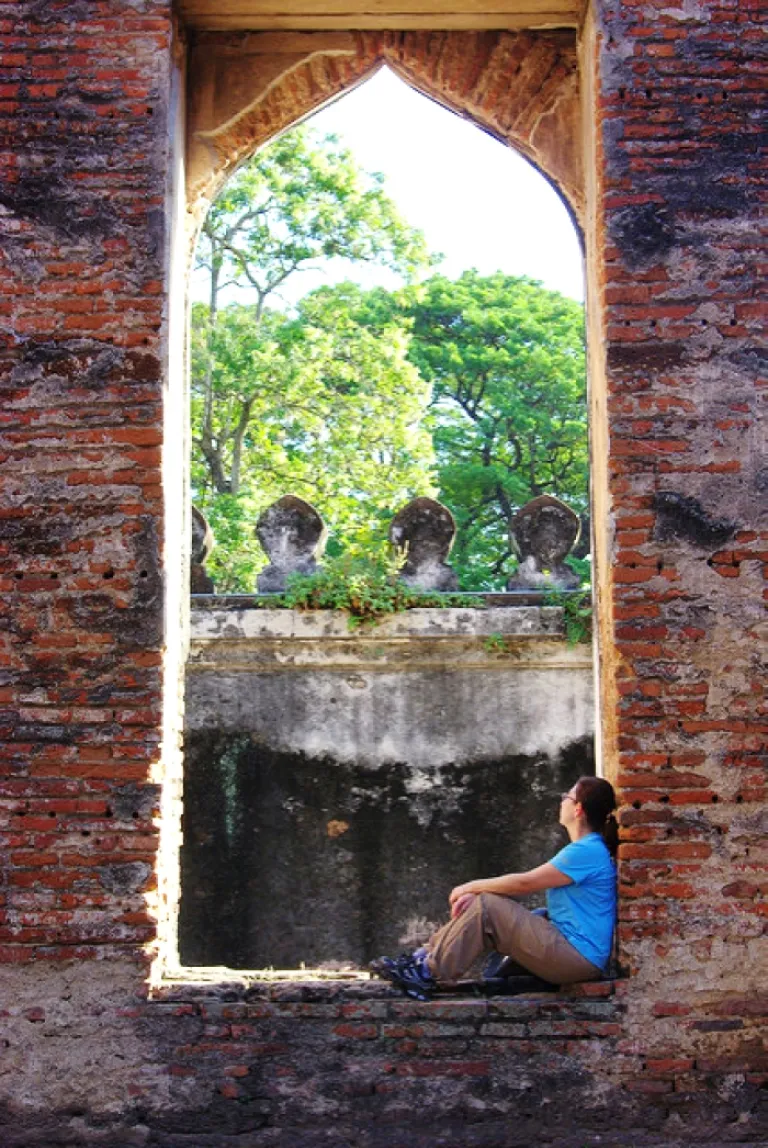
Image credit: Adam Baker
3. Lampang
If Ayutthaya is known for its ancient ruins, Lampang is known for its artistic and beautiful temples.
Lampang is often overlooked as a place to pass through on the way north. However, its Lanna and Burmese-influenced temples, traditional wooden buildings, ceramics and riverside neighbourhoods make it worth an overnight stop.
Lampang is approximately six to eight hours by train from Lopburi, depending on the service and current timetable, so you may want to take an early train trip.
Below are a few places to discover while you are in Lampang:
Lampang Old Town
When in Lampang, one of the city’s most recognisable experiences is riding a horse-drawn carriage around the old town.
Carriages can usually be found around central areas and major attractions, although availability and routes vary. Agree on the duration and price before setting off, and avoid scheduling the ride during the hottest part of the day.
What makes the ride even more exciting is that you can actually do temple-hopping around town!
Several central temples can be included in a city route, but Wat Phra That Lampang Luang lies outside the city and requires a separate road journey rather than a short carriage ride.
Here are some of the temples that will make you feel like you are exploring another side of northern Thailand.
Wat Rong Muang
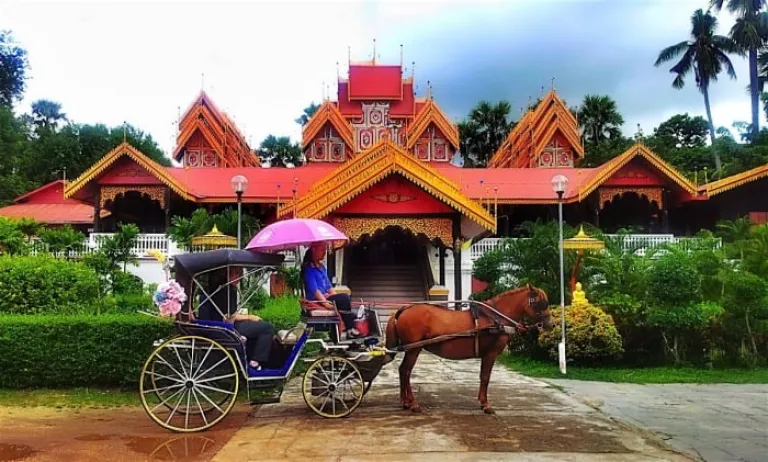
Wat Pongsanook Tai
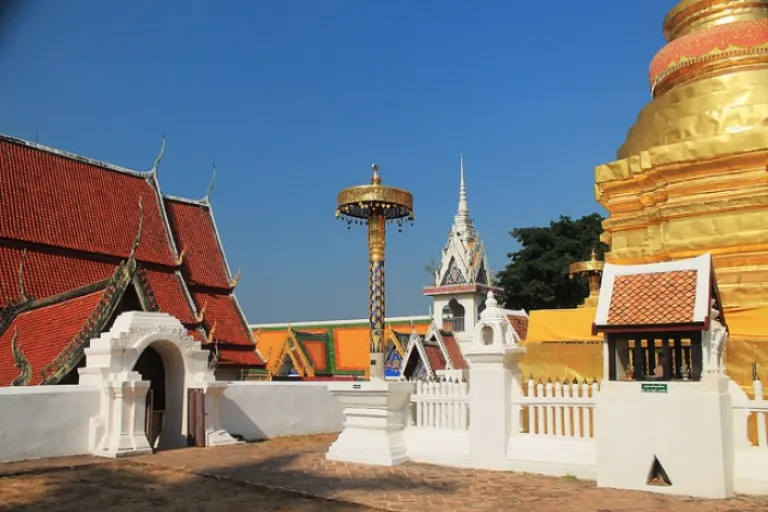
Image credit: Robert Wilson
Wat Phratat Lampang Luang
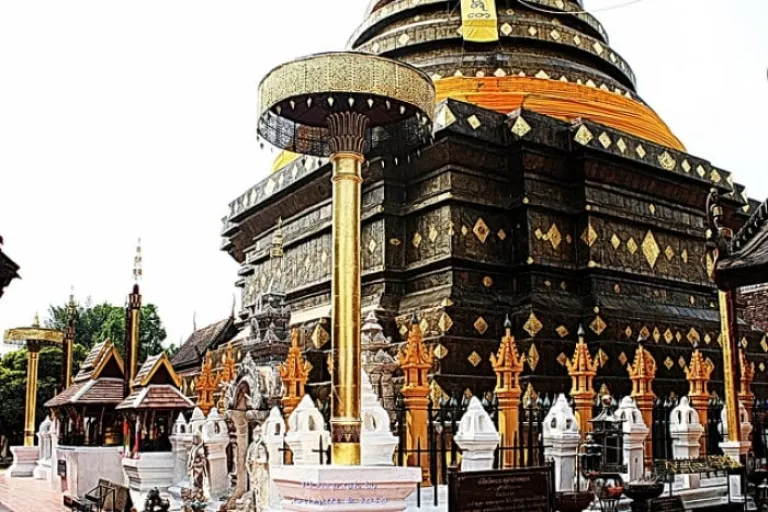
Image credit: ol’pete
Wat Chedi Sao Lang
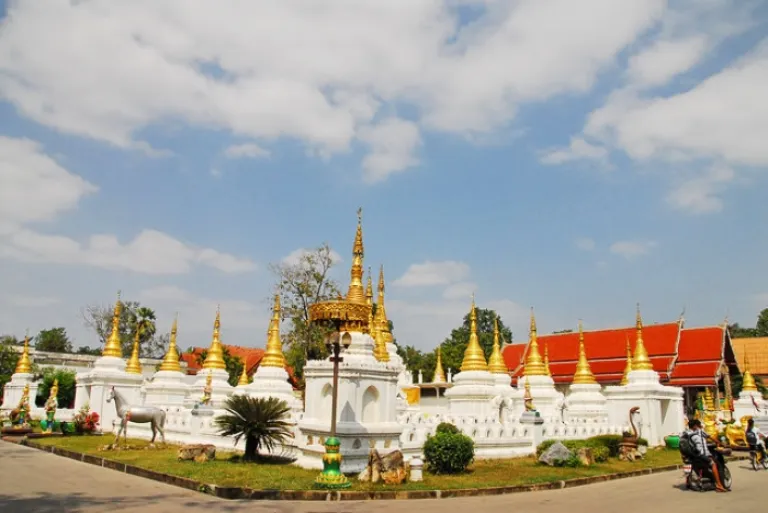
Image credit: Thanate Tan
Kad Kong Ta Walking Street Market
If you do decide to visit Lampang, make sure to do it on the weekends. This is when the street markets come to life!
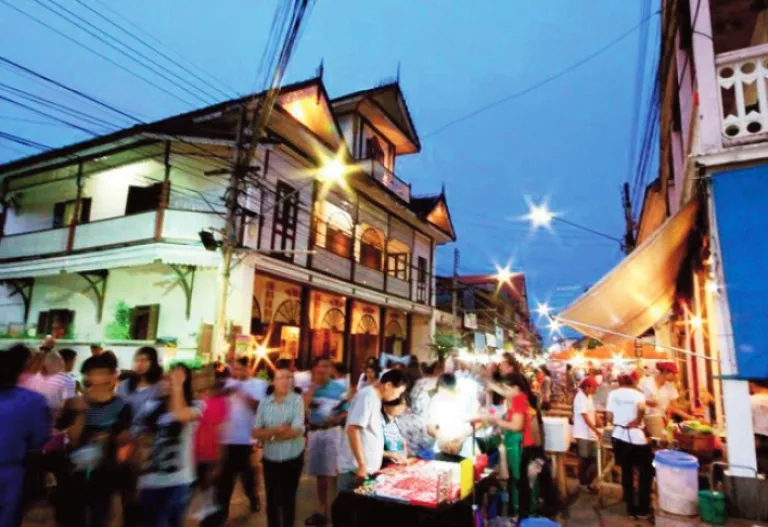
Every Saturday and Sunday from 5pm to 10pm, Talat Kao Road in the old town transforms into a busy walking street filled with all kinds of wonders.
The night lighting and the classic wooden house architecture along the two sides of the walking street give the market a special touch.
Here you can walk, shop and eat. There will be plenty of local food and desserts to taste, souvenirs and handmade novelties to shop for. You will also find coffee shops, guesthouses and art galleries.
It is definitely a memorable way to spend the evening!
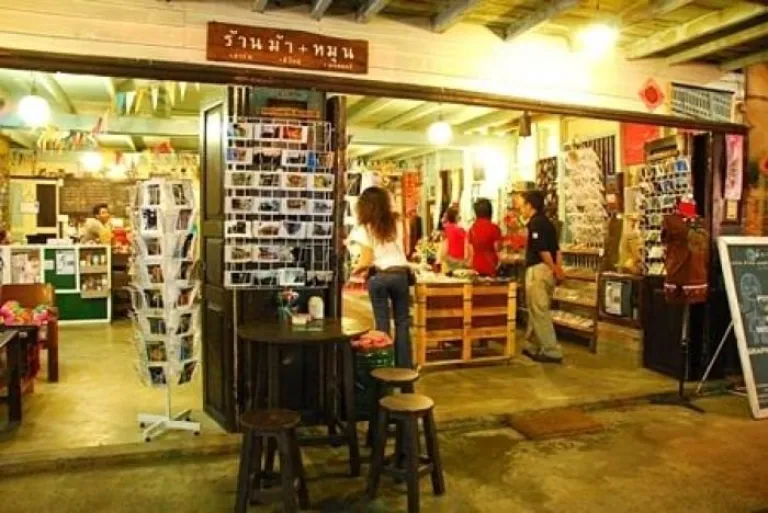
Destination: Chiang Mai
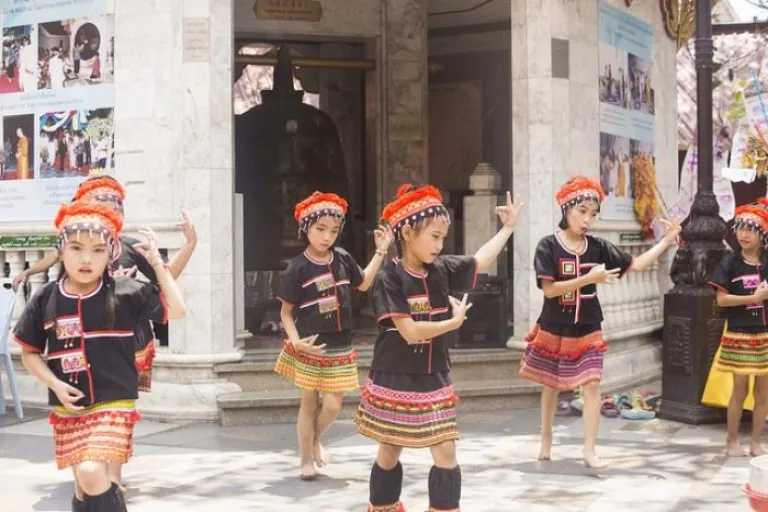
Image credit: Tetsushi Kimura
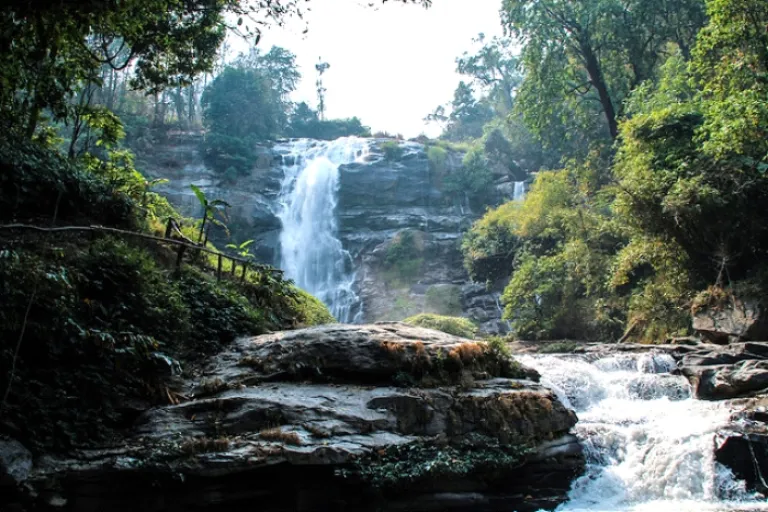
Image credit: Junge
Ladies and gentlemen, we have reached our final stop!
Chiang Mai, a land filled with intriguing culture and stunning nature, is definitely worth a few days of exploration.
The best time to travel to Chiang Mai is from November to January, when the weather is generally at its coolest and driest. These are also popular months, so trains and accommodation may fill up earlier and cost more.
If you visit in November, you may be able to experience Loi Krathong and Yi Peng, two related but distinct festivals that are celebrated around the same period in Chiang Mai.
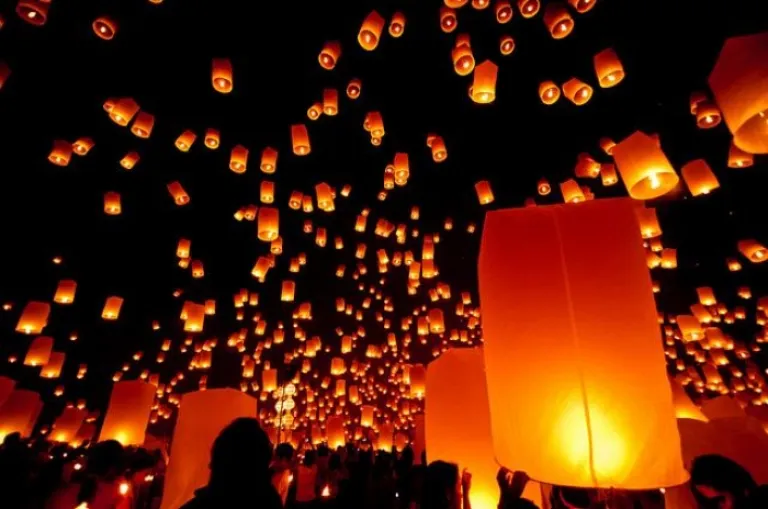
Image credit: Mark Fischer
Loi Krathong centres on floating decorated baskets on the water, while Yi Peng is a northern Thai tradition associated with hanging lanterns, religious ceremonies and, in authorised locations, the release of sky lanterns.
Do not assume that visitors can release lanterns anywhere in Chiang Mai. Sky lanterns are heavily regulated because of fire and aviation risks and may be prohibited in the city and other restricted districts. Join only an authorised event and follow the rules announced for that particular year.
Festival dates follow the lunar calendar and change annually, so verify the official programme before booking your journey specifically for the celebrations.
For your time in this city, here is a Chiang Mai itinerary that has already been excellently laid out for you by one of our writers. Be sure to check it out!
Whether you travel straight through overnight or turn the journey into a multi-day railway adventure, book each section carefully and leave room for possible delays. The stops along the Northern Line offer far more than scenery through a train window, from Ayutthaya’s former royal capital to Lampang’s quieter streets and Chiang Mai’s Lanna heritage.

About Author

A youngling in the travelling world, Syafiqaa hopes to see more of what the world has to offer. Her soul is drawn to nature, especially the seas. Syafiqaa studies Marine Biology and is crazy in love with the sea. She has been to several places in the Southeast Asia and hopes to reach Europe someday soon.