
7 Unforgettable Sento Experiences to Try in Tokyo, Japan
Explore Tokyo’s sento culture through seven public bathhouses, from historic local baths to stylish modern retreats.
For many travellers, bathing in Japan brings to mind remote onsen resorts surrounded by mountains. Yet in neighbourhoods across the country, sento public bathhouses offer an equally memorable way to experience Japanese bathing culture. Originally created for local residents who did not have baths at home, sento have long served as places where communities gather, unwind and connect.
Today, these bathhouses range from traditional establishments decorated with murals of Mount Fuji to renovated spaces featuring stylish interiors, cafés and saunas. Unlike natural onsen, sento usually heat ordinary tap water, but they follow many of the same bathing customs and provide a more accessible glimpse into everyday life in Japan.
Also read: A Guide to Onsens in Japan for Singaporean First-Timers
1. Kosugiyu
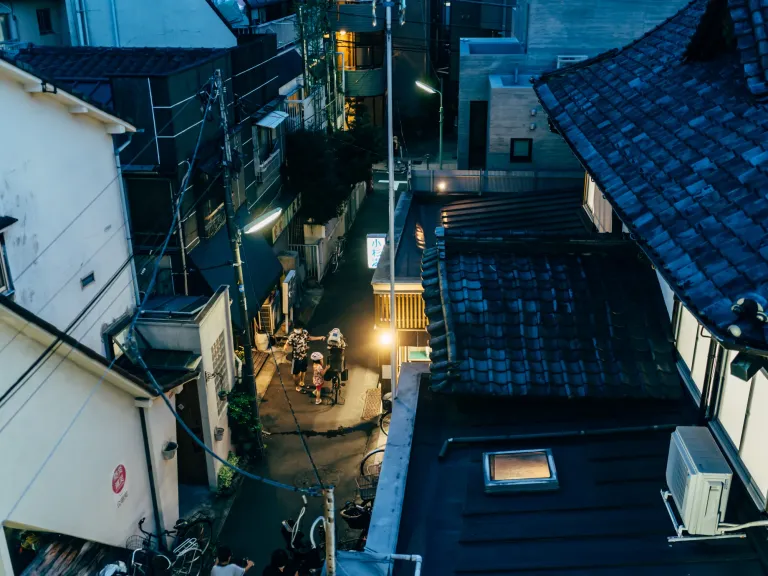 Image credit: Kosugiyu Official Website
Just ten minutes by train from Shinjuku Station, Kōenji is one of Tokyo’s most distinctive neighbourhoods, known for its retro shopping streets, vintage shops, independent cafés, theatre, art and lively Awa Odori festival. At the heart of this eclectic district is Kosugiyu, a historic sento founded in 1933.
Its shrine-inspired exterior is designated as a Registered Tangible Cultural Property, while the bathhouse interior features a classic Mount Fuji mural, giving Kosugiyu the unmistakable atmosphere of a long-established Tokyo public bath. Yet it is also known for its innovative approach. Under third-generation owner Yusuke Hiramatsu, often described as “a person like a bath who brings people together”, Kosugiyu regularly hosts events and collaborations with companies and local creatives.
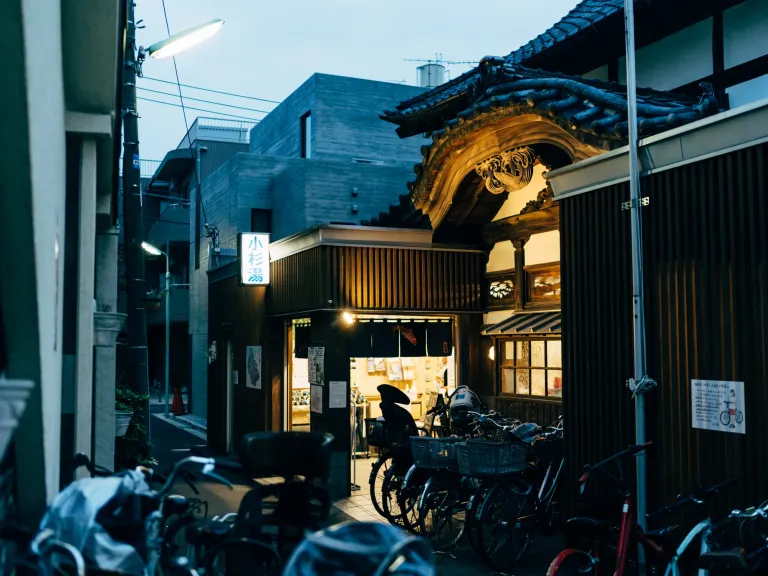 Image credit: Kosugiyu Official Website
Despite these modern initiatives, its most important principle remains unchanged: to keep the bathhouse thoroughly clean, comfortable and welcoming enough for people to visit every day. It can become busy soon after opening, but the bathing area still feels calm and friendly. Locals soak, talk and unwind with relaxed expressions, creating an atmosphere that is difficult to put into words. For travellers, Kosugiyu offers not only a bath, but also a genuine glimpse into Kōenji’s community spirit.
Address: 3-32-17 Koenji Kita, Suginami-ku, Tokyo
Tel: 03-3337-6198
Opening hours: 3.30pm–1.30am; 8am–1.30am on Saturdays, Sundays and public holidays
Closed: Thursdays
Admission: ¥500 for adults
2. Koganeyu
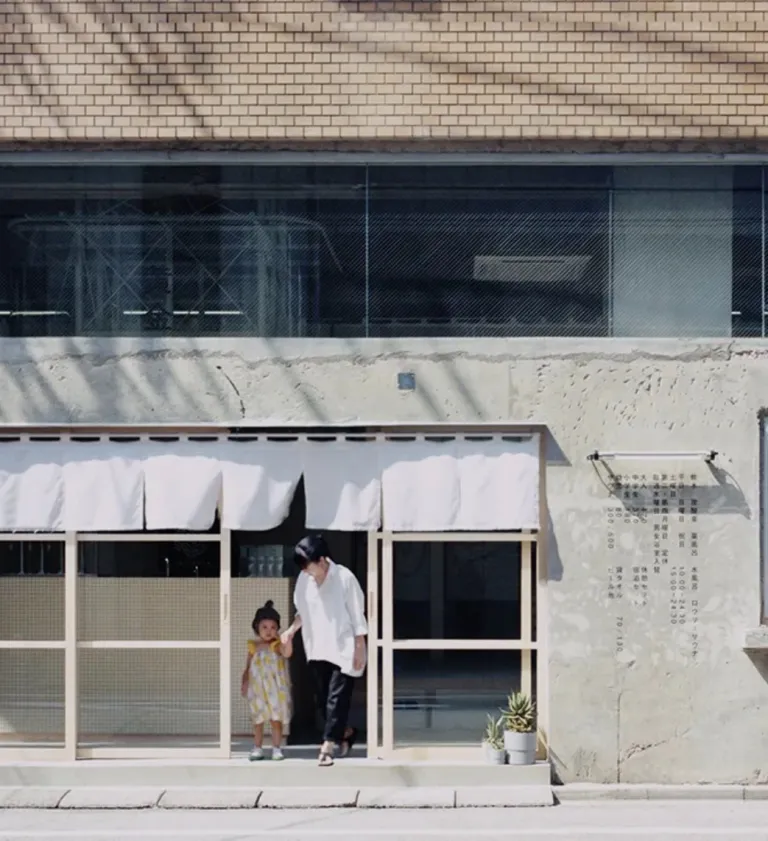 Image credit: Koganeyu Official Website
Founded in 1932 in Sumida, Koganeyu has served the local community for nearly a century. In 2020, the historic sento underwent a complete renovation under the owners of its sister bathhouse, Daikokuyu, which is known for its overnight opening hours and spacious open-air bath overlooking Tokyo Skytree.
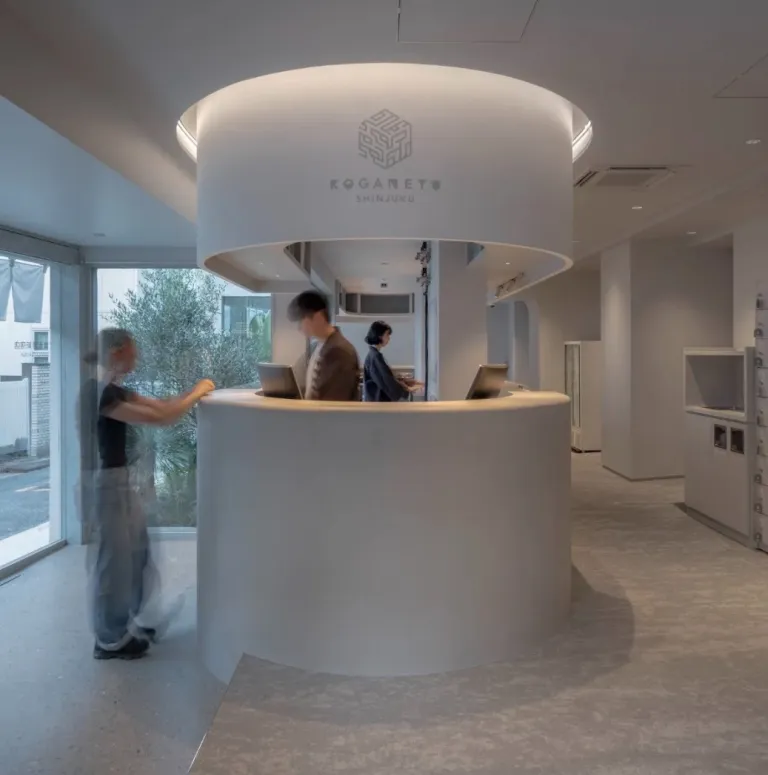 Image credit: Koganeyu Official Website
The redesign preserves the familiar atmosphere of a traditional public bath while introducing a more contemporary experience. Particular attention has been paid to the water quality, while new features include a reception counter combined with a beer bar, a maifan-stone sauna, a 90-centimetre-deep cold bath and colourful bathhouse murals created by artists. Guests with tattoos are also welcome, making Koganeyu more accessible to international travellers.
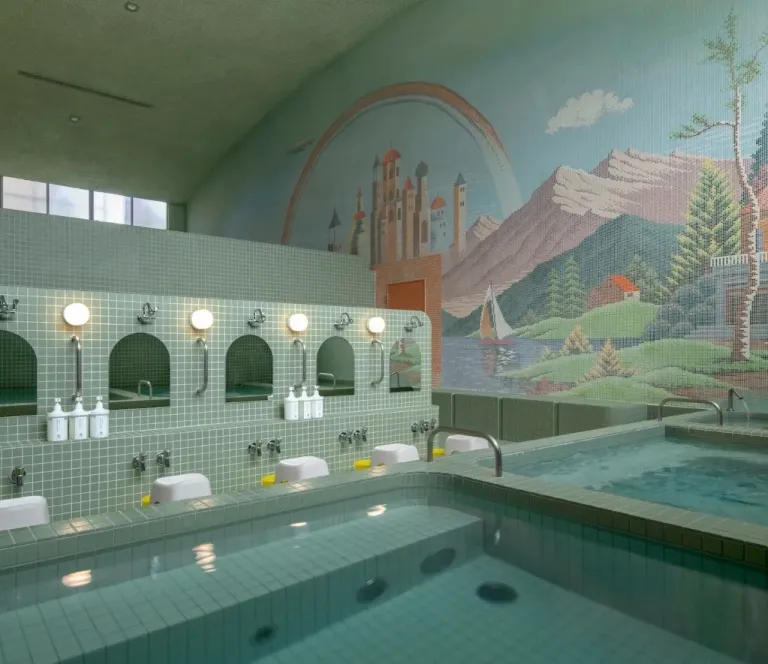 Image credit: Koganeyu Official Website
The bathhouse is located a seven-minute walk from Kinshicho Station in Sumida, an area known for traditional craftsmanship and cultural attractions such as Ryogoku Kokugikan and the Sumida Hokusai Museum. Cash and PayPay are accepted for bathing and sauna admission, while credit cards can be used for other purchases. Common bathing tickets, however, must be paid for in cash. With Kinshi Park and several shopping centres nearby, Koganeyu is a convenient place to unwind after sightseeing, exercise or a day exploring eastern Tokyo.
Address: 4-14-6 Taihei, Sumida-ku, Tokyo 130-0012, Japan
Opening hours: 6am–9am and 11am–12.30am daily
Closed: Second and fourth Mondays of each month
Admission: Adults: ¥550 for 90 minutes Junior high school students: ¥450 Primary school students: ¥200 Young children: ¥100
Additional charges:
Sauna on weekdays: Women +¥350 / Men +¥550 for two hours
Sauna on Saturdays, Sundays and public holidays: Women +¥400 / Men +¥600 for two hours
Rental towel set: +¥200
3. Komaeyu
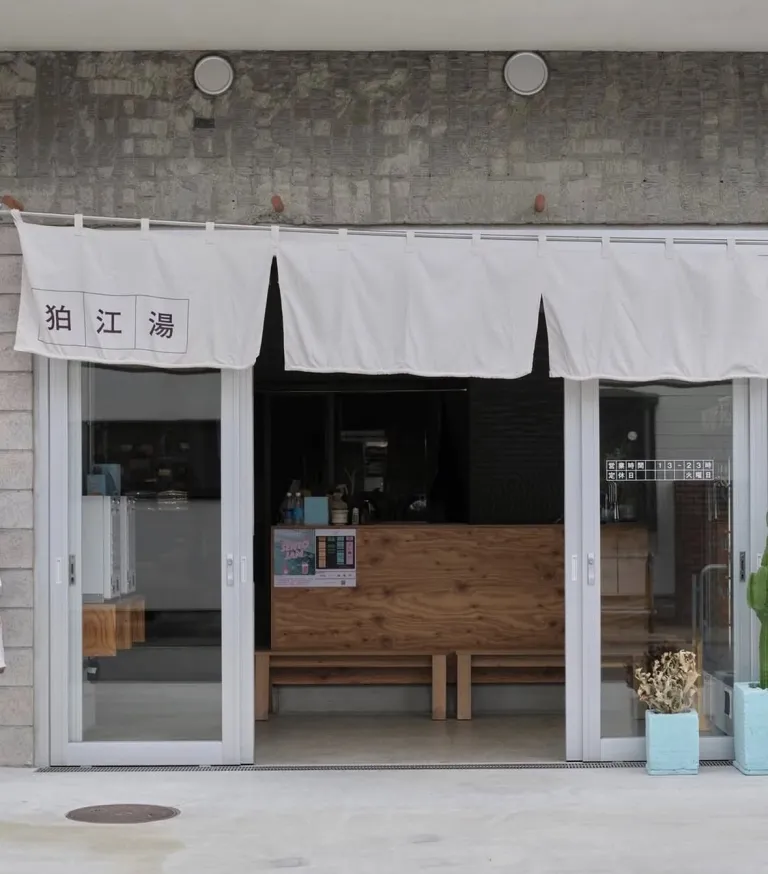 Image credit: Komaeyu Official Instagram
Founded in 1955, Komaeyu is a neighbourhood sento in Komae, Japan’s second-smallest city by area. As private bathrooms became common in Japanese homes, its owners began reconsidering what role a public bathhouse should play in the future. Determined to keep Tokyo’s sento culture alive, they commissioned Jo Nagasaka of Schemata Architects to lead a major renovation.
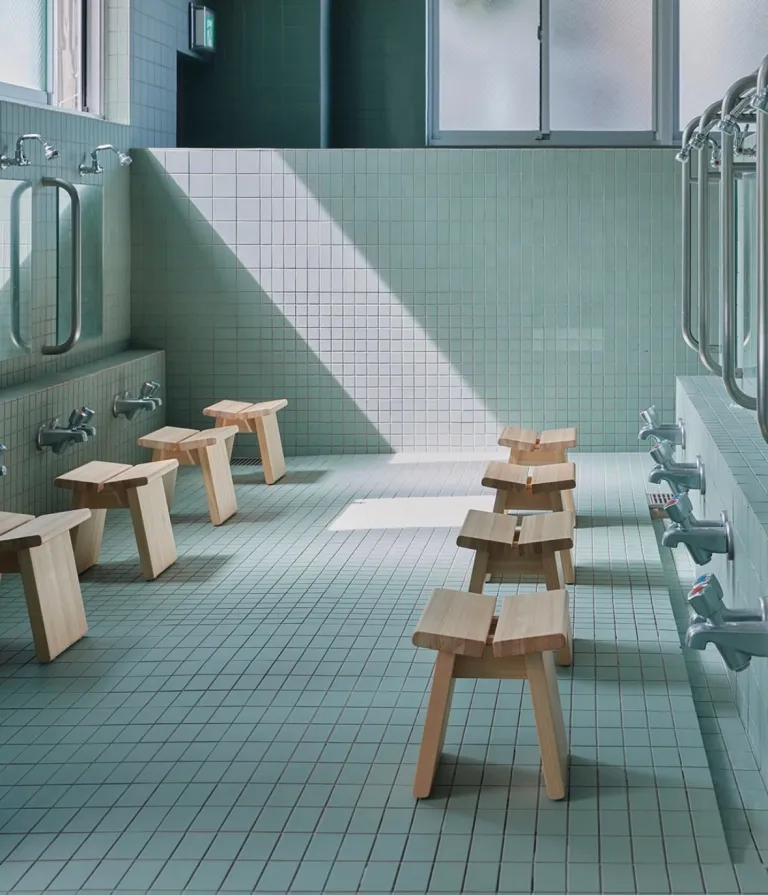 Image credit: Komaeyu Official Instagram
Komaeyu reopened on 28 Apr 2023 as a modern community space while retaining the welcoming atmosphere of a traditional bathhouse. Its facilities include hot jet baths, a gently heated high-concentration carbonated bath and an auto-löyly sauna lined with heat-radiating maifan stone. Guests can also cool down in a cold bath filled with Komae’s mineral-rich natural water, sourced from an area shaped by underground flows from the Tama River and nearby springs.
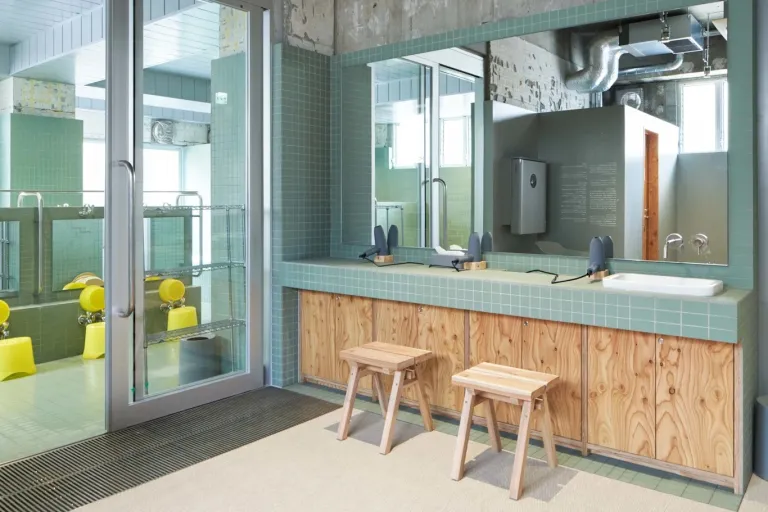 Image credit: Komaeyu Official WebsiteAfter bathing, visitors can rest in the indoor relaxation area or enjoy craft beer and casual food at the adjoining SIDE STAND café-bar. Shampoo, conditioner, body wash and hairdryers are provided free of charge, and guests with tattoos are welcome. Regular markets and events further strengthen its role as a local gathering place. There is no car park, so visitors should arrive by public transport, although bicycle and motorcycle parking is available.
Address: 1-12-6 Higashi-Izumi, Komae-shi, Tokyo 201-0014
Tel: 03-3489-3881
Opening hours: 1pm–11pm
Closed: Tuesdays
Admission: ¥550 for adults
4. Kairyou-yu
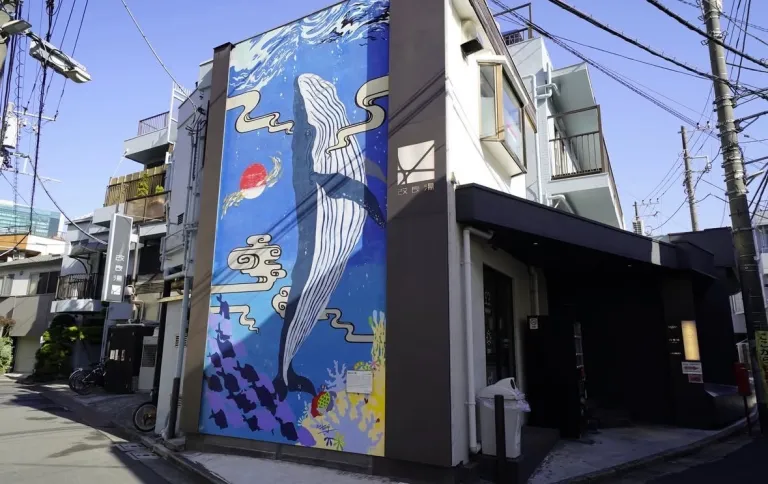 Image credit: Kairyou-yu Official Instagram
Located in Shibuya, Kairyou-yu is a modern sento that combines traditional public bathing with a contemporary focus on comfort, wellbeing and design. When the bathhouse was renovated, one of its main target groups was women in their twenties and thirties, leading to several changes intended to create a gentler and more appealing bathing experience.
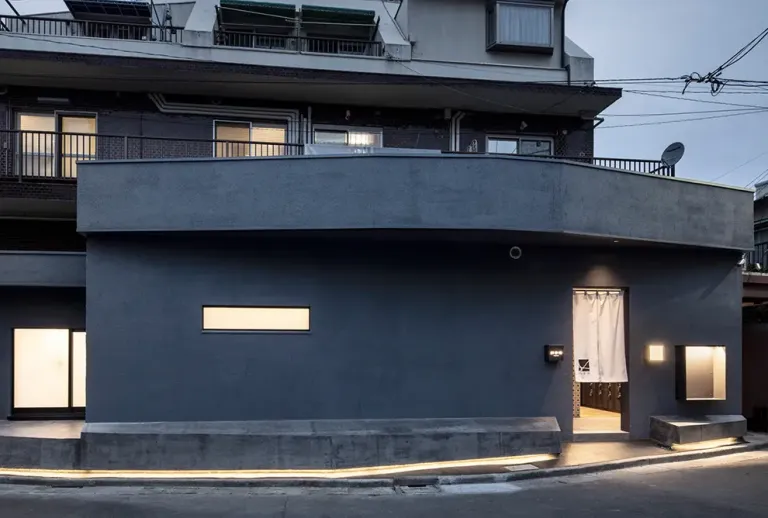 Image credit: Kairyou-yu Official Website
Most notably, Kairyou-yu introduced a water-softening system. The bathhouse had previously relied mainly on well water, but the new system removes hardness-causing minerals and produces softer water that feels milder on the skin. This soft water is used throughout the facilities, including the medium-temperature bath, carbonated bath, cold bath and even the showers.
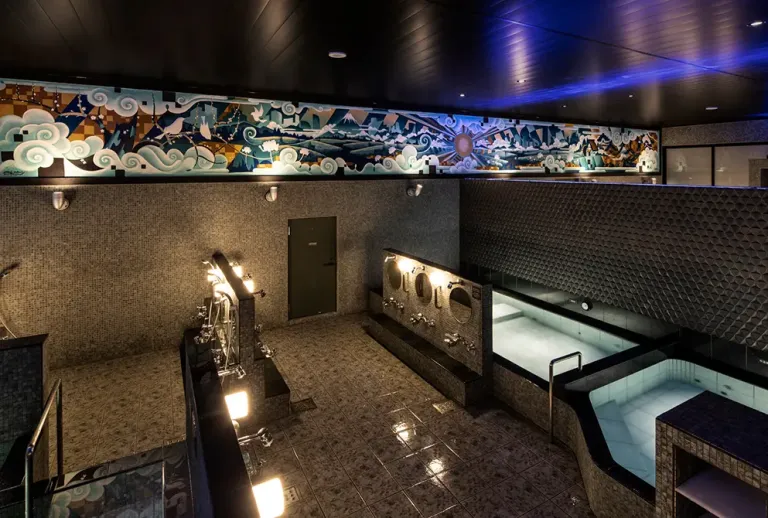 Image credit: Kairyou-yu Official Website
Soft water also allows soap and shampoo to lather more easily and may leave the hair and skin feeling less dry or tight after bathing. Its ionic balance is similar to that found in sodium-rich hot springs, commonly known in Japan as “beauty baths”, giving the water a smooth and comfortable feel.
Although the renovation was designed with younger women in mind, these benefits can be enjoyed by all visitors. Together with its sauna and urban location, Kairyou-yu offers a relaxing way to refresh both body and mind in the heart of Shibuya.
Address: 2-19-9 Higashi, Shibuya-ku, Tokyo
Tel: 03-3400-5782
Opening hours: 3pm–12.30am from Monday to Friday; 1pm–11pm on Sundays and public holidays
Closed: Saturdays
Admission: ¥550 for adults, Last admission is 30 minutes before closing.
5. Bunkayokusen
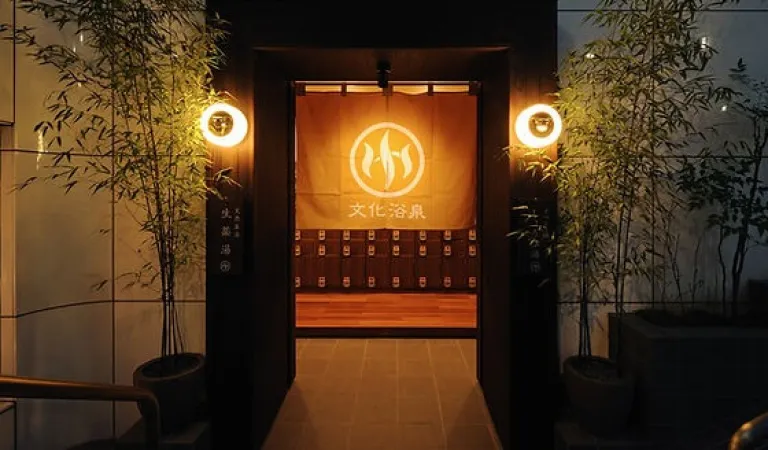 Image credit: Bunkayokusen Official Website
Founded in 1928, Bunkayokusen is a stylish neighbourhood sento that combines traditional Japanese bathing culture with refined contemporary design. Its renovated interior was created by architect Kentaro Imai, giving the bathhouse an elegant, almost hotel-like atmosphere.
Guided by the concept of “SLOW”, Bunkayokusen was designed as a place where guests can relax without feeling rushed. Jazz music plays throughout both the lobby and bathing area, creating a calm environment that feels far removed from the busy streets of Tokyo.
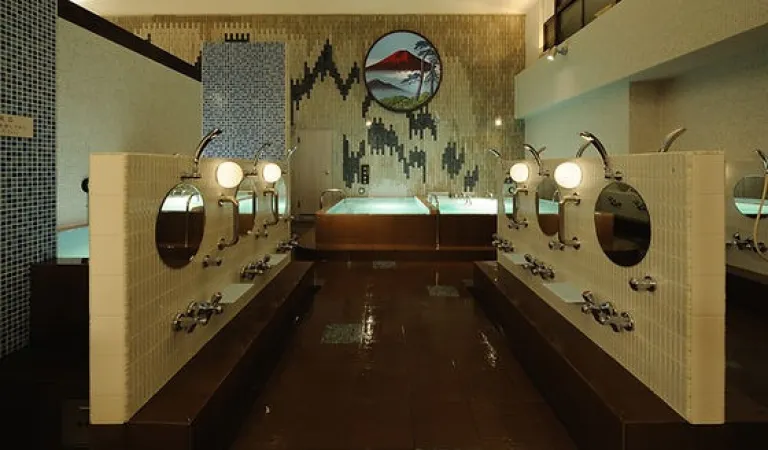 Image credit: Bunkayokusen Official Website
The centrepiece of the bathhouse is a striking circular Mount Fuji mural painted by specialist sento artist Morio Nakajima. Its modern composition offers a fresh interpretation of one of the most familiar features of a traditional Japanese public bath.
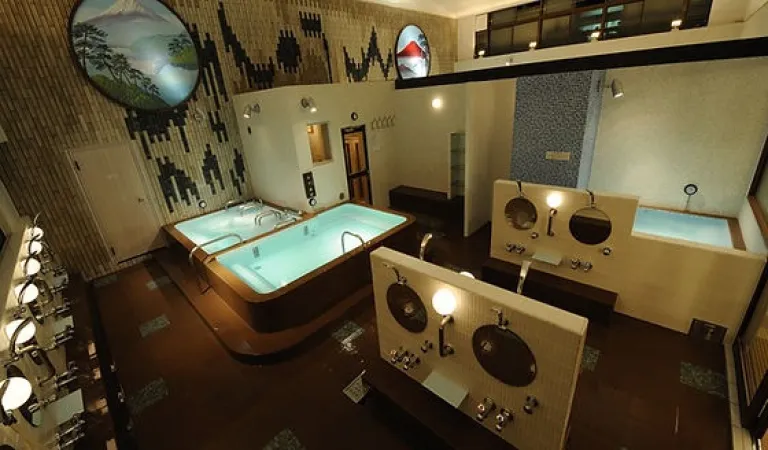 Image credit: Bunkayokusen Official Website
Another highlight is the nano-yu bath, which contains large numbers of ultra-fine nano-bubbles. These tiny bubbles create a soft, soothing bathing sensation and help the water feel pleasantly warm against the skin. Although wider health benefits associated with nano-bubbles continue to be studied, the bath is popular with visitors of all ages for its comfort and relaxing feel.
Together with its soft-water baths and carefully designed sauna, Bunkayokusen offers a polished urban retreat where tradition, art, music and modern bathing facilities come together.
Address: 3-6-8 Higashiyama, Meguro-ku, Tokyo 153-0043
Tel: 03-3792-4126
Opening hours: 2pm–1am on Mondays, Tuesdays, Thursdays and Fridays; 10am–12 midnight on Saturdays and Sundays
Closed: Wednesdays
Admission: ¥550 for adults
Last admission is 30 minutes before closing.
6. Hisamatuyu
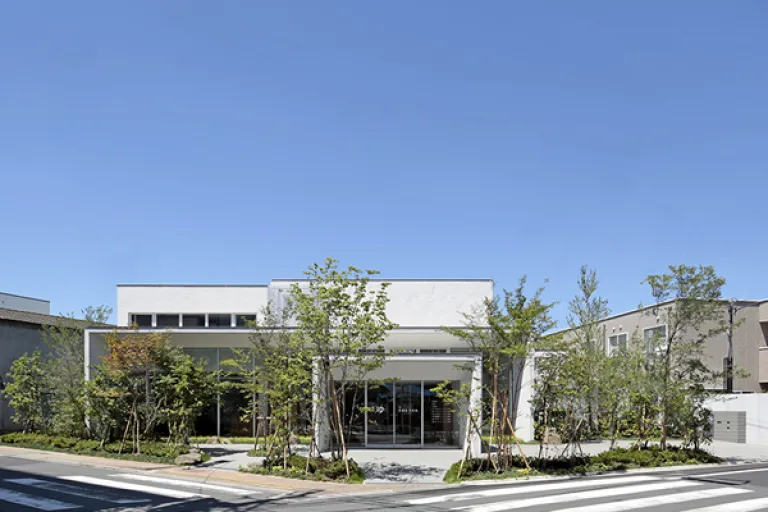 Image credit: Hisamatuyu Official Website
Hisamatsuyu was founded by Kyumatsu Kazama, who left his job at a major manufacturing company to create both a public bathhouse and a gathering place for the local community. That role continues today, even after the sento reopened in May 2014 with a striking contemporary design.
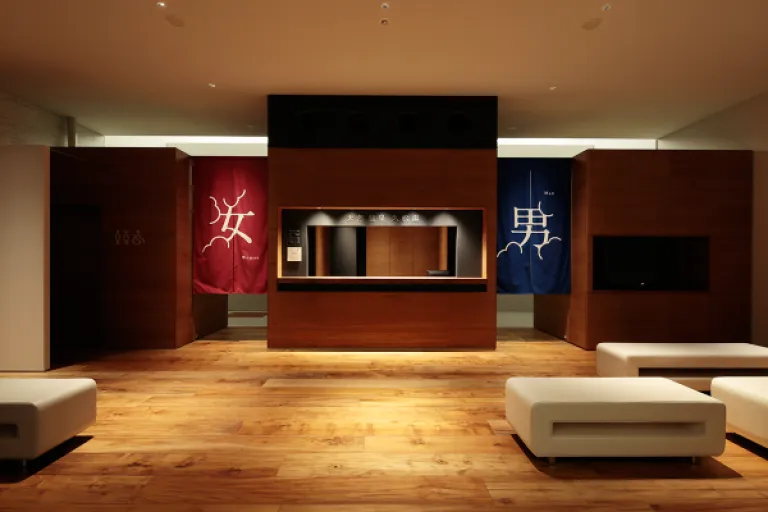 Image credit: Hisamatuyu Official Website
During the renovation, workers drilled approximately 1,500 metres underground and discovered a highly saline sodium chloride spring. The natural hot-spring water now fills the open-air baths in both the men’s and women’s areas.
Designed around the concept of “light, wind and a bathhouse in a woodland setting”, Hisamatsuyu feels more like an art museum than a conventional Tokyo sento. Its spacious entrance is bright and calm, while the changing rooms feature a striking contrast between white walls and warm wooden surfaces. Courtyards, outdoor areas and a movable skylight bring natural light and views of the sky into the building, creating the impression of bathing close to nature.
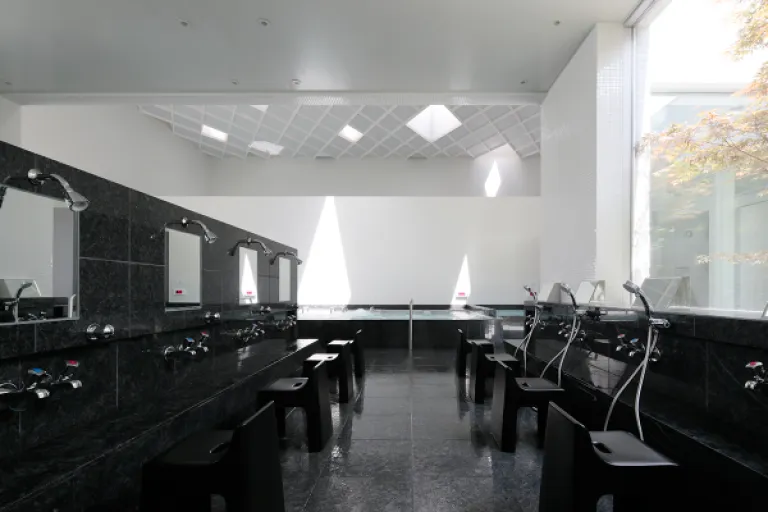 Image credit: Hisamatuyu Official Website
Projection mapping also casts shifting patterns of light across the bathing area, although it may not operate when steam or condensation affects visibility. Combining natural hot-spring water, refined architecture and a strong community spirit, Hisamatsuyu offers an unusually stylish yet accessible bathing experience.
Address: 4-32-15 Sakuradai, Nerima-ku, Tokyo
Tel: 03-3991-5092
Opening hours: 11am–11pm
Closed: Tuesdays
Admission: ¥550 for adults, Last admission is at 10.30pm.
7. Akebonoyu
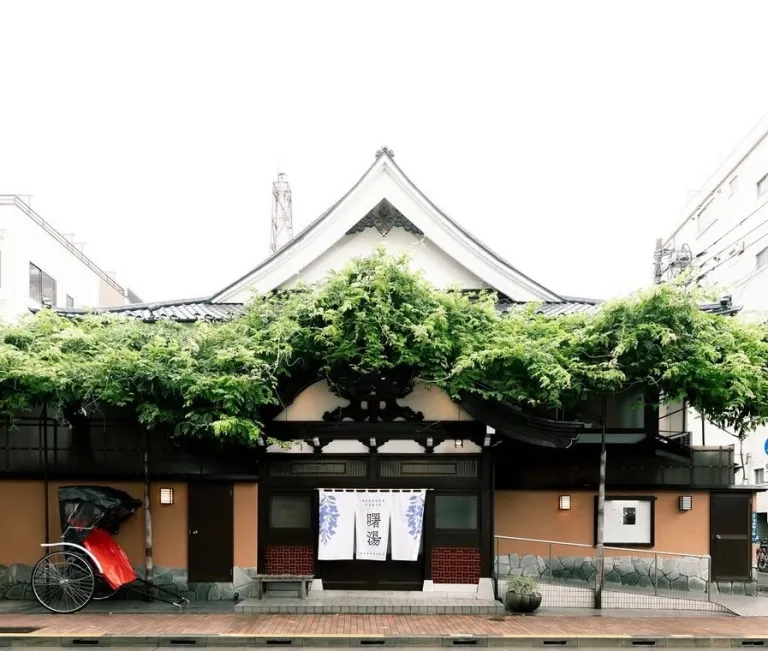 Image credit: Akebonoyu Official Instagram
Built shortly after the Second World War, Akebonoyu has long supported the bathing culture of its Asakusa neighbourhood. Its historic building has now been officially recognised as one of the Tokyo Metropolitan Government’s Selected Historic Buildings, acknowledging both its architectural character and its importance to the local community.
The bathhouse is moving forward under the concept of “heating up culture alongside the bathwater”. Rather than simply preserving the past, Akebonoyu aims to connect its history with the future by bringing together sento culture, Japanese craftsmanship and the traditions of the surrounding neighbourhood.
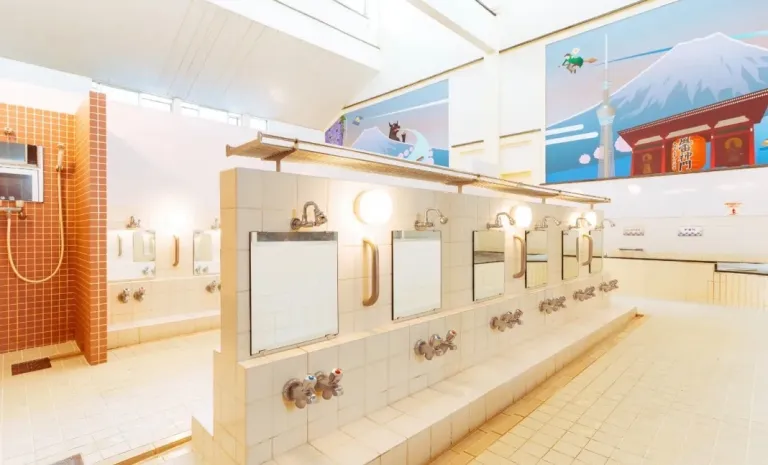 Image credit: Akebonoyu Official Website
Inside, the high-ceilinged bathing area retains the atmosphere of a classic shitamachi sento. The water is kept slightly hotter than average, leaving a pleasant warmth that continues after bathing. Another highlight is the silky bath, where ultra-fine bubbles create a smooth, soothing sensation.
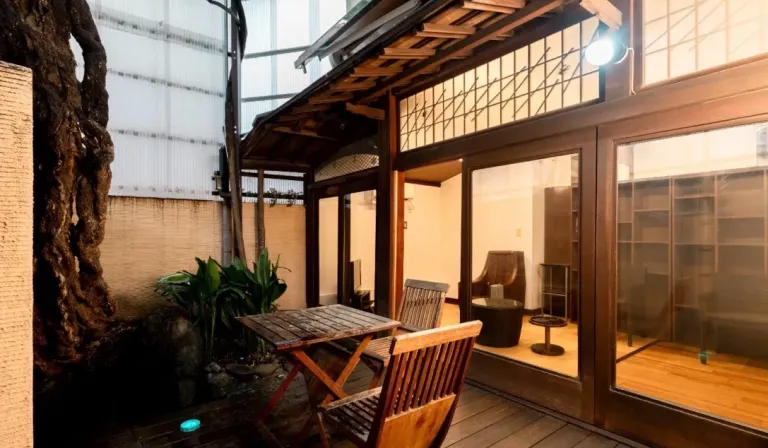 Image credit: Akebonoyu Official Website
Visitors can also relax with a drink in the peaceful rest area. In early May, the historic wisteria growing on the grounds comes into full bloom, adding seasonal beauty to the experience. By remaining clean, comfortable and welcoming, Akebonoyu continues to be a place where visitors can bathe, recharge and leave feeling ready to face another day.
Address: 4-17-1 Asakusa, Taito-ku, Tokyo 111-0032
Tel: 03-3873-6750
Opening hours: 6am–9am and 11am–1am on weekdays; 6am–1am on Saturdays, Sundays and public holidays
Closed: Second Tuesday of each month
Admission: ¥550 for adults and junior high school students
So there you go, a list of unforgettable sento experiences in Tokyo, Japan that you can try. Whether you are looking to relax after a day of sightseeing or experience a side of the country that many visitors overlook, Japan’s sento is well worth adding to your itinerary.

About Author
Tomohiro is passionate about movies and enjoys spending his time watching baseball games and connecting with new people through conversation. He has a sociable personality and loves learning about different perspectives and cultures. On his days off, he often travels across various parts of the UK, exploring new towns, landscapes, and local experiences while planning his next journey.