
10 Day Trips from Tokyo for Nature Lovers
Escape the hustle and bustle of Tokyo by making a day trip to these stunning locations in the surrounding prefectures.

Tokyo’s energy is one of its greatest attractions. Yet after several days of busy railway stations, neon-lit streets and tightly packed neighbourhoods, even the most enthusiastic city traveller may start craving open space.
Fortunately, escaping into nature does not require abandoning Tokyo altogether. Mountains, lakes, coastlines, flower gardens and riverside trails can all be reached on a day trip from the capital.
Some destinations are easy enough for a relaxed morning departure, while others reward travellers willing to start early and navigate a few transfers. Wherever you choose, check transport schedules and weather conditions before setting off.
Here are 10 of the best nature-filled day trips from Tokyo.
1. Nikko National Park
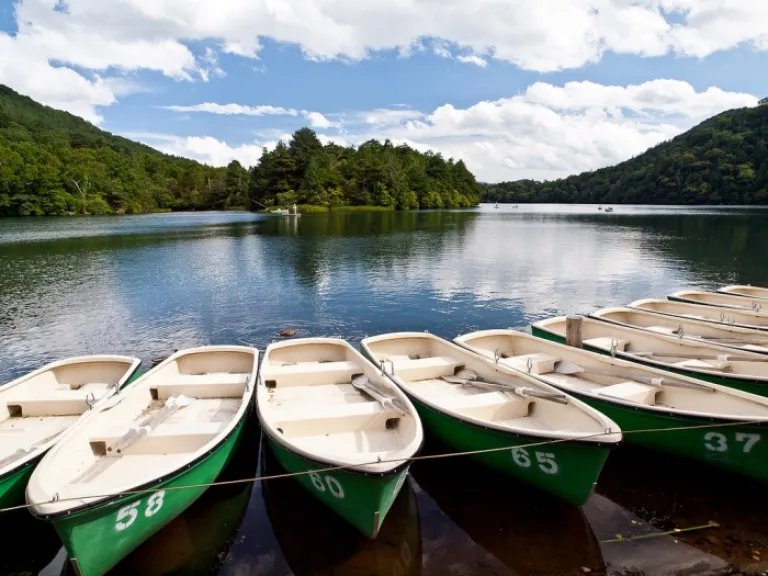
Image credit: Gustavo Jeronimo
Nikko brings together elaborate temples, forested mountains and some of the Kanto region’s most impressive natural scenery.
Most first-time visitors begin around the UNESCO-listed shrines and temples, including Nikko Toshogu. The richly decorated complex sits among towering cedar trees, creating an unusual combination of architecture and nature.
However, the wider Nikko National Park stretches far beyond the central heritage district. Deeper into the mountains, the Okunikko area contains Lake Chuzenji, Kegon Falls, Senjogahara Marshland and Yumoto Onsen.
A day trip involving the shrines, Lake Chuzenji and Kegon Falls is possible with an early start, but trying to add long hikes around Senjogahara can make the schedule rushed. Travellers primarily interested in nature may want to bypass some of the central temples or stay overnight.
How to get there
Limited express trains run from Asakusa towards Tobu-Nikko, while JR services connect Tokyo with Nikko through Utsunomiya. From the stations, buses travel to the temple district and onward towards Lake Chuzenji and Okunikko.
Journey times vary considerably depending on your chosen train and how far into the national park you intend to travel.
Best time to visit
Nikko is especially popular during autumn, when foliage spreads gradually from the higher elevations towards the town. Spring and summer are better suited to hiking, while winter brings snow and possible transport disruption.
2. Kairaku-en
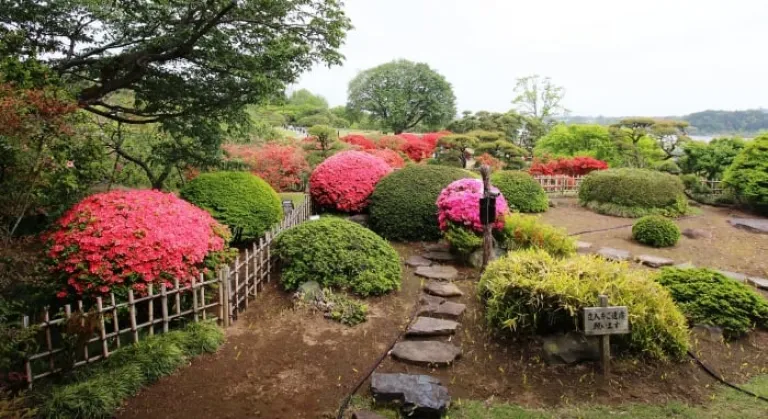
Image credit: OZinOH
Located in Mito, Kairakuen is recognised as one of Japan’s three great landscape gardens.
The garden was established in 1842 by Nariaki Tokugawa, the ninth feudal lord of the Mito Domain. Unlike gardens created primarily for a ruling elite, Kairakuen was designed to be enjoyed more broadly, a principle reflected in its name.
Its greatest seasonal attraction is the extensive plum grove. Around 3,000 trees from approximately 100 varieties produce white, pink and red blossoms from winter into early spring.
Beyond the plum trees, visitors can explore a bamboo grove, cedar woods and Kobuntei, a traditional building overlooking the garden. Nearby Lake Senba has a roughly three-kilometre walking and jogging path, making it easy to extend the visit into a more substantial day outdoors.
Despite claims in older guides, Kairakuen itself is not an amusement park and does not have a Ferris wheel or roller coaster.
How to get there
Take a limited express train from Tokyo or Ueno to Mito Station. From there, continue by bus or walk for approximately 20 to 25 minutes.
During the annual plum-blossom season, selected trains may stop at the temporary Kairakuen Station on certain days.
Best time to visit
The plum blossoms usually provide the main spectacle from February into March. The garden remains attractive throughout the year, but travellers visiting outside the flowering season should combine it with Lake Senba, Kodokan or another Mito attraction.
3. Hakone
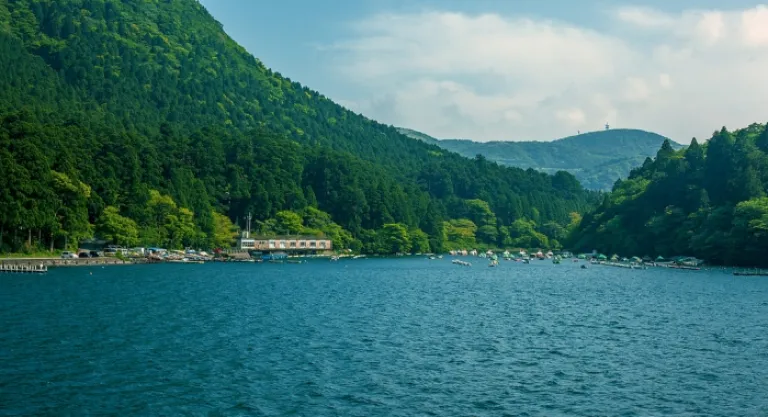
Image credit: Israel González.
Hakone is one of the most popular mountain escapes from Tokyo, and with good reason.
The region’s classic sightseeing circuit passes through forested valleys, volcanic terrain and the shores of Lake Ashi. Visitors can ride the Hakone Ropeway over the steaming landscape around Owakudani, cruise across the lake and stop at Hakone Shrine near the water.
On clear days, Mount Fuji may appear beyond Lake Ashi. Visibility is never guaranteed, however, and the mountain is frequently hidden by haze or clouds, particularly during warmer months.
Owakudani’s renovated observation area, Earth Valley, opened in 2025 with platforms overlooking the valley’s exposed rock and fumaroles. Access can still be restricted during volcanic activity, strong winds or transport disruption.
Finish the day with a soak at a public hot spring before returning to Tokyo, or stay overnight if you prefer to experience the area at a slower pace.
How to get there
The Odakyu Romancecar runs directly from Shinjuku to Hakone-Yumoto in approximately 90 minutes. Another option is to take the Tokaido Shinkansen or a regular train to Odawara and continue into Hakone.
The Hakone Freepass can be useful when completing the sightseeing circuit because it covers many local trains, buses, cable cars, ropeways and boats.
Best time to visit
Hakone can be visited throughout the year. Hydrangeas appear during the early summer rainy season, autumn brings colourful foliage and winter generally offers clearer views of Mount Fuji.
4. Ashikaga Flower Park
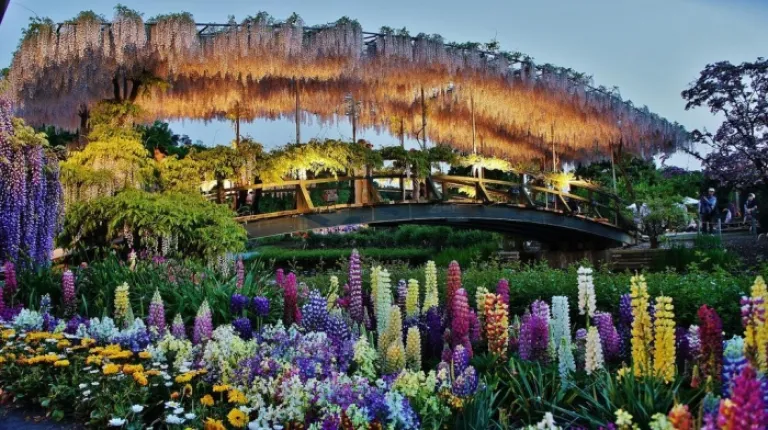
Ashikaga Flower Park is one of the most striking floral day trips within reach of Tokyo.
Its signature attractions are enormous wisteria trees whose hanging blossoms create curtains of purple, pink, white and yellow. During peak season, illuminated evening sessions reveal the flowers under dramatic lighting.
Wisteria receives most of the attention, but the park changes throughout the year. Visitors may encounter tulips, roses, hydrangeas, water lilies and other seasonal displays depending on the month.
During winter, the park hosts an extensive illumination event rather than relying solely on flowers.
Admission fees and operating hours vary according to the season and expected condition of the blooms. Always check the official flowering updates before travelling, as nature rarely follows a fixed calendar exactly.
How to get there
Take a train to Ashikaga Flower Park Station, located directly beside the attraction. Depending on your departure point and service, the journey from central Tokyo generally requires around 90 minutes to two hours.
Best time to visit
Wisteria typically blooms from mid-April into May, with exact peak dates varying annually. This is also the busiest period, so advance tickets and a weekday visit are worth considering.
5. Suruga Bay
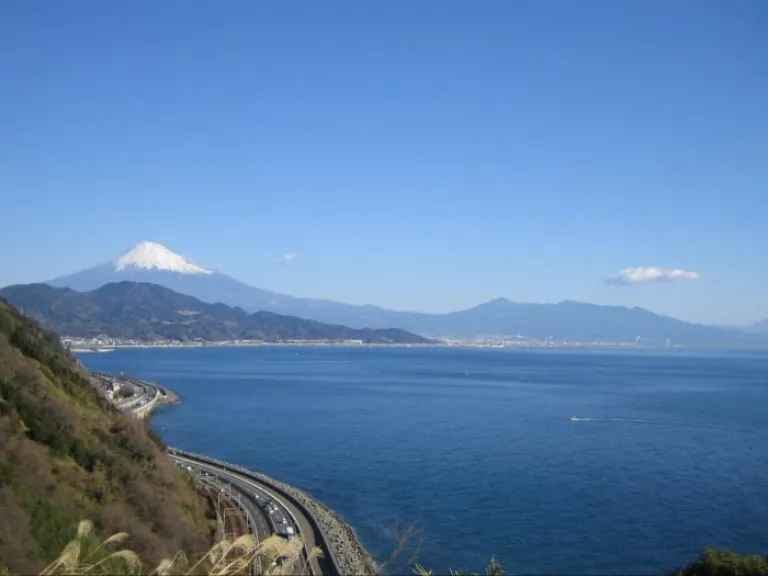
Suruga Bay offers an entirely different kind of nature escape, replacing forests and flower gardens with open water and coastal views.
The bay lies along Shizuoka Prefecture beneath the southern side of Mount Fuji. On a clear day, its coastline provides some of the most dramatic combinations of sea and mountain scenery in Japan.
One way to experience it is aboard the Suruga Bay Ferry between Shimizu Port and Toi on the Izu Peninsula. The crossing presents broad views across the water and may reveal Mount Fuji behind the shoreline.
However, taking the ferry as a day trip from Tokyo requires careful timing. Reaching Shimizu Port, completing the crossing and arranging onward transport from Toi can consume much of the day.
Travellers who prefer a simpler itinerary can remain around Shimizu and visit Miho no Matsubara, a pine-covered shoreline known for views of Mount Fuji. The area can also be combined with seafood around Shimizu Port.
How to get there
Take the Tokaido Shinkansen from Tokyo to Shizuoka and transfer to a local train for Shimizu. Buses connect Shimizu Station with the port and Miho no Matsubara.
Confirm the latest ferry timetable before building your day around the crossing.
Best time to visit
Cooler months often provide the clearest views of Mount Fuji. Ferry services and coastal sightseeing remain subject to weather and sea conditions.
6. Hitachi Seaside Park
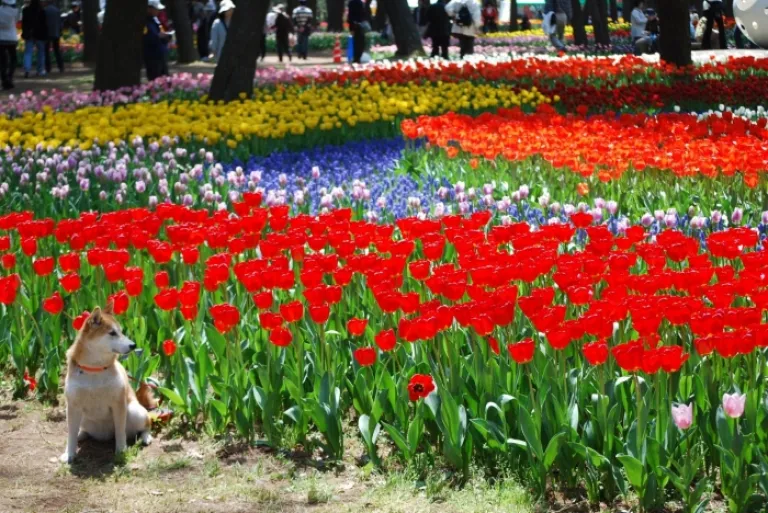
Hitachi Seaside Park is famous for transforming its rolling hills with the seasons.
In spring, millions of pale-blue nemophila flowers cover Miharashi Hill. By autumn, rounded kochia bushes change from green to vivid red before fading towards golden brown.
The park contains far more than these two headline displays. Tulips, roses, sunflowers, narcissus and other flowers appear across different areas throughout the year.
Its large scale makes cycling one of the most enjoyable ways to explore. Rental bicycles and dedicated cycling paths allow visitors to move efficiently between the flower gardens, wooded zones and coastal sections.
A small sightseeing train also circles parts of the park, while Pleasure Garden contains amusement rides. These attractions are separate from the flower fields and may require additional tickets.
How to get there
Travel from Tokyo or Ueno to Katsuta Station using a limited express train, then take a local bus to the park.
Express buses may also operate from Tokyo depending on the season and timetable.
Best time to visit
Nemophila generally peaks from mid-April into early May, while red kochia is associated with October. Both periods attract enormous crowds, particularly on weekends and public holidays.
Check the official flower forecast rather than relying on dates from previous years.
7. Enoshima
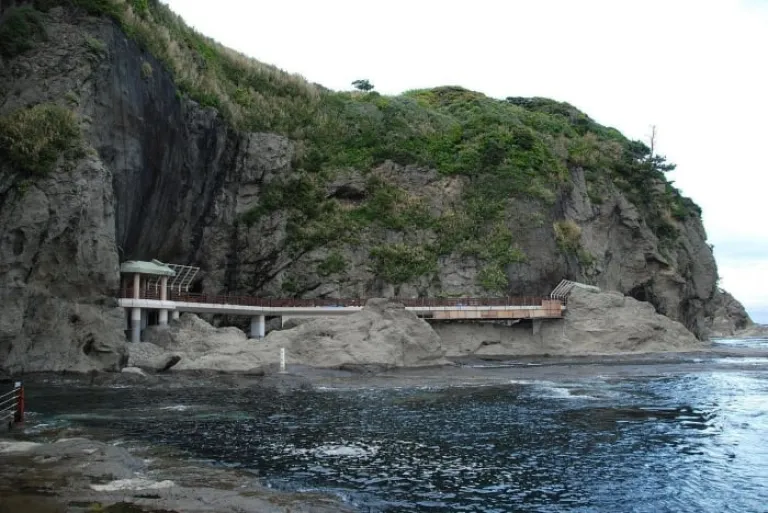
Connected to the mainland by a bridge, Enoshima is an easy coastal escape from Tokyo.
The island rises steeply from Sagami Bay, with stairs and pathways leading past shrines, gardens and viewpoints. Travellers who prefer not to climb every section can use the paid outdoor escalators known as the Enoshima Escar.
At the far side of the island, the Iwaya Caves were formed through natural coastal erosion. Nearby rock platforms provide close views of the sea, although access may be restricted when waves are strong.
The Enoshima Sea Candle observation tower overlooks the island and coastline. Mount Fuji can sometimes be seen across the water during clear, low-humidity weather, especially in winter.
Enoshima is not primarily a destination for cliff climbing, as the original article suggested. Visitors should remain on designated paths and avoid exposed coastal rocks during rough conditions.
How to get there
Take an Odakyu train from Shinjuku to Katase-Enoshima Station, or travel through Kamakura using the scenic Enoden Line.
The island is reached on foot across the bridge from the mainland.
Best time to visit
Spring and autumn offer comfortable walking conditions. Summer is lively but hot and crowded, while winter sunsets and clearer Mount Fuji views can make the colder season especially rewarding.
8. Nagatoro
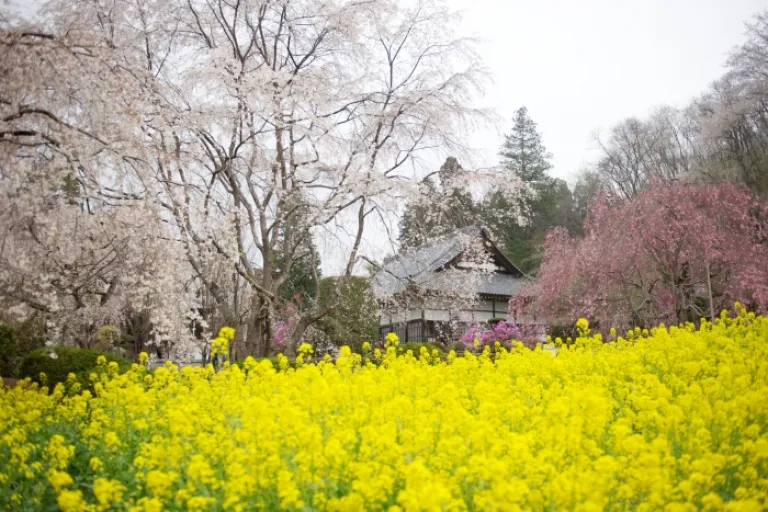
Image credit: tedd okano
Nagatoro offers one of the most accessible river adventures from Tokyo.
The Arakawa River passes between forested hills and distinctive rock formations. Its best-known feature is Iwadatami, a broad expanse of layered crystalline rock resembling rows of tatami mats.
Traditional wooden sightseeing boats carry passengers through calmer stretches and small rapids, with boatmen steering using long poles. The precise course and operating arrangements depend on water levels.
More adventurous visitors can book rafting, kayaking or canyoning experiences with local operators. These activities require advance reservations and appropriate weather conditions.
A ropeway also climbs Mount Hodo, where walking routes, seasonal flowers and wide views extend the day beyond the riverbank.
How to get there
Travel from central Tokyo towards Kumagaya, then transfer to the Chichibu Railway for Nagatoro Station.
Another route runs through Ikebukuro and Seibu-Chichibu, followed by a transfer. The total journey usually takes around two hours.
Best time to visit
River activities are most popular from spring through autumn. Autumn foliage draws significant crowds, while winter may bring reduced boat operations.
9. Nasushiobara
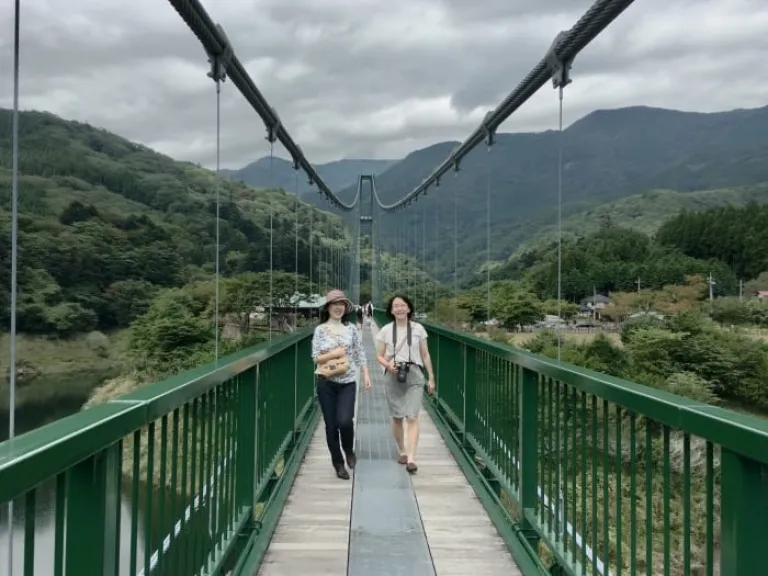
Image credit: Toyohara
Nasushiobara is less straightforward than Hakone or Nikko, but it rewards travellers looking for a quieter mountain escape.
The municipality covers a broad area, and many of its best natural attractions lie around Shiobara Onsen rather than beside Nasushiobara Station itself. Forest trails, suspension bridges, rivers and waterfalls are scattered throughout the valley.
Ryuka Falls is among the area’s most impressive cascades, while Mikaeri Suspension Bridge provides broad views over the forested surroundings. Seasonal foliage makes the valley particularly attractive in autumn.
Shiobara is also known for its hot springs. Several inns and bathing facilities accept daytime visitors, although schedules and tattoo policies vary.
Because the attractions are spread out and local buses are limited, choose two or three places rather than expecting to explore the entire area in one day.
How to get there
Take the Tohoku Shinkansen from Tokyo to Nasushiobara Station. From there, buses travel towards Shiobara Onsen and other parts of the region.
Reaching Nasushiobara Station takes roughly 70 minutes, but the onward bus can add another hour or more. Check the return timetable carefully.
Best time to visit
Autumn is the most popular season for the valley’s foliage. Summer provides cooler mountain conditions, while winter may bring snow and reduced access to certain trails.
10. Lake Kawaguchi
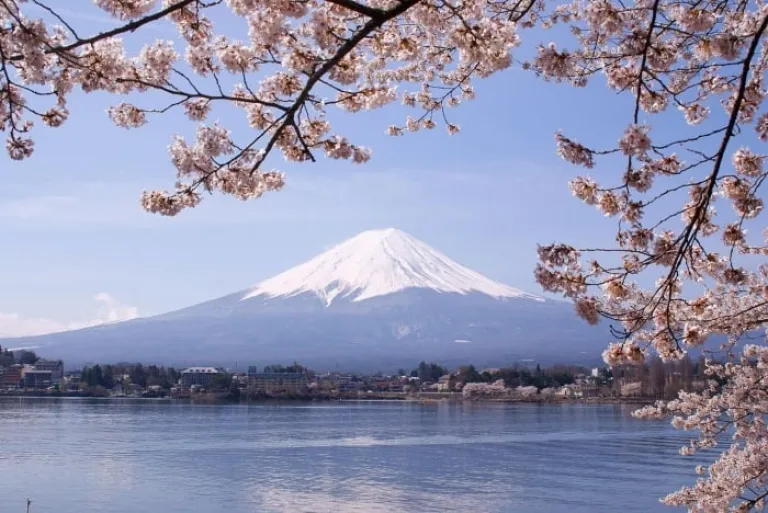
Of the Fuji Five Lakes, Lake Kawaguchi is generally the easiest to reach from Tokyo.
Its northern shore offers some of the most familiar views of Mount Fuji rising beyond the water. Oishi Park adds seasonal flowers to the foreground, including lavender during early summer and colourful displays at other times of year.
Visitors can walk or cycle around portions of the lakeshore, take a sightseeing boat or ride the Mount Fuji Panoramic Ropeway above the lake. Several museums, hot springs and cafés provide alternatives when the mountain disappears behind clouds.
The lake itself remains worth visiting without a clear Mount Fuji view, but travellers whose main goal is photography should check the forecast and travel early. Clouds often build around the mountain as the day progresses.
Yagizaki Park also hosts seasonal flowers, but the older claim that it contains exactly 80,000 lavender plants should not be retained without current confirmation.
How to get there
Direct highway buses run from locations including Shinjuku and Shibuya to Kawaguchiko Station.
Rail travellers can take services towards Otsuki and transfer to the Fujikyu Railway. Limited direct trains also operate on selected schedules.
Best time to visit
Winter generally offers the clearest visibility. Cherry blossoms usually arrive later than in central Tokyo, while autumn foliage around the lake commonly peaks in November.
Lavender around Oishi Park is typically associated with late June and July, though exact flowering dates vary.
How to choose the right nature day trip from Tokyo
For the shortest and easiest escape, choose Hakone, Enoshima or Lake Kawaguchi.
Flower lovers should prioritise Ashikaga Flower Park, Kairakuen or Hitachi Seaside Park according to the season. Travellers seeking active outdoor experiences may prefer Nagatoro, while Nikko and Nasushiobara provide more substantial mountain scenery.
Suruga Bay suits travellers willing to plan transport carefully for the sake of coastal views.
Whichever destination you choose, avoid assuming that flowers, foliage or Mount Fuji will appear exactly as shown in promotional photographs. Blooming periods shift, autumn colours depend on elevation and weather, and Japan’s most famous mountain frequently hides behind clouds.
Check live conditions, start early and leave enough flexibility to enjoy whatever nature presents on the day.

About Author

Ciaran’s spent a bunch of time travelling around East and Southeast Asia in a haze of wonderment. Foreign cultures have fascinated him from an early age and this interest spawned a love of travel. He’s spent many years studying economics and international relations and hopes to one day settle down at a comfy desk job.