
13 Things to Do in Lopburi, The Monkey-Mad City in Central Thailand
Located in Central Thailand, en route between Bangkok and Chiang Mai, is the city of Lopburi. Discover the attractions here, from sunflower fields and calm reservoirs to temples overrun with playful monkeys.

Central Thailand’s Lopburi is one of the oldest cities in Khmer empire in times gone by and served as a second capital during the reign of King Narai of the Ayutthaya Kingdom. Although the vibe is pretty relaxed today, it’s still easy to glimpse into the past and imagine how grand and formidable the city would have been during its heyday.
Split into two distinct parts of the “Old Town” and the “New Town”, the majority of Lopburi’s major sights can be found in the older, historic area. It’s easy to walk from place to place, and many accommodations provide free maps so you don’t miss anything of interest. If you plan to visit places outside of the old centre, however, a taxi, hired driver or private vehicle will generally be more practical. Only rent a scooter if you hold the correct licence, have suitable insurance and are confident riding in local traffic.
Lopburi isn’t only known for its history, though; it is perhaps more famous today for the long-tailed macaques that have lived alongside its human residents. Their numbers in the city centre have fallen considerably since authorities began a large-scale capture, sterilisation and relocation programme in 2024. Some monkeys remain around the old town, but visitors should no longer assume that every street or attraction will be crowded with them.
A cool place to visit within easy reach of Bangkok, here are some of the best things to enjoy on a trip to Lopburi:
1. Meet the monkeys at Phra Prang Sam Yod
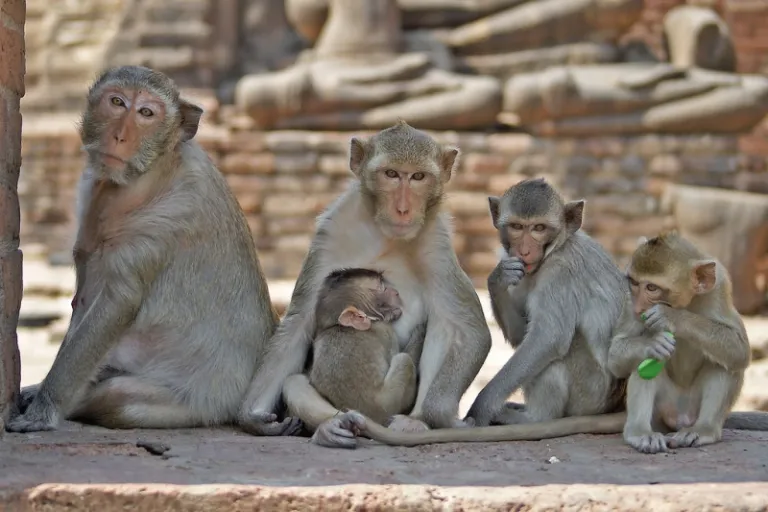
Image credit: fmpgoh
Perhaps the biggest tourist draw in Lopburi, the ancient Khmer-era temple remains of Phra Prang Sam Yot are also known as the Monkey Temple.
Although some macaques may still be seen around the temple and surrounding streets, there are considerably fewer than there were before.
Do not buy food to hand-feed the monkeys or encourage them to climb on you. They are wild animals and may bite, scratch or snatch objects. Keep food hidden, secure loose belongings such as sunglasses and phones, and follow the instructions given by staff.
If you are bitten or scratched, wash the wound thoroughly and seek medical attention promptly because professional assessment for rabies and other infections may be required.
The temple itself consists of three connected Khmer-style prangs. It currently opens daily, with foreign admission listed at ฿50. A combined ticket covering several historical sites in Lopburi may also be available, so ask at the entrance.
2. Step back in time at Wat Phra Sri Ratana Mahatat
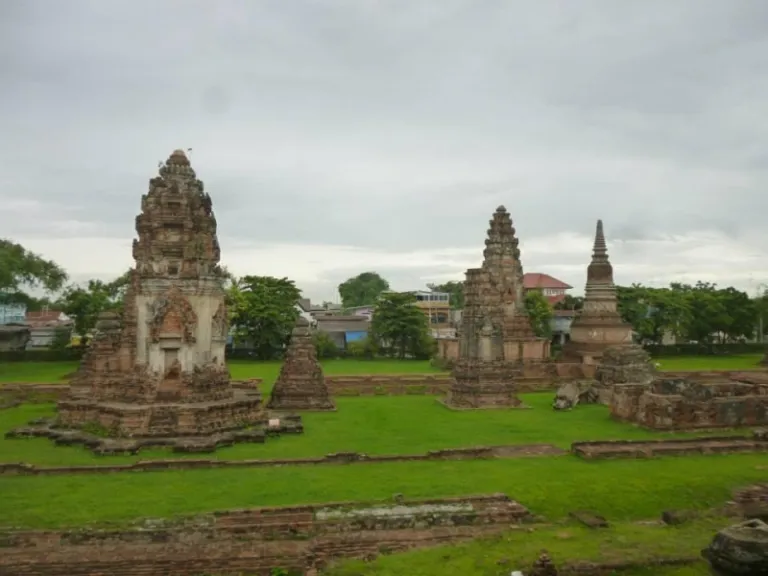
Situated almost directly across from the train station, Wat Phra Si Rattana Mahathat is one of the most important ruined temple complexes in Lopburi’s old town.
The grounds are well maintained and the ruins are in fairly good states of preservation. Rather than belonging to one single century, the complex contains architectural elements developed across several periods, including Khmer-influenced Lopburi and later Ayutthaya styles.
Explore the now-decaying walls, admire tall pagodas, including the city’s largest stupa, gaze up at once-grand facades, and snap pictures of the Buddha statues throughout the complex.
Macaques are less commonly associated with this site than with Phra Prang Sam Yot, but avoid describing any outdoor attraction in the old town as guaranteed to be completely monkey-free.
3. Visit the market at Wat Sao Thong Thong
Wat Sao Thong Thong is a rather ordinary and nondescript temple that wouldn’t perhaps be worth visiting for tourists if it weren’t for the small but interesting amulet market that is held within the grounds. Devout Buddhists come to rifle through the charms and pendants, looking for the perfect one that they believe will bring them luck or offer protection.
4. Venture off the beaten track at Wat Sao Paulo
Wat Sao Paulo was built by the Portuguese during the 17th century to serve as a Jesuit church. Although it’s located a couple of kilometres from the heart of town, it’s well worth taking the time and making the effort to visit to see a different type of ruin.
It sees relatively few visitors and the peaceful grounds are ideal for a spot of contemplation. When built, the church combined Thai and European designs.
In addition to being used as a place of worship, the building was also used for star-gazing and astronomy.
The surviving brick ruins formed part of a Jesuit complex established during King Narai’s reign, when European missionaries and advisers were active in Lopburi. Its former observatory reflects the king’s interest in astronomy and foreign scientific knowledge.
5. See an ancient spiritual site at Phra Khan Shrine
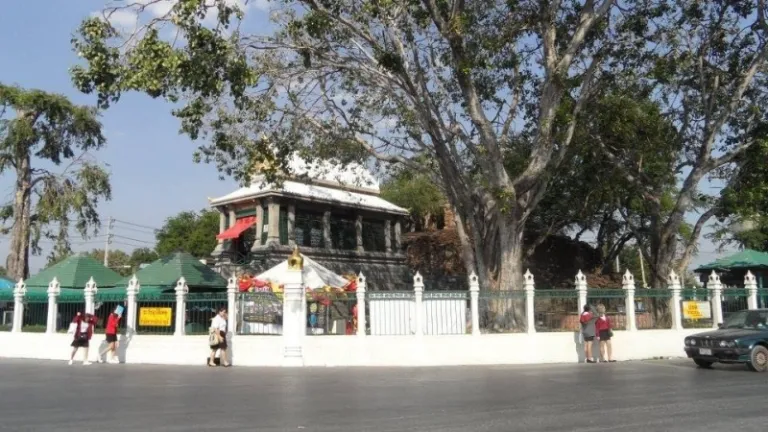
Located in the heart of town, San Phra Kan, also known as the Phra Kan Shrine, incorporates the remains of an ancient Khmer structure with later additions.
People come to pray and make merit at the shrine, and vendors sell flower garlands, incense, and other spiritual items. The grounds also contain an assortment of colourful statues.
Macaques may still appear around the shrine, although their numbers have been affected by the city’s relocation programme. Do not feed or approach them, even if other visitors are doing so.
6. Trace historic steps along the Lopburi Heritage Walk
Lopburi has many more historic sites in addition to those detailed above. A terrific way to take in as much of the town’s history and heritage is to create a self-guided walking route through the compact old town.
The route can connect attractions such as Ban Wichayen, Prang Khaek, King Narai’s Palace, Wat Phra Si Rattana Mahathat, Wat Nakhon Kosa, San Phra Kan and Phra Prang Sam Yot.
There is no need to follow one rigid branded “Heritage Walk”. Choose the sites that interest you, check their opening days and allow extra time for museum visits. The midday heat can be intense, so carry water and start earlier in the day where possible.
7. Soak up the regal air at Phra Narai Ratchaniwet
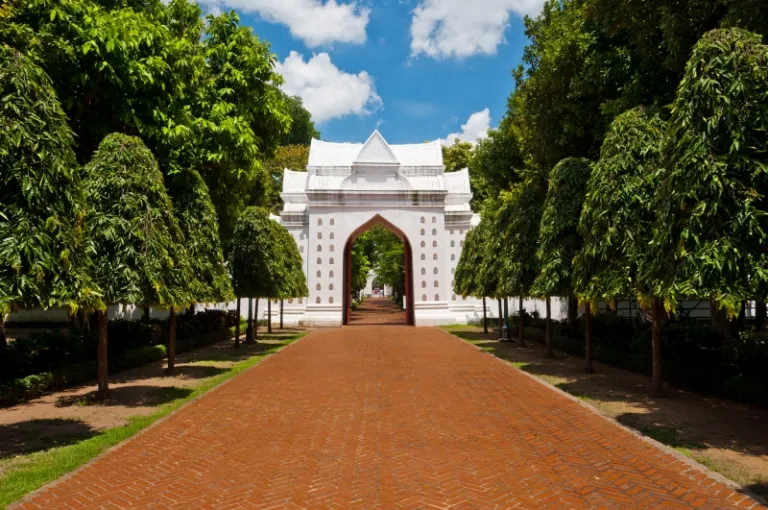
Image credit: Mark Fischer
Also known as the King’s Palace, Phra Narai Ratchaniwet was once home to a mighty Siamese king. The site honours the past leader, and you may see people leaving offerings to show their respect.
The palace was constructed during King Narai’s reign and combines Thai and European architectural influences. Parts of the complex now house Somdet Phra Narai National Museum.
The museum’s galleries contain archaeological discoveries, religious art, inscriptions and objects connected with Lopburi and Thailand’s royal history. Several surviving palace halls and later buildings erected during King Mongkut’s reign can also be explored.
The museum is generally open from Wednesday to Sunday and closes on Mondays, Tuesdays and public holidays. Check the latest hours and admission arrangements before visiting, particularly during festivals.
A word of warning: if you’re visiting during the rainy season, do take care coming down the exterior steps of the museum. The tiles, as I sadly discovered, can be very slippery. And the stone steps are sure to leave some angry-looking bruises as you bounce down them.
8. Chill out at Ang Sub Lek
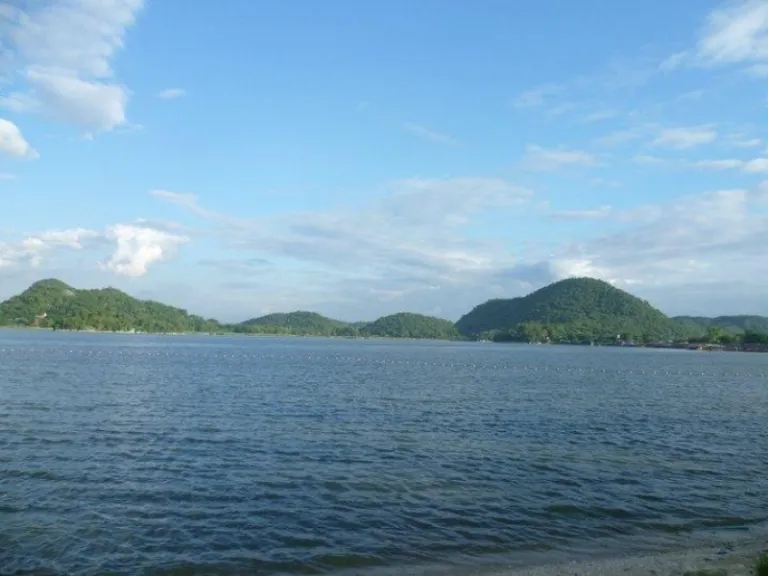
Ang Sap Lek is a pretty reservoir on the outskirts of Lopburi town. Located near some small mountains and with a small island in the middle, the lake is a popular weekend hangout spot for locals and visitors. Come during the week, however, and there is a high chance that you’ll find plenty of peace and quiet.
Restaurants and cafes can be found around parts of the reservoir, making it a suitable place for a meal or sunset stop after exploring nearby countryside attractions.
9. Watch the bats at Wat Khao Wongkhot
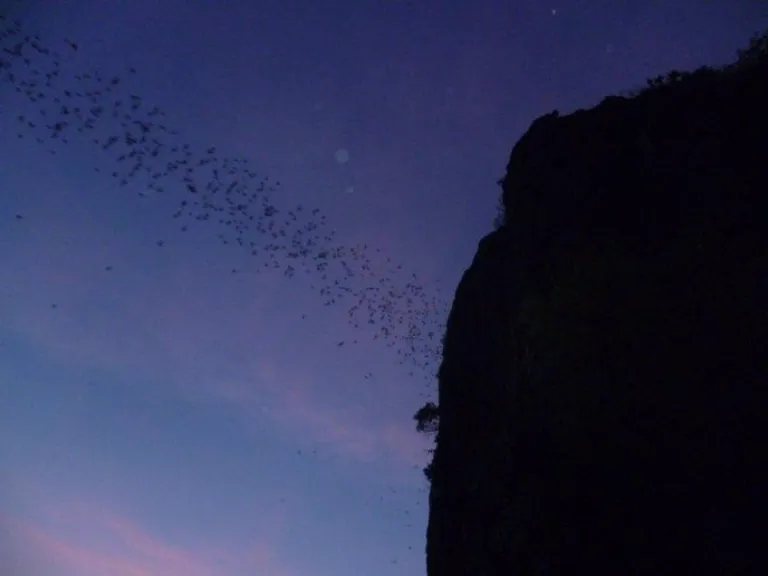
Located near Ang Sap Lek, Wat Khao Wongkhot is a cave temple within one of Lopburi’s mountains. During the day you can admire the sweeping views from an elevated position, see an assortment of religious statues, and listen to the squeaks and squawks of the many bats that live in one of the chambers.
The best time to visit, though, is right before dusk.
As daylight starts to fade, the bats come out to play! The stream usually begins at around 6.30pm and can continue for several hours as the animals leave the cave to feed. Weather and seasonal conditions may affect the timing, so arrive before sunset and ask locally for the latest estimate.
Watch from the established viewing areas and avoid entering restricted cave sections or disturbing the bats.
10. Enjoy diversity at Pasak Jolasit Dam
Outside of Lopburi town, but within Lopburi province, Pa Sak Jolasid Dam is a pleasant place to spend a few hours.
It is a significant irrigation project and is promoted as Thailand’s longest earth-filled dam. Visitors can walk around the recreational areas, enjoy views over the reservoir and see attractions such as the large white Buddha image and the Pa Sak Basin Museum.
The well-known “Floating Train” is a seasonal State Railway of Thailand excursion rather than a regular attraction that visitors can board at any time. It generally operates on selected weekends during the cooler months, when the high water level makes the train appear to travel across the reservoir. Tickets can sell out quickly, so check the current SRT announcement before planning around it.
Boating, kayaking and other recreational activities may depend on the water level, weather and current local operators. Confirm what is available when you arrive.
11. Smile for joy in the Sunflower Fields

Image credit: Mark Lehmkuhler
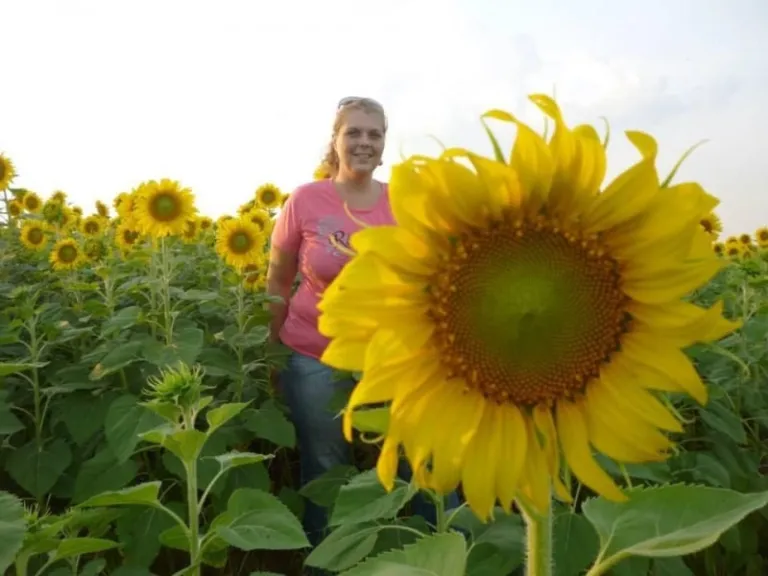
Among my favourite things to see in Lopburi, the sunflower fields create a stretching blanket of vibrant yellow in the cooler months, usually from November to January.
Having your own transportation is the best way to get to the areas in bloom, though local drivers may know which fields are open at the time.
The fields are privately cultivated and do not all bloom simultaneously. Popular locations can change each season depending on planting schedules, rainfall and farming conditions, so check locally before travelling to a particular pin on the map.
Many farms charge a small admission fee, while facilities such as food stalls, tractor rides and photo props vary from one field to another. Visit in the morning for cooler temperatures and flowers facing the brighter early light.
12. Attend the celebrations of King Narai Fair
A yearly event, the King Narai the Great Reign Festival remembers the previous Siamese ruler each February.
The joyous festival features engaging theatrical performances with characters in period costume, music, dancing, and singing, food and drink aplenty, market stalls and historical light-and-sound presentations.
Many residents and visitors wear traditional Thai clothing during the celebration, while activities take place around Phra Narai Ratchaniwet and other historic sites. The 2026 festival was held from 13 to 22 February, but dates change each year, so confirm the programme before arranging a trip.
13. Experience a banquet with a twist
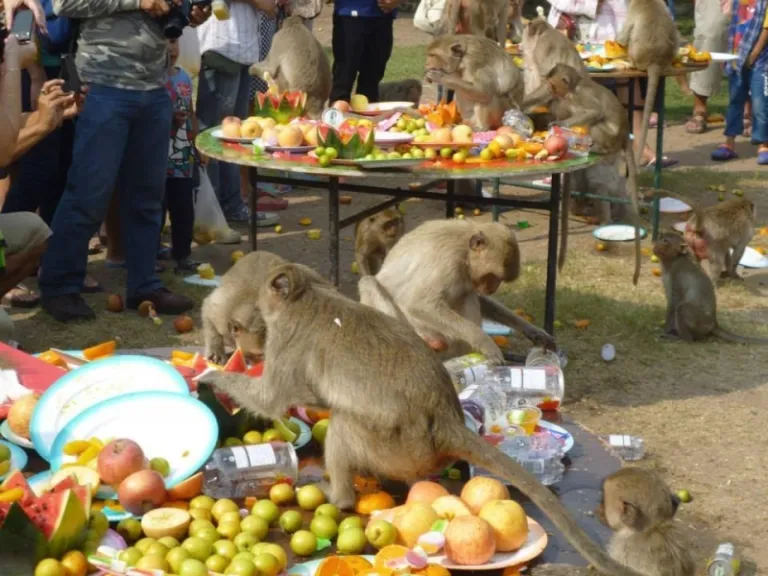
Every November, Lopburi locals traditionally organise a banquet for part of the town’s macaque population.
Tables are spread with an array of colourful fruits and vegetables during the event, which is usually associated with Phra Prang Sam Yot and the surrounding old town.
The Monkey Buffet Festival has continued despite the wider effort to control the city’s macaque population, although its format and date may change. Check for an official announcement before travelling specifically for it.
Visitors should not treat the festival as permission to feed monkeys independently. Follow the organisers’ instructions, keep a safe distance and avoid trying to touch or pose with the animals.
A convenient stop-off en route by rail between Bangkok and Chiang Mai or a weekend trip for visitors to Central Thailand, there are plenty of reasons to add Lopburi to your Thailand travel wish list.
The monkeys remain part of Lopburi’s identity, but the city offers far more than encounters with macaques. Its Khmer ruins, royal history, seasonal sunflower fields, reservoirs and annual festivals make it worth exploring beyond a quick stop at the Monkey Temple.

About Author
Recommended Reads
10 Things to Do & Places to Go in Wales
United Kingdom
21 Things to Do in Siem Reap
Cambodia