
10 Terrific Things to Do in York, UK
Walk through the Shambles, along the city walls, and into dungeons and burial grounds. Historical York certainly has plenty of attractions to keep you occupied.

York, located in North Yorkshire in northern England, is a magical destination in the UK, filled with a strong sense of history from various points in time along with a great range of more modern attractions and activities.
York is known for being a city with Roman origins, a strong Viking heritage and some of the best-preserved historic streets and walls in the country. It has been settled by many groups over the years. Fascinating remnants from past times are scattered throughout the beautiful city, and it’s certainly a top destination for fans of architecture and history. There are great accommodation options, and you’ll find a wealth of places to eat, drink, and shop.
Planning a trip to York? Here are some top things to add to your travel bucket list.
1. Feast your eyes on the majestic York Minster
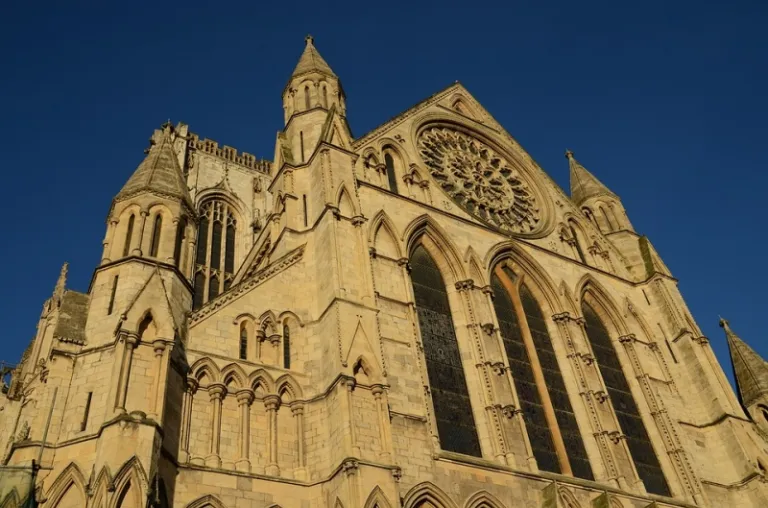
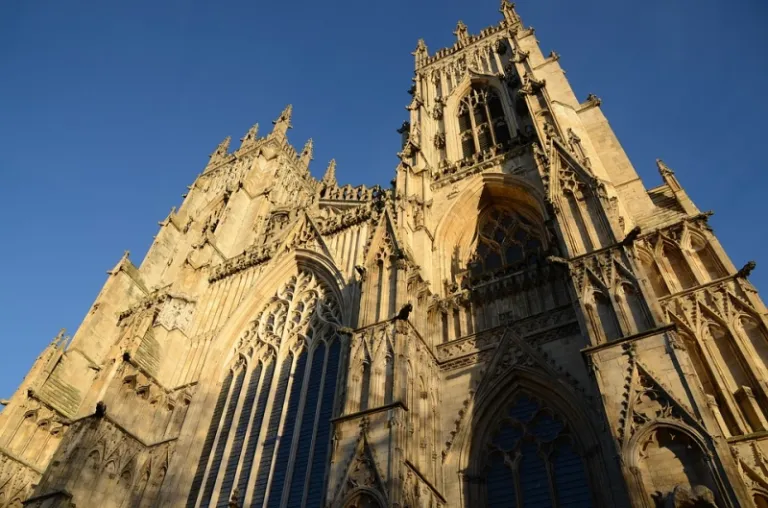
York Minster is a glorious Gothic gem, striking both inside and out. If funds are low you can enjoy the stunning building from the outside, but it is well worth paying the admission fee to soak up the spiritual vibe and admire the ornate interiors too.
The wide nave is sure to impress, and there are beautiful stained glass windows that date back to the medieval era. One of the world’s most magnificent cathedrals, York Minster can trace its Christian history back to the 7th century.
General admission usually begins at 9.30am, with last admission at 4pm, although times can change for services and special events. Current tickets range from Minster-only admission to combined Minster and Central Tower tickets, with children aged 17 and under entering free with a paying adult.
2. Visit the Shambles
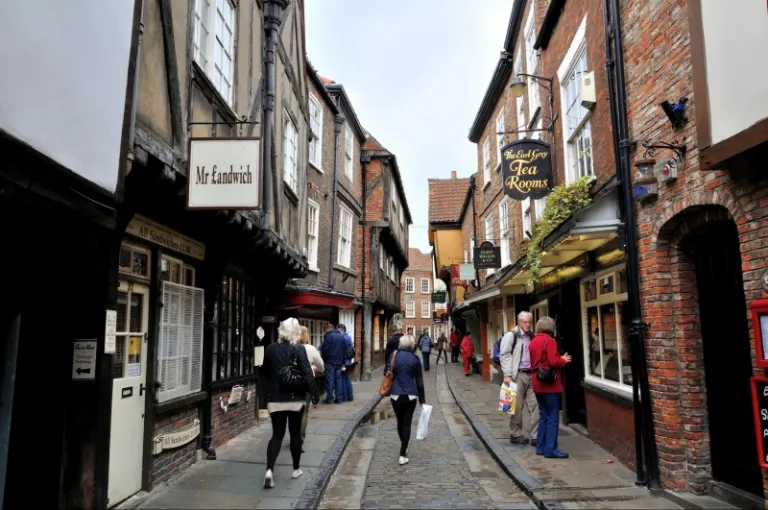
Image credit: Philip N Young
Just the name, Shambles, makes this tiny street a worthy stop-off when exploring York. Rich in history, the small shops hang over the street. Some of the wooden-framed buildings date back to the 14th century.
Historically a street for butchers and slaughterhouses, the road’s buildings have now been repurposed into charming cafes and cute shops. Although most of the butchers are gone, a number of shops still have old meat hooks and display shelves outside, preserving reminders of the street’s past.
You’ll notice that the centre of the street is lower than the rest; this was to allow the juices and blood to easily drain away. Today, the Shambles is one of York’s busiest photo spots, so visit early in the morning or later in the evening if you want a quieter view of its leaning timber-framed buildings.
3. Time travel at Jorvik Viking Centre
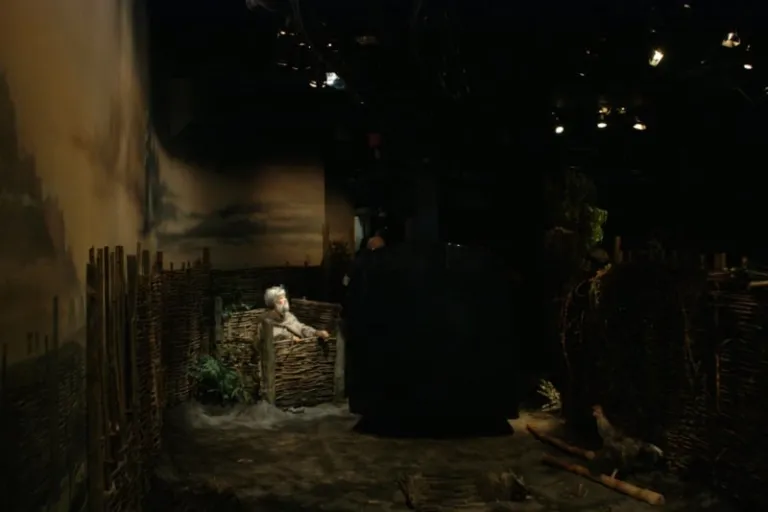
Image credit: Ann Lee
Travel back in time to when York was ruled by Vikings and have a great day out at the fascinating Jorvik Viking Centre. See what life was like some 1,000 years ago and retrace the steps of some of the city’s past inhabitants. The centre is built around the excavated remains of an old Viking settlement, with well-preserved foundations, wooden buildings, wells, animal enclosures, and other structures. Diverse artefacts are on display too, including textiles, pottery, woodwork, and metalwork.
Models and sensory features, such as sounds and smells, help to bring the ancient city back to life. Everyone must book a timed slot before visiting, and guests are advised to arrive about 10 minutes before their booked time. A typical visit lasts around one hour.
Opening hours vary through the year, with longer hours during busier holiday periods and short maintenance closures on selected dates.
4. See the Cholera Burial Ground
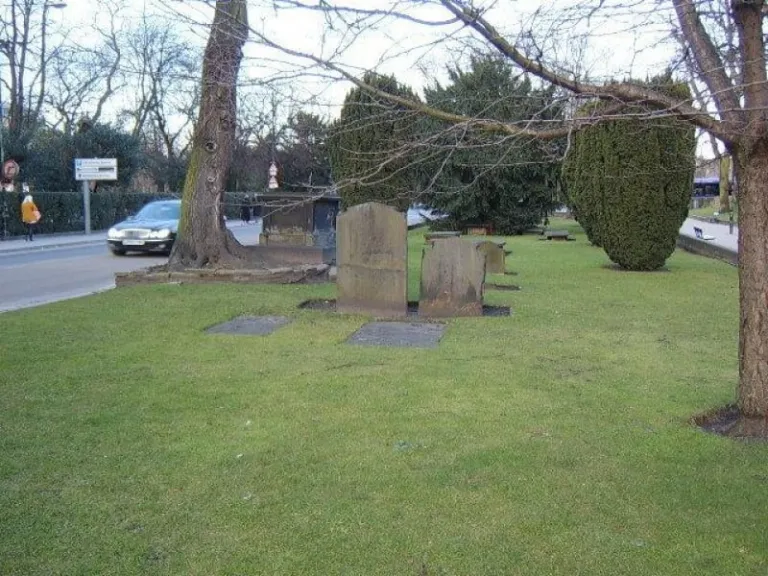
A small grassed burial ground close to the station is the final resting place of people who perished in York’s 1832 cholera outbreak.
The site sits in the shadow of the city walls, diagonally opposite York Railway Station, and is marked by yew trees, surviving gravestones and a plaque. Around 20 gravestones have survived to the present day, their sandstone forms remembering those who succumbed to the deadly disease.
It is a quick but sobering stop, best treated as a place of remembrance rather than a conventional tourist attraction.
5. Wander along the River Ouse
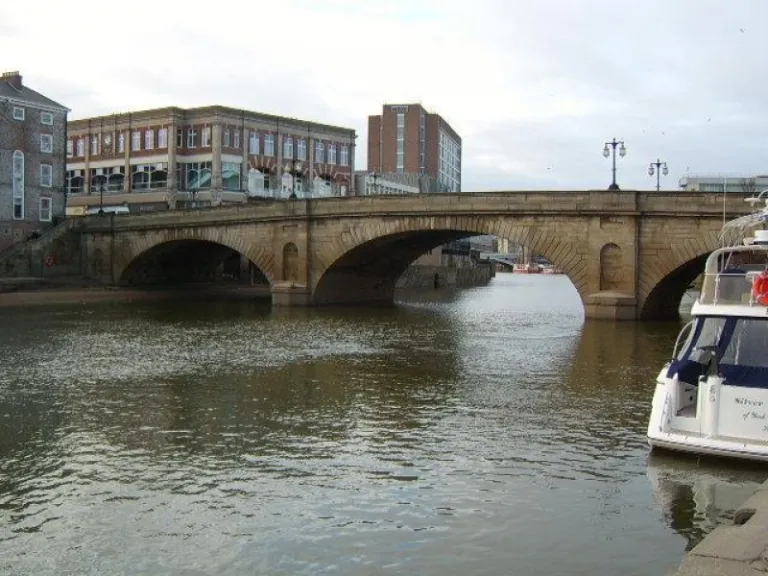
The River Ouse flows through York before eventually joining the River Trent to form the Humber Estuary. Several bridges span the waterway, and there are riverside paths that make for pleasant strolls.
Sightseeing boat trips are a great way to see the city from a different perspective and relax as beautiful views unfold. City Cruises York operates sightseeing services for much of the year, with daily sailings during the main season and festive sightseeing cruises later in the year. Departure times vary by season and river conditions, so check the live schedule before heading to the pier.
When water levels are high, riverside paths may flood and boat operations may be affected.
6. Soak up the history at York City Walls
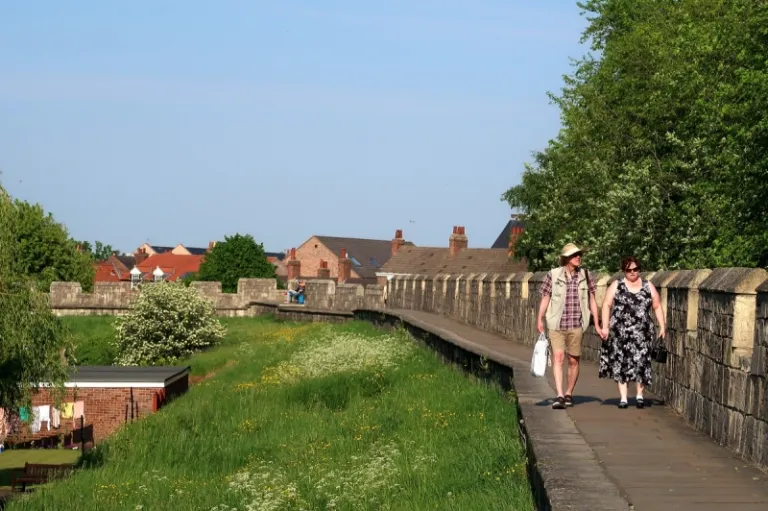
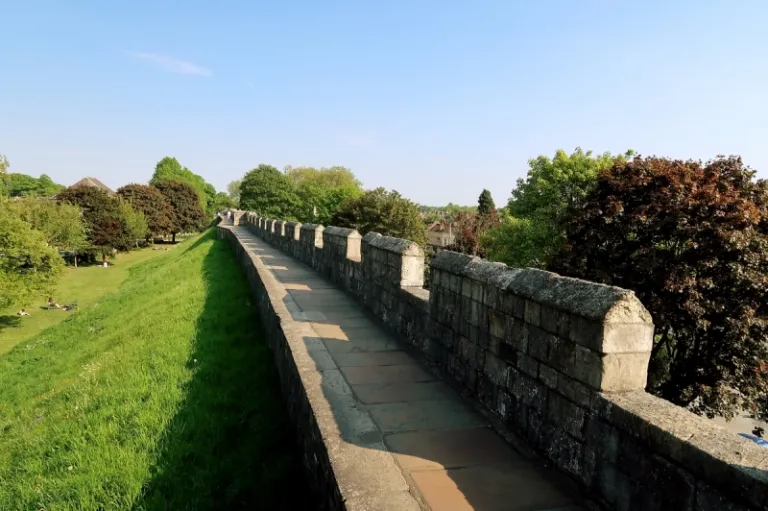
No trip to York is complete without taking a stroll around sections of the old city walls. Originally built by the Romans in around 70 AD to defend the city, the imposing walls have seen many alterations and fortifications since their early days. Much of the wall walk seen today is medieval, built and repaired across different periods of York’s history.
The walls have a number of attractive gateways, known locally as bars, as well as towers and lookout points, and you can walk along sections to admire terrific city views as you soak up the historical air.
The elevated wall walk is free and usually opens daily from 8am. It closes at dusk, with closing times changing throughout the year. The walls may close on 25 December, during conservation works, in very high winds, or when icy and slippery conditions make the walkway unsafe.
7. Admire the works in York City Art Gallery
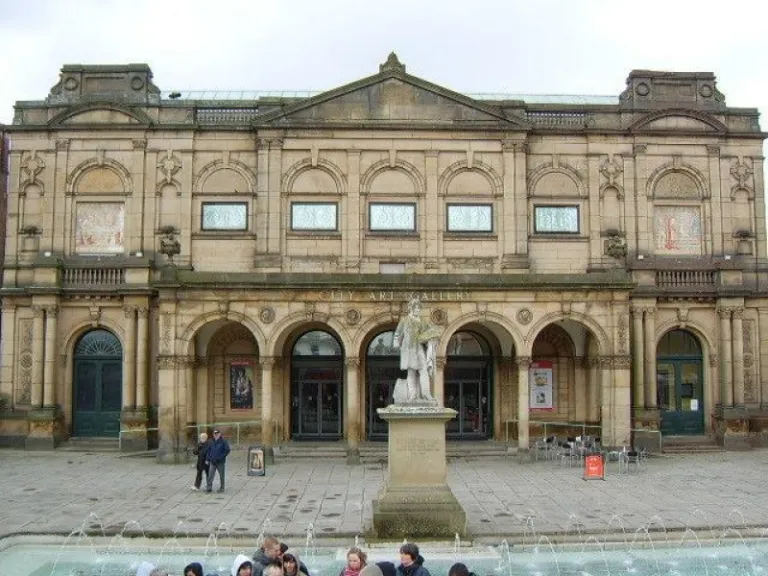
York Art Gallery is housed in a purpose-built building that dates back to the late 1800s. A statue of William Etty, a prominent local artist, stands in front of the elegant gallery.
Inside, you’ll find a huge array of artistic works, with pieces from the 14th century right up to the present day. Paintings, drawings, ceramics, glassware, and prints are among the items on display.
The gallery currently opens from Wednesday to Sunday, 10am to 5pm. Tickets include access to the permanent collection and special exhibitions, with adult admission currently priced at £9. Pre-booking is recommended to guarantee entry.
8. Snap a picture of Clifford’s Tower
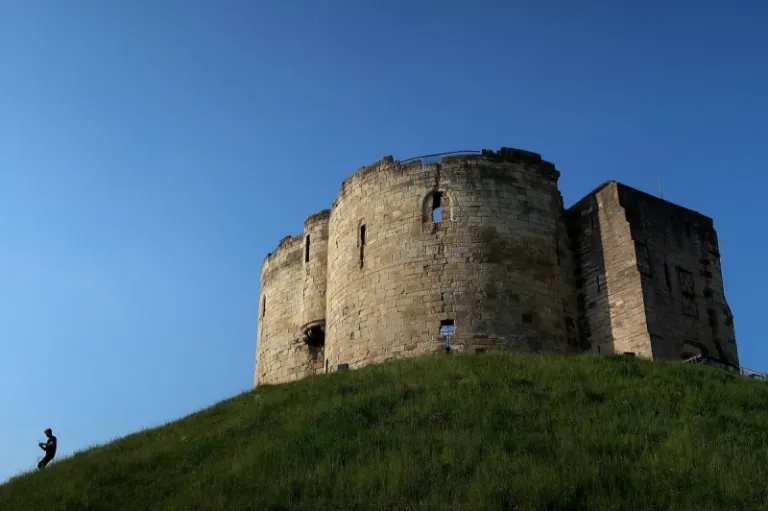
Standing on a grassy mound, the pale stone Clifford’s Tower is the most prominent surviving part of York Castle. The keep was constructed in the 13th century and is today managed by English Heritage.
You can take a peek inside the grand and imposing structure and imagine how the castle would have been back in its heyday when built to defend the city. Other remaining parts of the historic castle are now used as a courthouse and a museum. In the past, the castle was used as a jail.
A major transformation completed in 2022 introduced a freestanding timber structure, internal walkways and a roof deck, giving visitors better access to the tower’s interior and views across York. Last entry is 30 minutes before closing, and advance online booking can offer a lower price than buying on the day.
9. Feel your spine tingle at York Dungeon
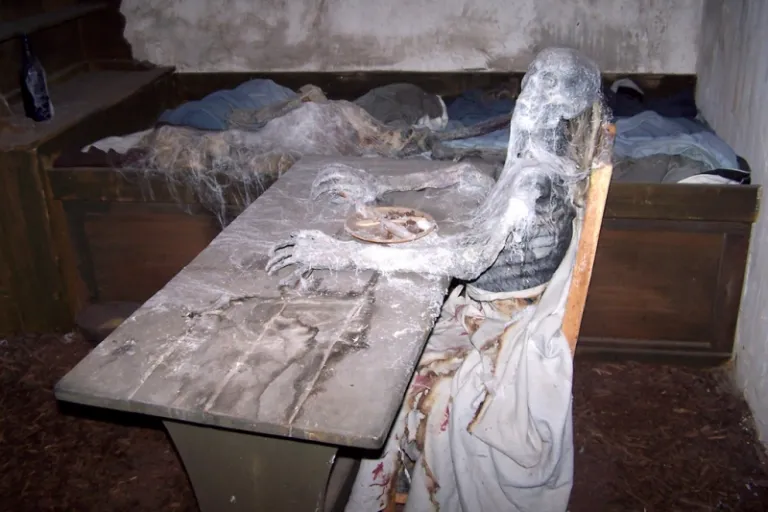
Image credit: One lucky guy
An interactive and slightly unnerving experience, descending into the gloom of York Dungeon takes you back through York’s turbulent past. Actors and special effects help to tell tales of notorious murderers, crooks, and invaders, and you can take a peek into ghastly torture chambers and see where people were hanged.
Offering fascinating insights into York’s darker history, it’s not a place for the squeamish or faint of heart. Pre-booking is essential, with timed-entry tickets available online. The attraction is recommended for visitors aged eight and above, while children under five are not permitted to enter.
Opening hours and ticket prices vary by date, so check the official website before planning your visit.
10. Pose for a selfie on Whip Ma Whop Ma Gate
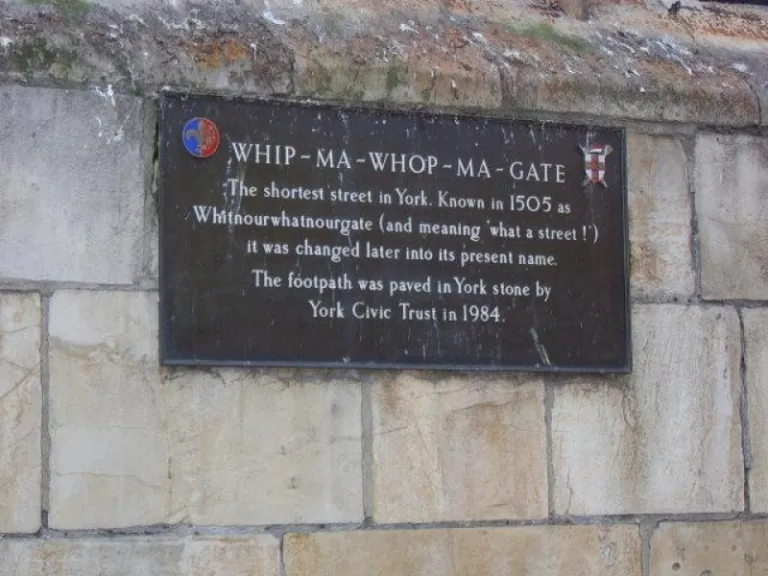
Although there’s not an awful lot to see at Whip-Ma-Whop-Ma-Gate, the short street has one of the city’s coolest names. It is also one of the shortest streets in York, essentially comprising a short section of pavement near St Crux Church Hall.
Modern researchers believe that the name loosely translates to “Neither One Thing Nor the Other”. First recorded in 1505 as Whitnourwhatnourgate, the name is probably of derisive origin rather than being connected to some of the more colourful legends associated with whipping dogs or vagrants.
It is a quick stop rather than a major attraction, but its unusual name makes it a fun addition to a walking route through York’s historic centre.
