
Beyond Temples and Shrines: Discover Japan Through Tadao Ando's Architecture
Tadao Ando's exposed concrete architecture offers a fresh perspective on Japan's cultural landscape.

When people think of Japan, they often picture temples, shrines, and castles. Yet across the country are architectural masterpieces by Pritzker Prize-winning architect Tadao Ando that offer a different perspective on Japan’s cultural landscape.
Known for his use of exposed concrete, natural light, and minimalist design, Ando creates spaces that invite visitors to slow down and connect with their surroundings. From hidden temples to seaside museums and urban landmarks, these seven destinations show why his work deserves a place on every traveller’s Japan itinerary.
Also read: 10 Most Beautiful Places of Worship in the World You Must Visit
1. Church of the Light
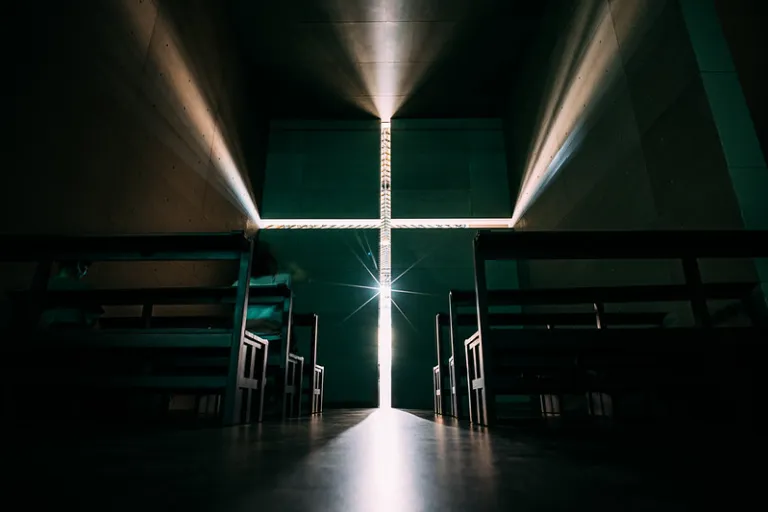 Image credit: 伊特諾 雷 | Flickr
Tucked away in a quiet residential neighbourhood in Osaka Prefecture, the Church of the Light is widely regarded as one of the most influential works by Japanese architect Tadao Ando. Completed in 1989, the church demonstrates Ando’s signature approach to architecture: the use of exposed concrete, natural light, and minimalist design to create a powerful emotional experience.
At first glance, the building appears remarkably simple. The exterior consists of a plain concrete box with little decoration. However, stepping inside reveals the feature that has made the church famous around the world. A cross-shaped opening cut directly into the concrete wall behind the altar allows sunlight to stream into the dark interior. As the light changes throughout the day, the illuminated cross transforms the atmosphere of the space, creating a sense of quiet reflection and spiritual depth.
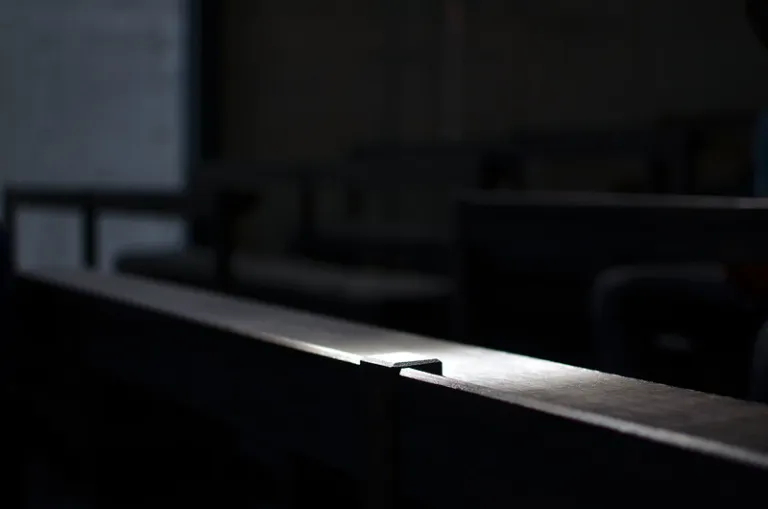 Image credit: hiromitsu morimoto | Flickr
What makes the Church of the Light so remarkable is its ability to evoke powerful emotions using only a handful of architectural elements. Rather than relying on elaborate ornamentation, Ando uses light itself as a building material, demonstrating how architecture can shape human experience through simplicity.
Although the church remains an active place of worship, it has become a pilgrimage site for architecture enthusiasts from around the world. For travellers interested in design, it offers a unique opportunity to experience one of Japan’s most celebrated modern buildings and gain a deeper appreciation of Tadao Ando’s architectural philosophy.
Before you go: Regular tours of the Church of the Light are currently suspended, and access is limited. As the church is an active place of worship rather than a tourist attraction, travellers should check the latest visitor information on the official website before making the journey.
2. Chichu Art Museum
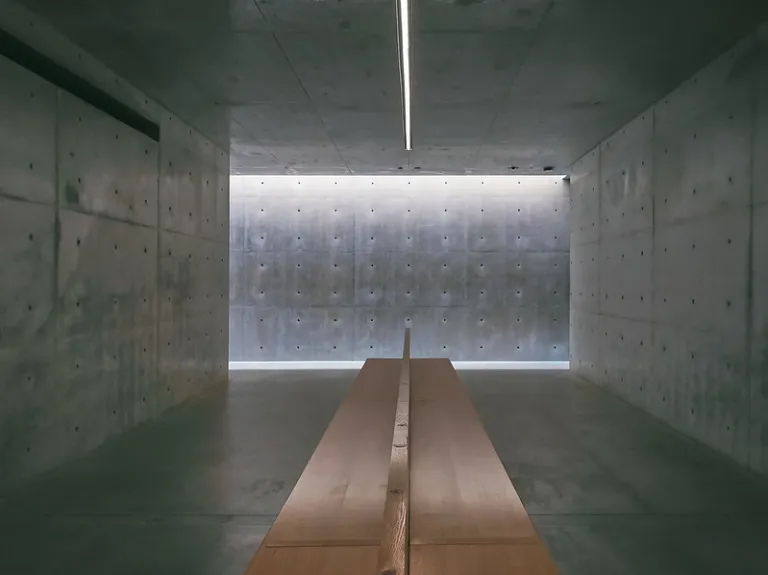 Image credit: YELLOW Mao. 黃毛, Photographer | Flickr
Perched on a hillside overlooking the Seto Inland Sea, the Chichu Art Museum is often considered one of architect Tadao Ando’s greatest achievements. Opened in 2004 on the art island of Naoshima, the museum was designed with a remarkable goal: to preserve the island’s natural landscape while creating a world-class space for art. To achieve this, Ando built almost the entire museum underground, allowing it to blend seamlessly into the surrounding environment.
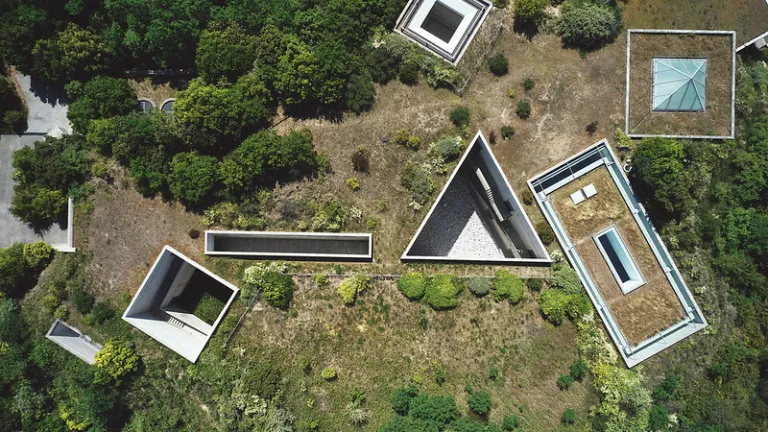 Image credit: YELLOW Mao. 黃毛, Photographer | Flickr
Despite being buried beneath the earth, the museum is filled with natural light. Carefully positioned openings in the structure allow sunlight to enter the galleries throughout the day, meaning the appearance of both the artworks and the architecture constantly changes with the weather, season, and time of day. The building itself becomes part of the artistic experience, blurring the boundary between nature, architecture, and art.
The museum houses permanent installations by only three artists: Claude Monet, James Turrell, and Walter De Maria. Rather than displaying a large collection, each space was designed specifically for the artworks it contains, creating an immersive experience unlike that of a traditional museum. Many visitors consider the journey through Ando’s concrete corridors, courtyards, and light-filled spaces to be as memorable as the artworks themselves.
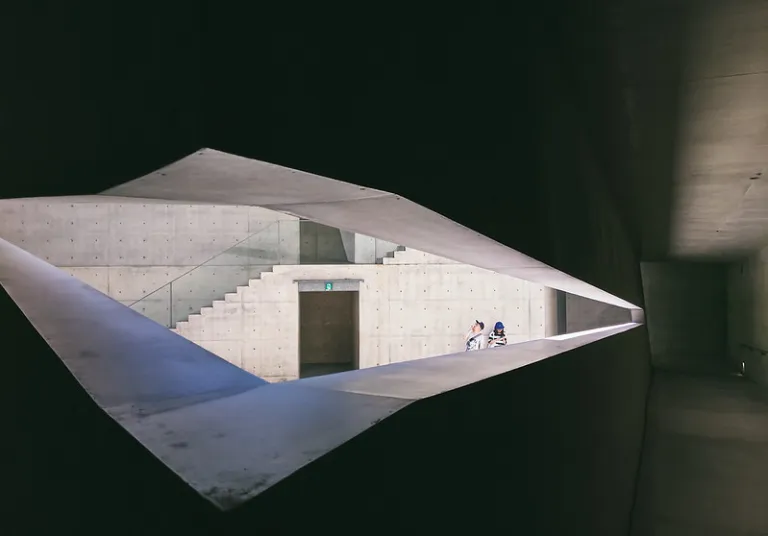 Image credit: YELLOW Mao. 黃毛, Photographer | Flickr
For travellers exploring Naoshima, the Chichu Art Museum is more than a museum—it is a destination where architecture becomes art. It offers a rare opportunity to experience one of Tadao Ando’s most celebrated creations while discovering why Naoshima has become one of the world’s most important centres for contemporary art.
Visitor note: Entry is by timed reservation, and advance booking is strongly recommended, particularly during peak travel seasons.
3. Benesse House
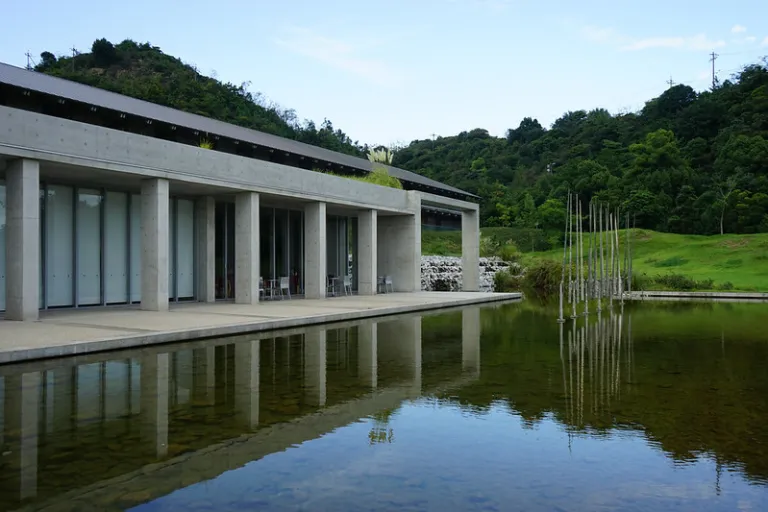 Image credit: Kaba | Flickr
Few places capture the spirit of Naoshima as completely as Benesse House. Designed by renowned architect Tadao Ando and opened in 1992, Benesse House is neither simply a museum nor merely a hotel. Instead, it was created around a unique concept: the coexistence of nature, art, and architecture. Overlooking the tranquil waters of the Seto Inland Sea, it remains one of Japan’s most extraordinary cultural destinations.
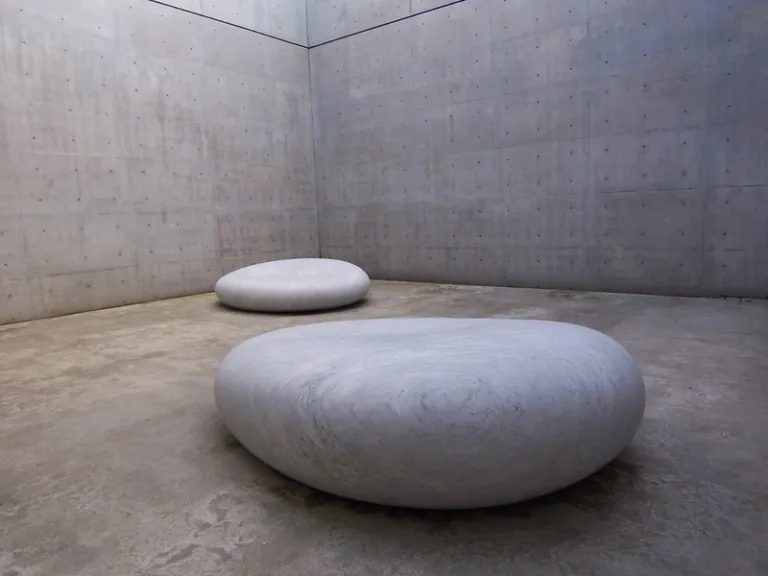 Image credit: Todd Lappin | Flickr
Unlike a traditional museum, art at Benesse House is not confined to gallery walls. Contemporary artworks can be found throughout the complex, along the coastline, and even among the surrounding forests. Many of the installations were created specifically for the site, responding directly to the island’s landscape and Ando’s architecture. Large openings throughout the building frame views of the sea and sky, allowing the natural environment to become part of the experience.
The complex consists of four accommodation buildings—Museum, Oval, Park, and Beach—each offering a different way to experience Naoshima. Guests can wake up surrounded by world-class contemporary art, while visitors who are not staying overnight can still explore the museum itself. This seamless blend of accommodation and exhibition space was groundbreaking when it opened and continues to influence museum design around the world.
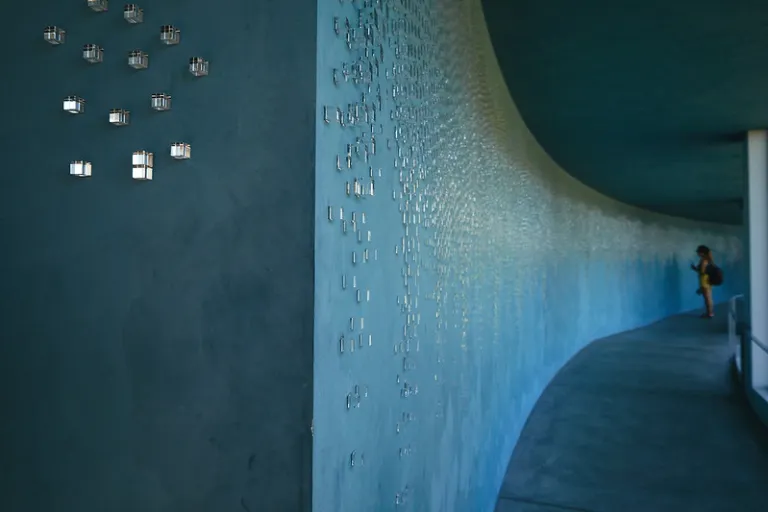 Image credit: YELLOW Mao. 黃毛, Photographer
For travellers interested in architecture, Benesse House offers one of the clearest expressions of Tadao Ando’s philosophy. Here, exposed concrete, natural light, art, and landscape come together in perfect harmony. More than a hotel or museum, it is an immersive experience that encourages visitors to slow down and engage with both the environment and the art around them.
Visitor note: Even if you are not staying overnight, the museum is open to day visitors. However, accommodation and museum reservations can fill up quickly, particularly during peak travel seasons.
4. Awaji Yumebutai
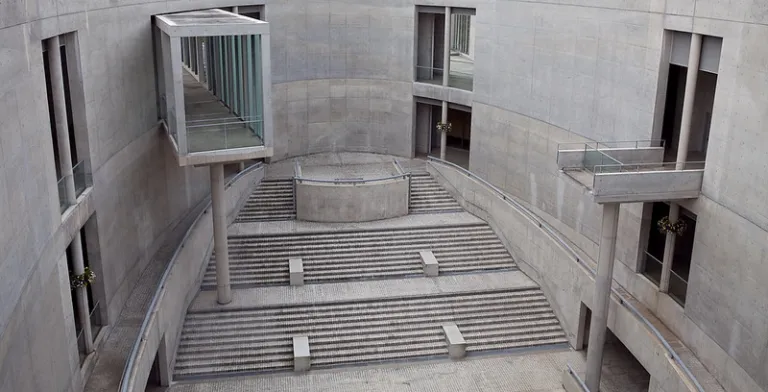 Image credit: Leiflet | Flickr
Set on the northern coast of Awaji Island, Awaji Yumebutai is one of Tadao Ando’s most ambitious architectural projects. Completed in 2000, the vast complex was created as a symbol of environmental restoration and renewal. Built on land that had previously been scarred by large-scale excavation, Ando envisioned a place where nature, people, and architecture could coexist in harmony once again.
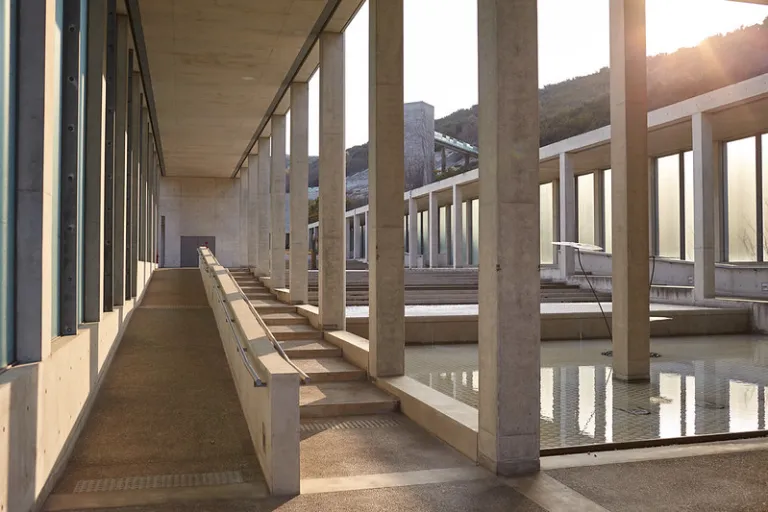 Image credit: victorillen | Flickr
The name “Yumebutai,” meaning “Dream Stage,” reflects this vision. Spread across a hillside overlooking Osaka Bay, the complex combines striking concrete architecture with gardens, water features, open plazas, and sweeping sea views. Throughout the site, visitors encounter Ando’s signature design elements: clean geometric forms, exposed concrete, and carefully framed views that blur the boundaries between indoor and outdoor spaces.
The most iconic feature is the Hyakudan-en, or “Hundred-Step Garden,” a dramatic terraced landscape composed of 100 flower beds arranged in a geometric grid. Depending on the season, the terraces burst into colour with thousands of flowers, creating one of the most photogenic scenes in western Japan. The contrast between vibrant greenery and Ando’s minimalist concrete architecture perfectly captures his philosophy of bringing nature and design into dialogue.
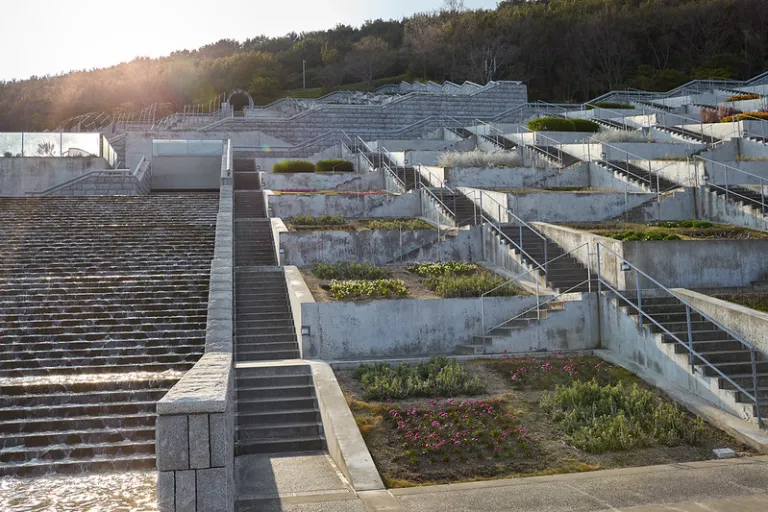 Image credit: victorillen | Flickr
Beyond its visual appeal, Awaji Yumebutai carries a deeper meaning. Located near the epicenter of the 1995 Great Hanshin-Awaji Earthquake, the project became a symbol of recovery and hope for the region. Today, it remains a place where visitors can appreciate not only remarkable architecture but also the powerful relationship between memory, landscape, and renewal. For travellers seeking one of Japan’s most impressive examples of contemporary architecture, Awaji Yumebutai is an unforgettable destination.
5. Hyogo Prefectural Museum of Art
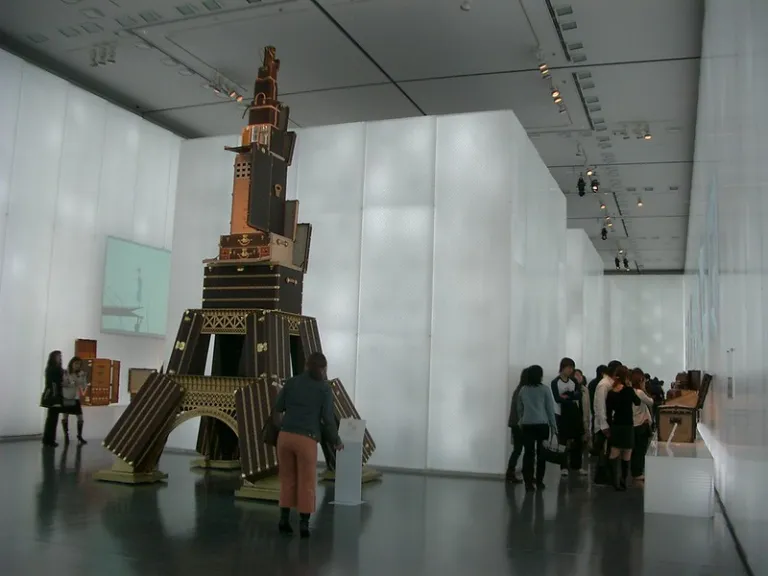 Image credit: Nobuyuki Hayashi | Flickr
Overlooking the waterfront of Kobe, the Hyogo Prefectural Museum of Art is one of the largest museums designed by renowned architect Tadao Ando. Opened in 2002 as part of Kobe’s post-earthquake cultural revitalisation efforts, the museum has become both a major art destination and one of Ando’s most celebrated architectural works.
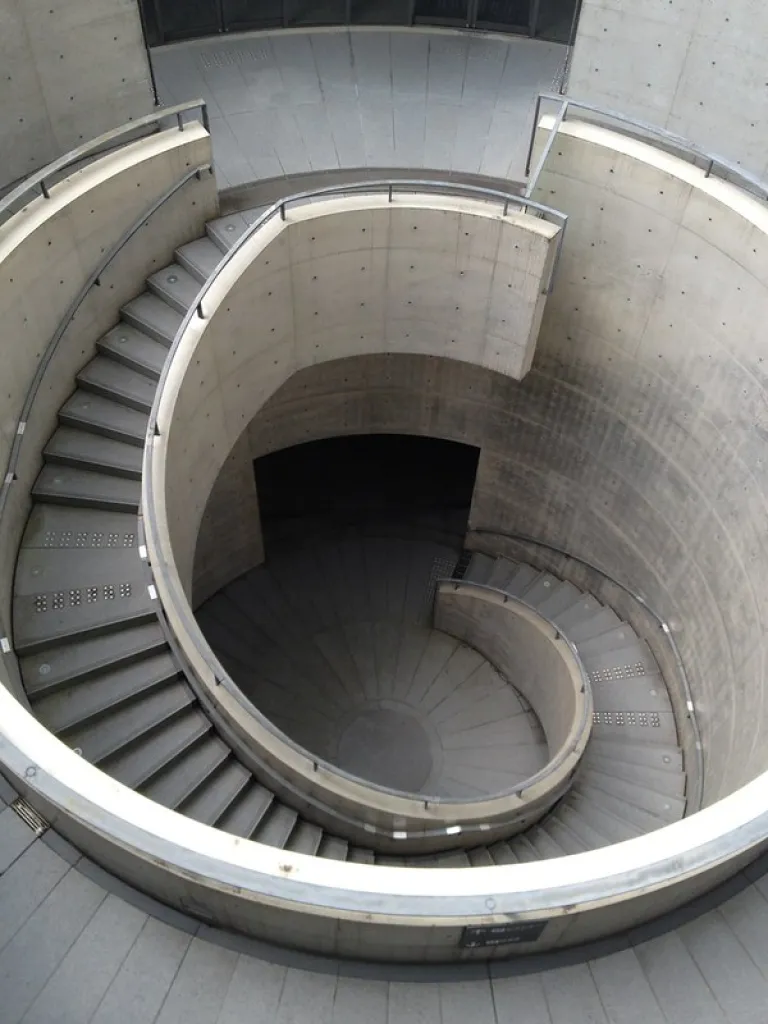 Image credit: Yuya Tamai | Flickr
From a distance, the building immediately displays the architect’s signature style. Vast walls of exposed concrete are combined with glass, water, and open spaces to create a structure that feels both monumental and inviting. Located beside Osaka Bay, the museum takes full advantage of its setting, with terraces, staircases, and viewing areas that frame the surrounding sea and cityscape. Natural light floods the interior through carefully positioned openings, creating an atmosphere that changes throughout the day.
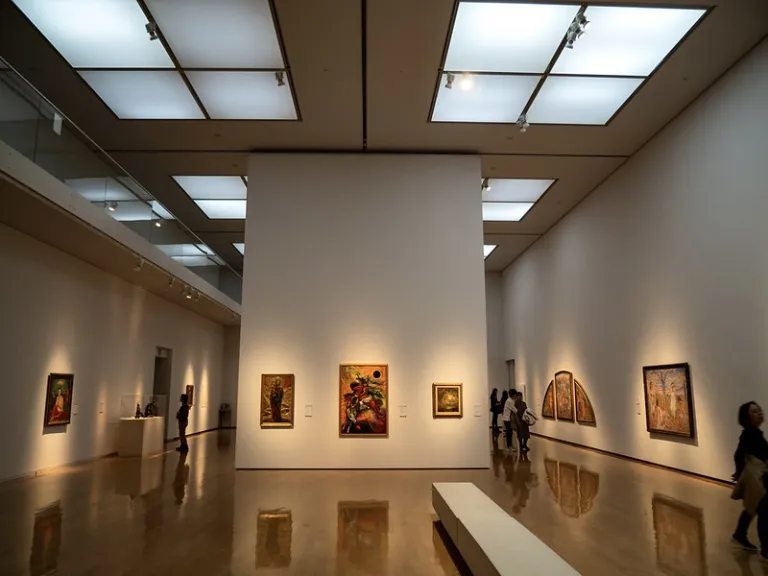 Image credit: L.E. Oleson | Flickr
Inside, visitors can explore an extensive collection of modern and contemporary art, including works by Japanese and international artists. However, many architecture enthusiasts visit just as much for the building itself as for the exhibitions. The dramatic central staircase, expansive outdoor spaces, and interplay between light and concrete showcase Ando’s ability to transform simple materials into memorable architectural experiences.
More than two decades after its opening, the museum remains one of Kobe’s defining cultural landmarks. For travellers interested in contemporary architecture, it offers a perfect introduction to Tadao Ando’s design philosophy while providing stunning views of the waterfront. Whether you come for the art or the architecture, the experience is equally rewarding.
6. Omotesando Hills
 Image credit: Taku | Flickr
Located along Tokyo’s famous Omotesando boulevard, Omotesando Hills is one of Tadao Ando’s most recognisable urban projects. Completed in 2006, the mixed-use complex transformed the former site of the historic Dojunkai Aoyama Apartments into a modern landmark while preserving the character of one of Tokyo’s most fashionable districts.
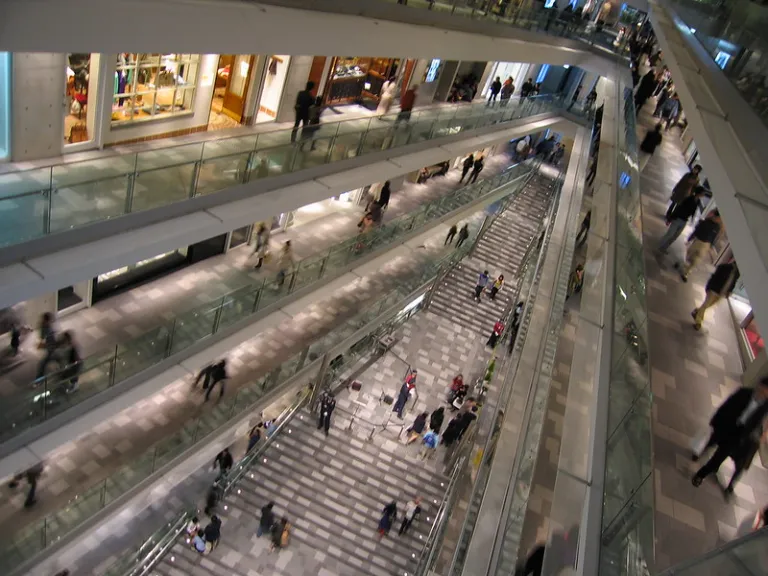 Image credit: Kim Ahlström | Flickr
Unlike many large-scale commercial developments, Omotesando Hills was designed to blend seamlessly into its surroundings. The building follows the gentle slope of Omotesando itself, allowing visitors to move gradually through the space rather than relying on conventional escalators. This continuous spiral layout is one of the project’s most distinctive features, creating a sense of flow that encourages exploration.
Ando’s signature use of exposed concrete is evident throughout the interior, where clean lines and minimalist surfaces provide a striking contrast to the luxury boutiques, cafés, and galleries housed within the complex. Large glass façades bring natural light into the building while maintaining a strong connection to the tree-lined avenue outside. The result is a space that feels sophisticated yet surprisingly open and welcoming.
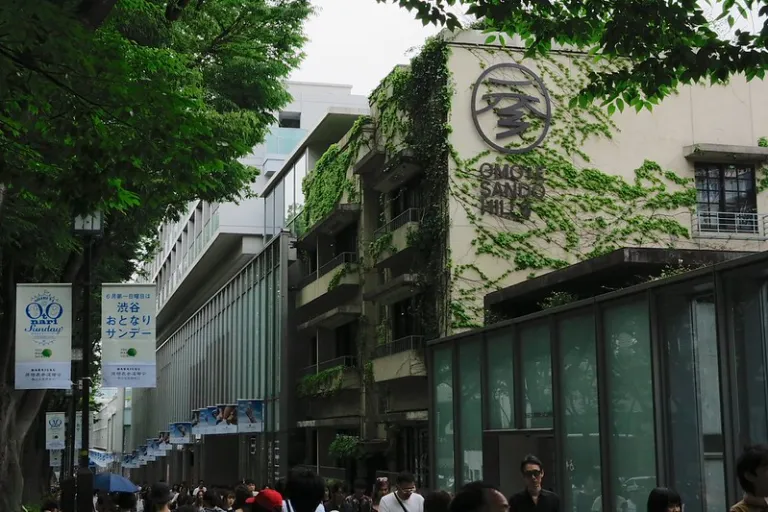 Image credit: MIKI Yoshihito | Flickr
What makes Omotesando Hills particularly interesting is the way it demonstrates Ando’s architectural philosophy in a commercial setting. Rather than treating shopping as the sole purpose of the building, he designed the complex as an urban experience where architecture, movement, and public space play equally important roles.
For travellers exploring Tokyo, Omotesando Hills offers more than just retail therapy. It is an opportunity to experience how one of Japan’s most influential architects reimagined a busy city block, creating a destination that remains both elegant and distinctly Tokyo.
7. Water Temple (Honpukuji)
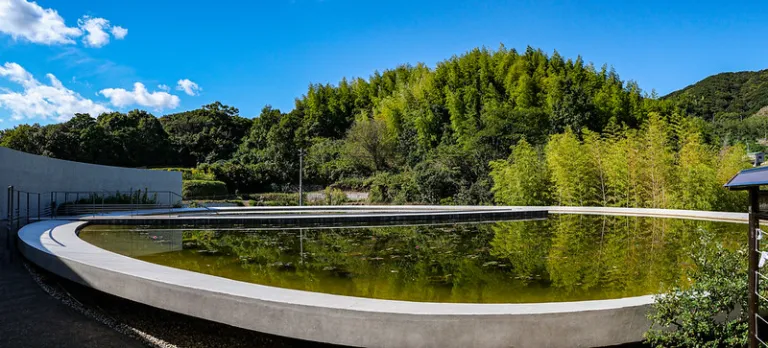 Image credit: L.E. Oleson | Flickr
Nestled in the hills of Awaji Island, Honpukuji Mizumido (Water Temple) is one of Tadao Ando’s most striking interpretations of sacred architecture. Completed in 1991, the temple appears understated at first glance, with a large oval lotus pond greeting visitors instead of a traditional temple hall. Yet beneath its tranquil surface lies one of Ando’s most memorable architectural spaces.
The journey through the temple is carefully choreographed. Visitors descend a dramatic staircase that cuts through the centre of the lotus pond before emerging into the main worship hall below ground. This gradual transition from bright natural light to a dimly lit interior creates a powerful sense of calm and reflection, illustrating Ando’s belief that architecture should shape both movement and emotion.
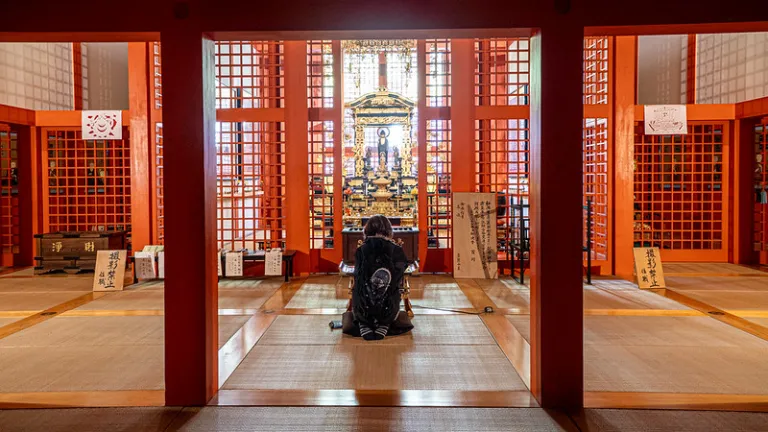 Image credit: L.E. Oleson | Flickr
Inside, the minimalist concrete structure is transformed by warm vermilion walls inspired by traditional Buddhist architecture. Natural light filters into the space from above, creating a quiet atmosphere that changes subtly throughout the day. The contrast between the cool concrete, the vivid interior, and the still water overhead makes the temple unlike any other religious site in Japan.
Although less famous than the Church of the Light or Naoshima’s museums, the Water Temple is considered one of Ando’s finest works. It perfectly captures the themes that define his architecture: simplicity, light, water, and a deep respect for nature. For travellers exploring Awaji Island, it offers a peaceful retreat and a chance to experience one of Japan’s most remarkable examples of contemporary architecture in a spiritual setting.

About Author
Tomohiro is passionate about movies and enjoys spending his time watching baseball games and connecting with new people through conversation. He has a sociable personality and loves learning about different perspectives and cultures. On his days off, he often travels across various parts of the UK, exploring new towns, landscapes, and local experiences while planning his next journey.
Recommended Reads
8 Must-Visit Temples in Kyoto
Culture & Heritage
Top Destinations Near Singapore for a Weekend Resort Getaway
Beach & Island Retreats
Geisha Hunting in Kyoto: How to Spot a Real One
Culture & Heritage