
How to Travel from Singapore to Europe Without Flying
For anyone who has ever proclaimed “I like trains”

Ever dreamed of a grand adventure, swapping the confines of an aeroplane cabin for the ever-changing scenery of the world outside your window? For Singaporeans wondering how to travel from Singapore to Europe without flying, the answer is an intricate and rewarding overland quest. While there is no single train ride that will take you the entire way there, you can piece together the journey using a patchwork of regional trains and buses.
How to Travel from Singapore to Europe Without Flying: An Overland Adventure
This is slow travel at its best, demanding patience and planning. But for those with a spirit of adventure, it offers an unforgettable experience. Here is a guide to the classic route, including estimated costs, and an emerging alternative for your grand tour.
Also read: 6 Epic Train Journeys Starting from Singapore: To Bangkok, Korea & Even Europe
The Classic Route: The Trans-Mongolian Path
The most established overland route relies on the legendary Trans-Mongolian railway. It is a multi-stage trip that winds its way through Southeast Asia, China and across the vast expanse of Russia.
Leg 1: Singapore to Bangkok
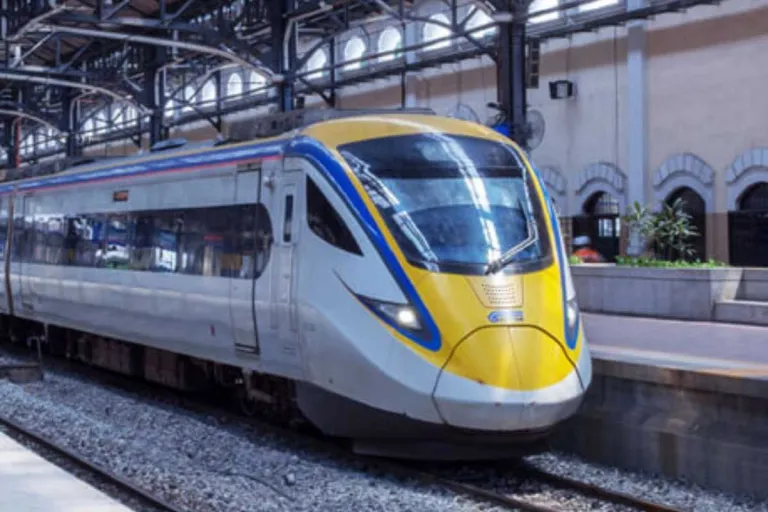
Image credit: KTM Berhad
You can reach Penang by coach or train. Coach is fastest and most direct, but the journey typically takes 9.5-10.5 hours. The train route is slightly shorter, beginning with the KTM Shuttle Tebrau from Woodlands to JB Sentral. From there, you can board an ETS train to Kuala Lumpur, a trip of roughly six to seven hours in total. In Kuala Lumpur, your next leg takes you to Bangkok. This is usually an overnight journey on KTM and Thai Rail services, crossing the border at Padang Besar.
Estimated cost: This first stage is quite affordable. Expect to pay around S$100 to S$150 for the combination of tickets from Singapore to Bangkok.
Coach from Singapore to Penang: $33 – $80
Trains from Singapore to Penang: $50
Van from Penang to Padang Besar: RM 10 (~$3.22)
Van from Padang Besar to Hat Yai: RM 30 (~$9.67)
Estimated duration: 7 hours by coach, 24 hours by train
Leg 2: Bangkok to Beijing

Image credit: Laos Train Tickets
From Bangkok, your path leads towards China. You will take a Thai train to Nong Khai on the Laos border. After crossing into Laos, you can board the modern Laos to China Railway, which takes you north to the city of Kunming. Subsequently, you can catch one of China’s high-speed or conventional trains to a major northern hub like Beijing.
Estimated cost: The trains from Bangkok through Laos and across China to Beijing will likely set you back between S$400 and S$550, depending on the class of travel.
Train from Hat Yai to Bangkok: RM130 (~$42)
Sleeper train from Bangkok to Nong Khai: RM33-130, depending on type of train (~$10.64)
Bus from Nong Khai to Laos border: RM4.50 (~$1.45)
Train from Laos Vientiane to Kunming China: RM320 (~$103)
Train from Kunming to Chengdu: RM150 (~$49)
Train Chengdu to Xi An: RM150 (~$49)
Train Xi An to Beijing: RM300 (~$97)
Estimated duration: 2-3 days
Leg 3: Trans-Mongolian Railway from Beijing to Moscow
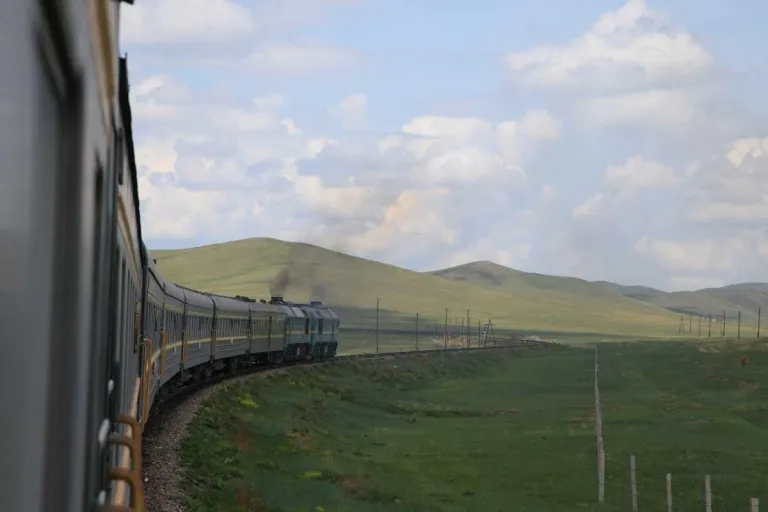
Image credit: iannomadav via Canva Pro
This is the centrepiece of the journey. From Beijing, you will board an international train bound for Moscow. The Trans-Mongolian line is a popular choice, taking you through the stunning landscapes of the Gobi Desert and Mongolia before crossing into Siberia. This leg alone is an adventure, taking approximately five to six days onboard.
Estimated cost: This is the most significant single expense. A second-class berth on the Trans-Mongolian train from Beijing to Moscow typically costs between S$1,100 and S$1,500.
Train from Beijing to Mongolia: RM 800 (~$258)
Train from Mongolia to Russia Irkutsk: RM 532 (~$172)
Train from Irkutsk – Moscow: RM 550 (~$178)
Estimated duration: 5-6 days
Leg 4: Moscow to Warsaw
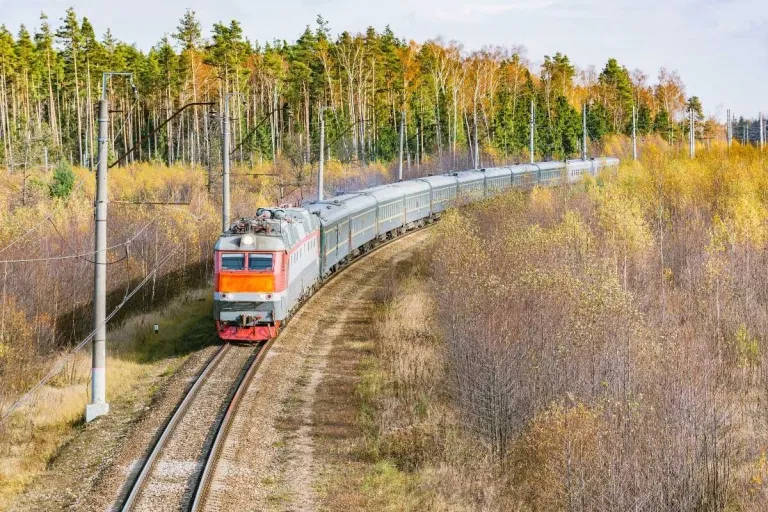
Image credit: Serjio74 via Canva Pro
Finally, from Moscow, you would traditionally continue west by rail into Europe. However, due to current geopolitical issues, direct rail links between Russia and the European Union are extremely limited. Onward travel to Poland via Belarus is often complicated, and you may need to rely on bus segments or alternative routes.
Estimated cost: Due to the complex logistics required, this final leg is unpredictable. Budget approximately S$150 to S$250 for the series of trains and buses needed to get from Moscow to Warsaw.
Train from Moscow to Saint Petersburg: RM 81 (~$27)
Coach from Saint Petersburg to Tallin, Estonia: RM60-230 (~$19.34-74.15)
Train from the Baltics to Warsaw: RM123 (~$40)
Estimated duration: 15-18 hours
Potential Obstacles and Contingency Strategies
Add generous buffer times for border immigration delays. Aim for at least 40 to 60 minutes between separate tickets, and schedule key cross‑border connections on the next day if possible.
Another constraint would be visas. You will need to secure visas for several countries in advance, most notably for China and Russia. Furthermore, flexibility is key. Train schedules, border crossings and political situations can change with little notice. You must check the latest information close to your travel dates.
In total, you should budget between S$1,750 and S$2,450 per person for transport alone on the classic route. This estimate does not include the significant costs of visas, food, insurance, or accommodation during stopovers.
Alternative route through Central Asia
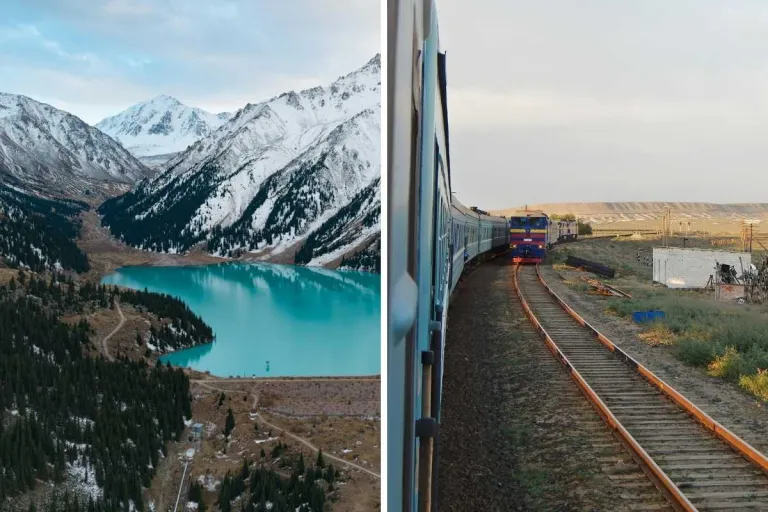
Image credit: Ethan Brooke (left), ekipaj (right) via Canva Pro
For travellers wishing to avoid Russia, an alternative route through Central Asia is slowly emerging. This ‘Middle Corridor’ is currently geared more towards freight than passengers, making it a path for the truly intrepid.
The route begins similarly, taking you from Singapore to Kunming in China. From western China, you would travel into Central Asia, through countries like Kazakhstan and Uzbekistan. From there, the journey continues by a mix of rail and ferry across the Caspian Sea into Türkiye. Once in Istanbul, you’ll have regular trains to Central Europe and Warsaw.
Costs for this route are highly variable and difficult to estimate due to the use of non-standard passenger routes, ferries and buses. It presents an exciting future possibility, but for now, it remains a complex option.
It’s possible to get to Europe without flying if you do some serious planning
Ultimately, travelling from Singapore to Europe overland is a serious undertaking. The classic route via Russia is the most straightforward on paper but faces significant political hurdles today. Whichever path you consider, the journey promises to be as memorable as the destination.
Featured image credit: iannnomadav via Canva Pro

About Author

Her motto is "experience everything at least once". An adrenaline junkie at heart, she is always down for spontaneous adventure, especially to exotic destinations. She finds the most meaningful aspect of travel is cultural immersion, and talking to locals is an underrated travel hack.