
A Perfect Day in Shibamata: Tokyo’s Nostalgic Old-Town Escape
Shibamata offers a nostalgic Tokyo escape with temple streets, riverside views and retro charm. Start at Shibamata Station, visit the Tora-san statue, and stroll along Taishakuten-Sando.
Tokyo is often associated with neon lights, crowded crossings and towering skyscrapers, but Shibamata moves at a gentler pace. Tucked away in Katsushika City, this old-town neighbourhood feels like a small step back in time, with temple streets, traditional snacks and riverside views all within easy reach of central Tokyo. For travellers who want to see a quieter, more nostalgic side of the capital, Shibamata makes for an ideal day out.
Also read: Tokyo Subway Guide: How To Get Around Japan Using Trains
1. Shibamata Station
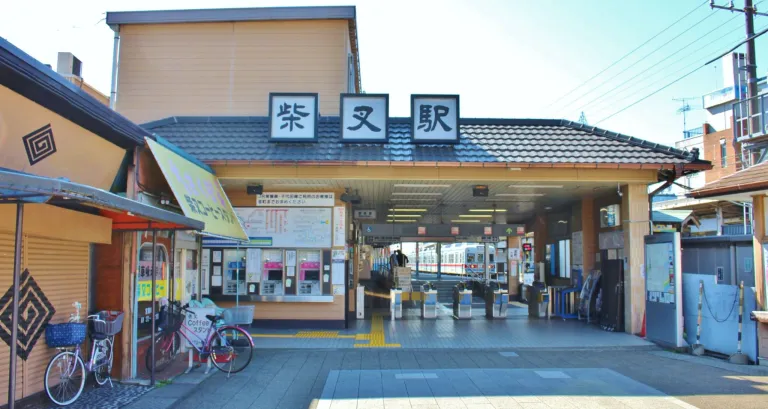 Image credit: Yoshio Kohara | Wikimedia Commons
Start your day at Shibamata Station, around 50 minutes by train from Tokyo Station. This small, nostalgic station offers a calm introduction to the neighbourhood, setting the tone for a slower and more traditional side of Tokyo.
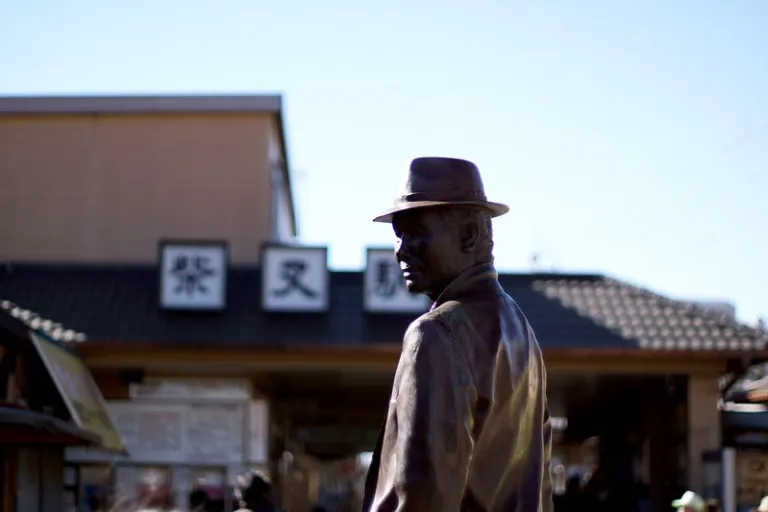 Image credit: M's photography | Flickr
Just outside Shibamata Station, visitors will find the statue of Tora-san, the beloved main character from the long-running Japanese film series Otoko wa Tsurai yo. As one of Shibamata’s most recognisable symbols, the statue gives travellers a glimpse into the neighbourhood’s strong connection with classic Japanese cinema.
2. Taishakuten-Sando
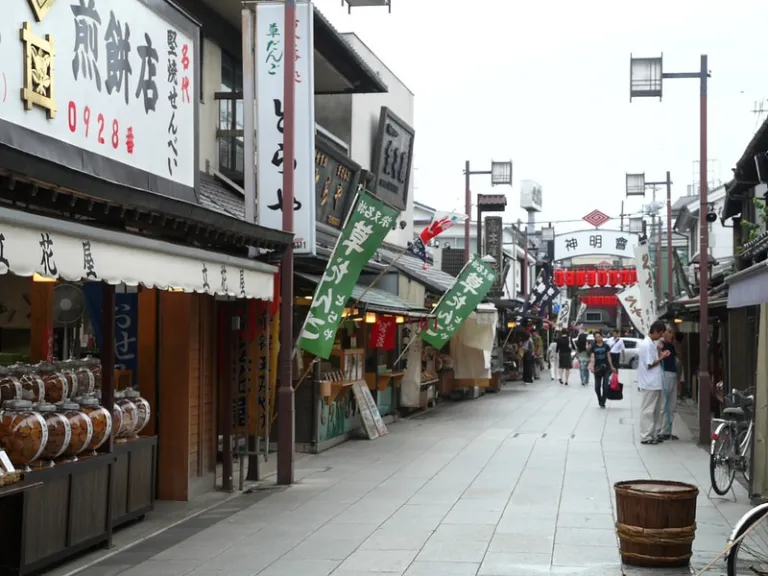 Image credit: Hidetsugu Tonomura | Flickr
After stopping by the Tora-san statue, continue towards Taishakuten-Sando, the charming shopping street that connects Shibamata Station with Shibamata Taishakuten Temple. The street is lined with traditional shops, family-run restaurants and nostalgic storefronts that make the area feel far removed from central Tokyo.
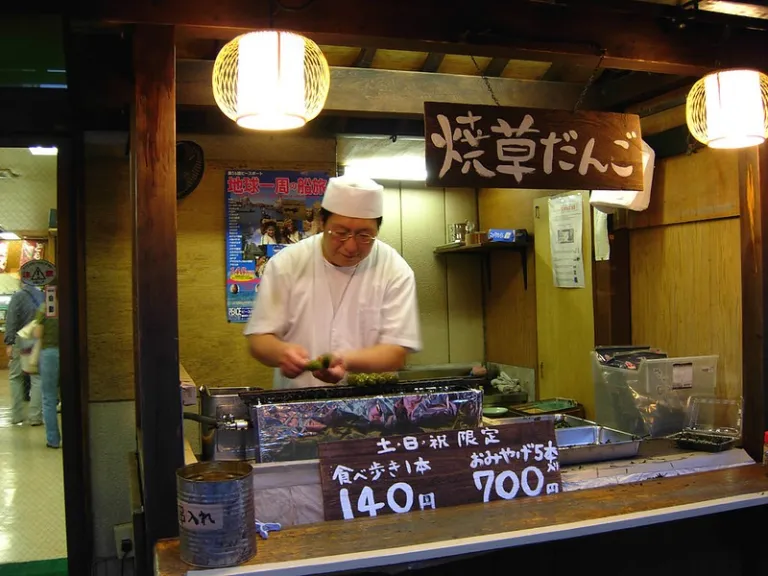 Image credit: bugrabbit | Flickr
As you walk along the approach, you will find local snacks such as kusa dango, freshly grilled rice crackers and classic Japanese sweets, making it a great place to slow down and enjoy the atmosphere before visiting the temple.
One shop worth stopping by is Toraya, where travellers can try Shibamata’s famous kusa dango. On Saturdays, Sundays and public holidays, the shop also serves grilled kusa dango, freshly cooked with the fragrant flavours of mugwort, soy sauce and nori. With its savoury taste, it is a great option for those who prefer something less sweet or want a small snack while strolling through the old-town streets.
3. Shibamata Taishakuten Temple
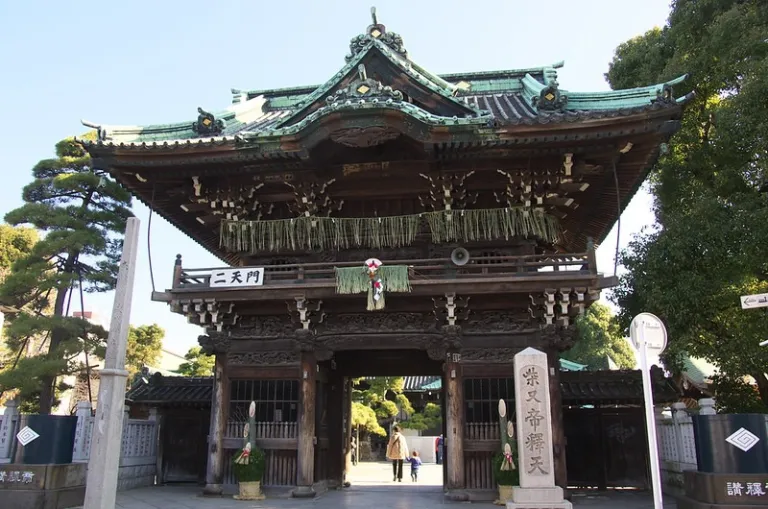 Image credit: shin Suzuki | Flickr
At the end of Taishakuten-Sando, you will arrive at Shibamata Taishakuten Temple, one of the neighbourhood’s most important landmarks. Founded in 1629, the temple has long been loved by locals and visitors alike, offering a peaceful contrast to the lively shopping street outside. Its wooden buildings, traditional gate and calm atmosphere make it a perfect place to slow down and take in Shibamata’s old-town charm.
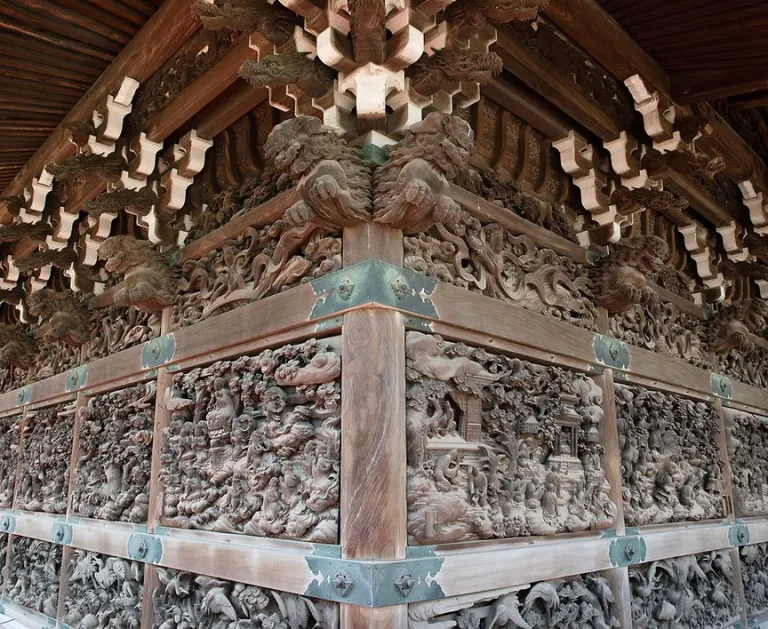 Image credit: Shibamata Taishakuten Temple Official Website
Inside Shibamata Taishakuten Temple, one of the main highlights is the Sculpture Gallery, where visitors can admire the temple’s intricate wooden carvings up close. These detailed works are based on stories from the Lotus Sutra and show the remarkable craftsmanship behind the temple. For those who want to go beyond a quick visit, the gallery offers a quieter look at the artistic side of Shibamata Taishakuten.
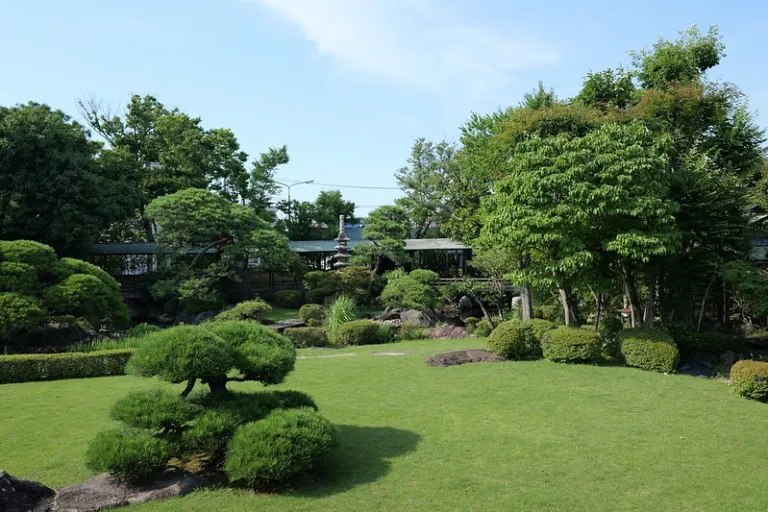 Image credit: Hideya HAMANO | Flickr
For visitors with a little more time, the temple’s paid inner area is also worth exploring. Beyond the main temple grounds, the Sculpture Gallery and Suikeien Garden offer a quieter side of Shibamata Taishakuten, where detailed temple art and a peaceful Japanese garden can be enjoyed at a slower pace.
4. Yamamoto-Tei
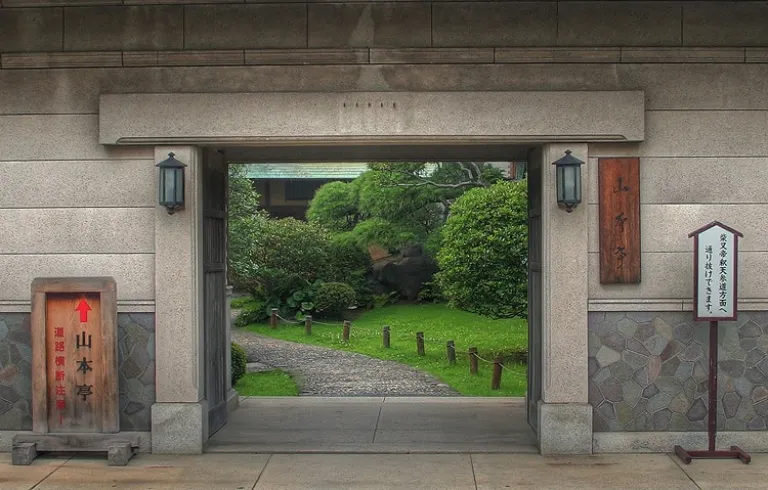 Image credit: Alexander Safonov | Flickr
Just a short walk from Shibamata Taishakuten, Yamamoto-Tei offers a peaceful change of pace. This former private residence is known for its elegant blend of Japanese and Western-style design, as well as its beautifully maintained garden. For just ¥100, visitors can step inside, take in the calm atmosphere, and enjoy a quiet break while looking out over the greenery. It is a lovely spot to slow down before continuing your day in Shibamata.
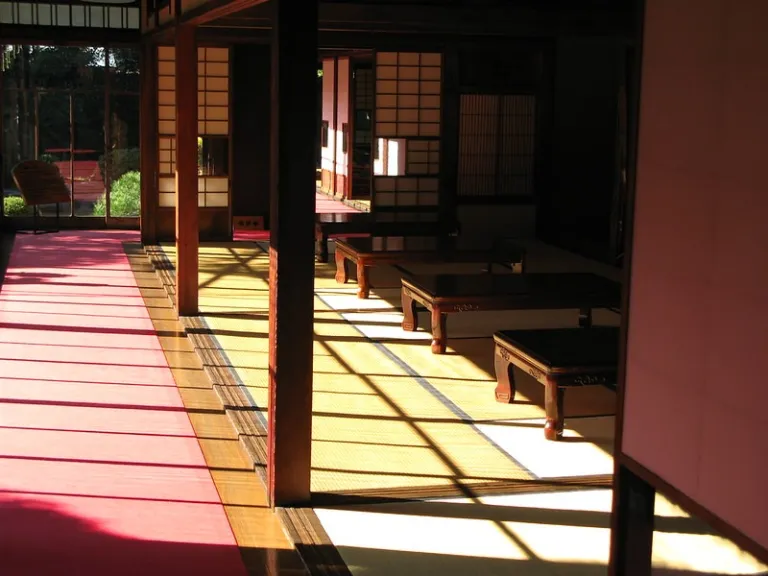 Image credit: TANAKA Juuyoh (田中十洋) | Flickr
Open from 9am to 5pm, Yamamoto-Tei is also a lovely place to pause for refreshments, with matcha, coffee, ramune, zenzai and seasonal treats available at the cafe. Although the residence is designated as a Tangible Cultural Property, visitors can still sit down and enjoy drinks while looking out over the garden. The building itself is worth taking time to appreciate too, as it combines traditional Japanese features such as shoin-style rooms and tatami spaces with Western details including glass windows, pendant lights and decorative touches from the early Showa period.
5. Tora-san Museum
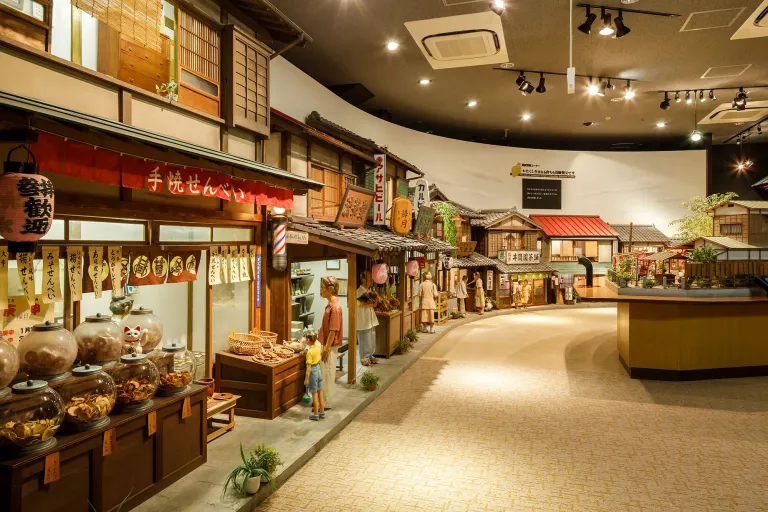 Image credit: Katsushika City Tourism Website
A short walk from Yamamoto-Tei brings you to the Katsushika Shibamata Tora-san Museum, a must-visit for anyone curious about Shibamata’s connection to Japanese cinema. The museum is dedicated to Otoko wa Tsurai yo, one of Japan’s most beloved film series, and recreates the world of Tora-san through old sets, costumes, dioramas and video displays. Even if you are not familiar with the films, it is a fun way to understand why Shibamata holds such a special place in Japanese popular culture.
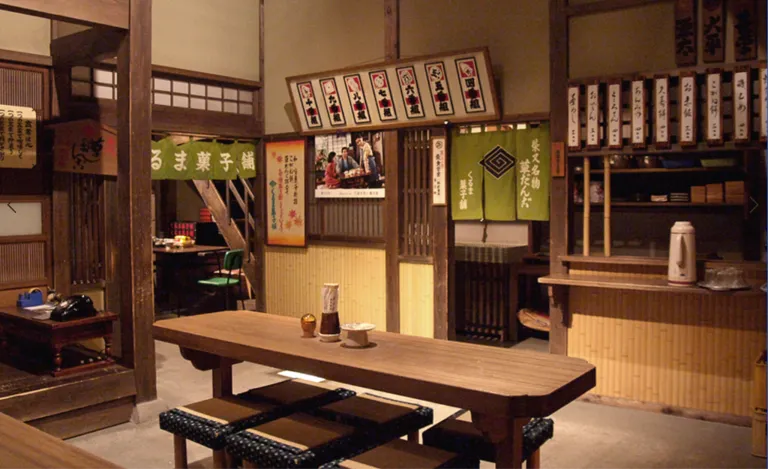 Image credit: Katsushika City Tourism Website
Admission is ¥500 for adults, and the ticket also includes entry to the Yoji Yamada Museum, which introduces the work of the film director behind the series. The museum is open from 9am to 5pm, with the last entry 30 minutes before closing, making it an easy stop before ending the day by the Edo River.
The highlight is the recreated set of Kurumaya, the traditional dango shop that appears throughout the films. Even without knowing the series, it is easy to enjoy the warm, everyday atmosphere of the space, from the shopfront to the small details that make it feel lived in. The museum also displays props, dioramas and scenes from Tora-san’s journeys across Japan, giving visitors a glimpse into the landscapes and human stories that made the films so beloved. Following its 2025 renewal, the museum has added more hands-on exhibits, including touch panels, quizzes and displays of nostalgic Showa-era telephones, making it approachable for both film fans and first-time visitors.
5. Cafe Sepia
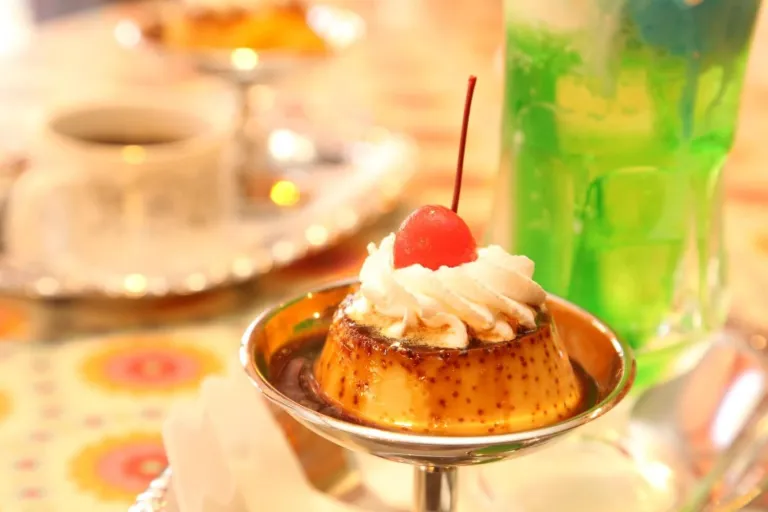 Image credit: Cafe Sepia Official Website
After exploring Shibamata’s temples, gardens and film history, take a break at Showa Retro Cafe Sepia, a charming kissaten just a short walk from Shibamata Station. Step inside and you will find a colourful world of old toys, nostalgic decor and Showa-era details that feel more like a time capsule than a regular cafe. The menu includes classic drinks and sweets, but the handmade firm pudding, made simply with milk, sugar and eggs, is one of the highlights. With its bittersweet caramel and old-fashioned atmosphere, Sepia is a cosy stop for travellers who want to experience another layer of Shibamata’s retro charm.
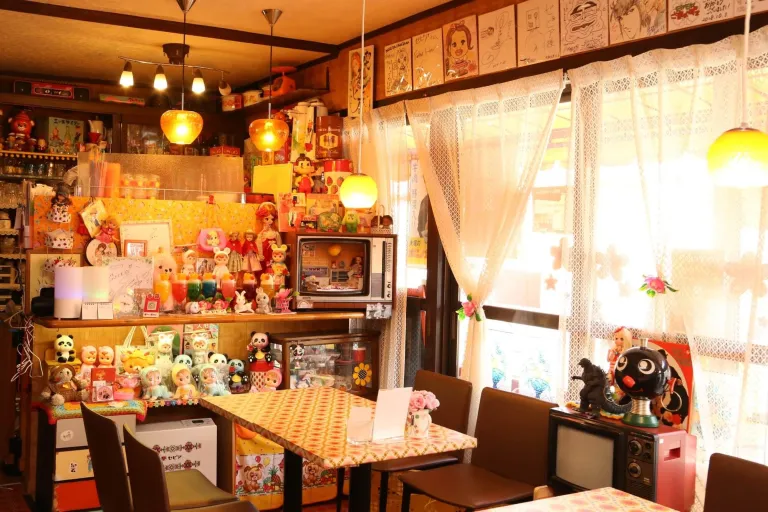 Image credit: Cafe Sepia Official Website
The cafe is usually open from 12pm to 5pm on Mondays, Tuesdays, Wednesdays, Fridays, Saturdays and Sundays, with last orders at 4:30pm and food orders until 4pm. Opening days may change, so it is best to check the cafe’s official Instagram before visiting. Private room reservations are also available by phone.
9. Edo River / Yagiri-no-Watashi
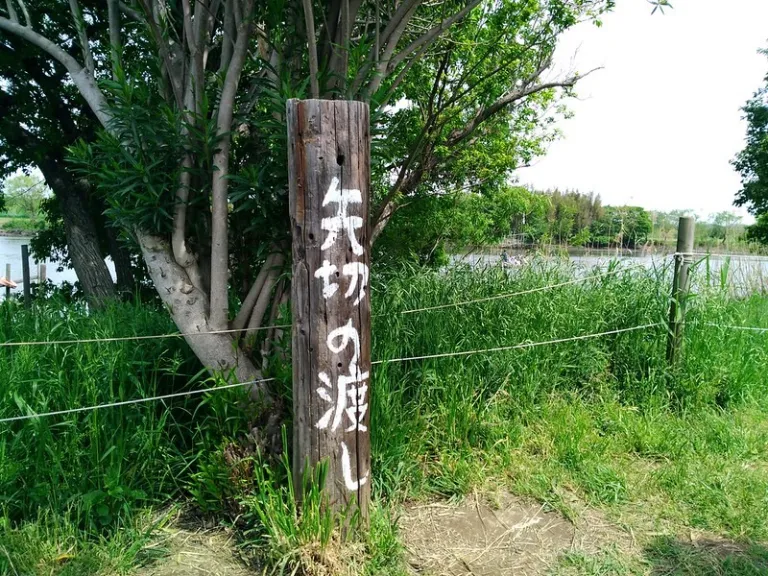 Image credit: Hanako | Flickr
End your day with a quiet walk towards the Edo River, where Shibamata opens up into a much calmer riverside landscape. Here, you will find Yagiri-no-Watashi, a traditional ferry crossing that connects Shibamata with Matsudo in Chiba Prefecture. The short boat ride offers a simple but memorable way to experience the slower side of the neighbourhood, far from the crowds and traffic of central Tokyo.
Even if you do not take the ferry, the riverside area is still worth visiting for its open views and peaceful atmosphere. After a day of temple visits, retro cafes and nostalgic streets, this is a fitting place to slow down one last time before heading back to the station.
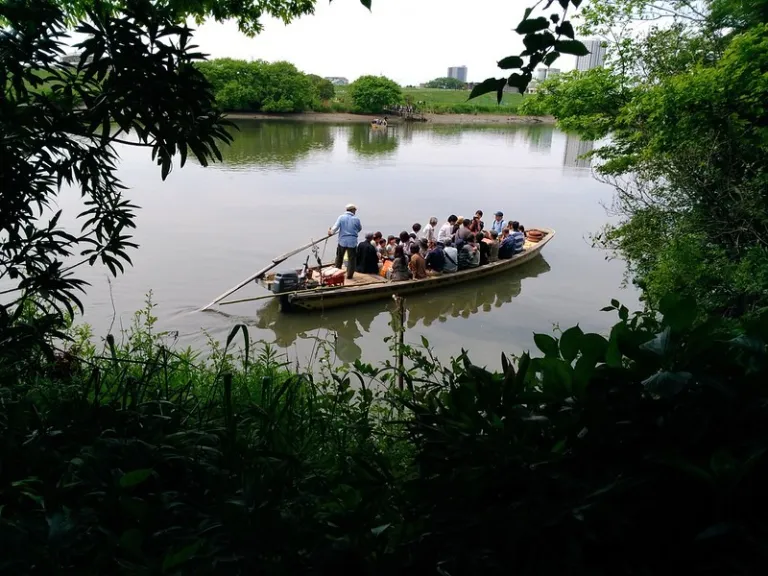 Image credit: Hanako | Flickr
The ferry usually operates from around 10am to 4pm, with seasonal changes to its schedule, and a one-way ride costs ¥300 for adults and ¥100 for children. As services may be affected by weather or river conditions, it is best to check before visiting.
Shibamata may not have the flashiness of Tokyo’s better-known districts, but that is exactly what makes it so memorable. From its nostalgic shopping street and historic temple to quiet gardens, retro cafes and riverside views, the neighbourhood offers a slower kind of Tokyo day trip. For travellers looking to step away from the usual crowds and discover a warmer, more old-fashioned side of the city, Shibamata is well worth adding to the itinerary.

About Author
Tomohiro is passionate about movies and enjoys spending his time watching baseball games and connecting with new people through conversation. He has a sociable personality and loves learning about different perspectives and cultures. On his days off, he often travels across various parts of the UK, exploring new towns, landscapes, and local experiences while planning his next journey.