
Russian Market Roundup: What to Buy and Eat at this Buzzing Phnom Penh Market
Who said going through markets have to be overwhelmingly difficult? Here are the top things to look out for!

Phnom Penh’s Russian Market, known locally as Phsar Tuol Tom Poung, is a maze of narrow aisles packed with clothing, textiles, handicrafts, household goods, motorcycle parts and plenty to eat.
Its nickname dates to the 1980s, when the market became popular among Russian and Soviet expatriates living in the Cambodian capital. Today, it combines the energy of a working neighbourhood market with sections geared towards travellers searching for souvenirs and local flavours.
It can feel chaotic when you first step inside, but that is part of the experience. Take your time, compare stalls and keep an eye out for these things to buy and eat.
1. Khmer Coffee
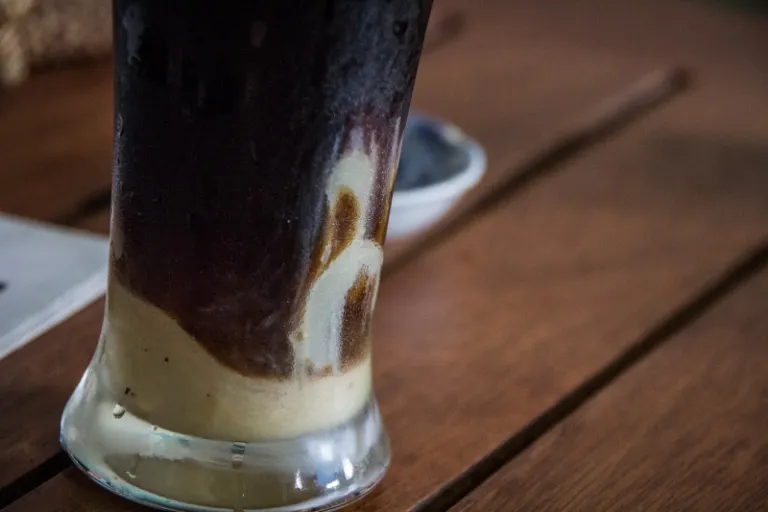
Image credit: Aaron Gilson
A cold Khmer coffee provides welcome relief from the heat inside the market. The drink usually combines strong, dark coffee with ice and sweetened condensed milk, resulting in something rich, refreshing and considerably sweeter than an ordinary iced black coffee.
The market has long been associated with a popular coffee stall run by Mr Bounnareth, but its exact location has shifted over the years. Rather than relying on old directions, ask vendors where to find the best-known iced-coffee seller or simply choose a busy stall preparing each drink fresh.
Ask for less condensed milk if you prefer your coffee less sweet.
2. Elephant Pants
The market’s clothing stalls are filled with loose patterned trousers, T-shirts, dresses, shorts and other affordable pieces suited to Cambodia’s warm weather.
Prices depend on the fabric, quality and number of items purchased, so the old fixed estimate should no longer be used. Compare several stalls before buying, inspect the stitching and negotiate politely if the opening price seems high.
Labels do not necessarily indicate that branded clothing is authentic, so choose items based on their quality and fit rather than the name printed on them.
3. Fried Creepy Crawlies – Crickets, Silkworms & More!
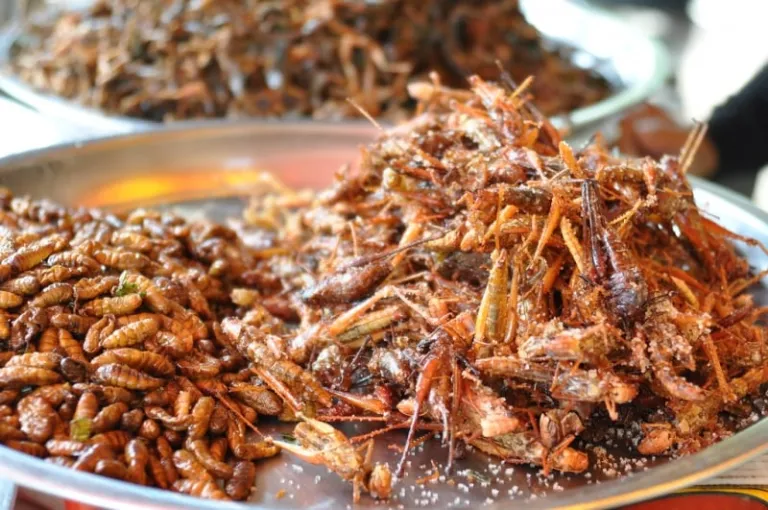
Adventurous eaters may encounter trays of fried crickets, silkworm pupae, grasshoppers and other seasoned insects, although the selection varies between vendors and days.
Some are light and crunchy, while others have a softer texture. Vendors may season them with salt, chilli, sugar, garlic or aromatic leaves.
Insects became an important survival food for many Cambodians during the famine and displacement of the Khmer Rouge era, but it is too simplistic to claim that the country’s entire insect-eating tradition began during that period. Similar practices may have existed much earlier.
Choose a busy stall where the food appears freshly cooked, and begin with a small portion if it is your first time trying them.
4. Grilled Banana
Bananas become softer, sweeter and lightly caramelised when cooked over charcoal, making them an easy snack to enjoy while exploring the market.
You may find plain bananas grilled on skewers or flattened before being cooked. Some vendors also sell banana-filled sticky-rice cakes wrapped in banana leaves, which are a separate preparation rather than sticky rice served automatically on the side.
Both versions are best eaten warm, but give them a moment to cool before taking your first bite.
5. Ceramics, woodwork & more
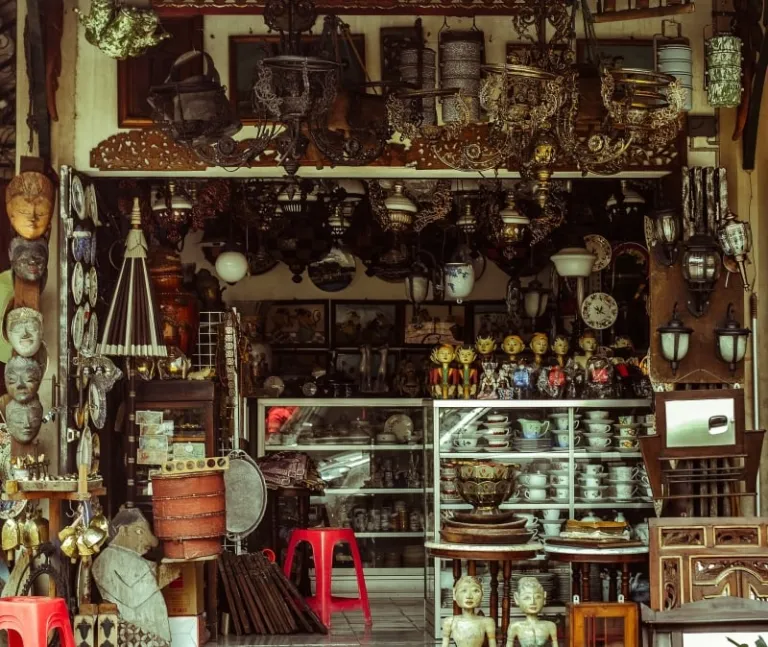
Russian Market remains a popular place to browse ceramics, wooden carvings, miniature temples, decorative objects and other Cambodia-themed souvenirs. Official tourism information also highlights fabrics, jewellery, handicrafts and sculptures among the items commonly sold here.
Quality and origin vary considerably, so do not assume that every item is locally handmade or genuinely old. Ask the vendor where a product was made, check it carefully for damage and compare similar pieces at several stalls.
Fragile ceramics and carvings may need additional wrapping if you are carrying them home in your luggage.
6. Khmer Scarves & Woven Silk
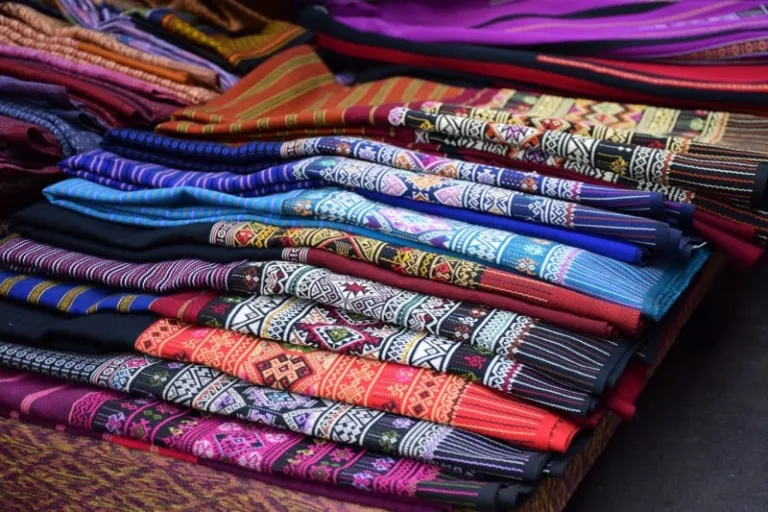
Look beyond generic printed scarves for a krama, the traditional Cambodian woven textile recognised by its checked patterns and practical versatility.
Kramas are used as scarves, head coverings, belts, blankets and carrying cloths. The cultural practices and expressions surrounding them were added to UNESCO’s Representative List of the Intangible Cultural Heritage of Humanity in 2024.
They may be woven from cotton, silk or blended fibres, so ask about the material rather than assuming every scarf is silk. The market also sells bags, table runners and other accessories featuring Cambodian-inspired patterns.
7. Prahok
Prahok is not a standalone national dish, but a strongly flavoured salted and fermented fish paste used throughout Cambodian cooking.
It may be added to soups, sauces and cooked dishes or combined with ingredients such as coconut milk, minced meat, herbs and vegetables. One approachable preparation is prahok ktis, a rich dipping dish commonly eaten with fresh vegetables and rice.
Prahok is not always wrapped in banana leaves, as the original article suggests. At the market, it may be sold in containers or appear within prepared foods. Choose properly sealed packaging if you intend to take some away, and remember that its powerful aroma can travel surprisingly far.
ussian Market is no longer a secret known only to residents. Its souvenir aisles appear on many Phnom Penh itineraries, but it remains a lively working market where fresh produce, meals, household goods and vehicle parts sit alongside crafts and clothing.
Most stalls operate from morning until late afternoon, with individual schedules varying and additional food vendors sometimes appearing outside later in the day. Visit earlier for cooler temperatures and a wider selection, carry small notes and take your time navigating the narrow passages.
You might arrive looking for a scarf or cup of coffee and leave carrying considerably more than planned.

About Author

Obsessed with the world and its people, Nadhira launches into lengthy, deep conversations with just about any local she meets in her travels. She can also be a homebody who spends too much time on Youtube - switching from beauty tutorials, to crime documentaries - then back to beauty again.