
Why Are Passports Different Colours? Here’s What Their Covers Really Mean
If you think passport colours are random or for aesthetic purposes, think again! The different colours actually reflect a country’s geographical or political status.

While waiting in an immigration queue, you may have found yourself glancing at the passports held by other travellers. Some are burgundy, others are navy blue, green or almost completely black. But who chooses these colours, and do they actually mean anything?
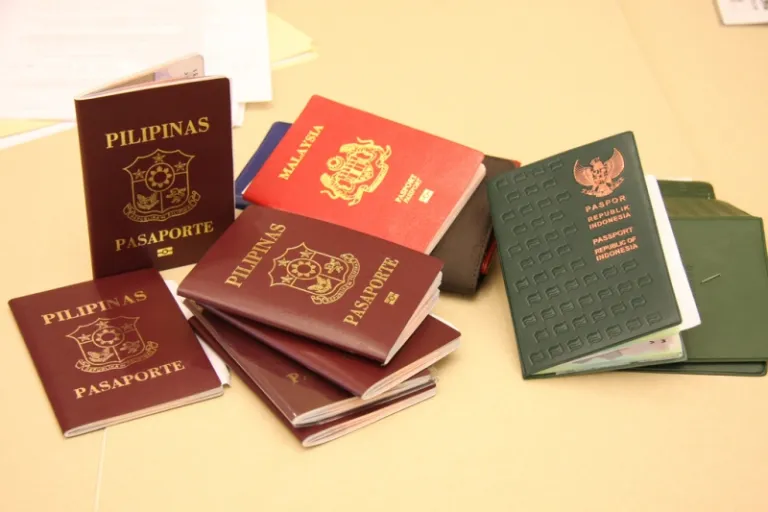
Image credit: susi.bsu
Passport covers are not governed by a universal colour-coding system. Although certain colours have become associated with particular regions, political groups or national traditions, countries are generally free to select their own designs.
The International Civil Aviation Organization establishes technical standards for machine-readable travel documents, covering details such as passport dimensions, data pages and security requirements. The final appearance of the cover, however, is decided by the issuing government.
That means there is no official rule stating that every red passport represents one political ideology or that every green passport has a religious meaning. Instead, passport colours usually reflect a mixture of regional cooperation, national symbolism, historical choices and practical design considerations.
Why are so many passports red or burgundy?
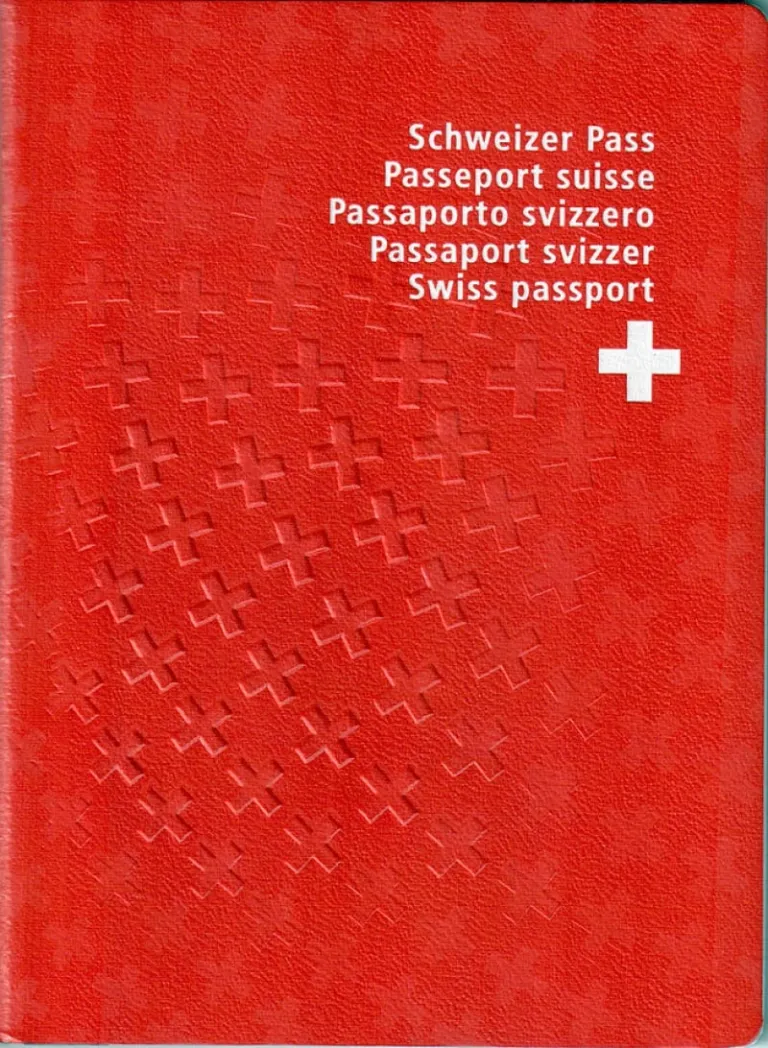
Switzerland Passport
Red and burgundy are among the most recognisable passport colours, particularly across Europe.
Most European Union countries issue burgundy passports based on a common recommended design. These covers generally display the words “European Union”, followed by the issuing country’s name and national emblem. Croatia is a notable exception, retaining a dark blue cover for its ordinary passport.
Several countries outside the EU also use red passports. Switzerland’s bright red cover, for example, mirrors the colour of its national flag, while Singapore’s passport similarly incorporates one of the country’s national colours.
Red passports have sometimes been associated with countries that have communist histories, but this is not a reliable rule. China uses a red ordinary passport, yet many other countries with no such political background have selected similar shades.
The colour is therefore better understood as a popular design choice rather than evidence of a country’s political system.
What does a blue passport mean?
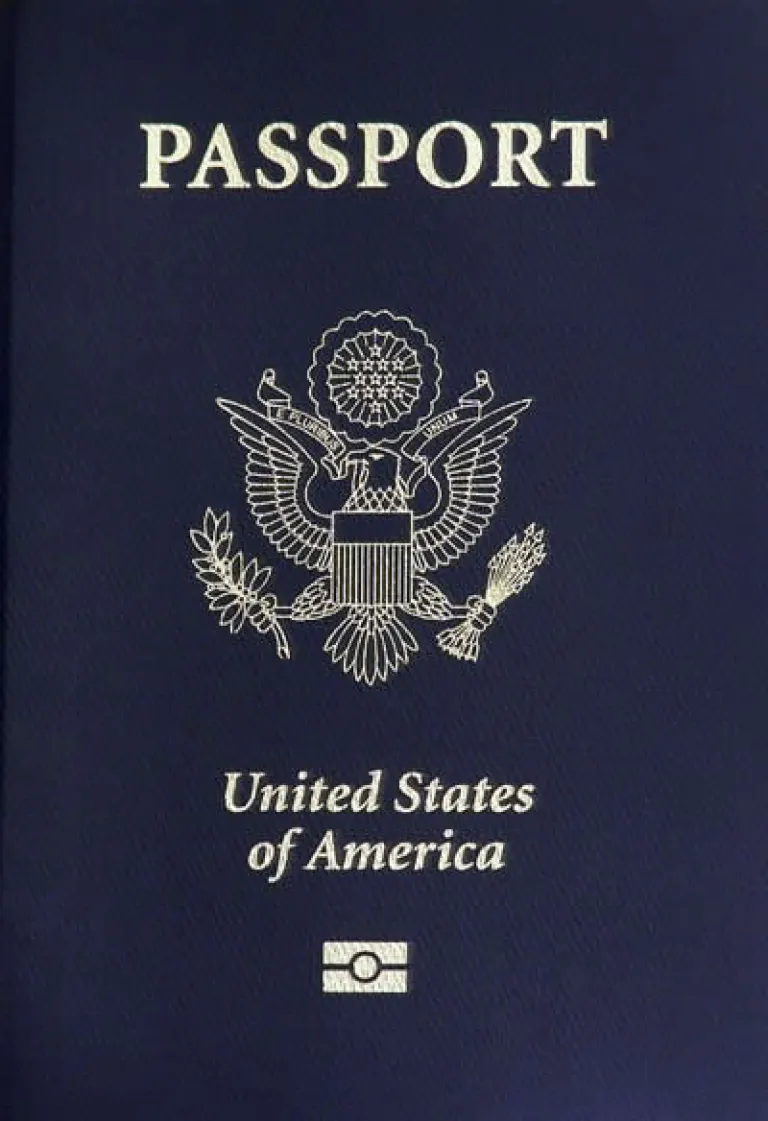
American Passport
Blue is another widely used passport colour, appearing across the Americas, Oceania and parts of Europe.
The United States issues navy blue passports to ordinary citizens, while Canada and several Caribbean nations also use shades of blue. Australia’s ordinary passport has a dark blue cover as well.
In South America, blue has been adopted as part of the recommended common design for ordinary passports issued by members of Mercosur, the regional trade bloc that includes countries such as Argentina, Brazil, Paraguay and Uruguay.
The United Kingdom also returned to a dark blue passport after leaving the European Union. The new design began replacing the burgundy EU-style passport in 2020, although older burgundy passports remained valid until their respective expiry dates.
Blue is sometimes described as the colour of the “New World”, but that explanation is far too broad to account for every country that uses it. As with red passports, regional conventions and national preferences offer a more accurate explanation.
Why do some countries use green passports?
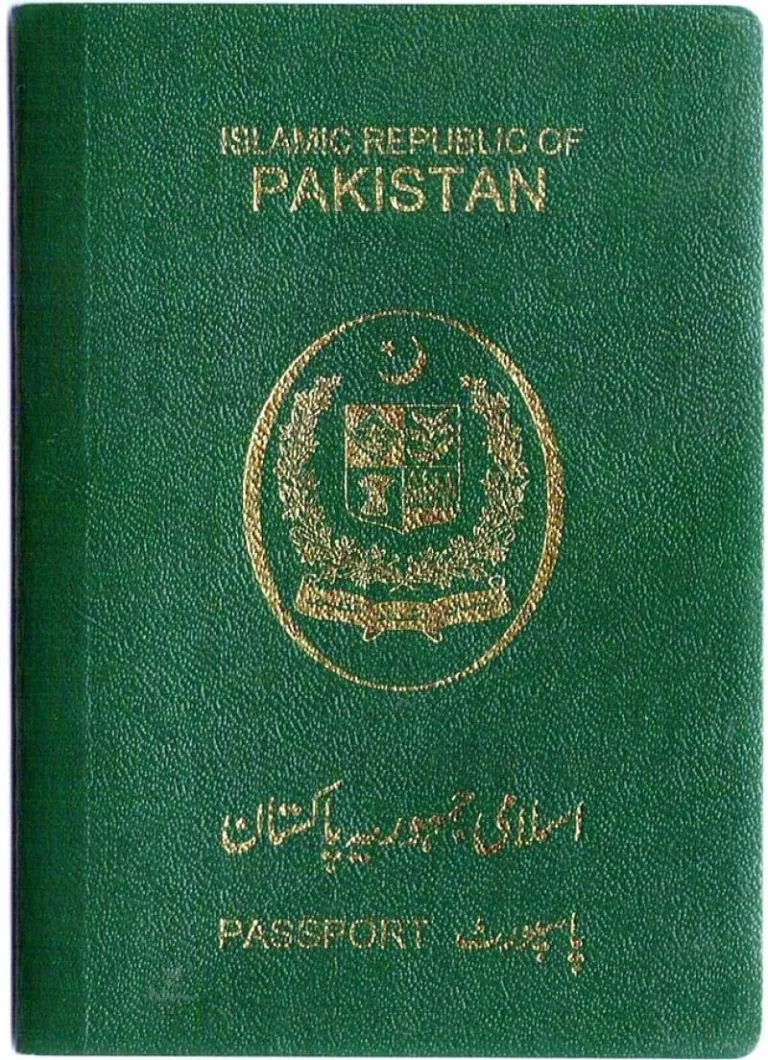
Pakistan passport | Image Credit: Mike35741
Green passport covers are commonly found in Muslim-majority countries, including Pakistan, Saudi Arabia and Morocco.
The colour holds cultural and religious significance in many Islamic traditions, which may influence its use by certain governments. However, not every Muslim-majority country issues a green passport, and not every green passport belongs to one.
Green is also associated with the Economic Community of West African States. Ordinary passports issued by many ECOWAS members traditionally share a green cover, while different colours may be used for official or diplomatic documents.
This demonstrates how a single passport colour can have several possible explanations. It may represent religion in one country, membership in a regional organisation in another or simply a longstanding national design choice.
Why are black passports less common?
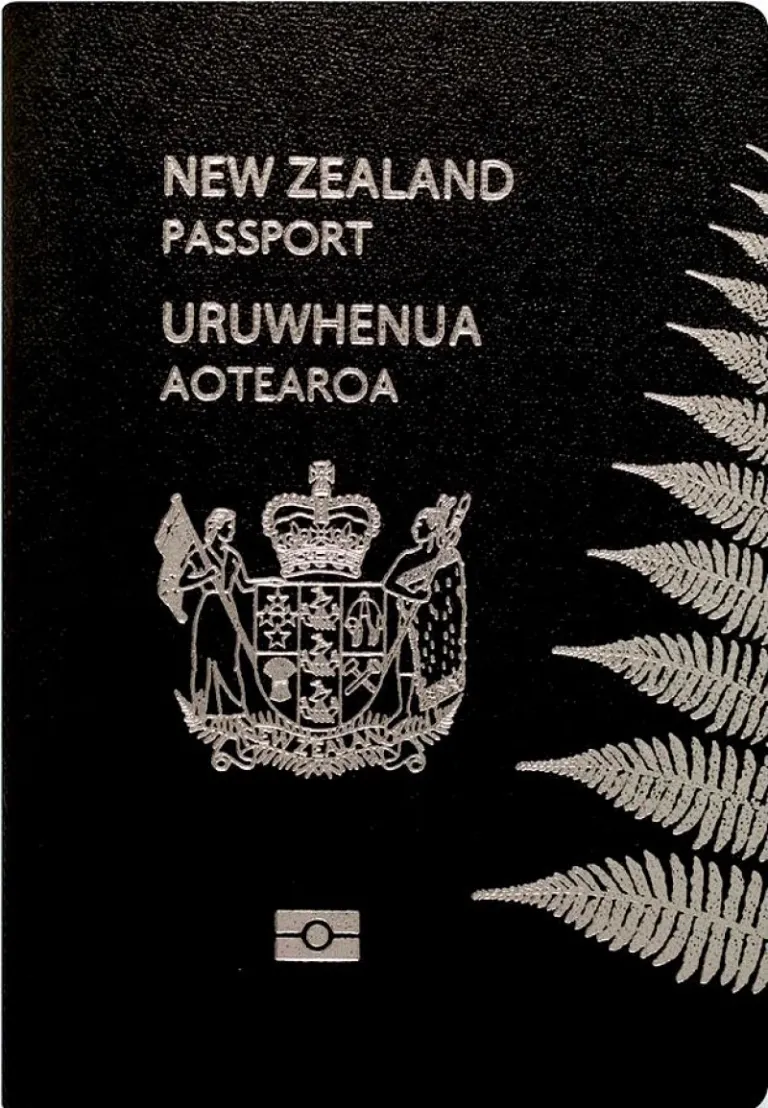
Black is one of the rarer colours used for ordinary passports.
New Zealand is among the best-known examples. Black is strongly associated with the country’s national identity and its international sporting teams, making it a natural choice for the passport cover.
Dark covers may also hide dirt, scratches and general wear more effectively than lighter colours, although practicality is rarely the only consideration behind a passport’s design.
Some countries also reserve black or similarly dark covers for diplomatic or other special-purpose passports rather than those issued to ordinary citizens.
Can one country issue passports in several colours?
A country does not necessarily use the same colour for every passport it issues.
Different covers may distinguish between ordinary, official, service and diplomatic passports. The colours allow immigration officers and government authorities to identify the category of document more quickly, although the holder’s privileges still depend on the passport type and applicable international rules.
India, for example, issues blue passports to ordinary citizens, white passports to eligible government officials travelling on official business and maroon passports to diplomats and certain senior officials.
Other countries follow their own colour systems, which means a black, white or red passport may represent a completely different document category depending on where it was issued.
Can a country change its passport colour?
Passport designs can change as governments introduce new security features, update national branding or alter their relationship with a regional organisation.
The United Kingdom’s switch from burgundy to dark blue following Brexit is one prominent example. The change reflected the country’s departure from the European Union’s common passport format and a return to a colour used by earlier British passports.
However, not every colour change carries a major geopolitical message. Governments regularly redesign passports to introduce biometric technology, improve durability, prevent counterfeiting or showcase national culture through new artwork.

So, what does your passport colour really say?
A passport’s colour may provide clues about its country of origin, regional affiliations or purpose, but it rarely tells the whole story.
There are broad patterns. Burgundy is strongly associated with the European Union, blue appears across Mercosur and much of the Americas, green is common among ECOWAS members and several Muslim-majority countries, while black is closely tied to New Zealand’s national identity.
Nevertheless, these are conventions rather than universal rules. Governments ultimately choose their own passport designs, and similar colours can represent completely different things in different countries.
The next time you find yourself waiting at immigration, take another look at the passports around you. Their covers may appear simple, but each one carries a little piece of national history, identity and diplomacy.

About Author

A linguistics student, Lydia suffers from the occupational hazard of thinking too much about the quirks of language. She yearns to see more of the world and its people, and cannot wait for her next adventure to soak in more beautiful sights and sounds. Before she can do that again, her perfect day would include taking a slow walk, having a warm cup of coffee, and being immersed in a good book.